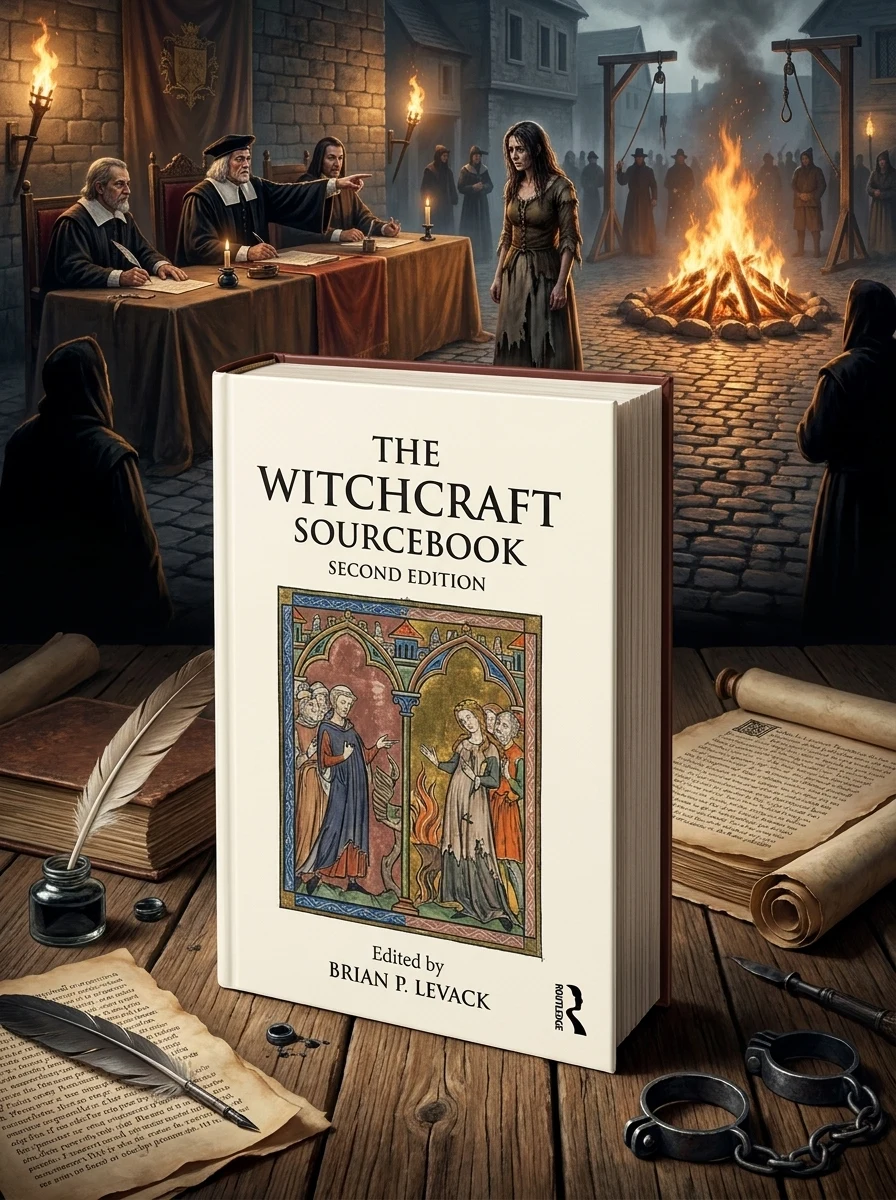
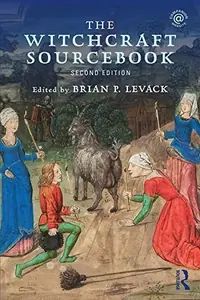
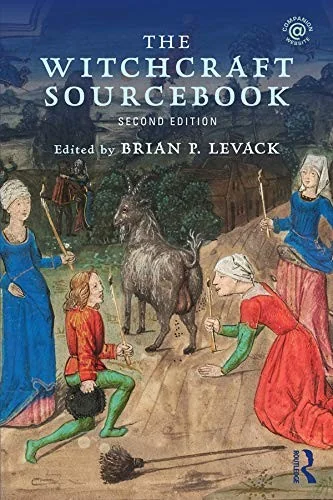
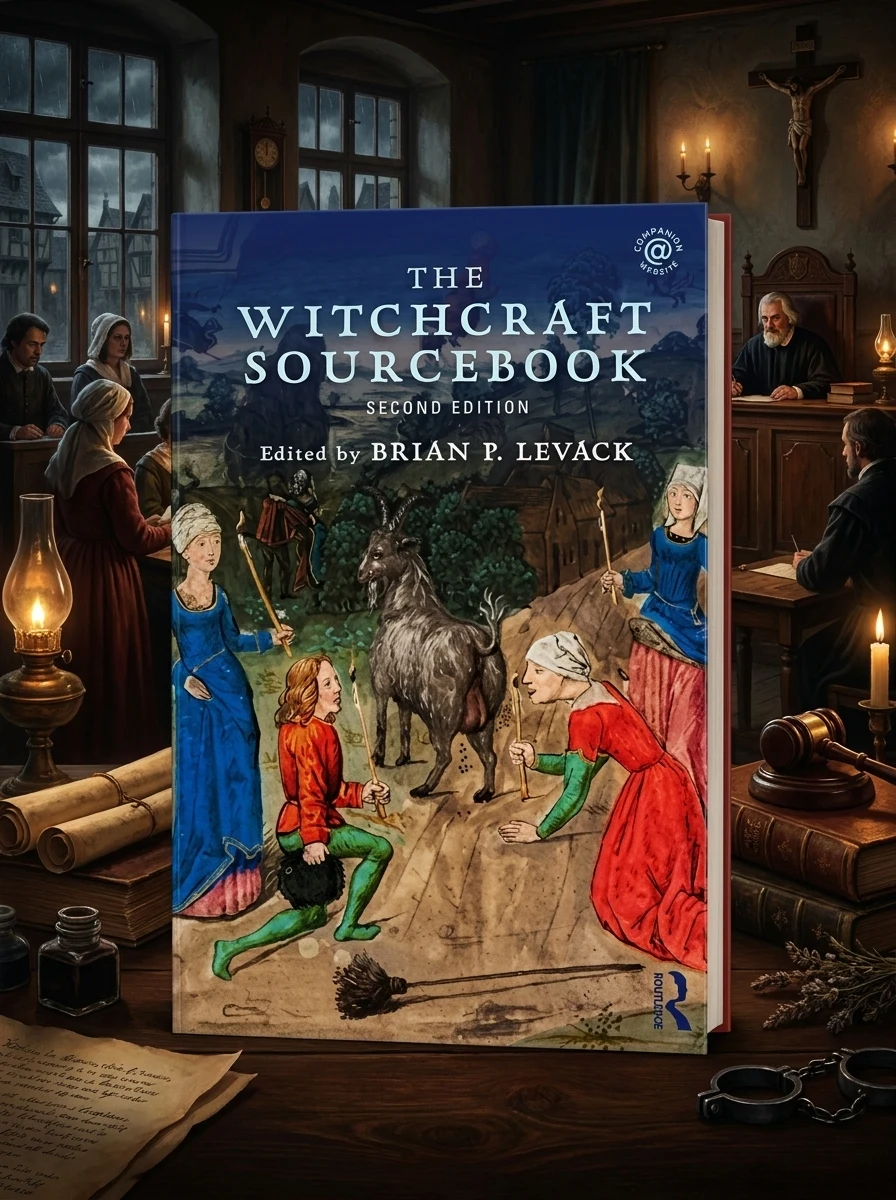
The Witchcraft Sourcebook: Second Edition
Levack, Brian PStock reported in the catalog; fulfillment is confirmed with your request.
Uncover centuries of fear, power, and persecution through the words of history's accusers and accused.
This meticulously compiled sourcebook illuminates the evolution of witchcraft beliefs from antiquity through the eighteenth century. Delving deep into the period between 1400 and 1750, when Europe and Colonial America saw tens of thousands prosecuted, it reveals the genesis of the enduring stereotype: the witch as an evil, Satanic figure. Through diverse historical documents, readers will explore how societies, both Catholic and Protestant, grappled with perceived diabolical threats and the profound connection between gender and alleged magical power.
This volume serves as a critical historical resource within the field of early modern European history and the study of religious persecution, bridging academic scholarship with accessible primary source analysis.


📝 Description: The Witchcraft Sourcebook: Second Edition
💎 Expert review
📖 Why choose it
Why this book is worth reading
Scholars, historians, and serious enthusiasts of esoteric history will find immense value in this meticulously compiled collection. It offers a rare, unvarnished look into the minds of both accusers and the accused during the peak of witch trials. By presenting diverse historical documents, it allows readers to trace the genesis of the Satanic witch stereotype without modern bias. Those seeking to understand the profound connection between gender, perceived magical power, and societal fear will gain a deeper appreciation for how Catholic and Protestant societies grappled with diabolical threats. It is an essential tool for anyone wishing to move beyond myths and engage with the raw, terrifying reality of the eighteenth-century persecution.
⭐ Reader reviews
Reader rating
Levack provides a rigorous academic examination of witchcraft beliefs from antiquity through the 1700s. While invaluable for understanding the legal and theological frameworks of the time, this text is not intended for casual readers seeking folklore or practical magic instruction. It may feel dry or overly dense for those expecting narrative storytelling rather than historical documentation. Readers looking for lighthearted Wiccan practice guides will find little utility here. However, for those willing to engage with complex primary sources and analyze the evolution of fear and power, it stands as a definitive, scholarly reference that demands attention and careful study.
❓ Frequently asked questions
📖 Who should read this
If you're a serious student of history, a scholar of occult traditions, or simply fascinated by the dark chapters of human belief, this collection offers unparalleled direct access to the primary sources that defined the witch hunts. Prepare for a profound journey.
🎯 Key themes and symbolism
Evolution of Witchcraft Concepts
Traces how the perception of witchcraft transformed across millennia, from ancient folk practices to the highly demonized, Satanic pacts prevalent during the early modern witch hunts. It highlights how these shifting understandings influenced societal responses and judicial proceedings, showcasing the dynamic nature of cultural beliefs over time.
The Witch Stereotype
Explores the emergence and consolidation of the 'evil magician and servant of Satan' archetype. The documents reveal how this fearful image took root in the popular imagination and legal systems, driving the widespread persecution of individuals accused of diabolical conspiracy and shaping public consciousness for centuries.
Gender and Persecution
Examines the disproportionate targeting of women in witch trials, offering insights into the societal anxieties and power dynamics that linked women to perceived magical abilities and malevolent intent. It probes the nature of the witch's 'power' as understood by contemporaries, shedding light on a critical aspect of the historical narrative.
💬 Quotes from the book
“The accused, Margaret Jones, was found to have a malignant touch, inflicting deafness upon those she merely grazed, and was seen to converse with familiars.”
“It is undeniable that the Devil seeks to corrupt Christian souls through his confederates on Earth, whose numbers increase daily, threatening the very fabric of godly society.”
📜 Historical context
📚 Glossary
- Demonological Treatises
- Witch Stereotype
- Colonial America
📔 Questions to reflect on
- Considering the historical documents, how might societal anxieties about control and order have fueled the persecution of alleged witches?
- Reflect on how the gendered nature of witchcraft accusations in the past might still echo in contemporary biases or stereotypes.
- If you were a historian tasked with interpreting these primary sources, what ethical considerations would guide your analysis and presentation of such sensitive material?
✍️ More books by this author Levack, Brian P
All books by this author →
 89
89
🏛 Books from this publisher Routledge
All books from this publisher →


 89
89

You might also like
See more → 89
89
 83
83
 82
82