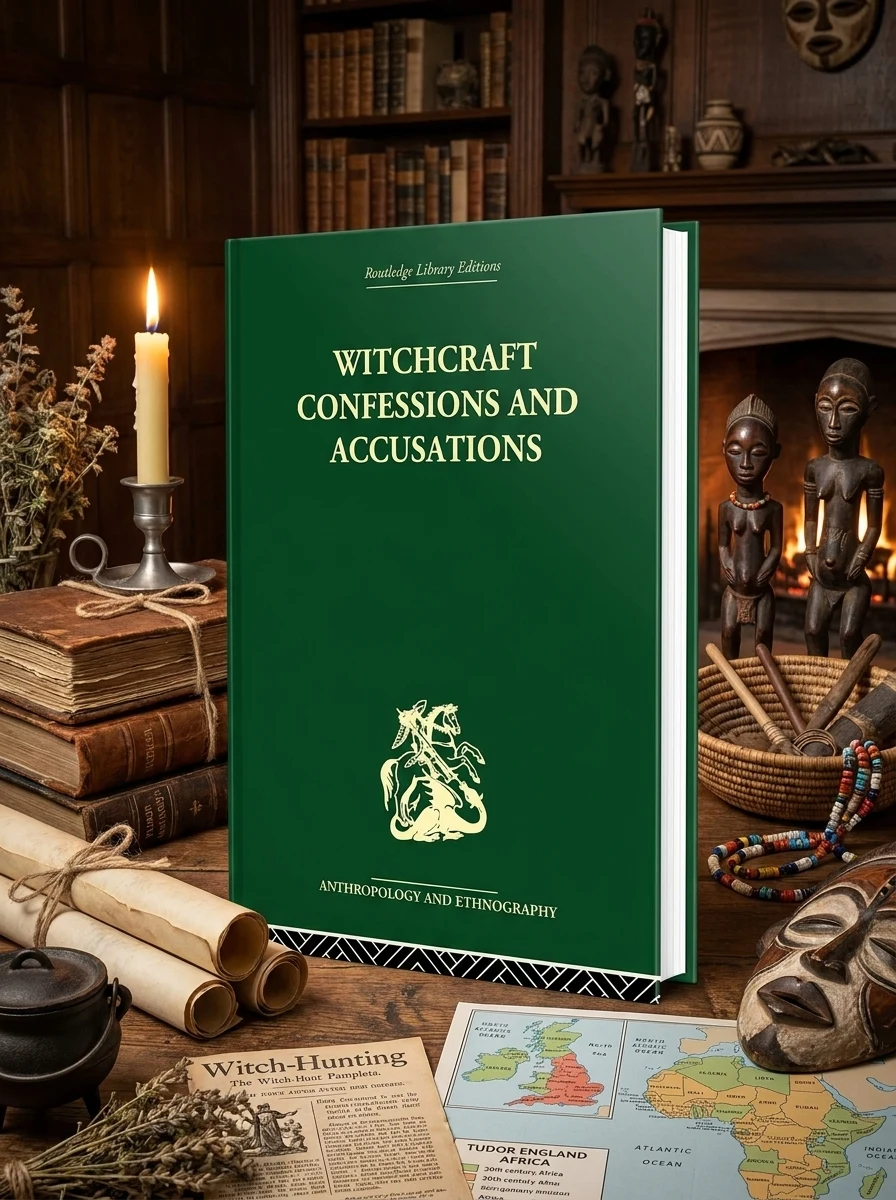
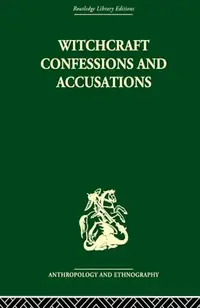
Witchcraft Confessions and Accusations Douglas, Mary
Stock reported in the catalog; fulfillment is confirmed with your request.
Unravel the tangled threads of witchcraft accusations across centuries and continents.
This essential collection, curated by the esteemed Mary Douglas, offers a profound exploration into the phenomena of witchcraft accusations and confessions. Bringing together insights from leading historians and anthropologists, it traverses diverse cultural landscapes and historical epochs, from the chilling witch hunts of Tudor England to ethnographic studies in 20th-century Africa and New Guinea. Rather than defining "witchcraft," the essays delve into its social functions, examining how beliefs in malevolent magic shape communities, enforce norms, and sometimes lead to devastating consequences, providing a comprehensive, multi-faceted view of this enduring human experience.
This volume sits firmly within the scholarly traditions of anthropology and history, specifically examining the sociological underpinnings of witchcraft beliefs across diverse global cultures. It bridges the gap between historical European witch hunts and contemporary ethnographic studies in Africa and New Guinea.


📝 Description: Witchcraft Confessions and Accusations Douglas, Mary
💎 Expert review
📖 Why choose it
Why this book is worth reading
This collection is essential for readers who wish to understand the deeper social mechanics behind historical and contemporary accusations of witchcraft. By assembling insights from leading historians and anthropologists, it moves beyond simple definitions to explore how beliefs in malevolent magic enforce community norms and shape social structures. Readers interested in the intersection of belief, power, and community cohesion will find profound value in its multi-faceted approach. It offers a comprehensive view of an enduring human experience, revealing how these accusations function as tools for maintaining order or resolving conflict. It is particularly rewarding for those willing to engage with complex academic perspectives on a topic often misunderstood in popular culture.
⭐ Reader reviews
Reader rating
While intellectually rigorous and culturally expansive, this book demands patience from readers seeking narrative drama over sociological analysis. It does not suit those looking for sensationalized accounts of Tudor witch hunts or practical Wiccan guidance. The essays prioritize academic insight into social functions over emotional resonance, making it dense for casual observers. However, for scholars and serious enthusiasts of esoteric history, its breadth is unparalleled. It avoids defining witchcraft to instead dissect its utility, a choice that may frustrate readers wanting clear moral judgments but rewards those interested in the subtle ways belief systems regulate human behavior across centuries.
❓ Frequently asked questions
📖 Who should read this
If you're a serious student of social history, anthropology, or the cultural impact of belief systems, this collection is indispensable. Researchers exploring the complex interplay between societal norms, fear, and accusations will find deep insights within these pages, offering a robust framework for understanding human behavior.
🎯 Key themes and symbolism
Accusation's Social Role
This volume meticulously examines how accusations of witchcraft often serve as complex social mechanisms. Scholars analyze their role in maintaining community order, articulating anxieties, or scapegoating individuals during times of stress, revealing the underlying social dynamics rather than just supernatural beliefs inherent in such claims.
Global Witchcraft Traditions
Spanning from 16th-century European trials to contemporary African and Melanesian societies, the book offers a panoramic view of witchcraft beliefs. It highlights both the universal patterns and the unique cultural expressions of magic, fear, and social control found in diverse human communities throughout history and geography.
Bridging History & Anthropology
A cornerstone of this collection is its groundbreaking interdisciplinary approach. By integrating historical accounts with anthropological field studies, the essays demonstrate how a combined lens provides richer insights into the evolution, persistence, and interpretation of witchcraft phenomena across different eras and societal structures, offering a holistic understanding.
💬 Quotes from the book
“The persistent recurrence of witchcraft accusations across disparate societies suggests a deeper, structural function within community dynamics, rather than merely a superstitious aberration.”
“Despite vast differences in cultural idioms, the mechanisms by which individuals are identified as witches and subjected to public scrutiny often reveal striking, if subtle, parallels.”
📜 Historical context
📚 Glossary
- Ethnography
- Social Anthropology
- Scapegoating
📔 Questions to reflect on
- How do modern societies identify and "accuse" those perceived as threats or outsiders, and what parallels can be drawn to historical witchcraft accusations?
- Consider a specific cultural context discussed in the book. How did beliefs about witchcraft function to maintain or disrupt social order within that society?
- Reflect on the interdisciplinary approach. How does combining historical and anthropological perspectives enrich our understanding of phenomena like witchcraft, and what are its limitations?
🏛 Books from this publisher Routledge
All books from this publisher →


 89
89

You might also like
See more →
 91
91
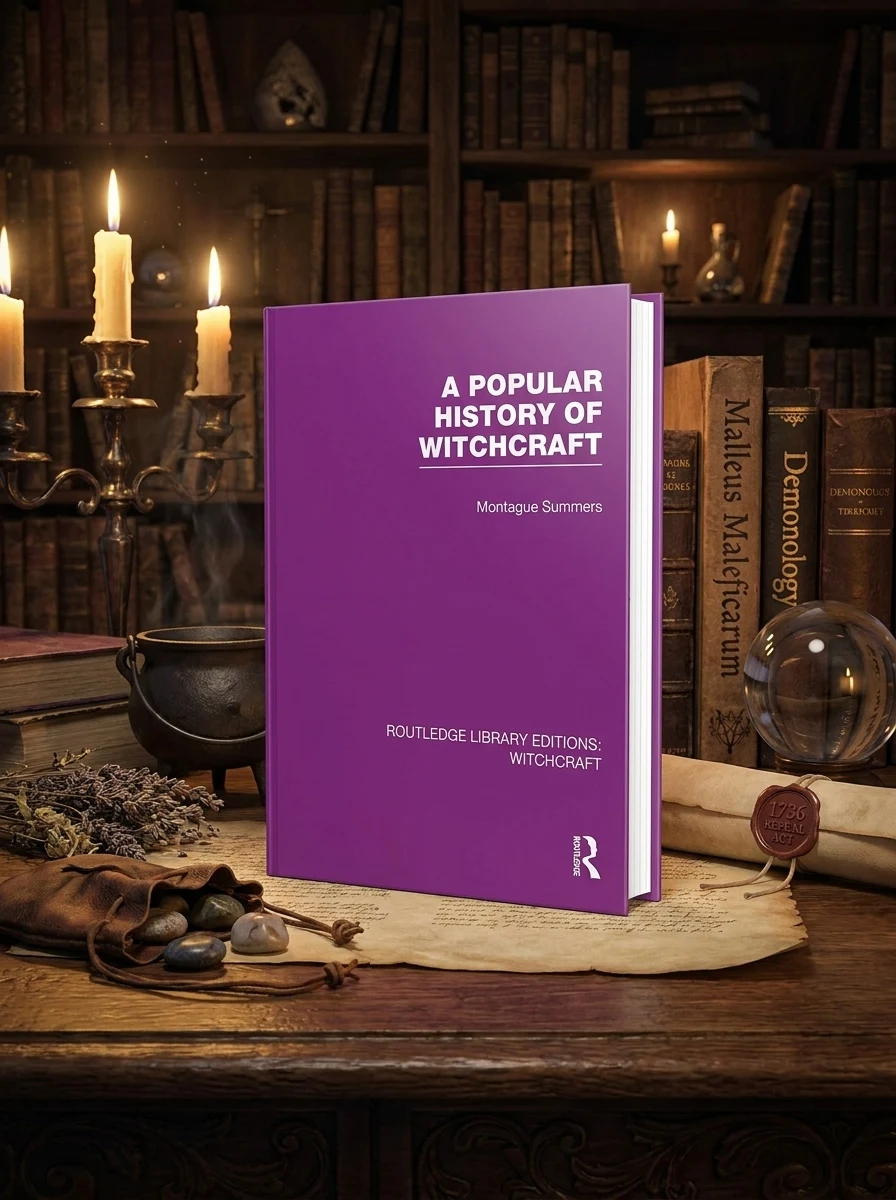
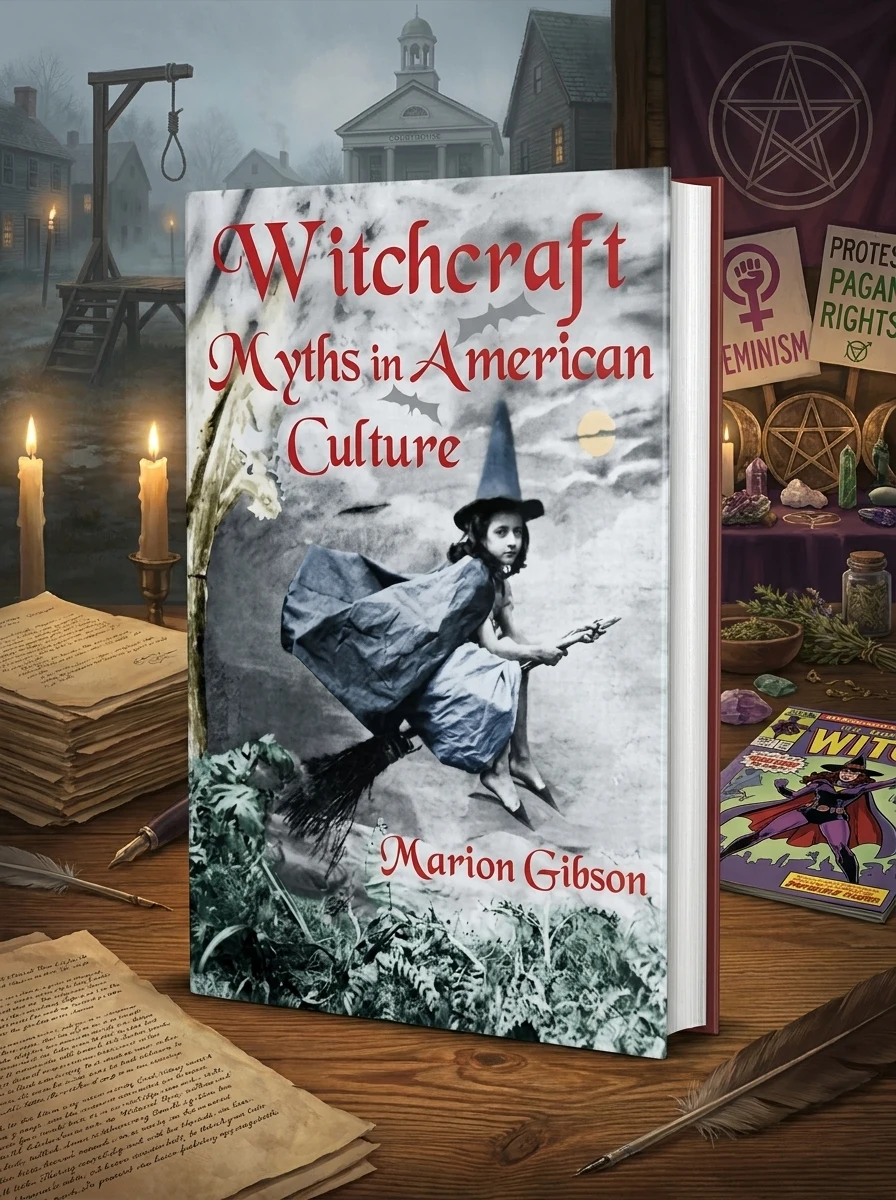 90
90
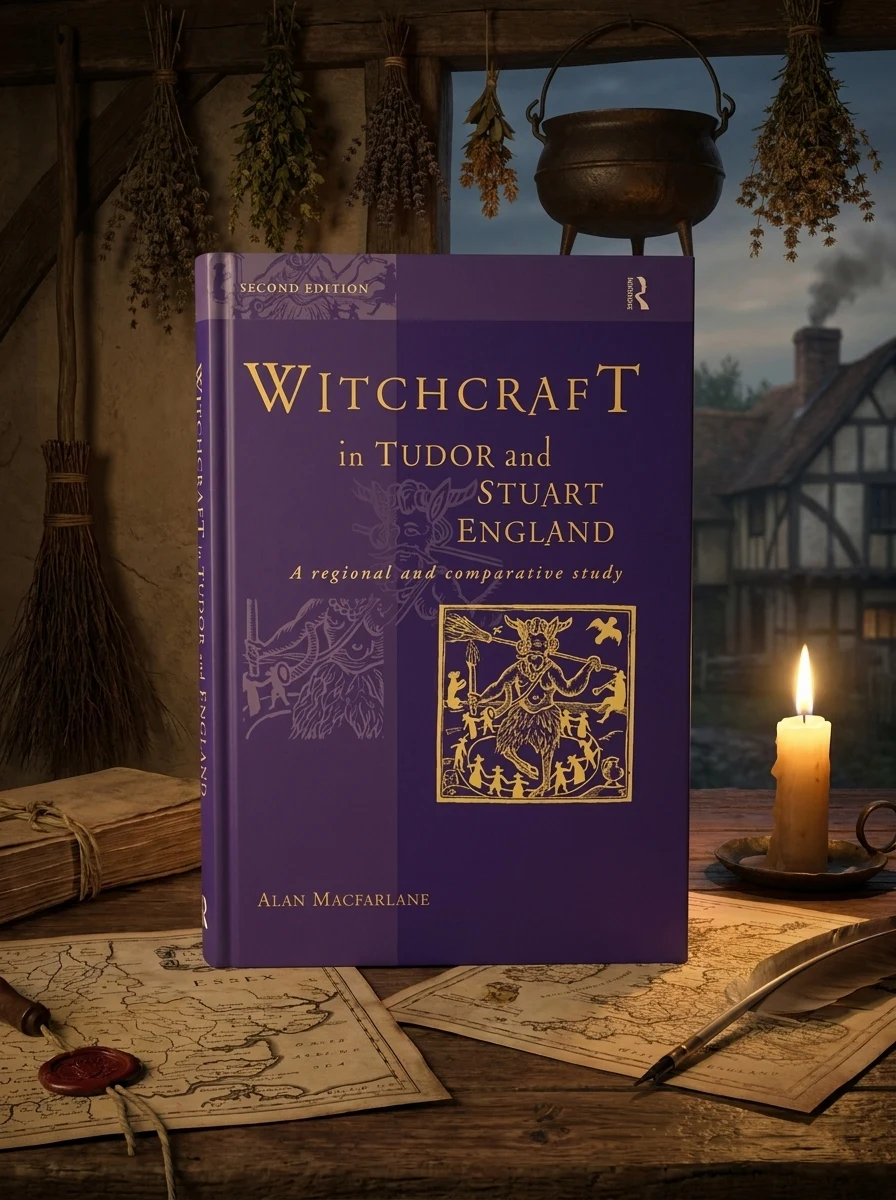 90
90
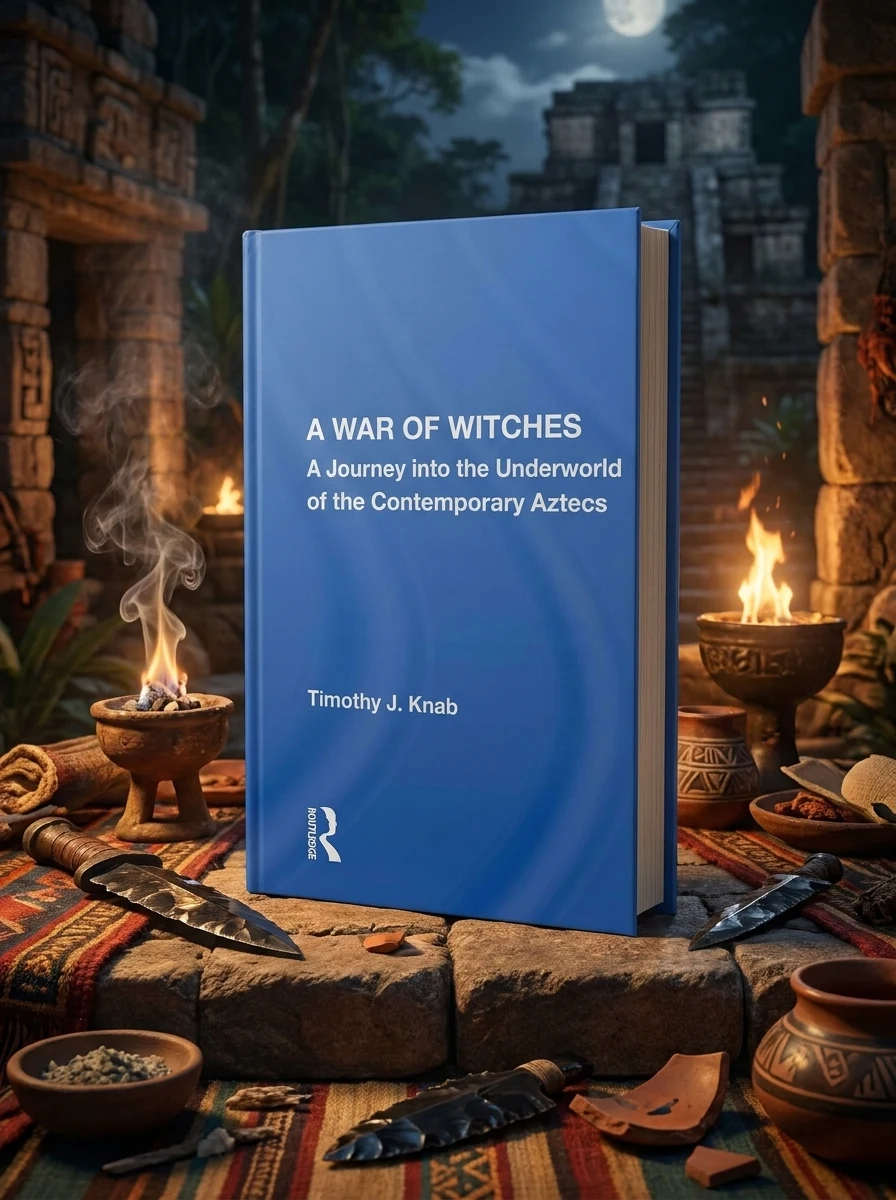
 90
90