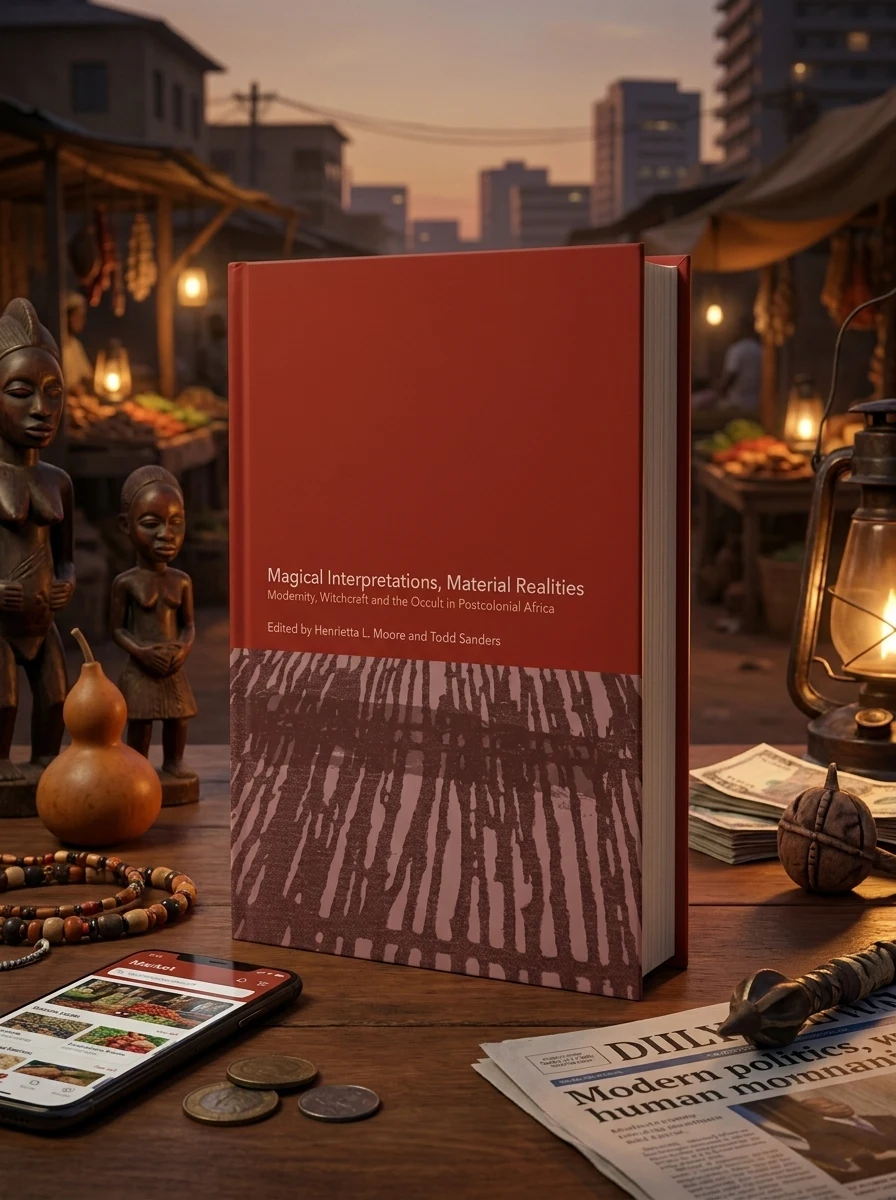
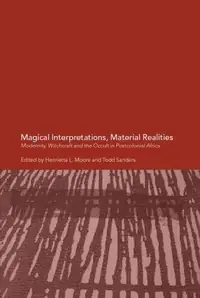
Magical Interpretations, Material Realities: Modernity, Witchcraft and the Occult in Postcolonial Africa
Stock reported in the catalog; fulfillment is confirmed with your request.
Uncover the profound intersections of magic, modernity, and material reality in postcolonial Africa.
This compelling collection challenges traditional, often exoticized, views of African witchcraft. Instead, it positions the occult as a vital lens to comprehend the complex moral and political landscapes of modern African nations. Leading scholars offer fresh ethnographic insights, revealing how diverse communities interpret and experience magical phenomena. The essays meticulously explore intricate connections between local cosmological beliefs and global economic forces, demonstrating that supernatural practices are not relics of the past but dynamic elements deeply embedded within contemporary social structures, from state governance to religious movements like Pentecostalism. It redefines the enduring power of the magical imaginary in a postcolonial world.
This scholarly collection situates itself within postcolonial African studies and the anthropology of religion, challenging exoticized narratives by framing witchcraft as a contemporary political and moral lens rather than a relic of the past.


📝 Description: Magical Interpretations, Material Realities: Modernity, Witchcraft and the Occult in Postcolonial Africa
💎 Expert review
📖 Why choose it
Why this book is worth reading
Readers interested in the intricate dance between belief systems and modern socio-political structures will find this volume indispensable. It is particularly valuable for those seeking to understand how supernatural practices function within contemporary governance, economic forces, and religious movements like Pentecostalism. The book offers a crucial corrective to outdated, exoticized views, presenting witchcraft as a dynamic element of current social realities. By weaving together ethnographic insights with global contexts, it provides a nuanced perspective on how communities interpret magic in their daily lives. If you are fascinated by the moral landscapes of postcolonial nations and the enduring power of the magical imaginary, this collection offers profound clarity on how the occult intersects with material reality today.
⭐ Reader reviews
Reader rating
Moore and Sanders present a rigorous academic intervention that is both intellectually stimulating and culturally significant. The essays successfully dismantle traditional, often exoticized, perceptions of African witchcraft, replacing them with complex analyses of its role in modern state governance and global economics. However, this book is not suited for casual readers seeking entertaining folklore or simple spiritual guides; it demands a familiarity with anthropological theory and postcolonial discourse. It may also alienate those who prefer straightforward narratives over dense, scholarly examinations of moral and political landscapes. The work is essential for specialists but requires significant intellectual engagement from its audience.
❓ Frequently asked questions
📖 Who should read this
If you're an anthropologist, a student of religion, or simply curious about the profound interplay between spiritual beliefs and contemporary society, this book offers essential insights. It challenges preconceived notions about Africa and the occult, inviting you to explore a complex, modern reality.
🎯 Key themes and symbolism
Witchcraft in Modern Africa
This volume decisively moves beyond outdated portrayals of witchcraft as merely a "traditional" African phenomenon. It investigates how beliefs and practices surrounding the occult are actively shaping and being shaped by contemporary realities, including state policies, capitalist economies, and urban life, presenting a nuanced view of their persistent relevance.
Global Capitalism, Local Cosmology
The essays illuminate the profound and often unexpected links between indigenous African spiritual beliefs and the forces of global capitalism. Readers will discover how economic shifts and global markets influence local interpretations of witchcraft, and conversely, how these beliefs inform responses to socioeconomic challenges in a postcolonial context.
Rethinking Tradition and Modernity
The book critically examines the conventional divide between "tradition" and "modernity," arguing that these are not opposing forces but intertwined dimensions of postcolonial African experience. It demonstrates that occult practices are not anachronisms but dynamic, evolving responses to modern challenges, challenging simplistic Western frameworks.
💬 Quotes from the book
“Witchcraft, far from being a relic, operates as a dynamic interpretive framework, offering potent explanations and avenues for agency within the rapidly shifting landscapes of contemporary Africa.”
“The entanglement of global capital with localized spiritual economies reveals a profound co-constitution, where ancestral powers and market fluctuations are often perceived as operating on the same complex plane.”
📜 Historical context
📚 Glossary
- Postcolonial Africa
- Ethnography
- Cosmology
📔 Questions to reflect on
- How might understanding witchcraft as a "modern reality" challenge your own preconceived notions about tradition and development?
- In what ways do you see similar intersections between belief systems and socioeconomic realities in your own cultural context?
- How does the book's approach encourage a more nuanced and less exoticized view of African spiritual practices?
🏛 Books from this publisher Routledge
All books from this publisher →
 89
89
You might also like
See more →
 91
91
 90
90
 90
90
 90
90