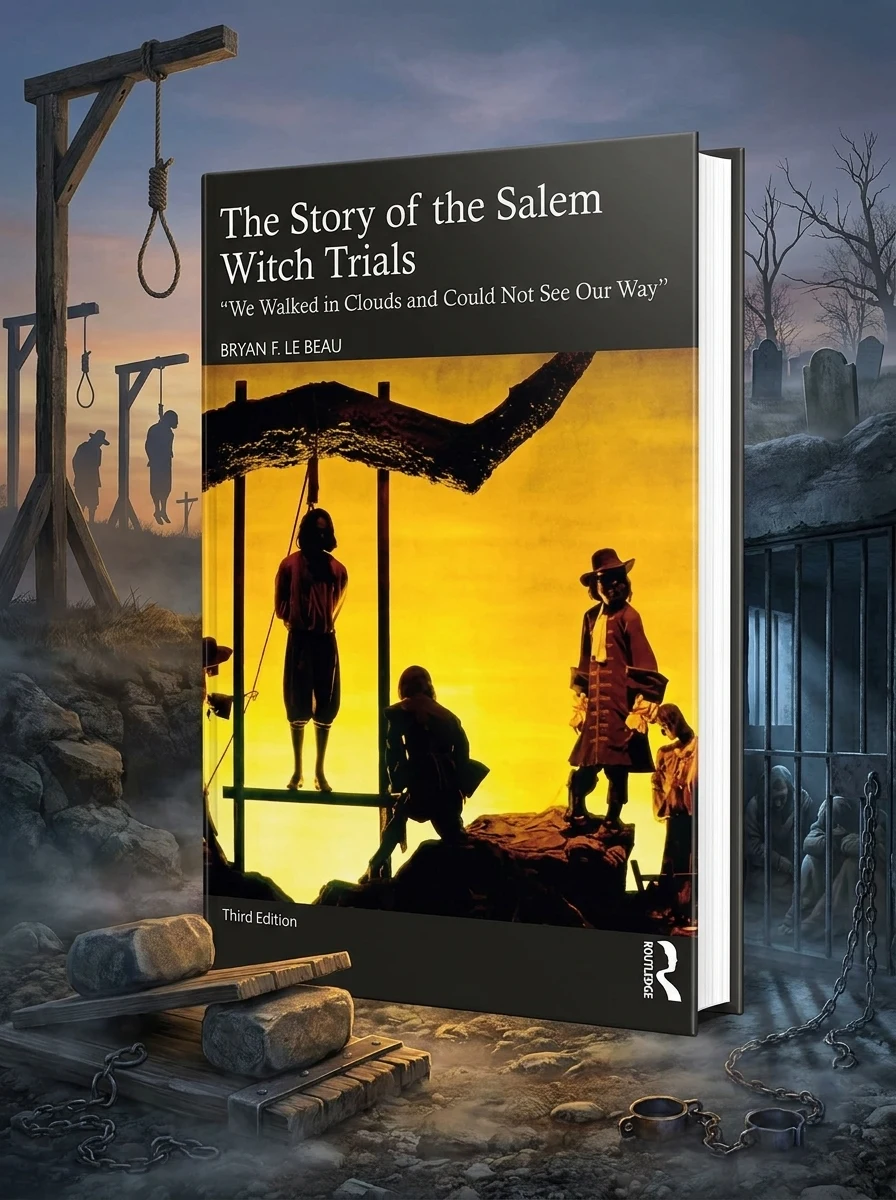
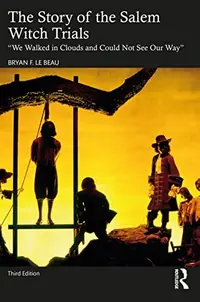
The Story of the Salem Witch Trials
Le Beau, BryanStock reported in the catalog; fulfillment is confirmed with your request.
Witness the chilling descent into communal paranoia that forever stained America's colonial heart.
Bryan Le Beau's compelling narrative unravels the harrowing events of the Salem Witch Trials, a dark chapter etched into New England's past. This essential volume meticulously chronicles the period between early June and late September of 1692, detailing how fear and suspicion led to the execution of nineteen individuals, the brutal death of another, and the imprisonment of over 150 accused. It offers a clear, comprehensive account of the social, religious, and political forces that converged to create one of history's most notorious episodes of mass hysteria.
This volume sits firmly within the historiography of American colonial history and the study of mass hysteria in early New England. It contributes to the broader esoteric discourse by examining the legal and social mechanisms that facilitated witchcraft persecutions.


📝 Description: The Story of the Salem Witch Trials
💎 Expert review
📖 Why choose it
Why this book is worth reading
Readers drawn to the chilling descent into communal paranoia that stained America's colonial heart will find this narrative deeply compelling. Bryan Le Beau offers a clear, comprehensive account of the social, religious, and political forces that converged during this dark chapter. It is ideal for those seeking to understand how fear and suspicion led to the execution of nineteen individuals and the brutal death of another. This essential volume provides an accessible yet rigorous exploration of one of history's most notorious episodes of mass hysteria, making it perfect for history enthusiasts and students of occultism alike who wish to grasp the harrowing events etched into New England's past without getting lost in overly academic jargon.
⭐ Reader reviews
Reader rating
Le Beau delivers a meticulously chronological account of the Salem Witch Trials, focusing on the period between early June and late September of 1692. The text excels in detailing the imprisonment of over 150 accused and the subsequent executions, providing a sobering look at colonial legalities. However, this book is not suitable for readers seeking sensationalized ghost stories or fictionalized dramatic liberties. It is also less appropriate for those already well-versed in deep theological debates who might find the broad overview too general. Ultimately, it serves best as a foundational, factual primer for understanding the convergence of forces that created this historical tragedy.
❓ Frequently asked questions
📖 Who should read this
For anyone captivated by history's darker currents, curious about America's societal fears, or seeking to understand how mass hysteria corrupts justice, this book offers an essential, accessible entry point. It's a must-read for students and enthusiasts of colonial American history.
🎯 Key themes and symbolism
The Perils of Hysteria
Explore how collective fear and rampant superstition gripped a community, turning innocent accusations into deadly pronouncements. This section delves into the rapid escalation of paranoia, illustrating the fragility of reason when confronted by overwhelming social pressure and deeply ingrained religious dogma.
Women at the Crossroads
Examine the disproportionate targeting of women during the trials, analyzing the societal roles, perceived deviance, and power dynamics that made them particularly vulnerable to accusations of witchcraft. The book sheds light on how gender biases influenced both the accusations and the subsequent legal proceedings.
Colonial Justice Unveiled
Unpack the flawed legal processes and Puritanical interpretations of justice that facilitated the trials. Discover how the absence of due process, reliance on spectral evidence, and the intense pressure to confess led to tragic miscarriages of justice within the nascent American legal system.
💬 Quotes from the book
“The gallows stood as a stark monument not to justice, but to the terrifying power of collective fear, silencing dissent with the swift stroke of condemnation.”
“In an era where divine will dictated earthly affairs, the very air of Salem crackled with suspicion, transforming everyday anxieties into pretexts for spiritual warfare.”
📜 Historical context
📚 Glossary
- Spectral Evidence
- Puritanism
- Witchcraft
📔 Questions to reflect on
- How might similar social anxieties or fears manifest in modern society, and what lessons can we draw from Salem to prevent such injustice today?
- Reflect on the role of authority figures and community leaders during the trials. What responsibilities do such figures hold in times of crisis?
- Consider the psychological impact on both the accused and the accusers. How does extreme fear or religious zeal distort individual perception and morality?
✍️ More books by this author Le Beau, Bryan
All books by this author →
🏛 Books from this publisher Routledge
All books from this publisher →



 89
89

You might also like
See more →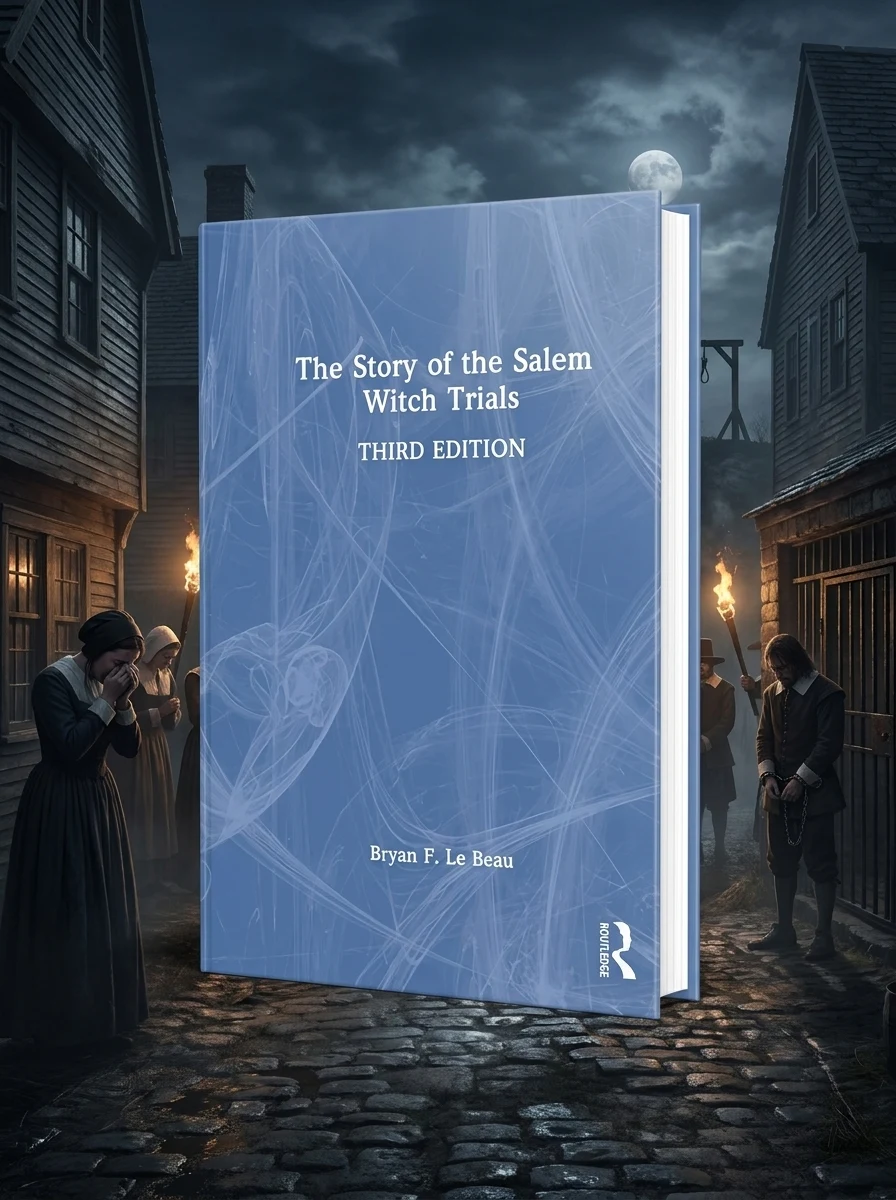 85
85

 91
91
 90
90
 90
90
 90
90