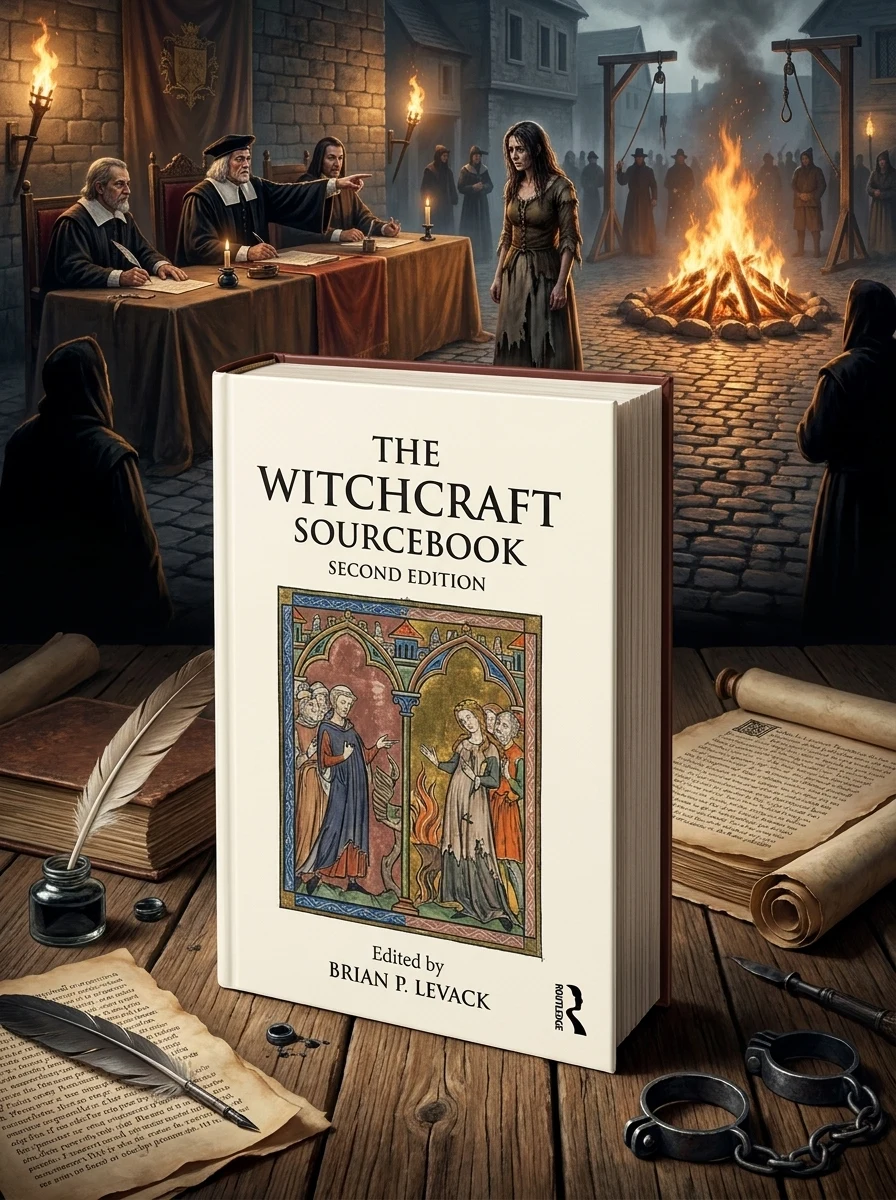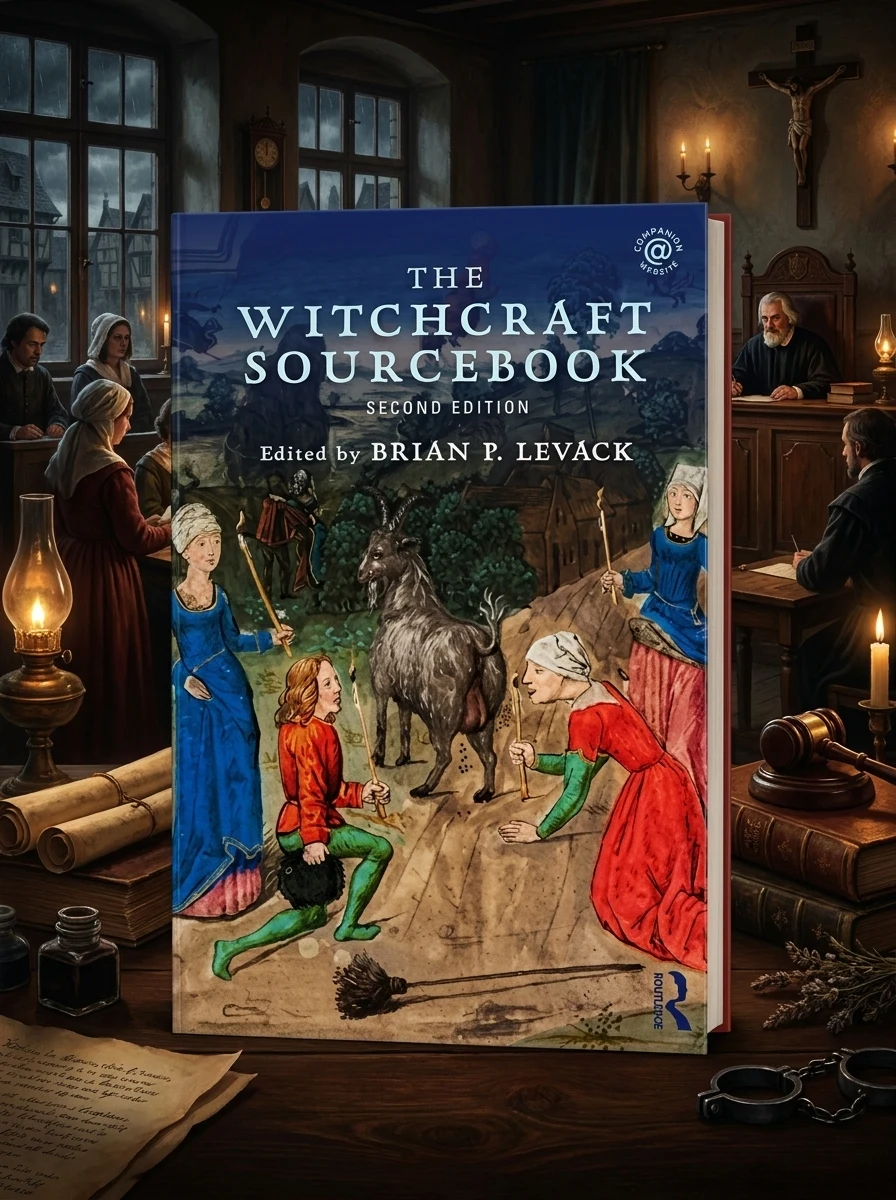
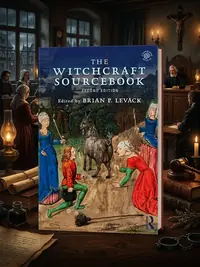
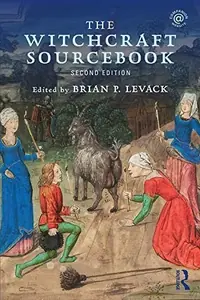
The Witchcraft Sourcebook: Second Edition
Levack, Brian P 83
83
 Editorial score
How we rate
Editorial score
How we rate
Stock reported in the catalog; fulfillment is confirmed with your request.
Unearth the dark origins of the witch stereotype, spanning centuries of fear and fascination.
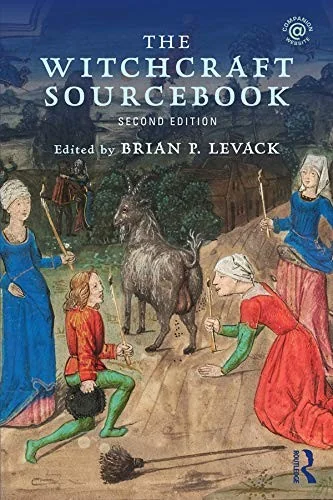
This compelling anthology delves into the evolving perceptions of witchcraft, from antiquity through the eighteenth century. It meticulously chronicles the infamous period between 1400 and 1750, when over one hundred thousand individuals, predominantly women, faced prosecution across Europe and colonial America. Readers will explore the chilling genesis of the demonic witch archetype—Satan's minion, intent on societal ruin—a fear shared by both Catholic and Protestant factions. Through original trial transcripts, theological arguments, artistic representations, and personal accounts, this collection illuminates the changing face of witchcraft and its intricate ties to gender and perceived power.
This text anchors itself in the historical study of European and colonial American persecution, serving as a vital resource for understanding the societal mechanisms that fueled the witch trials. It bridges the gap between theological doctrine and legal history within the esoteric tradition.


📝 Description: The Witchcraft Sourcebook: Second Edition
💎 Expert review
📖 Why choose it
Why this book is worth reading
Readers fascinated by the intersection of gender, power, and religious fear will find immense value in this meticulous anthology. It offers a chilling yet necessary look at how the stereotype of the demonic witch was constructed over centuries, moving beyond myth to examine the reality of over one hundred thousand prosecutions. By utilizing original trial transcripts and theological arguments, the book illuminates the intricate ties between perceived female power and societal ruin. It is essential for those seeking to understand the dark origins of the witch archetype and the shared fears of Catholic and Protestant factions during the early modern period.
⭐ Reader reviews
Reader rating
Levack provides a compelling chronicle of the infamous period between 1400 and 1750, meticulously detailing the genesis of the demonic witch archetype. The collection’s strength lies in its use of primary sources, offering readers a direct glimpse into trial transcripts and artistic representations. However, those seeking practical magical instruction or romanticized portrayals of Wicca will find this text dry and academic. It is strictly a historical analysis of persecution, not a guide to practice. Scholars and serious enthusiasts of early modern history will appreciate its rigor, while casual readers looking for entertainment may find the focus on prosecution and theological arguments too dense and somber.
❓ Frequently asked questions
📖 Who should read this
For students of history, gender studies, or anyone fascinated by the dark chapters of human belief, this compilation offers unparalleled primary access. If you seek to understand the historical construction of fear, power, and the 'other,' this essential resource awaits your deeper exploration.
🎯 Key themes and symbolism
Shifting Witchcraft Narratives
Journey through millennia as understandings of magic and malevolence transform. From ancient folk beliefs to the formalized diabolism of the early modern period, this volume meticulously charts the intellectual and cultural currents that shaped society's perception of the witch, demonstrating how these ideas were not static but continually redefined across different eras.
Gendered Witch Hunts
Discover the profound and often tragic link between gender and the accusations of witchcraft. The collection reveals how the overwhelming majority of those persecuted were women, exploring the societal anxieties, misogynistic beliefs, and power dynamics that fueled this disproportionate targeting during the most intense periods of witch trials in Europe and America.
Satanic Panic & Society
Explore the terrifying emergence of the Devil-worshipping witch as a central figure in early modern Christian demonology. This stereotype, embraced by both Catholic and Protestant authorities, fueled widespread panic, portraying witches not merely as harmful individuals but as active agents of Satan, undermining the very fabric of Christian civilization.
💬 Quotes from the book
“And assuredly, the Devil, that old Serpent, doth ceaselessly labour to ensnare the souls of men, employing his human confederates, the wretched witches, to spread his pestilence and undermine the very foundation of Christian piety.”
“She did confess, albeit reluctantly, that the Black Man did appear to her in the wood, promising her great power if she would but sign his book with her own blood, and vex her neighbours with her charms.”
📜 Historical context
📚 Glossary
- Demonological Treatises
- Maleficia
- Spectral Evidence
📔 Questions to reflect on
- How do historical perceptions of witchcraft reflect broader societal anxieties about power, gender, and religious authority?
- Considering the primary source nature of this book, how might our modern understanding of justice differ from the legal processes documented in these historical trials?
- In what ways might the 'stereotype of the witch' still subtly influence contemporary culture or perceptions of women in power?
✍️ More books by this author Levack, Brian P
All books by this author →
 89
89
🏛 Books from this publisher Routledge
All books from this publisher →


 89
89

You might also like
See more → 89
89
 82
82