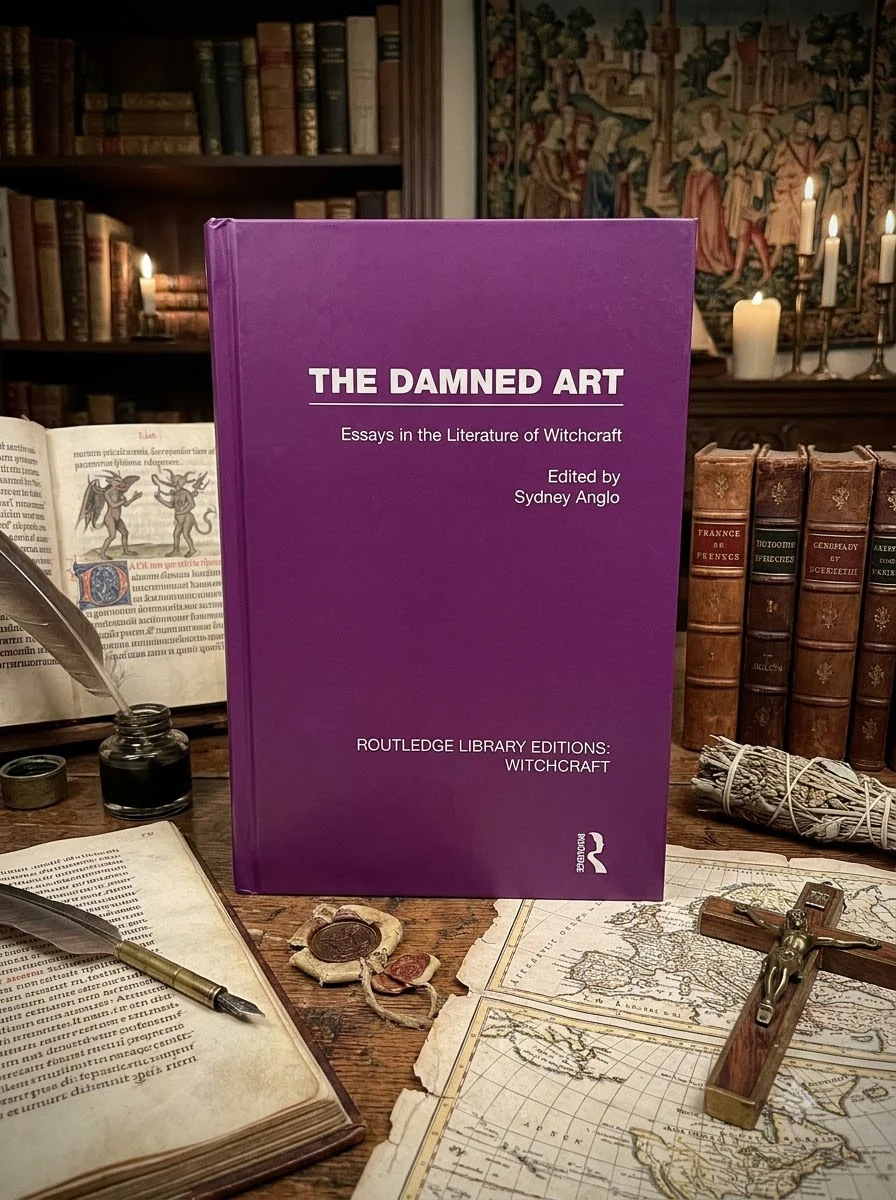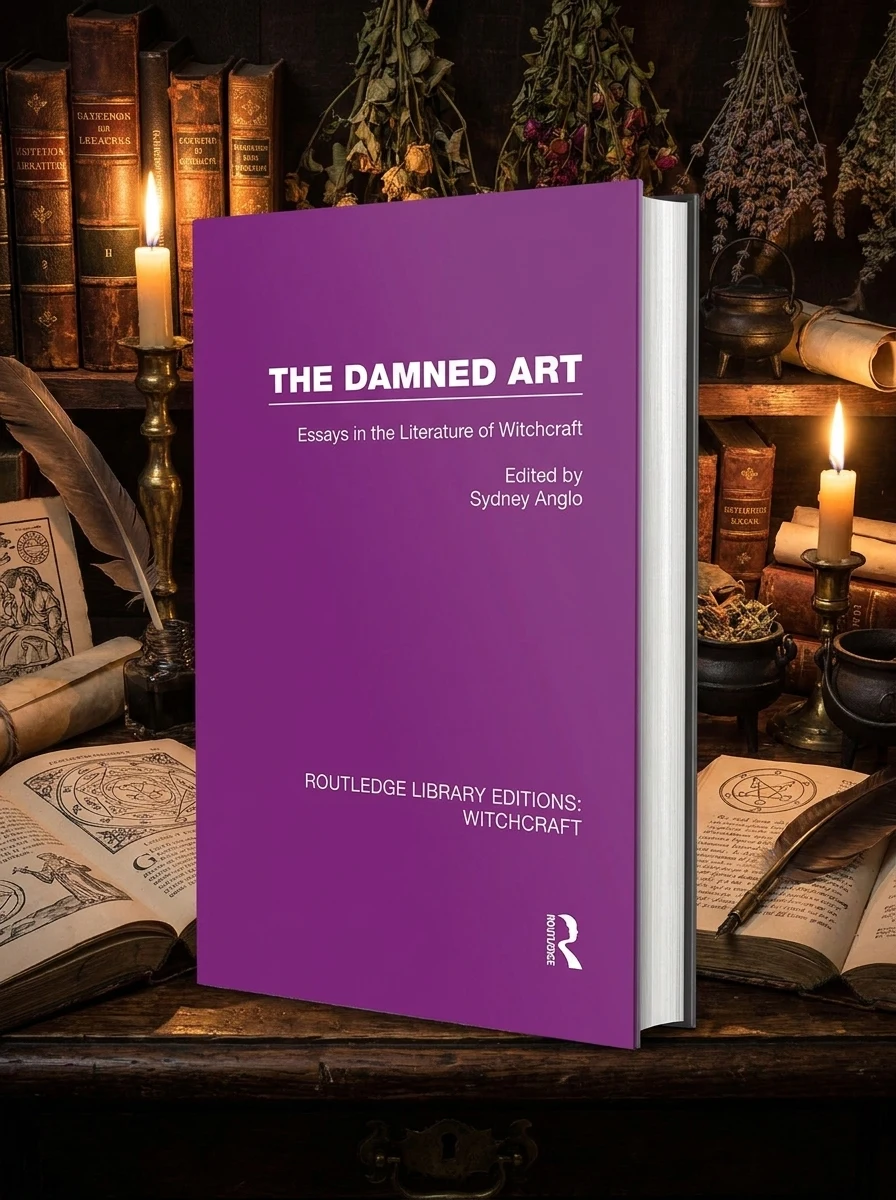
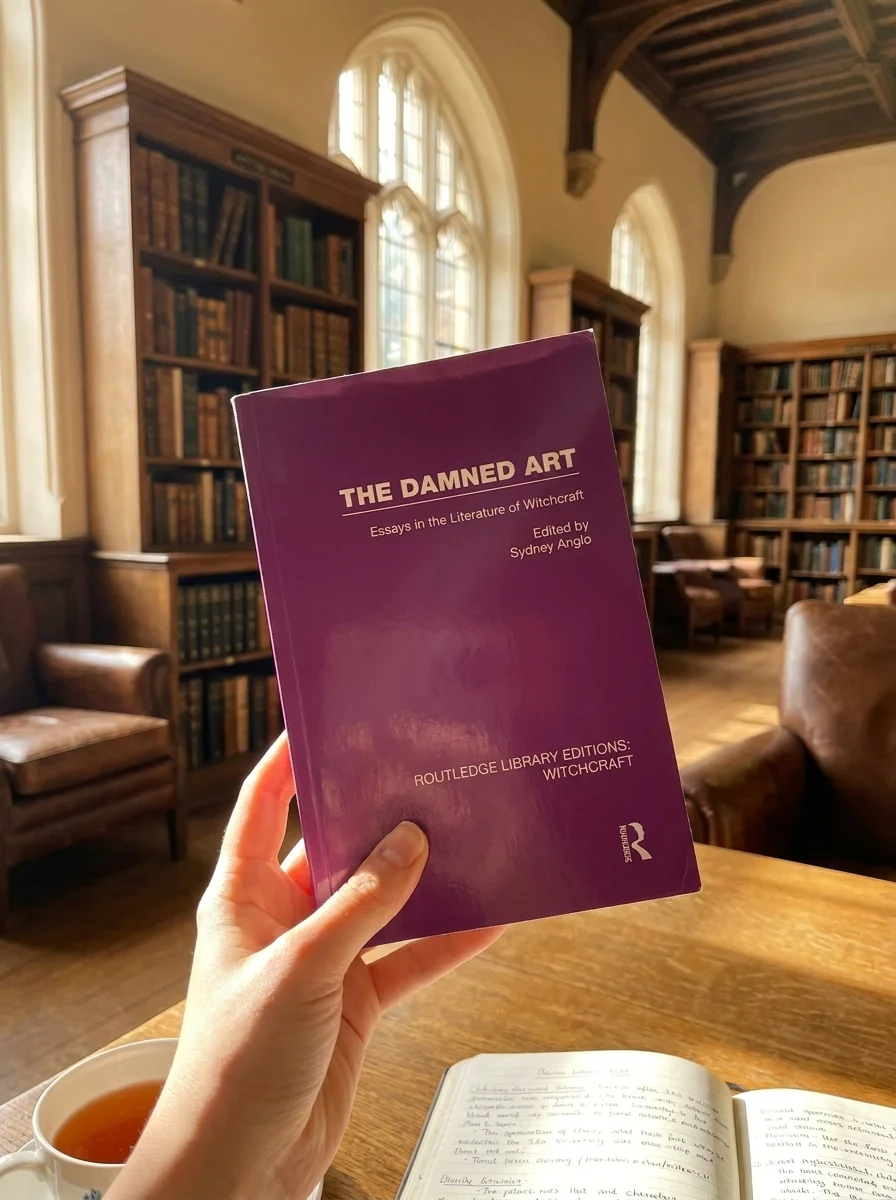
The Damned Art (Rle Witchcraft): Essays in the Literature of Witchcraft Anglo, Sydney
✍️ Anglo, SydneySydney Anglo's "The Damned Art" offers a profound academic exploration into the literature surrounding witchcraft and demonology. This collection of essays, penned by eight distinguished scholars, meticulously examines pivotal texts from across Europe and America. It delves into the diverse intellectual frameworks and rhetorical strategies employed by authors who either championed the persecution of witches or courageously challenged such practices, providing an unparalleled look at the cultural and intellectual currents shaping historical beliefs about magic.


📝 Description: The Damned Art (Rle Witchcraft): Essays in the Literature of Witchcraft Anglo, Sydney
💎 Expert review
📖 Why choose it
Why this book is worth reading
This collection is an essential read for serious students of history, literature, and religious studies who wish to understand the complex intellectual battles surrounding witchcraft. By analyzing pivotal texts from distinguished scholars, it reveals how authors utilized specific rhetorical strategies to either champion or challenge persecution. Readers seeking a profound academic exploration will appreciate the meticulous examination of diverse cultural currents and belief systems. It is ideal for those eager to uncover the scholarly nuances behind historical demonology rather than seeking sensationalist narratives. The book provides an unparalleled look at the literary foundations of witchcraft fears, making it valuable for anyone interested in the intersection of law, religion, and literature during the era of witch trials.
⭐ Reader reviews
Reader rating
Sydney Anglo’s 'The Damned Art' is a rigorous academic compilation that demands patience and scholarly interest. It offers deep insights into the literary and intellectual contexts of witchcraft literature through eight essays by distinguished scholars. However, it will likely frustrate readers looking for accessible narratives, fictional accounts, or practical Wiccan guidance. The dense focus on historical texts and rhetorical analysis makes it unsuitable for casual readers or those preferring modern pagan spirituality. It is strictly for academics and serious historians who appreciate detailed textual criticism. Those expecting a straightforward history or magical instruction will find this volume too specialized and theoretically heavy for their tastes.
❓ Frequently asked questions
📖 Who should read this
If you're a serious student of cultural history, intellectual movements, or the sociology of belief, this rigorous collection offers a crucial lens on the historical understanding of witchcraft. It's for those who appreciate deep academic inquiry rather than practical applications.
🎯 Key themes and symbolism
Literary & Rhetorical Analysis
The book meticulously dissects the stylistic choices and argumentative structures within historical witchcraft texts. It goes beyond mere content, exploring how authors crafted their narratives, employed persuasive techniques, and engaged in sophisticated polemics to shape public opinion and legal frameworks concerning magic and its practitioners.
Justification & Refutation
A central focus is the intellectual dichotomy between those who sought to rationalize and intensify witch hunts, and those who provided reasoned arguments for their cessation. The essays illuminate the theological, legal, and philosophical underpinnings used by both sides to construct their cases, offering insight into a deeply divided historical discourse.
Cross-Cultural Intellectual Contexts
By examining texts from England, France, Germany, Italy, and America, the volume highlights the varied yet interconnected intellectual landscapes where witchcraft beliefs flourished. It situates these works within their specific historical moments, revealing how regional anxieties and philosophical traditions influenced the demonological literature of each nation.
📜 Historical context
📚 Glossary
- Demonology
- Polemic
- Intellectual Context
📔 Questions to reflect on
- How did the intellectual arguments for and against witchcraft persecution reflect broader societal anxieties and power structures of their time?
- Consider how the 'literary records' of witchcraft might have shaped public perception and influenced legal outcomes, rather than merely documenting events.
- If you were to analyze a modern 'occult' text, what intellectual contexts and rhetorical strategies would you examine to understand its impact?