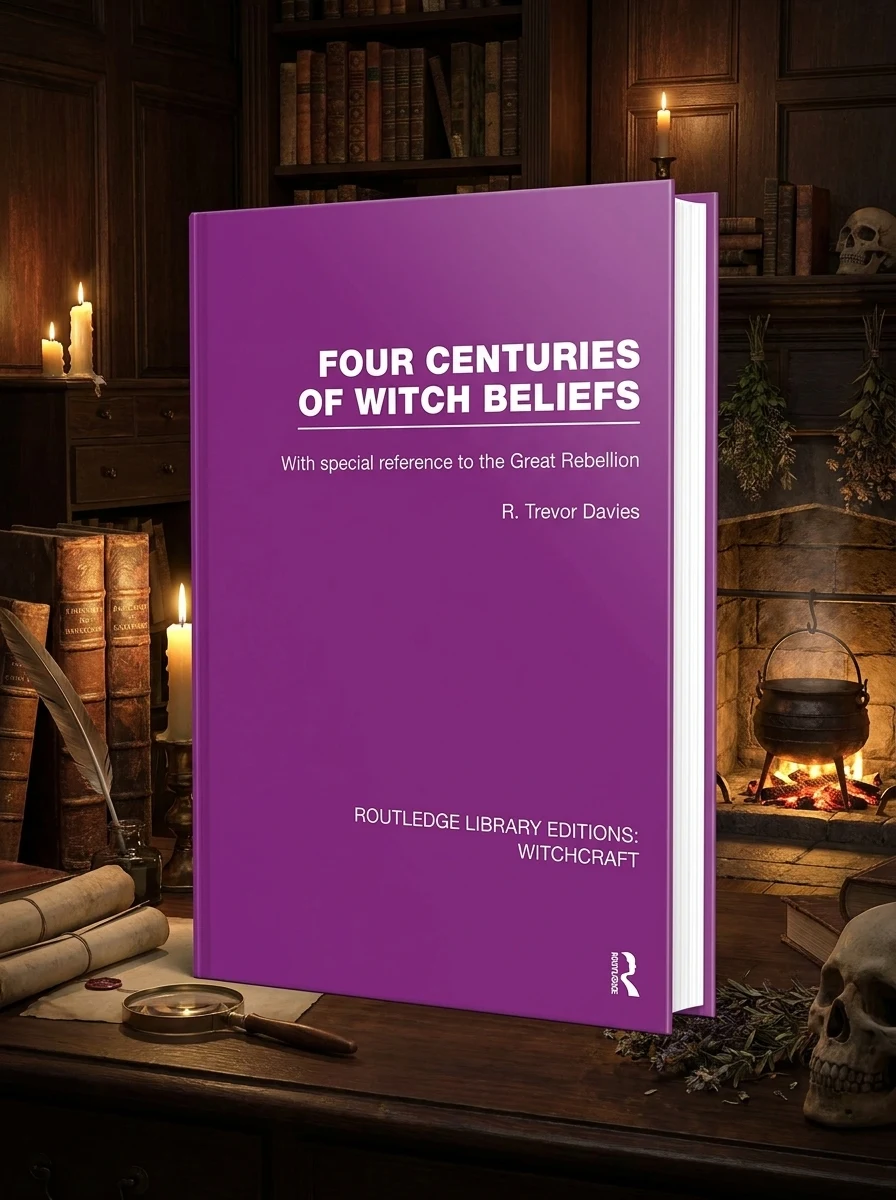
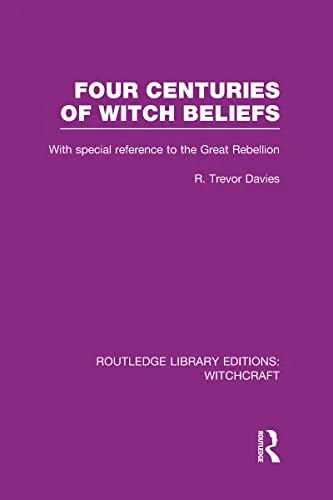
Four Centuries of Witch Beliefs (Rle Witchcraft) Davies, R
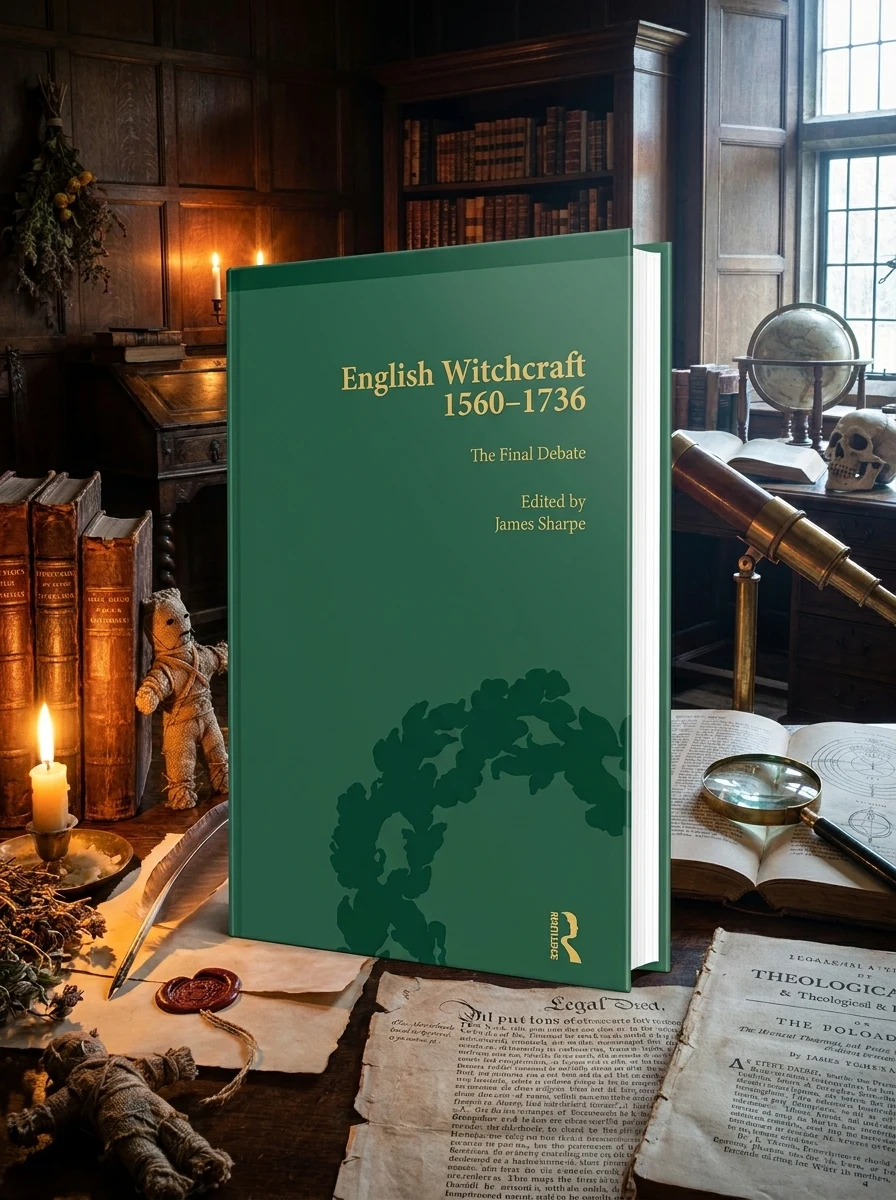
✍️ Davies, RThis seminal historical work, originally published in 1947, meticulously investigates how leading political figures during the Elizabethan and Stuart eras grappled with widespread belief in witchcraft. It delves into whether these pervasive convictions held significant sway over 17th-century English history, particularly examining their potential influence on the tumultuous period of the Great Rebellion. By presenting the key arguments used both to uphold and refute witchcraft accusations, the book immerses the reader in the intellectual and social struggles of the time, offering a unique perspective on the intersection of power, superstition, and statecraft.


📝 Description: Four Centuries of Witch Beliefs (Rle Witchcraft) Davies, R
💎 Expert review
📖 Why choose it
Why this book is worth reading
Scholars and history enthusiasts interested in the political undercurrents of early modern England will find immense value in this seminal text. Originally published in 1947, it offers a rigorous investigation into how leading figures grappled with widespread witchcraft beliefs. Readers seeking to understand whether these convictions influenced 17th-century events, particularly the Great Rebellion, will appreciate the detailed analysis of arguments used to uphold or refute accusations. It provides a unique lens on the struggle between power and superstition, making it essential for those studying the intellectual history of statecraft and the complex social dynamics of Elizabethan and Stuart England.
⭐ Reader reviews
Reader rating
This book is a dense, academic examination best suited for serious historians specializing in early modern political culture. It meticulously dissects the arguments surrounding witchcraft beliefs among political elites, offering deep insight into the period's intellectual struggles. However, it does not suit casual readers seeking narrative storytelling or general interest guides to witchcraft history. Those expecting contemporary folklore or sensationalized accounts of trials will find the tone dry and overly analytical. It is a specialized tool for understanding statecraft, not a broad introduction to the subject. Readers must be prepared for rigorous historical argumentation rather than accessible prose.
❓ Frequently asked questions
📖 Who should read this
For scholars of early modern English history, students of social psychology, or anyone fascinated by the interplay of belief and power, this book offers a unique lens into a turbulent era. It's for those eager to understand how deeply ingrained superstitions could genuinely shape state affairs and political destinies.
🎯 Key themes and symbolism
Political Witchcraft Dynamics
Davies expertly explores how the concept of witchcraft was not merely a popular superstition but a potent, often manipulated, force within the political landscape. The book reveals how statesmen navigated accusations, public panic, and judicial processes, demonstrating the surprising degree to which these beliefs could shape policy and political allegiances during a volatile period.
Shifting Historical Perceptions
The text traces the evolution of intellectual and official attitudes towards witchcraft throughout the Elizabethan and Stuart reigns. It highlights the conflicting arguments put forth by figures of authority and learning, offering insight into the gradual, yet uneven, shift from unquestioning belief to more skeptical or rationalistic interpretations within governing circles and beyond.
Witchcraft and Rebellion
A central inquiry of the book is the extent to which witchcraft beliefs and associated panics might have contributed to, or been exploited during, the profound social and political unrest that culminated in the Great Rebellion. It examines how these anxieties could have fueled divisions, legitimized actions, or served as a convenient scapegoat in times of national crisis.
📜 Historical context
📚 Glossary
- Elizabethan Era
- Stuart Era
- Great Rebellion
📔 Questions to reflect on
- How might contemporary 'moral panics' or widespread conspiracy theories serve similar functions to historical witchcraft accusations in shaping public discourse or policy today?
- Reflect on a time when a widely held, unproven belief significantly impacted a historical or personal event. What parallels do you draw with the book's subject matter?
- Considering the arguments presented in the book, how does it challenge or reinforce your understanding of the complex interplay between power, popular belief, and historical change?