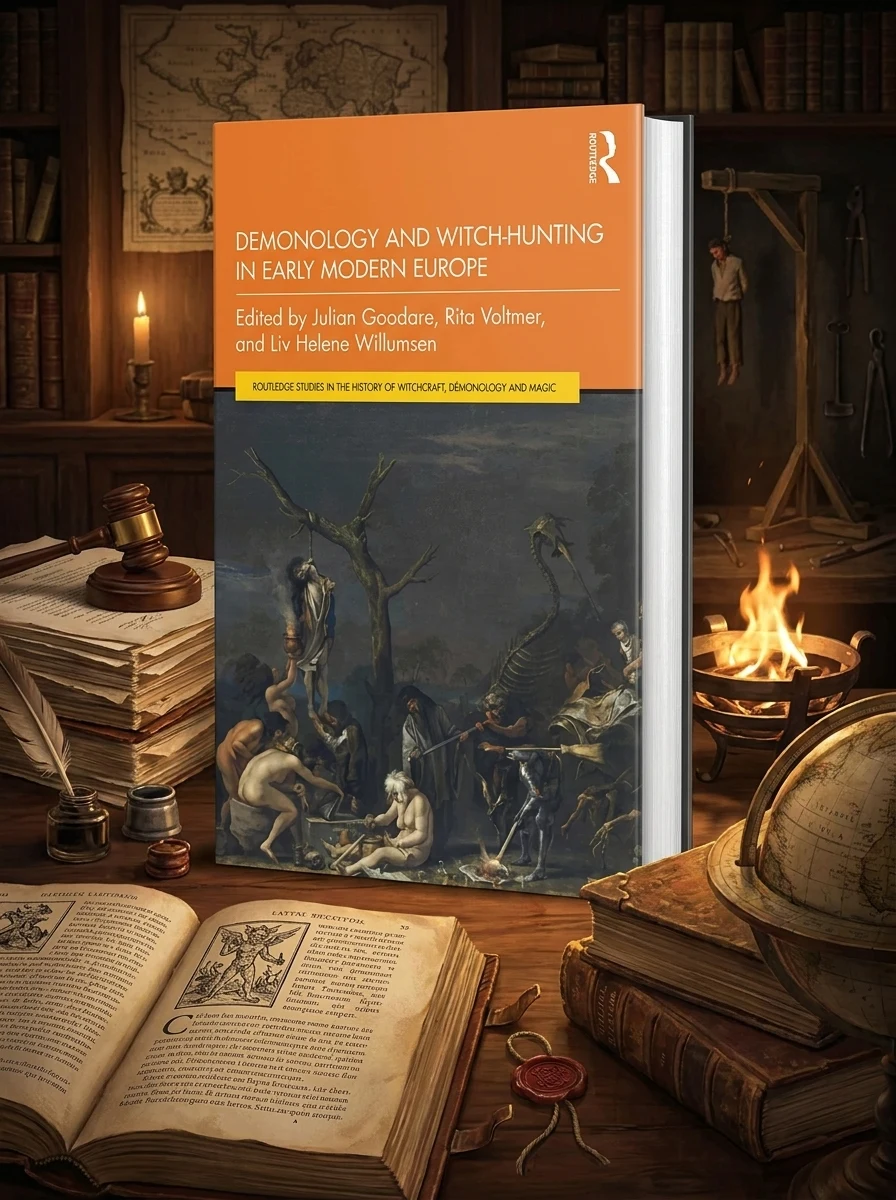
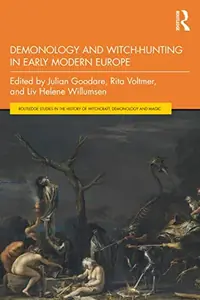
Demonology and Witch-Hunting in Early Modern Europe Goodare, Julian
Goodare, Julian; , Voltmer, Rita; , Willumsen, LIV HeleneStock reported in the catalog; fulfillment is confirmed with your request.
Unravel the dark threads connecting academic demonology to the brutal reality of witch hunts.
This compelling collection delves into the intricate relationship between scholarly theories of demonology and the horrific practice of witch-hunting in Early Modern Europe. Moving beyond simplistic cause-and-effect, it explores how intellectual pursuits concerning demonic powers intersected with, or diverged from, the actual prosecutions of accused witches. Featuring contributions from leading scholars, the book offers a nuanced, region-specific examination, revealing that some demonological ideas remained theoretical, while others merged with local popular beliefs to fuel the trials. It's a vital re-evaluation of a complex historical period.
This work situates itself within the historiography of Early Modern Europe, specifically addressing the complex intersection of academic demonology and the brutal reality of witch-hunting practices during that era.


📝 Description: Demonology and Witch-Hunting in Early Modern Europe Goodare, Julian
💎 Expert review
📖 Why choose it
Why this book is worth reading
Scholars and serious enthusiasts of European history will find this collection invaluable for its nuanced rejection of simplistic cause-and-effect narratives regarding witch trials. By examining how scholarly theories of demonic powers intersected with local popular beliefs, it reveals why some ideas remained theoretical while others fueled prosecutions. This volume offers a vital re-evaluation of the period, helping readers understand that demonology was not a monolithic force but varied significantly by region. It is essential for those seeking to move beyond general knowledge and grasp the intricate, often divergent, relationship between intellectual pursuits and actual legal realities in Early Modern Europe.
⭐ Reader reviews
Reader rating
This volume provides a rigorous, region-specific examination of how demonological ideas merged with local beliefs to fuel trials. It is an excellent resource for academic historians and those deeply invested in the socio-intellectual mechanics of Early Modern Europe. However, it does not suit casual readers seeking narrative drama or straightforward moral judgments about witch-hunting. The book’s strength lies in its complexity, which may feel dry or overly abstract to those preferring accessible storytelling over scholarly analysis of theoretical divergences. It is best reserved for those prepared to engage with dense, comparative scholarship rather than general historical overviews.
❓ Frequently asked questions
📖 Who should read this
If you're a serious student or researcher of early modern European history, particularly interested in the history of ideas, law, and social beliefs, this book offers an indispensable, multi-faceted perspective on demonology and witch-hunting. Prepare for a deep dive into scholarly discourse.
🎯 Key themes and symbolism
Intellectual Demonology's Evolution
The book meticulously traces the development of demonological thought among early modern intellectuals. It distinguishes between abstract, theoretical constructs about demons and their powers, and how these sophisticated ideas were sometimes simplified or transformed when applied within the practical, often chaotic, environment of a witch trial. This exploration highlights the academic foundations that underpinned, yet often diverged from, popular fears.
Regional Witch-Hunting Cultures
A significant focus is placed on the diverse regional manifestations of witch-hunting across Europe. Chapters dedicated to areas like Scandinavia, Britain, Germany, and Italy reveal that the application of demonological principles, and the very nature of witch trials, varied considerably based on local customs, legal systems, and prevailing social anxieties. This comparative approach uncovers the unique cultural lenses through which accusations were made and prosecuted.
Theory Versus Judicial Practice
This volume critically examines the often-stark gap between the refined, scholarly understanding of demonology and its messy implementation in the courtroom. It illustrates how the concerns of learned demonologists frequently remained on an academic plane, while judges and accusers on the ground often drew upon popular folklore and immediate communal fears, demonstrating a complex interplay rather than a direct translation of intellectual ideas into judicial outcomes.
💬 Quotes from the book
“The intricate taxonomies of infernal hierarchies often bore little resemblance to the practical accusations leveled in a village court.”
“While northern tribunals grappled with pacts and maleficium, southern inquisitors often navigated complex questions of heresy and demonic possession within local customs.”
📜 Historical context
📚 Glossary
- Demonology
- Witch-Hunting
- Early Modern Europe
📔 Questions to reflect on
- How might a region's specific religious and legal traditions have shaped its interpretation and application of broader demonological theories?
- Consider a historical witch trial you know of. To what extent do you think the accusations stemmed from learned demonology versus popular local beliefs and fears?
- In what ways does understanding the 'intellectual levels' of demonology shift our perception of the witch hunts from purely superstitious events to complex socio-intellectual phenomena?
📖 From the series “Routledge Studies in the History of Witchcraft, Demonology and Magic”
All books in the series →
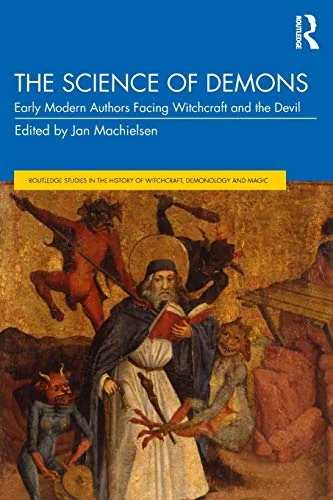
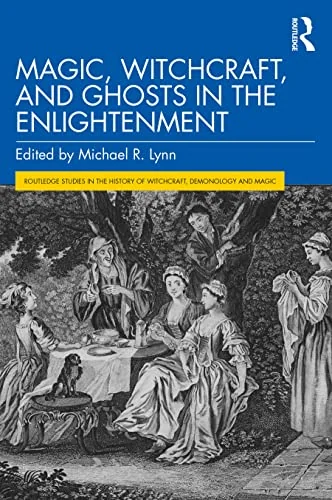
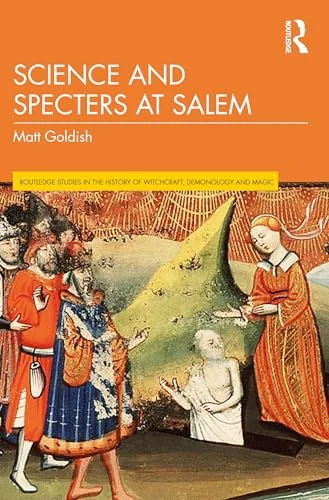
✍️ More books by this author Goodare, Julian; , Voltmer, Rita; , Willumsen, LIV Helene
All books by this author →🏛 Books from this publisher Routledge
All books from this publisher →


 89
89

You might also like
See more →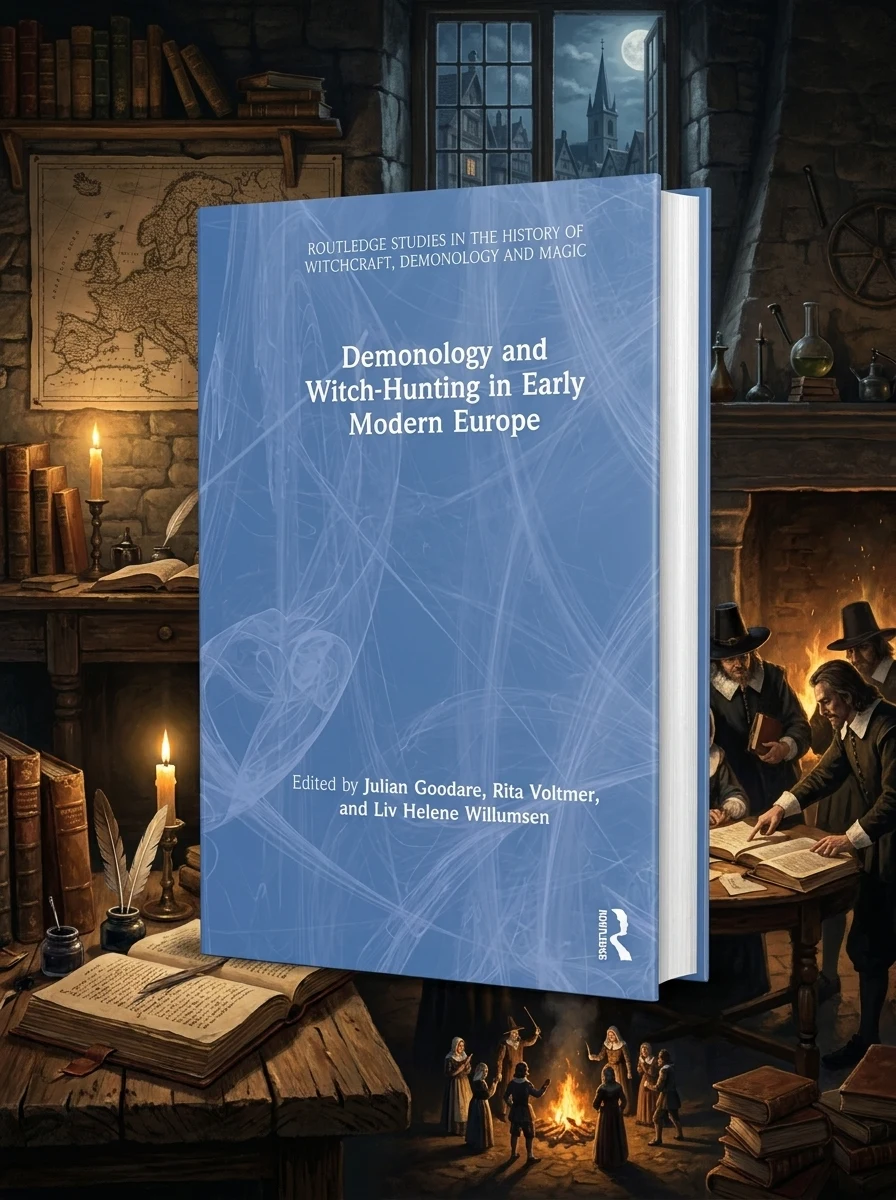
 91
91

 90
90
 90
90
 90
90