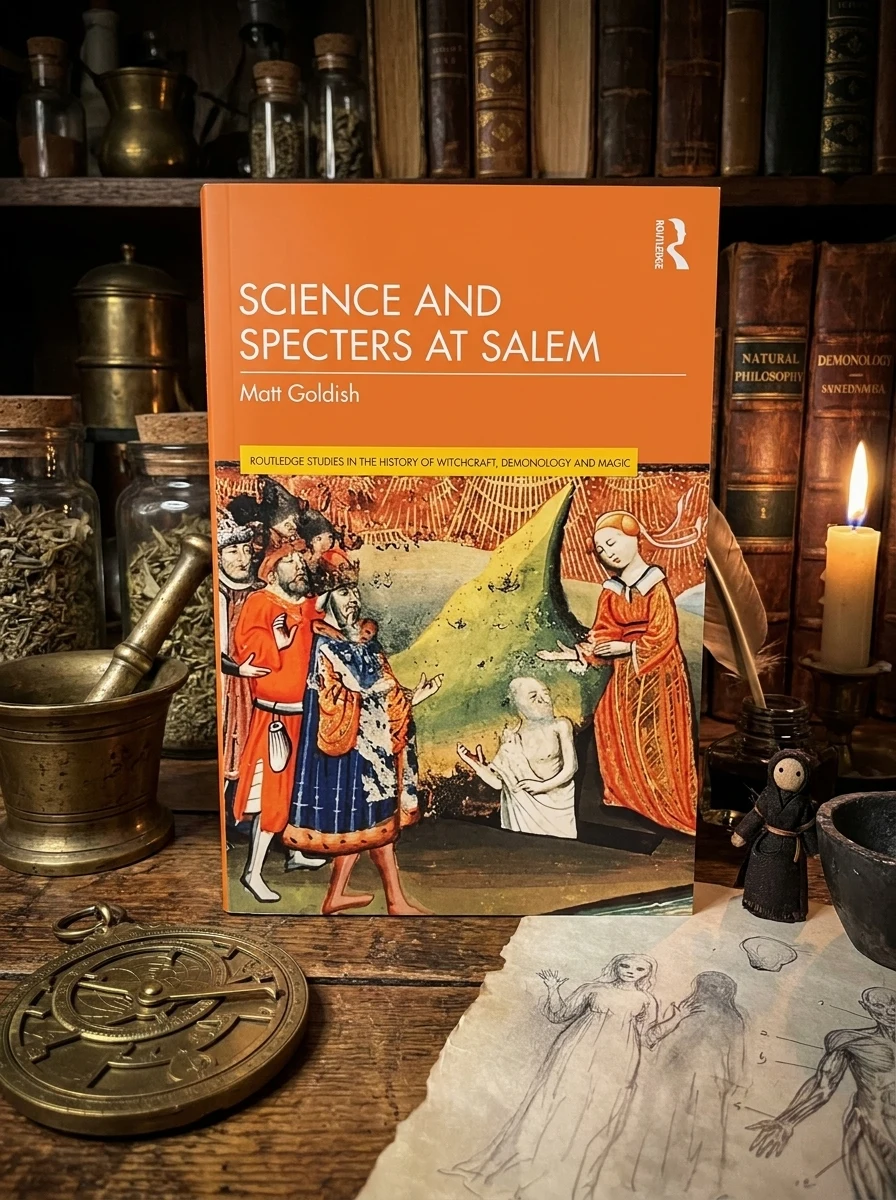
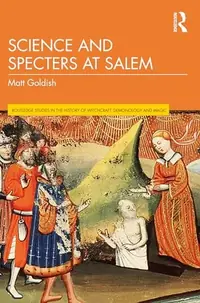
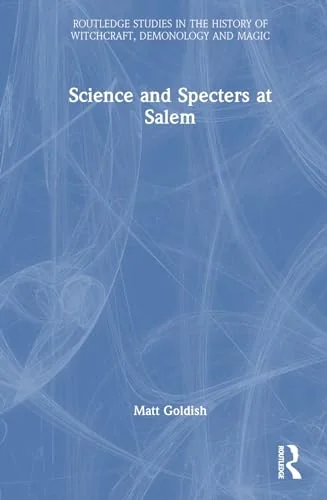
Science and Specters at Salem Goldish, Matt
Goldish, MattStock reported in the catalog; fulfillment is confirmed with your request.
How did elite philosophical beliefs fuel the Salem witch trials' deadly convictions?
Matt Goldish's "Science and Specters at Salem" offers a fresh, intellectual lens on the infamous witch trials, moving beyond social dynamics. It posits that the judges' controversial acceptance of spectral evidence and "touch tests" wasn't arbitrary, but deeply rooted in their philosophical worldview. Goldish introduces the concept of "anti-Sadduceeism," an English intellectual current embraced by figures like Henry More and Joseph Glanvill, whose ideas profoundly influenced several Salem adjudicators. This compelling analysis reveals how sophisticated learned beliefs inadvertently fueled the tragic convictions and executions in colonial Massachusetts.
This work sits at the intersection of intellectual history and occult studies, examining how elite philosophical currents influenced colonial religious practices. It bridges the gap between early modern English metaphysics and American Puritan legal proceedings.


📝 Description: Science and Specters at Salem Goldish, Matt
💎 Expert review
📖 Why choose it
Why this book is worth reading
Readers fascinated by the hidden intellectual architectures behind historical tragedies will find this book indispensable. It appeals to those weary of standard social explanations for the Salem witch trials, offering instead a rigorous look at how sophisticated philosophical beliefs directly fueled deadly convictions. If you are interested in the specific influence of anti-Sadduceeism on colonial adjudicators or wish to understand how figures like Henry More and Joseph Glanvill shaped the minds of Salem judges, this text provides a crucial, nuanced perspective. It is essential for anyone seeking to comprehend the tragic intersection of learned metaphysics and judicial error in early America.
⭐ Reader reviews
Reader rating
Goldish delivers a compelling, albeit academically dense, analysis that recontextualizes the Salem trials through the lens of elite philosophy rather than mere social hysteria. The argument regarding anti-Sadduceeism is intellectually stimulating and offers a fresh perspective on spectral evidence. However, readers seeking a narrative-driven historical account or accessible popular history will likely find this work too specialized and dry. It is best suited for scholars and those with a strong background in early modern intellectual history who can appreciate the intricate connections between English metaphysics and colonial legal outcomes.
❓ Frequently asked questions
📖 Who should read this
If you're fascinated by the Salem witch trials but crave a deeper, more intellectual understanding beyond typical social histories, this book is for you. It's essential for anyone interested in how philosophical currents can tragically shape legal outcomes and historical events.
🎯 Key themes and symbolism
Judges' Intellectual Commitments
This book meticulously explores how the deeply held philosophical beliefs of Salem's judges directly shaped their willingness to accept spectral evidence and other controversial proofs. It reveals that their decisions were not simply emotional reactions but were influenced by specific intellectual traditions concerning the unseen world.
English Philosophical Influence
Goldish introduces the "anti-Sadducee" movement, a significant English philosophical current championed by thinkers like Henry More and Joseph Glanvill. He expertly demonstrates how these ideas, which affirmed the reality of spirits and witchcraft, permeated colonial intellectual circles and ultimately influenced the Salem judiciary's worldview.
Intellectual Roots of Injustice
The work critically examines the paradoxical intersection of emerging scientific thought and entrenched supernatural beliefs in the early modern period. It illustrates how even brilliant minds, associated with figures like Newton and Boyle, could rationalize the seemingly irrational, leading to devastating consequences for those accused of witchcraft.
💬 Quotes from the book
“The acceptance of spectral testimony was not a lapse in logic, but a logical extension of a deeply held philosophical commitment to the reality of the unseen, a commitment shared by some of the era's most esteemed intellectuals.”
“To truly grasp Salem, we must look beyond the village green and into the libraries, where the 'anti-Sadducee' philosophers debated the very nature of spirit and matter, inadvertently setting the stage for colonial legal drama.”
📜 Historical context
📚 Glossary
- Spectral Evidence
- Anti-Sadduceeism
- Touch Test
📔 Questions to reflect on
- How might our contemporary understanding of science and spirituality unknowingly influence current legal or societal judgments, much like the "anti-Sadducee" philosophy did in Salem?
- Reflect on a time when a widely accepted belief, later proven flawed, led to significant consequences. What parallels do you see with the Salem judges' reliance on specific intellectual frameworks?
- Consider the tension between empirical evidence and personal conviction. Where do you draw the line, and how might this line have been perceived differently by early modern intellectuals compared to today?
📖 From the series “Routledge Studies in the History of Witchcraft, Demonology and Magic”
All books in the series →
✍️ More books by this author Goldish, Matt
All books by this author →🏛 Books from this publisher Routledge
All books from this publisher →
 89
89

You might also like
See more →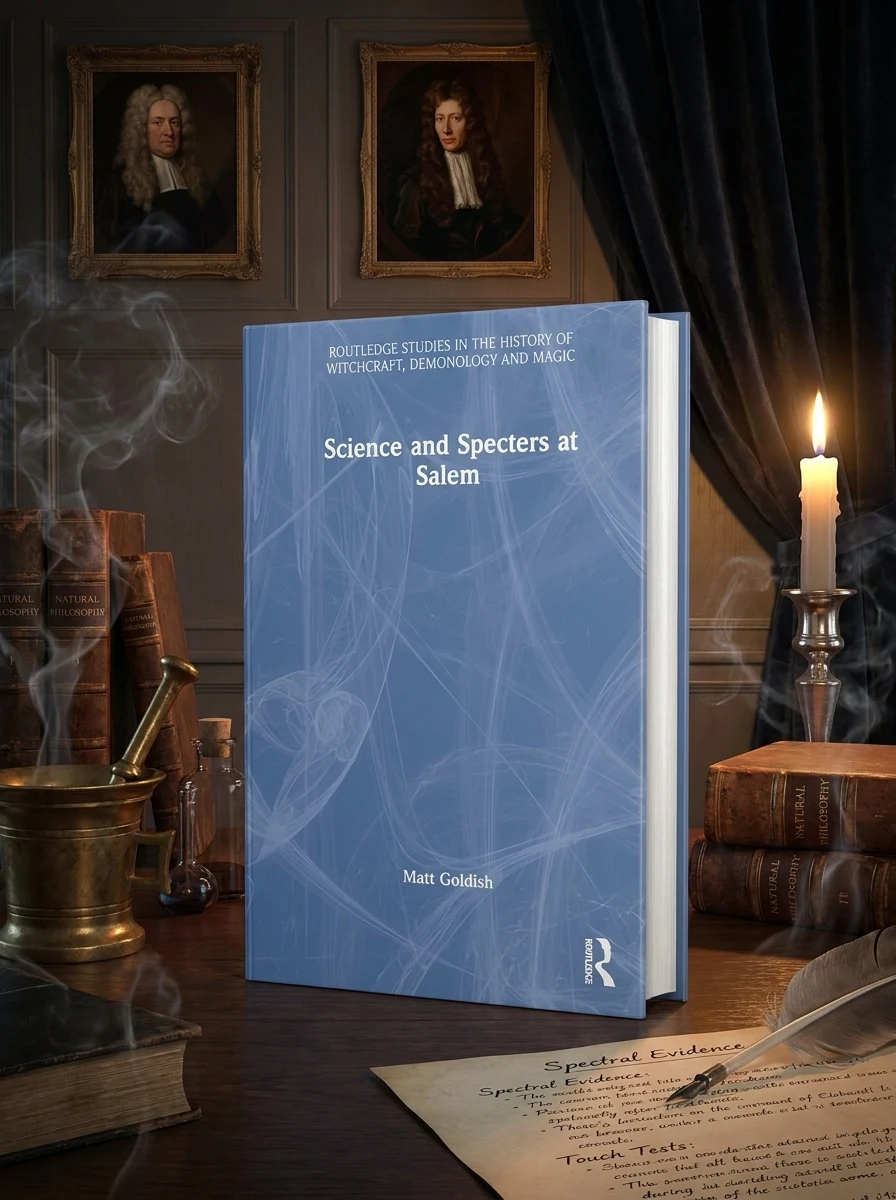 83
83
 91
91
 91
91
 88
88