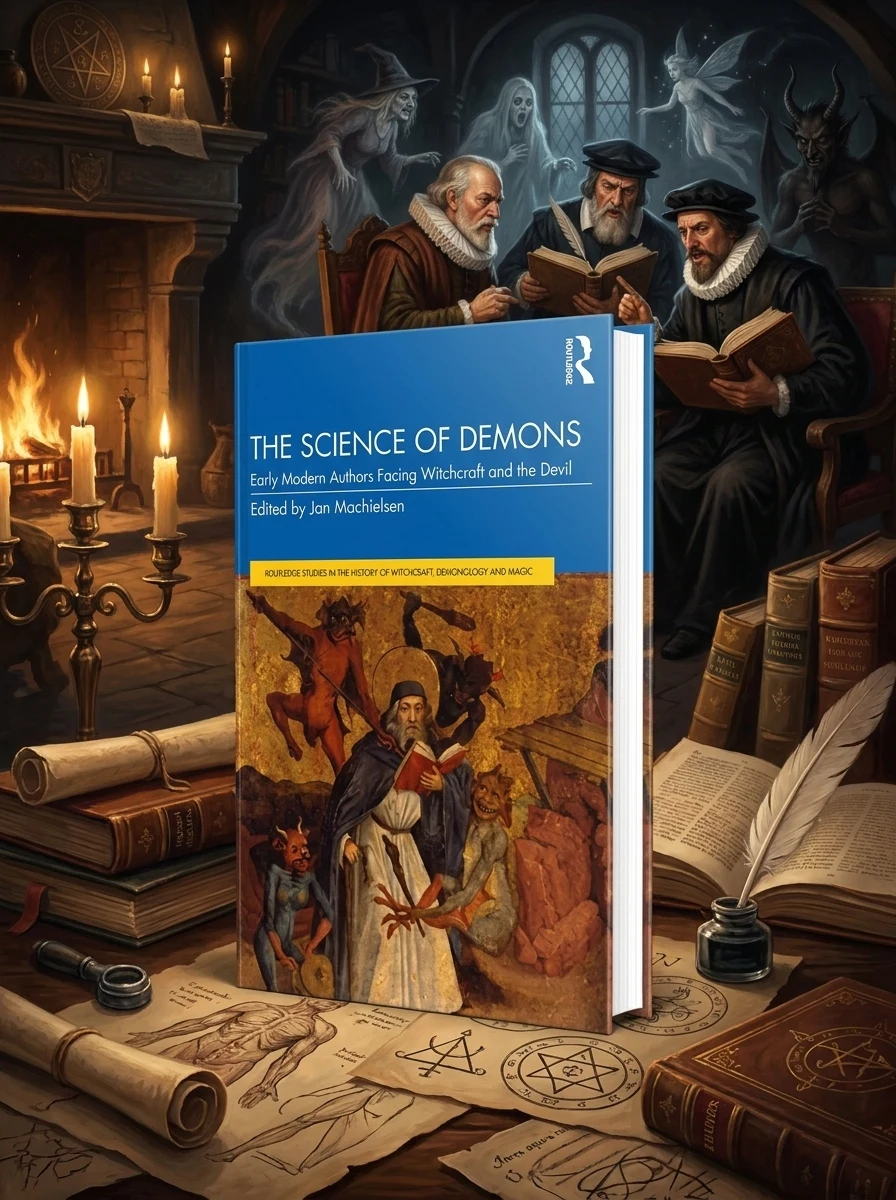
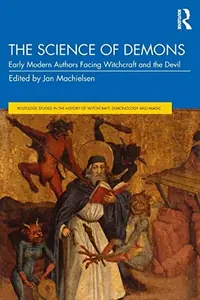
The Science of Demons: Early Modern Authors Facing Witchcraft and the Devil Machielsen, Jan
Machielsen, JanStock reported in the catalog; fulfillment is confirmed with your request.
Dare to explore how Europe wrestled with its demons, literally and intellectually.
This compelling study delves into how early modern European thinkers — including physicians, lawyers, and theologians — grappled with the nature of witchcraft and the Devil. It reveals the profound disagreements and varied interpretations surrounding demonic power, moving beyond simple narratives of fear. By examining individual authors from across the continent, the book traces the evolution of the demonic concept, illustrating how these beliefs shaped societal structures, fueled conflicts against heresy and during the Reformations, and influenced the very identities and careers of those who sought to understand or combat infernal forces.
This work situates itself within the intellectual history of early modern Europe, specifically examining the theological and legal discourses that defined the era's understanding of the supernatural. It explores how scholarly figures navigated the complex intersection of faith, reason, and societal control during a period marked by intense religious reformation and conflict.


📝 Description: The Science of Demons: Early Modern Authors Facing Witchcraft and the Devil Machielsen, Jan
💎 Expert review
📖 Why choose it
Why this book is worth reading
Scholars and enthusiasts of intellectual history will find this text indispensable for its nuanced dismantling of simplistic fear-based narratives surrounding the demonic. By focusing on physicians, lawyers, and theologians, Machielsen offers a fresh perspective on how early modern minds constructed their reality through disagreement and debate rather than uniform belief. Readers interested in the genealogy of modern concepts regarding evil, heresy, and institutional power will appreciate the detailed tracing of how these beliefs influenced societal structures and individual careers. It is particularly valuable for those seeking to understand the profound disagreements that shaped European identity during the Reformation era.
⭐ Reader reviews
Reader rating
Jan Machielsen provides a rigorous academic analysis that may feel dense to casual readers or those seeking sensationalist accounts of witchcraft trials. This book is not suited for individuals looking for practical magical techniques or lighthearted folklore; it demands engagement with historical theology and legal theory. However, for those willing to navigate the complex intellectual landscape of early modern authors, it offers a rewarding clarification of how demonic concepts were actively debated rather than merely feared. It serves as a crucial corrective to popular misconceptions, though its scholarly tone may alienate readers expecting a narrative-driven history.
❓ Frequently asked questions
📖 Who should read this
If you're fascinated by the history of ideas, the interplay of religion and science, or the dark currents of early modern European thought, this book is for you. It offers a sophisticated look at how societies construct and confront their deepest fears.
🎯 Key themes and symbolism
The Evolving Devil
Machielsen meticulously charts the transformation of the Devil from a figure making tangible pacts in the 14th century to the more complex, systematic demonologies that emerged by the 17th century. This evolution was not linear but marked by intense intellectual and theological debates that ultimately fueled the deadliest phase of European witch-hunting.
Societal Impact
The book explores how belief in the demonic profoundly influenced early modern European society. It details how careers were forged, identities shaped, and social conflicts ignited through engagement with, or opposition to, the perceived power of the Devil and his agents. The 'science' of demons was deeply intertwined with social and political realities.
Intellectual Battleground
This work highlights the bitter intellectual struggles among various learned professions — from jurists to physicians to clergy — as they sought to define the reality, limits, and implications of demonic activity. Their differing answers to questions about the Devil's influence underscore a rich, contentious intellectual landscape, reflecting diverse cultural and religious contexts.
💬 Quotes from the book
“The intellectual gymnastics performed to categorize and constrain the demonic reveal more about human anxieties than about infernal machinations.”
“Whether a physical entity or a psychological projection, the Devil served as a potent cultural tool, deployed in battles both theological and temporal.”
📜 Historical context
📚 Glossary
- Demonology
- Witch-hunting
- Reformation
📔 Questions to reflect on
- How might the 'scientific' pursuit of understanding demons reflect broader shifts in European thought during the early modern period?
- Consider how the differing views of the demonic outlined in the book could have shaped individual lives and collective fears in historical communities.
- Reflect on how modern society constructs and confronts its own 'demons,' whether psychological, social, or political, compared to the historical approaches discussed.
📖 From the series “Routledge Studies in the History of Witchcraft, Demonology and Magic”
All books in the series →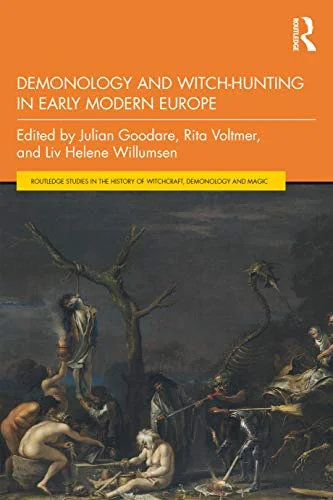
✍️ More books by this author Machielsen, Jan
All books by this author →
🏛 Books from this publisher Routledge
All books from this publisher →


 89
89

You might also like
See more →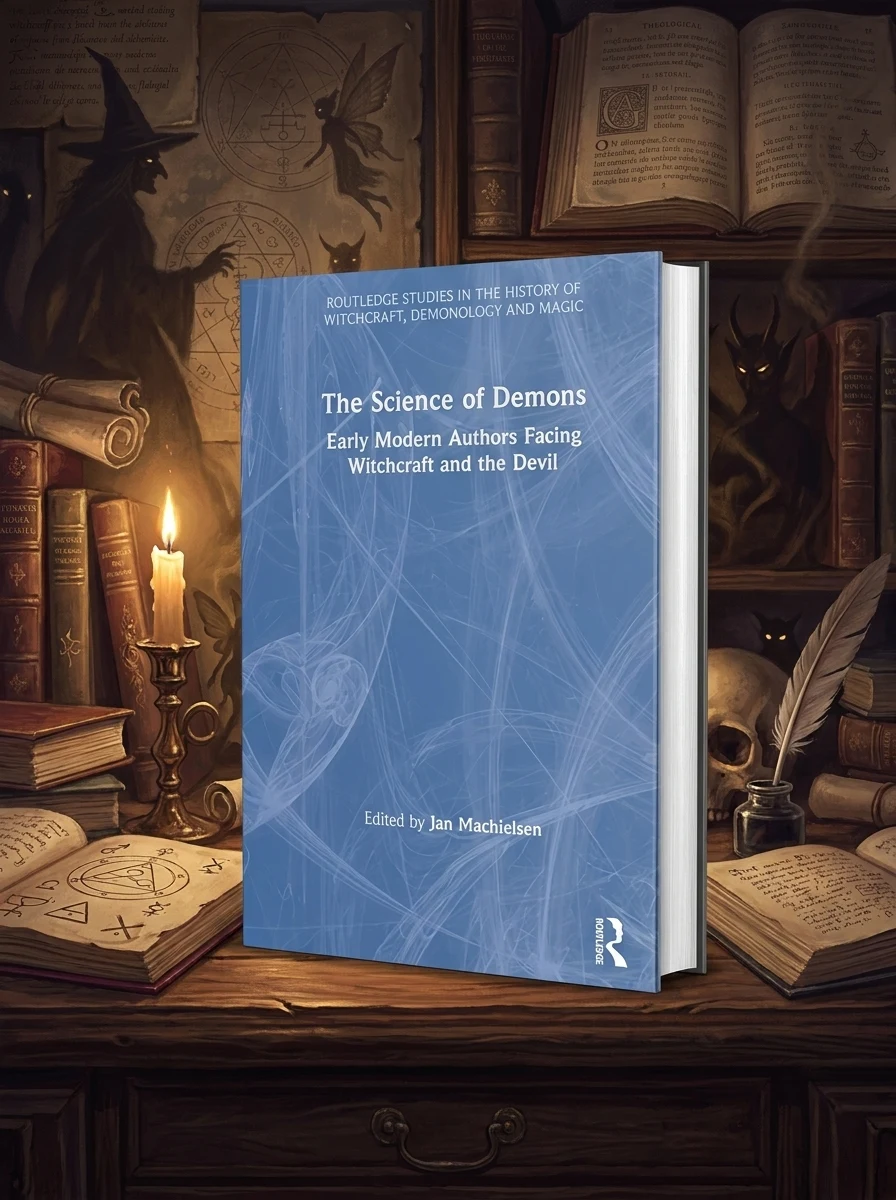
 81
81
 91
91

 90
90
 90
90