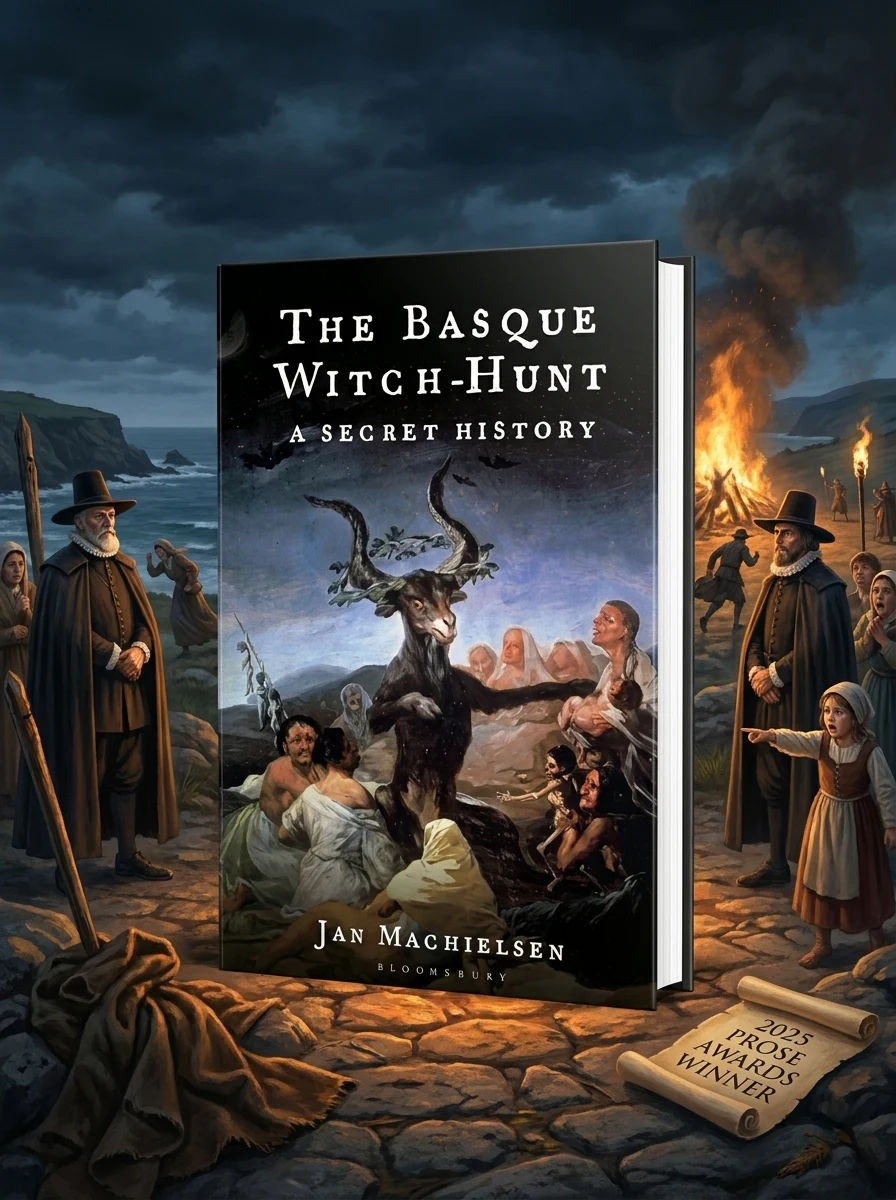
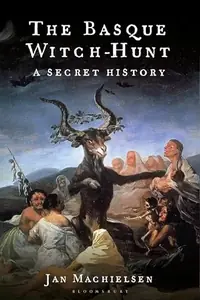
The Basque Witch-Hunt: A Secret History
Machielsen, JanStock reported in the catalog; fulfillment is confirmed with your request.
Unearth the dark truth behind France's most infamous witch-hunt, concealed for centuries.
Step beyond the sensationalized accounts and discover the real story of the 1609 Basque witch-hunt. For too long, the narrative has centered on a bigoted judge imposing terror from outside. This groundbreaking work, drawing on newly uncovered evidence, reveals a far more complex and chilling truth: the panic was deeply rooted in local conflicts, resource struggles, and internal factionalism within the Pays de Labourd. Machielsen meticulously reconstructs how homegrown tensions, not just external imposition, ignited France's largest witch-hunt, leading to the brutal execution of dozens and sending shockwaves into Spain.
This work situates itself within the historiography of early modern European witch-hunts, challenging traditional narratives by focusing on local socio-political dynamics rather than solely external judicial imposition. It contributes to the broader scholarly discourse on the intersection of resource struggle and religious persecution in the Pays de Labourd.


📝 Description: The Basque Witch-Hunt: A Secret History
💎 Expert review
📖 Why choose it
Why this book is worth reading
Readers seeking a nuanced understanding of historical trauma will find this book invaluable. It moves beyond sensationalism to reveal how internal factionalism and resource conflicts ignited terror, offering a fresh perspective on the Basque witch-hunt. Those interested in the mechanics of mass panic and the role of local communities in perpetuating injustice will gain deep insight here. It is essential for historians and sociologists who wish to understand the complex roots of persecution rather than accepting simplified accounts of external oppression.
⭐ Reader reviews
Reader rating
Machielsen delivers a rigorous, evidence-based reconstruction that dismantles the myth of the lone bigoted judge. However, this academic depth may alienate casual readers seeking narrative flair or simple moral clarity. It is not suitable for those expecting sensationalist gore or lightweight storytelling. The text demands patience and an interest in socio-political analysis over dramatic retelling. Readers who prefer straightforward historical summaries might find the intricate detailing of local tensions dense and unengaging, making it a specialized tool rather than a general pleasure read.
❓ Frequently asked questions
📖 Who should read this
If you're captivated by the untold stories behind historical events, or seek a deeper understanding of the social complexities that fueled European witch-hunts, this book is essential. It's for readers who appreciate rigorous scholarship and a revisionist perspective on occult history.
🎯 Key themes and symbolism
Local Roots of Panic
This book dismantles the long-held belief that the Basque witch-hunt was solely an external imposition. Instead, it meticulously uncovers how pre-existing local conflicts, social tensions, and a struggle over scarce resources within the Pays de Labourd were crucial catalysts, fueling the panic from within the community itself.
Challenging Historical Narratives
The work critically re-examines the historical record, particularly the influential but biased account of Judge Pierre de Lancre. By presenting newly discovered evidence, the author exposes how de Lancre's sensationalist writings shaped centuries of understanding, and offers a radically different, more nuanced perspective on the events.
Power of Judicial Bias
Machielsen highlights how the preconceived notions and judicial processes of the time, exemplified by figures like de Lancre, could not only condemn individuals but also warp the historical understanding of events. The book dissects how a judge's personal narrative became the dominant lens through which an entire region's tragedy was viewed.
💬 Quotes from the book
“For centuries, the tale has been of the foreign judge's bigotry unleashing terror upon an innocent populace, a simple narrative of good versus evil.”
“The true horror lay not just in external judgment, but in the festering resentments and desperate conflicts within the community itself, a self-inflicted wound.”
📜 Historical context
📚 Glossary
- Pays de Labourd
- Pierre de Lancre
- Witch-hunt
📔 Questions to reflect on
- How does a revised understanding of history, particularly one that reveals internal community strife, challenge our perceptions of justice and blame in past atrocities?
- Consider the power of a single, influential account (like de Lancre's) to shape public memory. How might similar dynamics influence historical narratives today?
- The source mentions children as witnesses. Reflect on the ethical complexities and historical impact of child testimony in highly charged legal and social contexts.
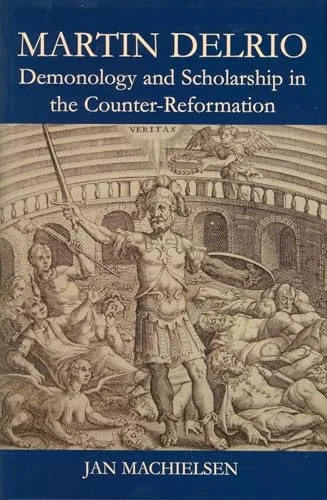
✍️ More books by this author Machielsen, Jan
All books by this author →
🏛 Books from this publisher Bloomsbury Academic
All books from this publisher →
You might also like
See more →

 91
91