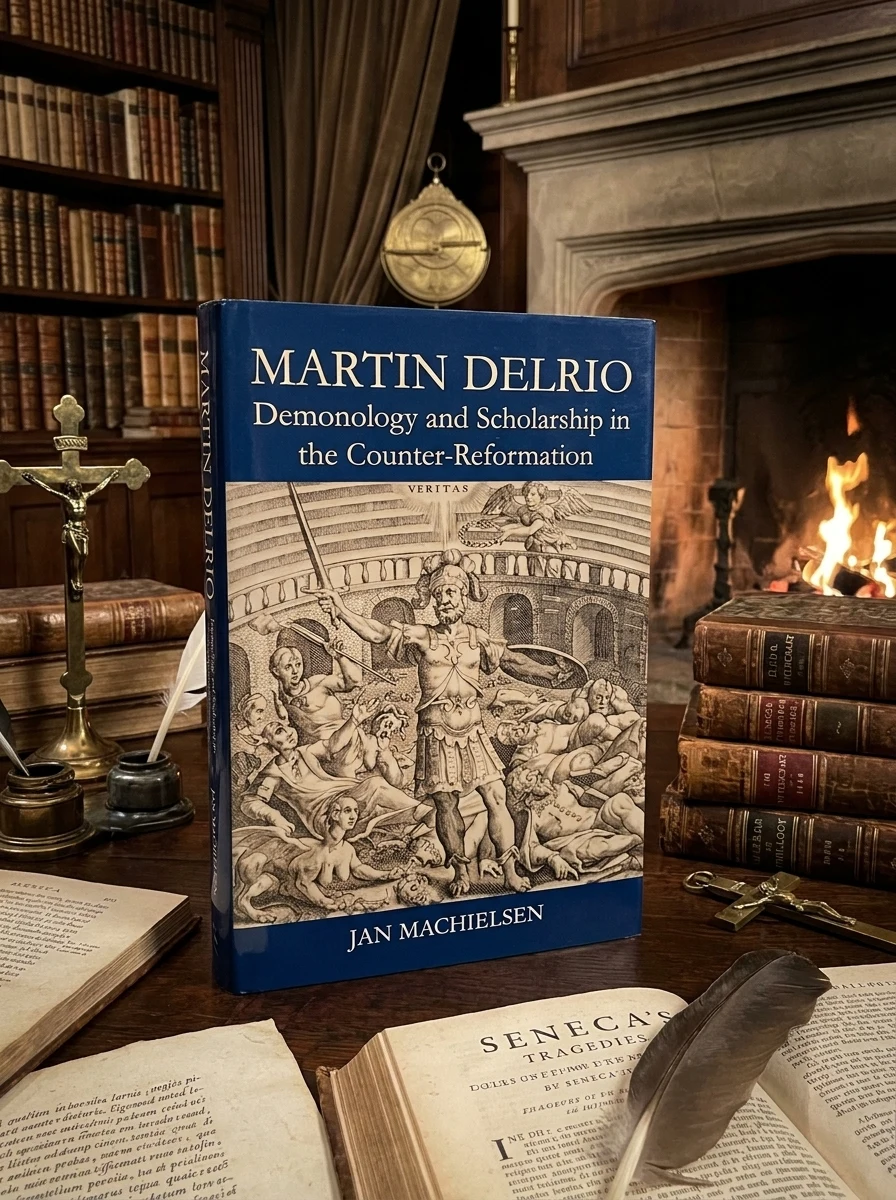
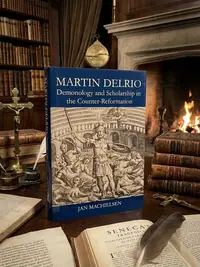
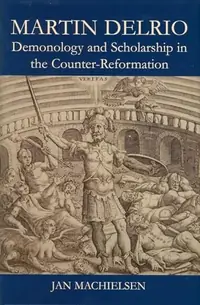
Martin Delrio: Demonology and Scholarship in the Counter-Reformation Machielsen, Jan
Machielsen, Jan 91
91
 Editorial score
How we rate
Editorial score
How we rate
Stock reported in the catalog; fulfillment is confirmed with your request.
Unearth the multifaceted mind of a Jesuit scholar who shaped both demonology and classical studies.
Jan Machielsen's insightful volume resurrects the often-overlooked intellectual legacy of Martin Delrio, beyond his infamous *Disquisitiones magicae*. This book meticulously traces Delrio's significant contributions as a philologist and editor of classical texts, highlighting his pivotal role within the Republic of Letters. It reveals how this Counter-Reformation figure, through his theological and scholarly works, influenced the intellectual and religious currents of his era. Machielsen recontextualizes Delrio, presenting him as a key player in early modern cultural and intellectual history, rather than merely a demonographer.
This volume situates Martin Delrio within the intellectual currents of the Counter-Reformation and the early modern Republic of Letters, bridging the gap between theological demonography and classical philology.


📝 Description: Martin Delrio: Demonology and Scholarship in the Counter-Reformation Machielsen, Jan
💎 Expert review
📖 Why choose it
Why this book is worth reading
Scholars of early modern history and theology will find this work indispensable for understanding the complex intersection of faith and classical learning. Jan Machielsen offers a vital corrective to the reductive view of Martin Delrio as merely a demonographer, revealing instead his profound role as a philologist and editor within the Republic of Letters. Readers interested in how Counter-Reformation figures navigated intellectual currents will appreciate this nuanced portrait. It is essential for those seeking to grasp how classical studies influenced religious thought during this pivotal era, providing depth to our understanding of Delrio's multifaceted legacy beyond his infamous *Disquisitiones magicae*.
⭐ Reader reviews
Reader rating
Machielsen provides a rigorous academic resurrection of Martin Delrio’s intellectual legacy, meticulously detailing his contributions to philology and classical text editing. This is a dense, scholarly reconstruction that demands patience from the reader. It does not suit casual readers seeking sensational accounts of demons or simple biographical narratives. Those looking for accessible popular history may find the focus on Delrio’s role in the Republic of Letters too specialized. However, for historians of religion and classical studies, it offers a crucial recontextualization of a key Counter-Reformation figure, demonstrating how theological and scholarly works influenced early modern cultural currents.
❓ Frequently asked questions
📖 Who should read this
If you're captivated by the intersection of occult history, religious studies, and early modern scholarship, this book is essential. It offers a nuanced portrait for those interested in the Counter-Reformation, the history of witchcraft, or the broader intellectual currents of the 16th century.
🎯 Key themes and symbolism
Demonology's Scholarly Roots
This study delves into Delrio's monumental *Disquisitiones magicae*, analyzing it not as a standalone work of superstition, but as a product of rigorous Jesuit scholarship within the Counter-Reformation. It explores how Delrio synthesized theological, legal, and philosophical arguments to construct a comprehensive treatise on witchcraft, reflecting the intellectual anxieties and orthodoxies of his time.
Counter-Reformation Intellectualism
The book positions Delrio as a significant intellectual force during the Counter-Reformation. It showcases how his writings, including his demonological work, served to define and reinforce Catholic doctrine against Protestant challenges. His contributions illustrate the proactive engagement of Jesuit scholars in shaping the religious and cultural landscape of 16th and 17th-century Europe.
Early Modern Polymathy
Beyond demonology, Machielsen reveals Delrio's extensive philological achievements, particularly his critical editions of Senecan tragedy. This aspect highlights Delrio's participation in the vibrant intellectual exchanges of the Republic of Letters, placing him alongside contemporaries like Justus Lipsius. It underscores the breadth of knowledge expected from scholars in the early modern period.
💬 Quotes from the book
“Machielsen meticulously reconstructs the intellectual milieu that not only permitted but demanded a work like the 'Disquisitiones magicae' from a scholar of Delrio's caliber.”
“The true genius of Delrio, as this volume argues, lies not solely in his theological condemnations but in the rigorous philological methods he applied across all his scholarly endeavors.”
📜 Historical context
📚 Glossary
- Counter-Reformation
- Republic of Letters
- Philology
📔 Questions to reflect on
- How does understanding the wider scholarship of figures like Delrio change our perception of the 'witchcraft craze' of the early modern period?
- Consider the tension between rigorous classical scholarship and fervent religious orthodoxy in the Counter-Reformation. How did Delrio navigate these seemingly disparate intellectual worlds?
- Reflect on how historical figures, once celebrated, can be re-evaluated and sometimes diminished by later generations due to changing societal attitudes, as seen with Delrio.
You might also like
See more →
 91
91