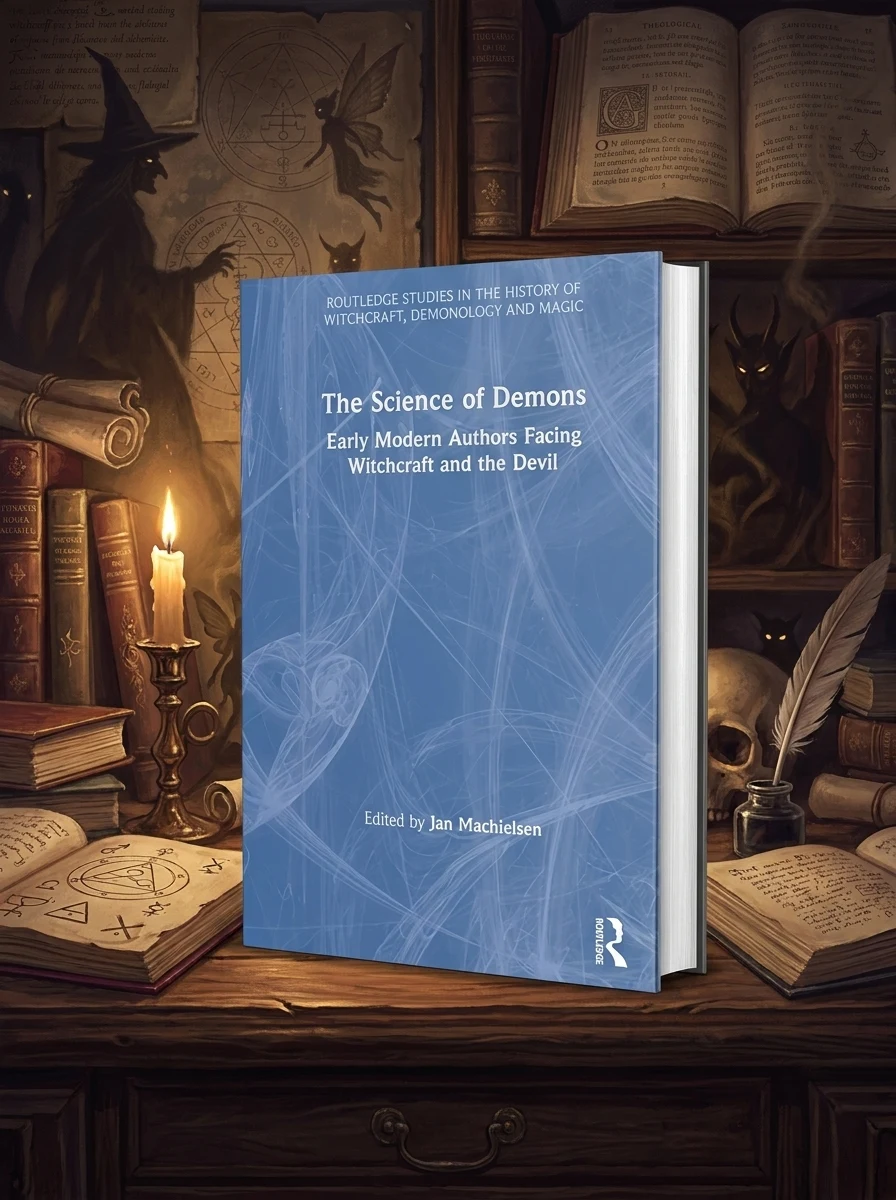
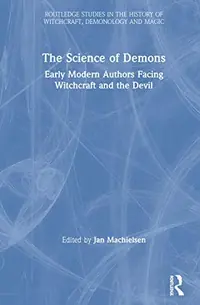
The Science of Demons: Early Modern Authors Facing Witchcraft and the Devil Machielsen, Jan
Machielsen, Jan 81
81
 Editorial score
How we rate
Editorial score
How we rate
Stock reported in the catalog; fulfillment is confirmed with your request.
Explore how early modern Europe grappled with the very real science of the demonic.
Delve into the complex intellectual landscape of early modern Europe, where scholars, jurists, and clerics fiercely debated the nature and reality of demonic influence. This volume meticulously traces the evolution of the devil as a cultural and theological construct, from his menacing manifestation in the 14th century to the peak of witch-hunt hysteria. Discover how individuals forged identities and professional paths through their engagement with, or opposition to, the perceived power of infernal forces, revealing the diverse ways humanity confronted the supernatural.
This academic work situates itself within the intellectual history of early modern Europe, examining the theological and legal frameworks that defined demonic reality during the peak of witch-hunt hysteria.


📝 Description: The Science of Demons: Early Modern Authors Facing Witchcraft and the Devil Machielsen, Jan
💎 Expert review
📖 Why choose it
Why this book is worth reading
Scholars and serious enthusiasts of esoteric history will find this volume indispensable for understanding the complex intellectual landscape that shaped early modern views on the supernatural. Jan Machielsen offers a meticulous tracing of how scholars, jurists, and clerics debated the nature of demonic influence, revealing the devil as a constructed cultural entity rather than a mere myth. Readers interested in the intersection of theology, law, and identity formation during this turbulent period will appreciate the depth of analysis regarding how individuals engaged with or opposed infernal forces. It provides a rigorous foundation for anyone seeking to move beyond sensationalist narratives and grasp the serious, scientific approach early modern authors applied to witchcraft and demonic power.
⭐ Reader reviews
Reader rating
This text serves as a dense, scholarly examination of the theological and legal debates surrounding demonic influence in early modern Europe. While it offers valuable insights into how the devil evolved as a cultural construct, its academic tone and focus on juristic and clerical perspectives may alienate casual readers seeking accessible narratives or practical occult knowledge. It is not suited for those looking for entertaining ghost stories or simple guides to witchcraft practices. Instead, it demands patience from readers comfortable with historical analysis and theological discourse. Those expecting a light read or a romanticized view of the supernatural will likely find this work too dry and intellectually demanding for their tastes.
❓ Frequently asked questions
📖 Who should read this
If you're fascinated by the intersection of history, theology, and the macabre, or curious about the intellectual battles that shaped early modern Europe, this book offers profound insights. Essential for anyone seeking to understand the historical roots of our perceptions of evil.
🎯 Key themes and symbolism
Evolution of Demonic Concepts
This book charts the shifting understanding of the devil and his agents across centuries, detailing how his perceived form and capabilities transformed from a pact-making entity in the late medieval period to a central figure in the intense demonological treatises of the witch-hunting era.
Scholarly Conflict & Identity
It highlights the profound intellectual clashes among Europe's leading minds—doctors, jurists, and theologians—as they grappled with demonic phenomena. The text reveals how these debates were not just academic, but foundational to personal and professional identities, shaping lives and reputations.
Social Impact of Belief
The work explores the pervasive presence of the demonic in daily life, illustrating how beliefs influenced social structures, legal proceedings, and religious reforms. It examines the devastating consequences of these convictions, particularly during periods of intense religious upheaval and the peak of European witch trials.
💬 Quotes from the book
“The infernal adversary, far from a static theological construct, underwent profound redefinition through the medieval and early modern periods, adapting to and shaping human anxieties.”
“Across the diverse intellectual arenas of the era, the question of demonic agency ignited fervent, often acrimonious, debates among physicians, jurists, and theologians alike.”
📜 Historical context
📚 Glossary
- Demonology
- Reformation
- Early Modern Period
📔 Questions to reflect on
- How might our modern understanding of psychological phenomena be informed by early modern beliefs about demonic possession or influence?
- Consider a historical period or culture you know. How might the concept of a central 'adversary' have shaped its social structures or intellectual discourse?
- Reflect on how professional identities today are still sometimes forged through conflict or intellectual debate, much like the demonologists of the past.
📖 From the series “Routledge Studies in the History of Witchcraft, Demonology and Magic”
All books in the series →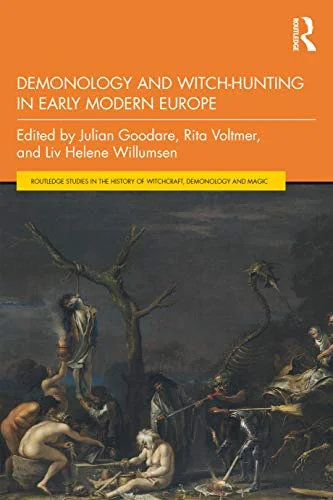
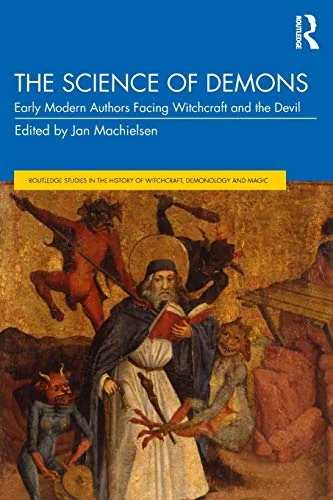
✍️ More books by this author Machielsen, Jan
All books by this author →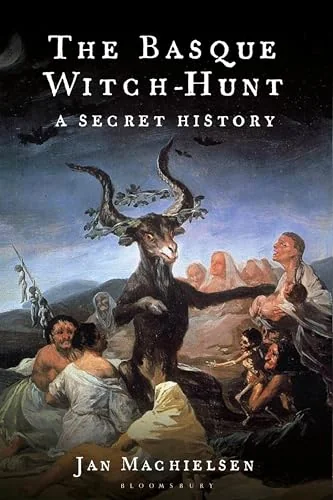
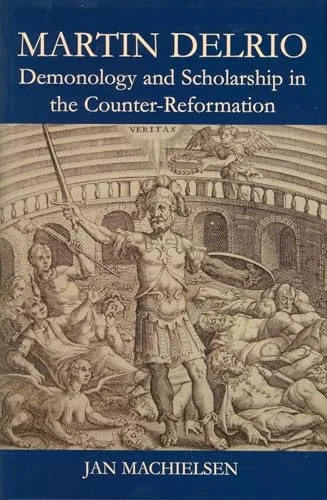
🏛 Books from this publisher Routledge
All books from this publisher →


 89
89

You might also like
See more →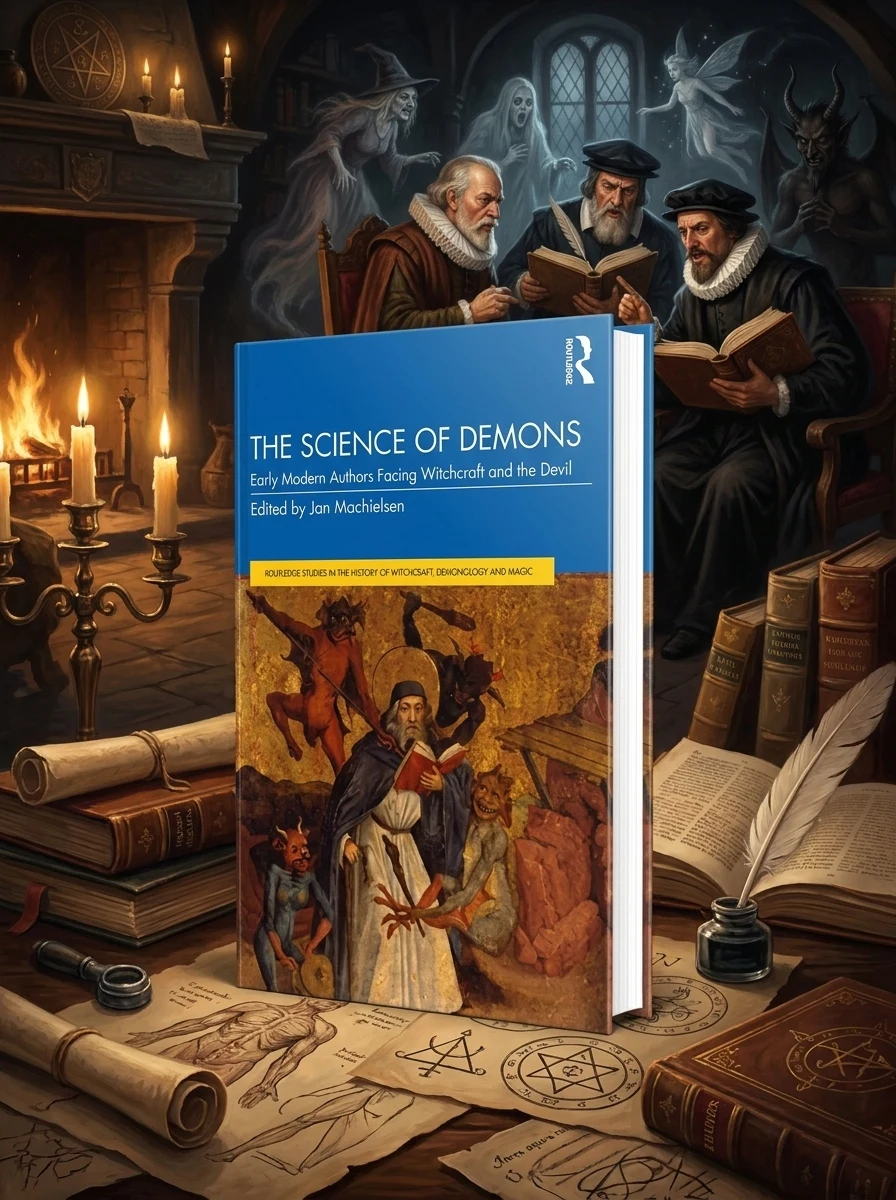
 81
81
 91
91
 90
90
 90
90