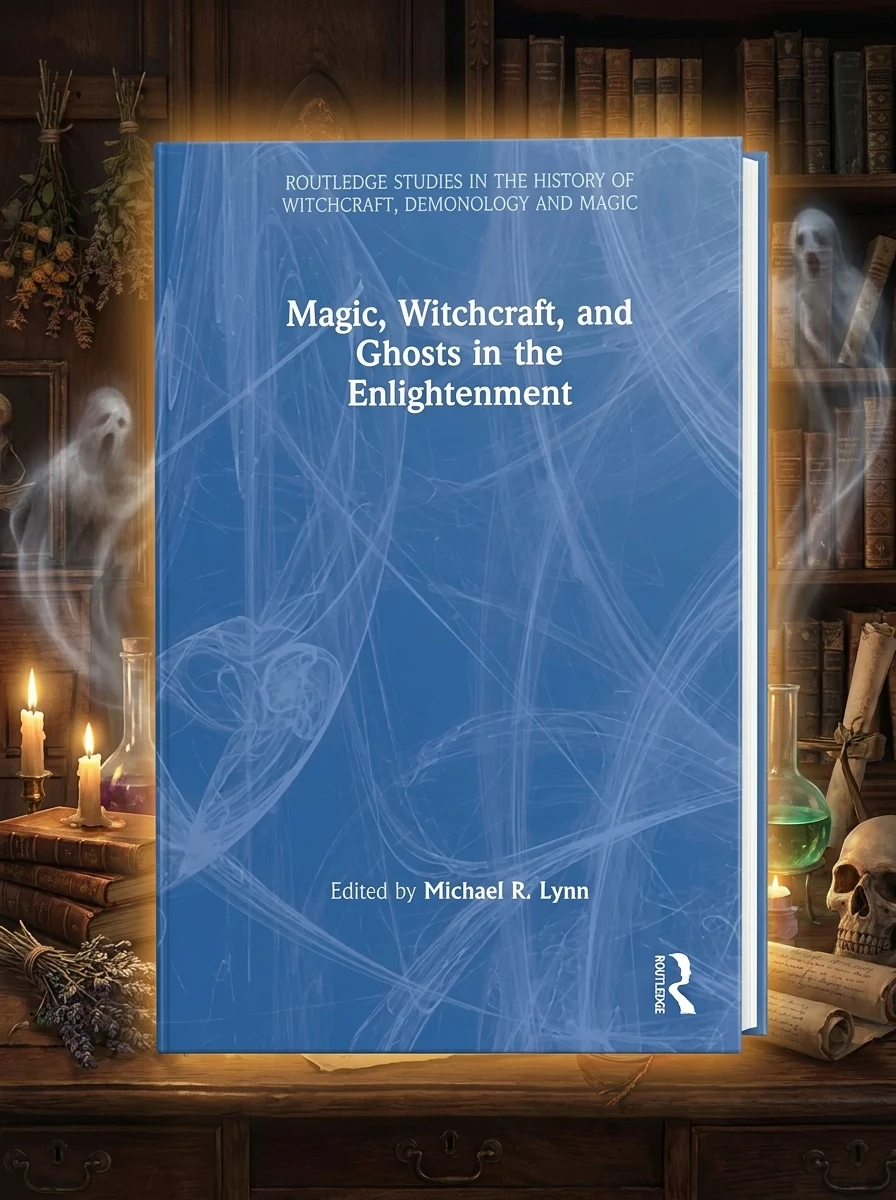
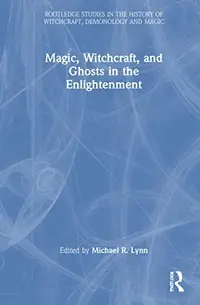
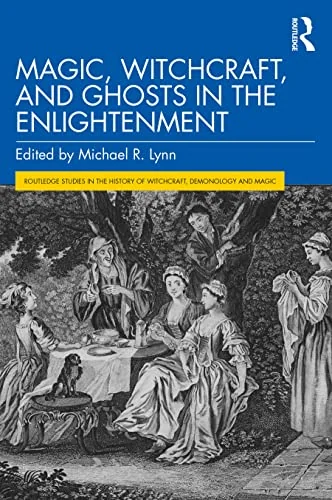
Magic, Witchcraft, and Ghosts in the Enlightenment Lynn, Michael R
Lynn, Michael R 82
82
 Editorial score
How we rate
Editorial score
How we rate
Stock reported in the catalog; fulfillment is confirmed with your request.
Uncover the hidden enchantments that thrived even amidst the Age of Reason.
Michael R. Lynn's compelling study dismantles the myth of a purely rational Enlightenment, revealing the enduring presence and influence of magic, witchcraft, and spectral encounters throughout the 17th and 18th centuries. This meticulously researched volume illuminates how these "supernatural" phenomena weren't merely relegated to the uneducated but actively shaped intellectual discourse, social anxieties, and cultural practices. It offers a fresh perspective, demonstrating that the pursuit of reason did not eradicate the mystical, but rather transformed its manifestations and interpretations, proving that the age of light still harbored its shadows.
This work challenges the conventional narrative of the Enlightenment as a purely rational era by highlighting the persistent influence of magic and witchcraft in 17th- and 18th-century intellectual discourse.


📝 Description: Magic, Witchcraft, and Ghosts in the Enlightenment Lynn, Michael R
💎 Expert review
📖 Why choose it
Why this book is worth reading
Readers fascinated by the intersection of history and mysticism will find this book essential for understanding how the Age of Reason coexisted with supernatural beliefs. Michael R. Lynn offers a fresh perspective, showing that rationality did not erase the mystical but transformed it. Those interested in social anxieties, cultural practices, and the hidden shadows of historical intellectual discourse will gain valuable insights into how these phenomena shaped society beyond mere superstition.
⭐ Reader reviews
Reader rating
Lynn’s meticulously researched volume provides a compelling dismantling of the myth that the Enlightenment was devoid of enchantment. It is an excellent resource for scholars and enthusiasts who appreciate nuanced historical analysis and cultural studies. However, readers seeking straightforward narratives about witchcraft trials or those expecting purely magical practice manuals may find its academic focus on intellectual discourse and social interpretation less engaging. It requires patience for detailed argumentation rather than sensational storytelling.
❓ Frequently asked questions
📖 Who should read this
If you've ever questioned the tidy narrative of a purely rational 18th century, this book is for you. Dive into a world where reason and enchantment coexist, offering profound insights for historians, occult enthusiasts, and anyone fascinated by the hidden currents of human belief.
🎯 Key themes and symbolism
Enduring Magical Beliefs
This work challenges the common assumption that the Enlightenment purged society of magical thinking. Instead, it meticulously details how practices like divination, spellcasting, and the belief in otherworldly forces continued to shape daily life and even intellectual circles, demonstrating their resilience against the rising tide of rationalism.
Reason's Shadowy Counterpart
Lynn explores the inherent tension between the era's pursuit of scientific understanding and the simultaneous fascination with the unexplained. It highlights how figures of the Enlightenment grappled with, dismissed, or sometimes even engaged with concepts of witchcraft and ghosts, revealing a more complex and nuanced intellectual landscape than often portrayed.
Ghosts in the Academy
The book examines how beliefs in spirits and hexes weren't confined to peasant folklore but permeated all levels of society. It shows how these phenomena influenced literature, art, philosophy, and even scientific inquiry, underscoring their profound cultural and psychological impact on the burgeoning modern world.
💬 Quotes from the book
“The ghost in the drawing-room, the charm in the countryside, and the hex in the courtroom were not anachronisms, but active participants in the Enlightenment's complex tapestry.”
“To understand the Age of Reason fully, we must first acknowledge the shadows it cast and the spirits it wrestled with, both literally and figuratively.”
📜 Historical context
📚 Glossary
- Enlightenment
- Long Eighteenth Century
- Mysticism
📔 Questions to reflect on
- How does understanding the persistence of magical beliefs in the Enlightenment challenge your previous perceptions of the era?
- In what ways do you see remnants of "magical thinking" or supernatural beliefs influencing contemporary rational societies?
- If reason was meant to dispel these phenomena, what does their enduring presence tell us about human nature and our need for the inexplicable?
📖 From the series “Routledge Studies in the History of Witchcraft, Demonology and Magic”
All books in the series →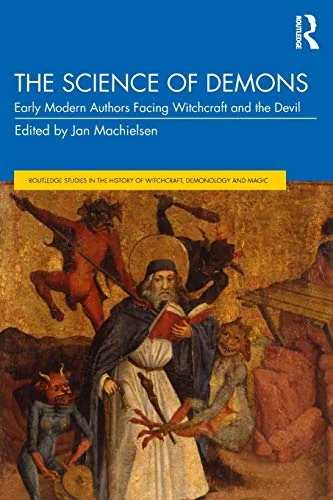
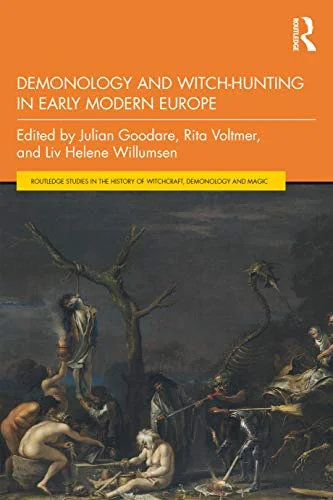
✍️ More books by this author Lynn, Michael R
All books by this author →🏛 Books from this publisher Routledge
All books from this publisher →
 89
89
You might also like
See more →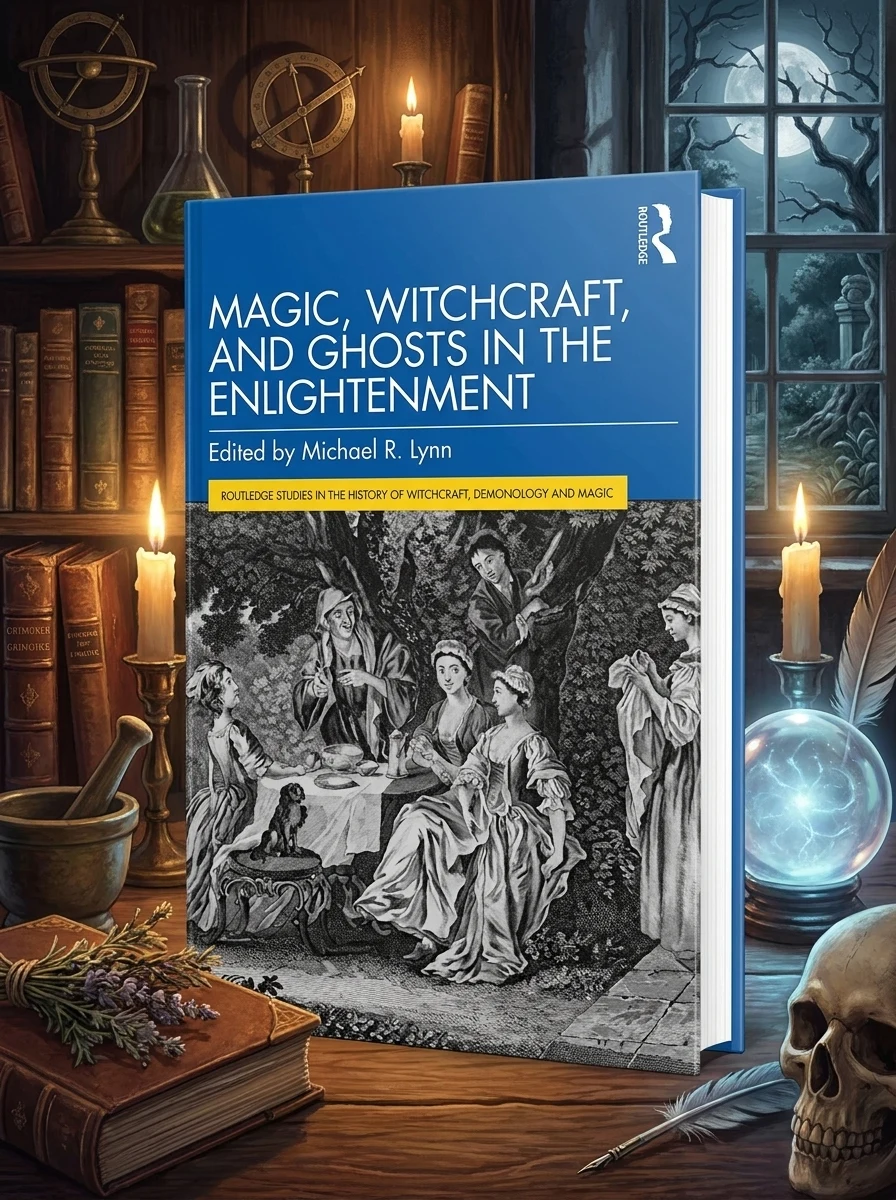
 91
91
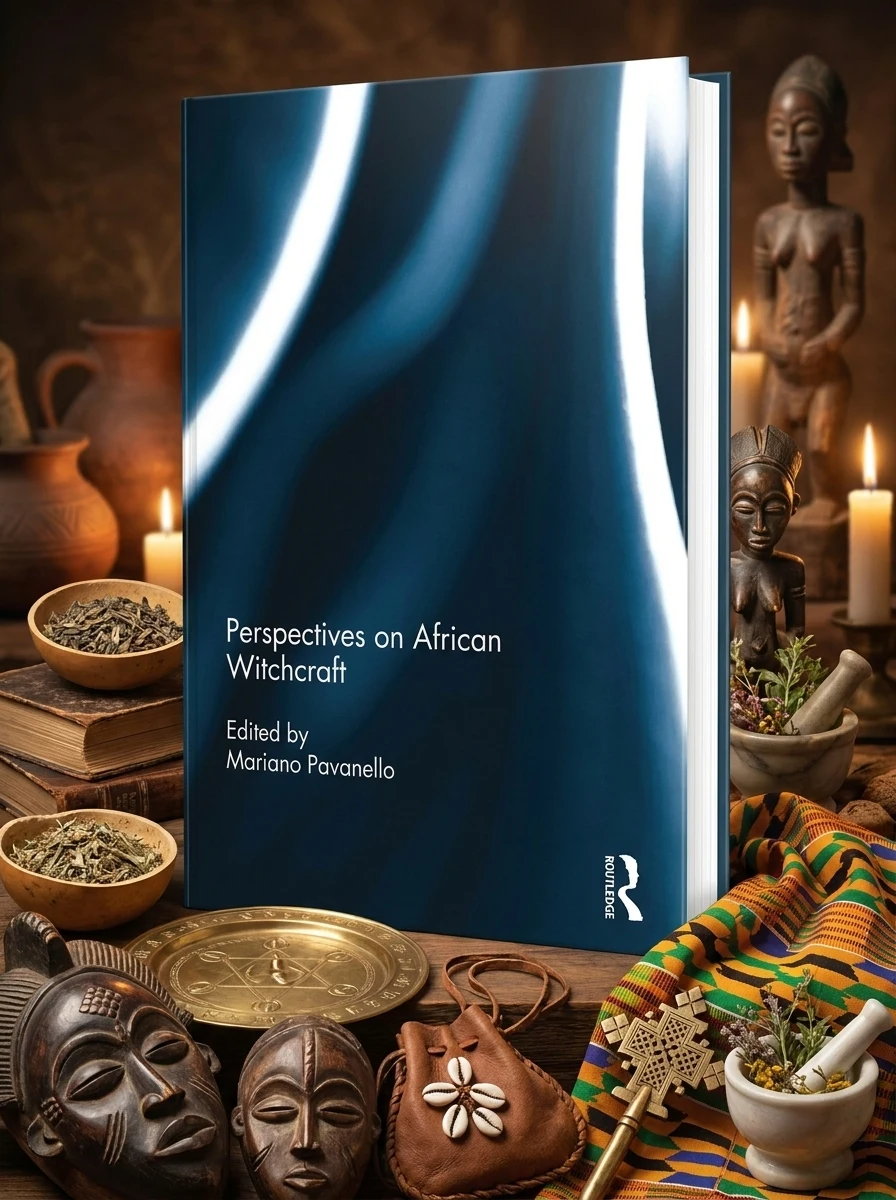 90
90
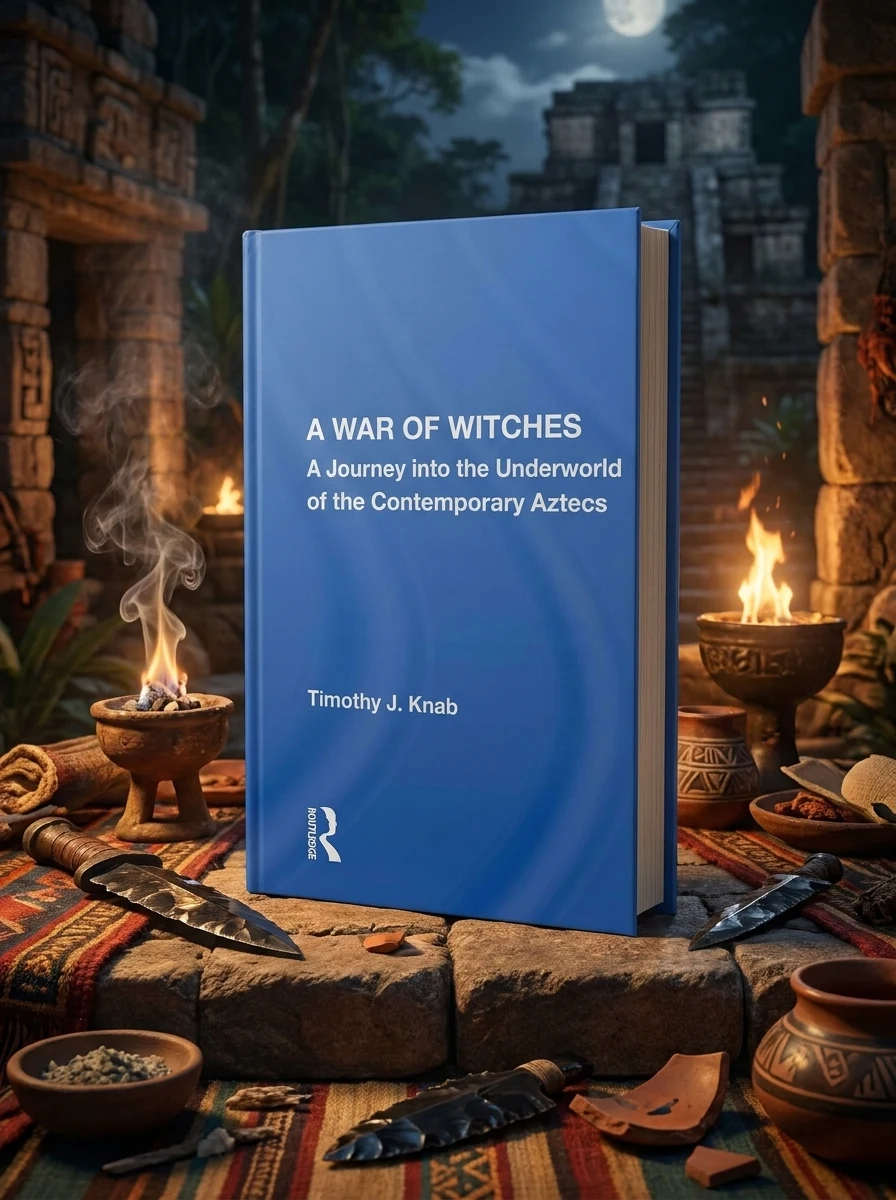
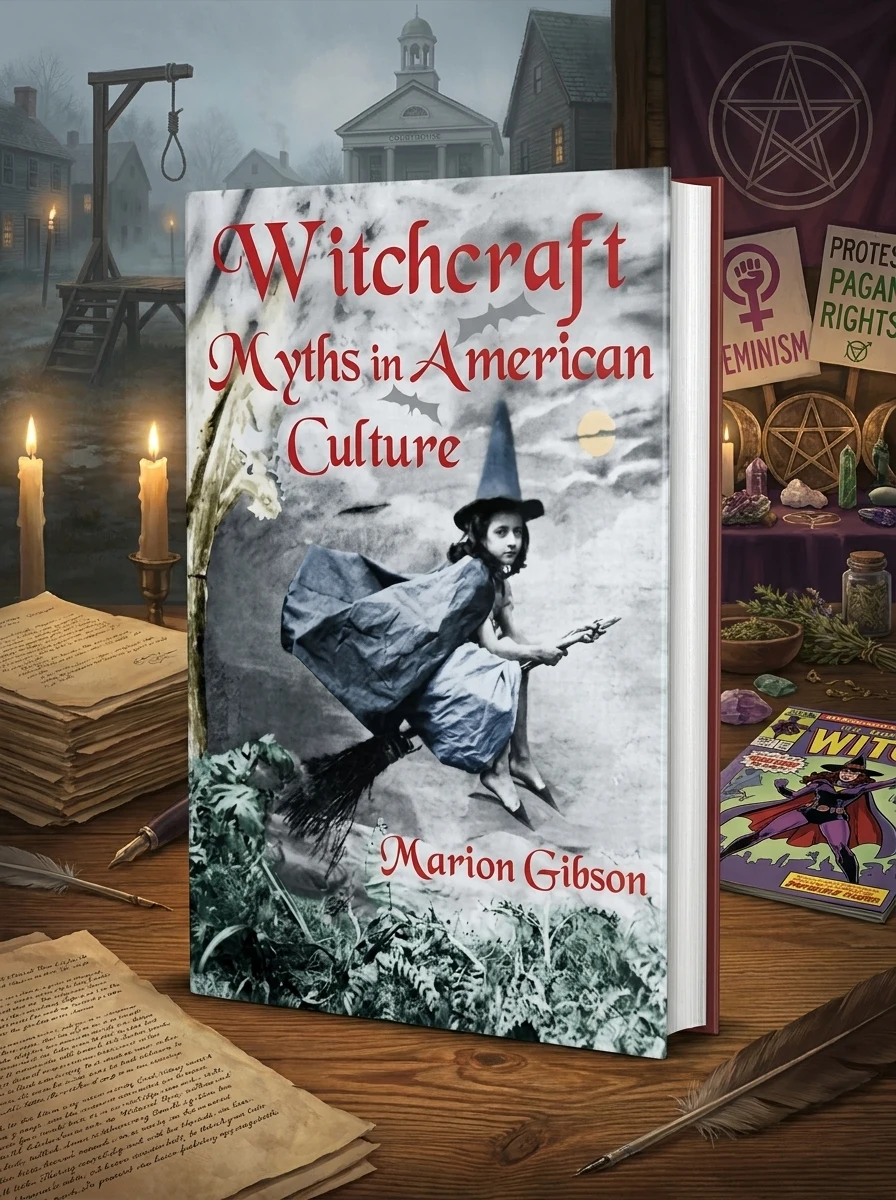 90
90
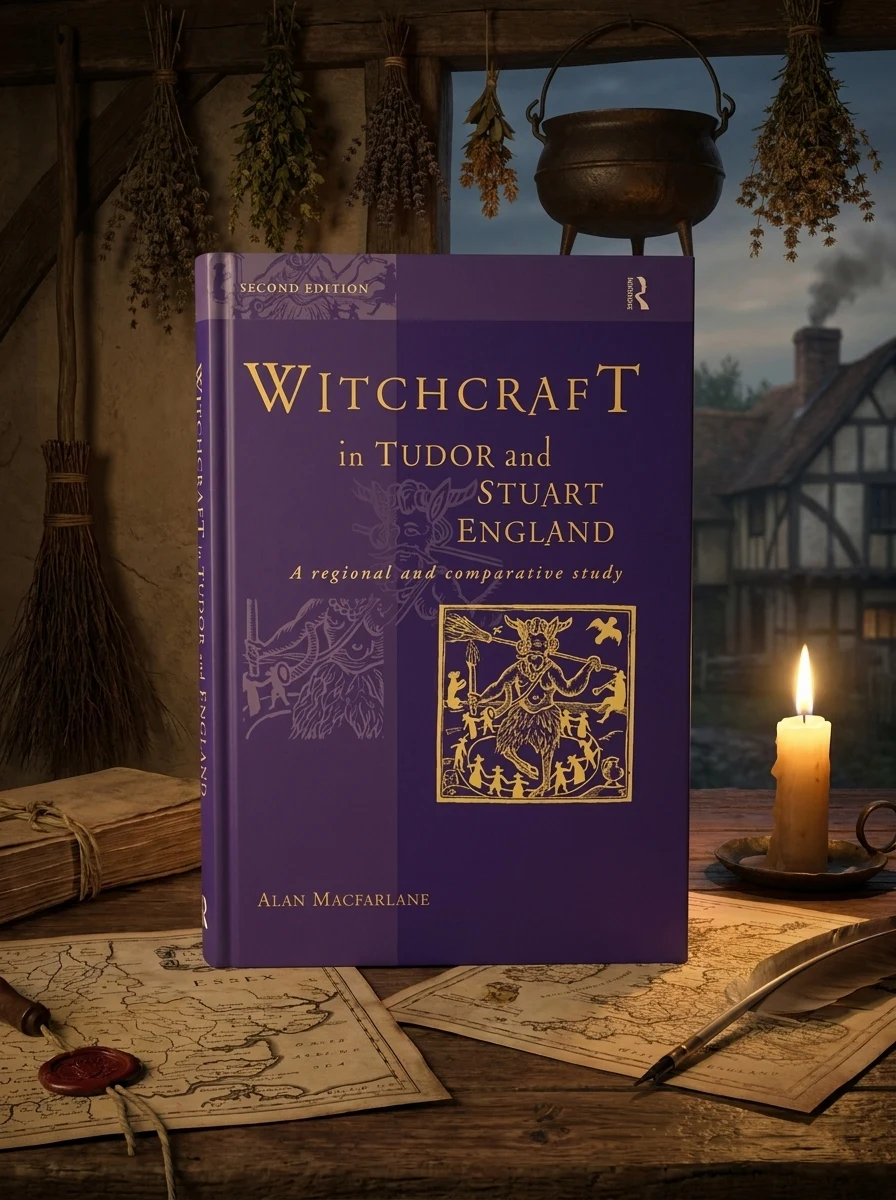 90
90