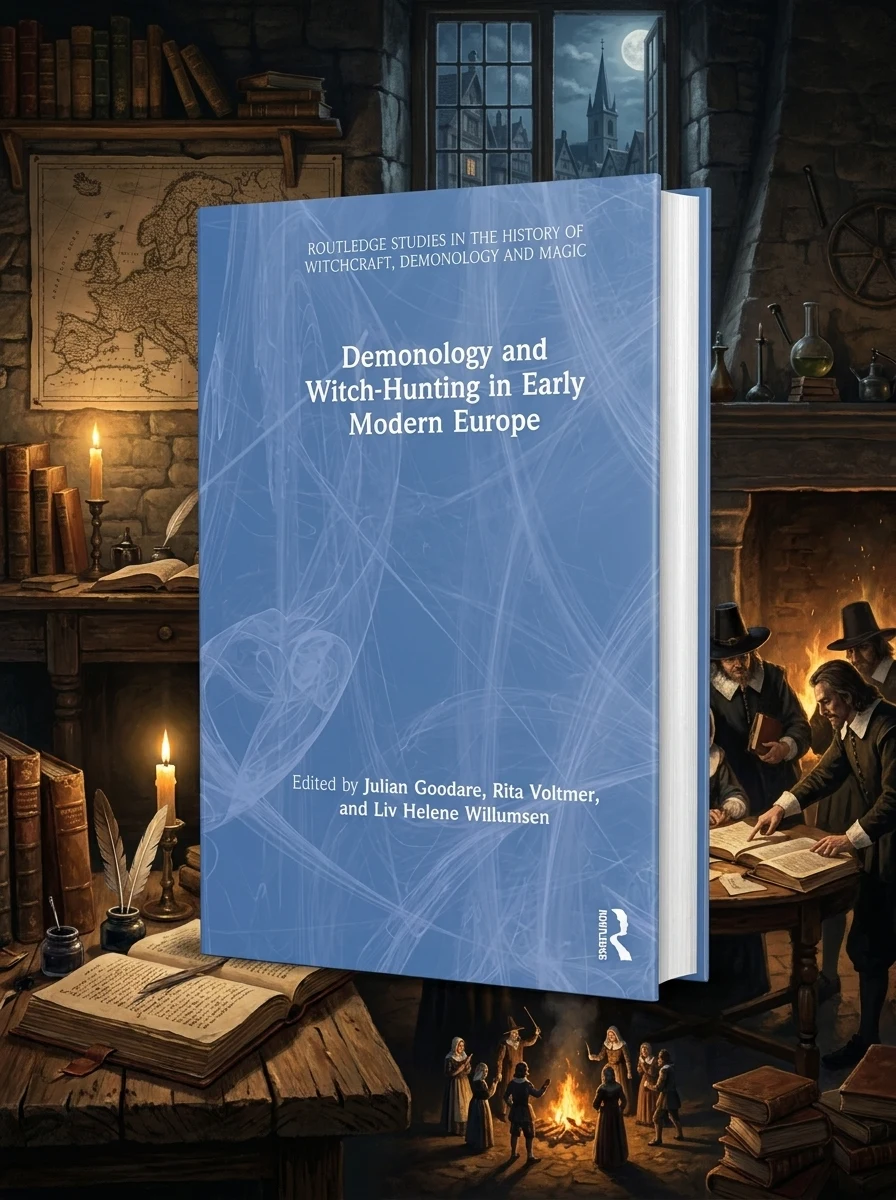
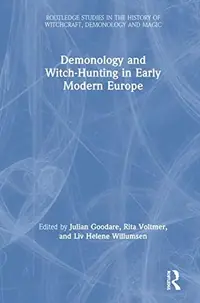
Demonology and Witch-Hunting in Early Modern Europe Goodare, Julian
Goodare, Julian; , Voltmer, Rita; , Willumsen, LIV Helene 85
85
 Editorial score
How we rate
Editorial score
How we rate
Stock reported in the catalog; fulfillment is confirmed with your request.
Unravel the dark threads connecting intellectual demonology to Europe's brutal witch hunts.
This compelling collection re-examines the intricate relationship between scholarly demonology and the tragic witch trials of early modern Europe. Moving beyond simplistic notions, it illustrates how intellectual theories about demons sometimes remained abstract, while courtroom proceedings often integrated popular beliefs. Featuring contributions from leading scholars across various European regions, the book offers a nuanced, geographically diverse perspective on how sophisticated thought intertwined with specific legal contexts, providing a comprehensive understanding of this chilling historical chapter. It’s an essential resource for those seeking depth beyond mere sensationalism.
This work sits firmly within the academic study of early modern European history and the sociology of religious persecution. It bridges the gap between intellectual history and legal anthropology, offering a rigorous examination of how scholarly theories on demons intersected with popular beliefs during the witch-hunting era.


📝 Description: Demonology and Witch-Hunting in Early Modern Europe Goodare, Julian
💎 Expert review
📖 Why choose it
Why this book is worth reading
This book is an essential resource for scholars, students, and serious enthusiasts who seek a deep, nuanced understanding of early modern Europe beyond sensationalist tropes. It is ideal for readers interested in the complex interplay between high-level intellectual demonology and the gritty realities of courtroom proceedings. By featuring contributions from leading scholars across diverse European regions, it provides a geographically broad yet detailed perspective on how sophisticated legal contexts shaped tragic outcomes. If you are tired of simplistic narratives and want to unravel the dark threads connecting scholarly thought to brutal hunts, this collection offers the comprehensive, depth-driven analysis you crave.
⭐ Reader reviews
Reader rating
Goodare, Voltmer, and Willumsen deliver a compelling re-examination that dismantles simplistic notions about the witch trials. The volume’s strength lies in its refusal to conflate abstract scholarly theories with local legal practices, offering a fresh, geographically diverse lens on this chilling history. However, it is not suited for casual readers seeking a narrative thriller or those uninterested in academic rigor. It will frustrate those expecting a unified, single-voice account, as the multi-author format presents varied regional insights rather than a cohesive story. This is a dense, analytical work for those willing to engage with complex historical intersections.
❓ Frequently asked questions
📖 Who should read this
If you are a serious student or researcher of early modern history, the occult, or the chilling intersection of belief and persecution, this book is for you. It offers a rigorous, multi-faceted analysis, challenging you to look beyond surface-level narratives and delve into the complexities of a pivotal era.
🎯 Key themes and symbolism
Academic Demonic Studies
The book delves into the complex intellectual landscape of demonology, exploring how scholars meticulously cataloged infernal hierarchies and powers. It reveals that much of this academic pursuit operated on a theoretical plane, influencing but not always directly mirroring the practical accusations and fears that fueled the actual witch trials across the continent, highlighting the sophisticated, often abstract, nature of these theological debates.
Trials and Popular Beliefs
This work meticulously examines how the formal theories of demonology intersected with, and sometimes diverged from, the popular superstitions and local anxieties prevalent during witch hunts. It highlights that judges and prosecutors frequently interpreted intellectual concepts through the lens of local folklore and community fears, showcasing a dynamic interplay where abstract ideas were adapted and transformed within the visceral environment of the courtroom.
Europe's Varied Witchcraft
The book offers a panoramic view of early modern Europe, demonstrating how demonological thought and witch-hunting practices were not monolithic. Through studies of diverse regions—from the Nordic lands to the Mediterranean—it illustrates how specific cultural, legal, and religious contexts shaped unique narratives and methodologies in identifying and prosecuting alleged witches, revealing the profound regional variations in this pan-European phenomenon.
💬 Quotes from the book
“The intricate theological debates surrounding infernal pacts rarely translated directly into the raw accusations heard in a rural court.”
“From the rigid Calvinism of Scotland to the nuanced Catholicism of Spain, each territory forged its own distinct demonological narrative.”
📜 Historical context
📚 Glossary
- Demonology
- Witch-hunting
- Early Modern Europe
📔 Questions to reflect on
- How might our modern understanding of 'evil' or 'deviance' be influenced by historical demonological frameworks, even if subconsciously?
- Consider a contemporary social issue where intellectual theories and popular beliefs clash. What parallels can you draw with the dynamic explored in this book regarding demonology and witch-hunting?
- Reflect on the role of regional cultural differences in shaping reactions to perceived threats. How does this apply beyond the context of early modern witch trials?
📖 From the series “Routledge Studies in the History of Witchcraft, Demonology and Magic”
All books in the series →
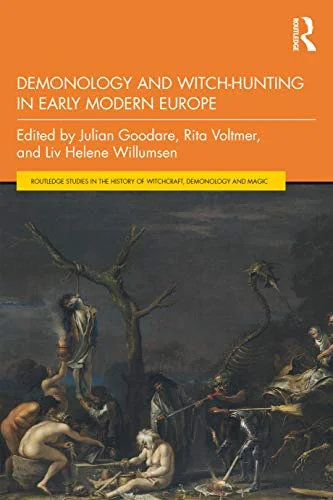
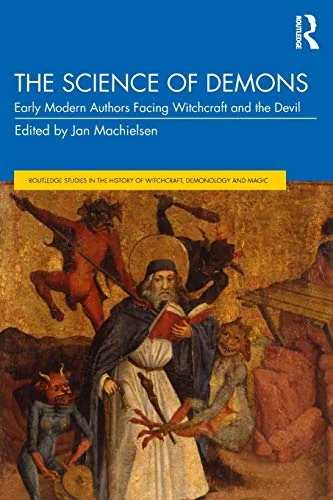
✍️ More books by this author Goodare, Julian; , Voltmer, Rita; , Willumsen, LIV Helene
All books by this author →🏛 Books from this publisher Routledge
All books from this publisher →


 89
89

You might also like
See more →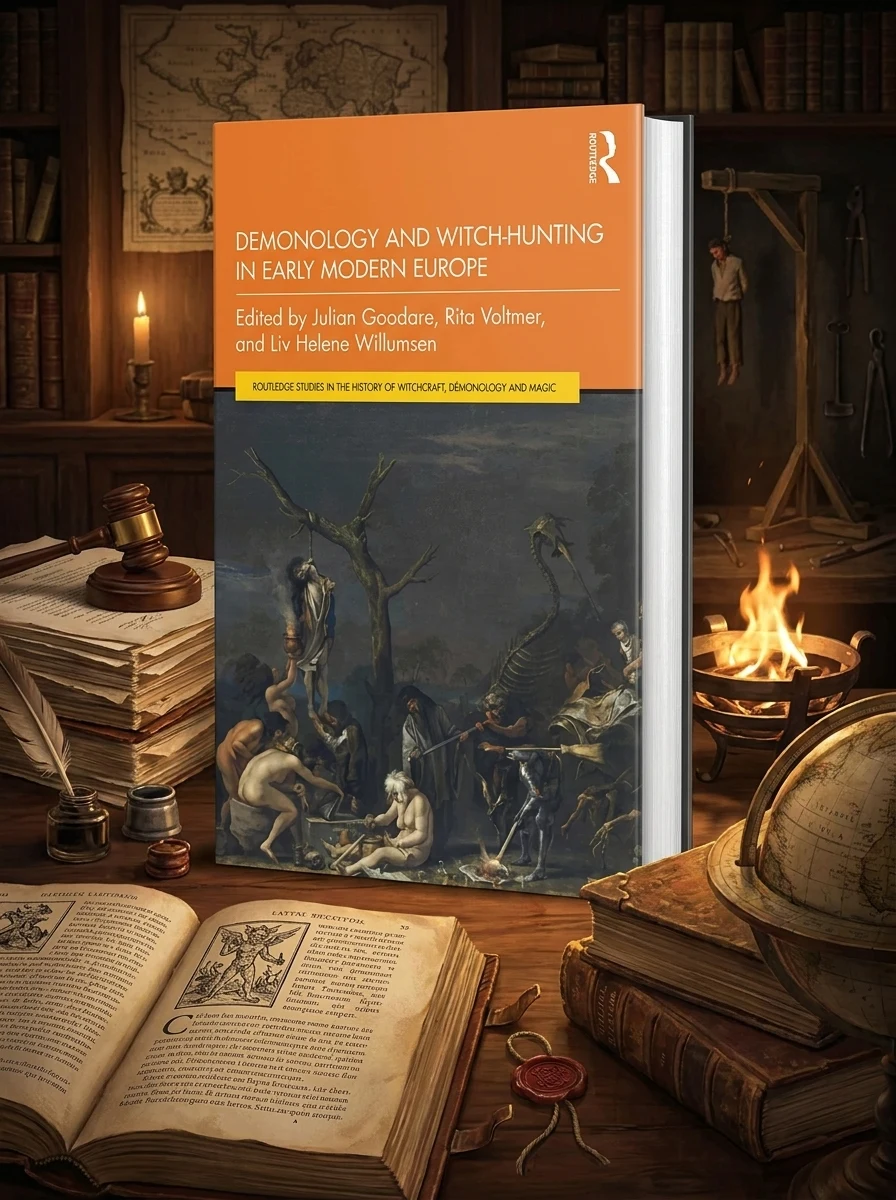
 91
91
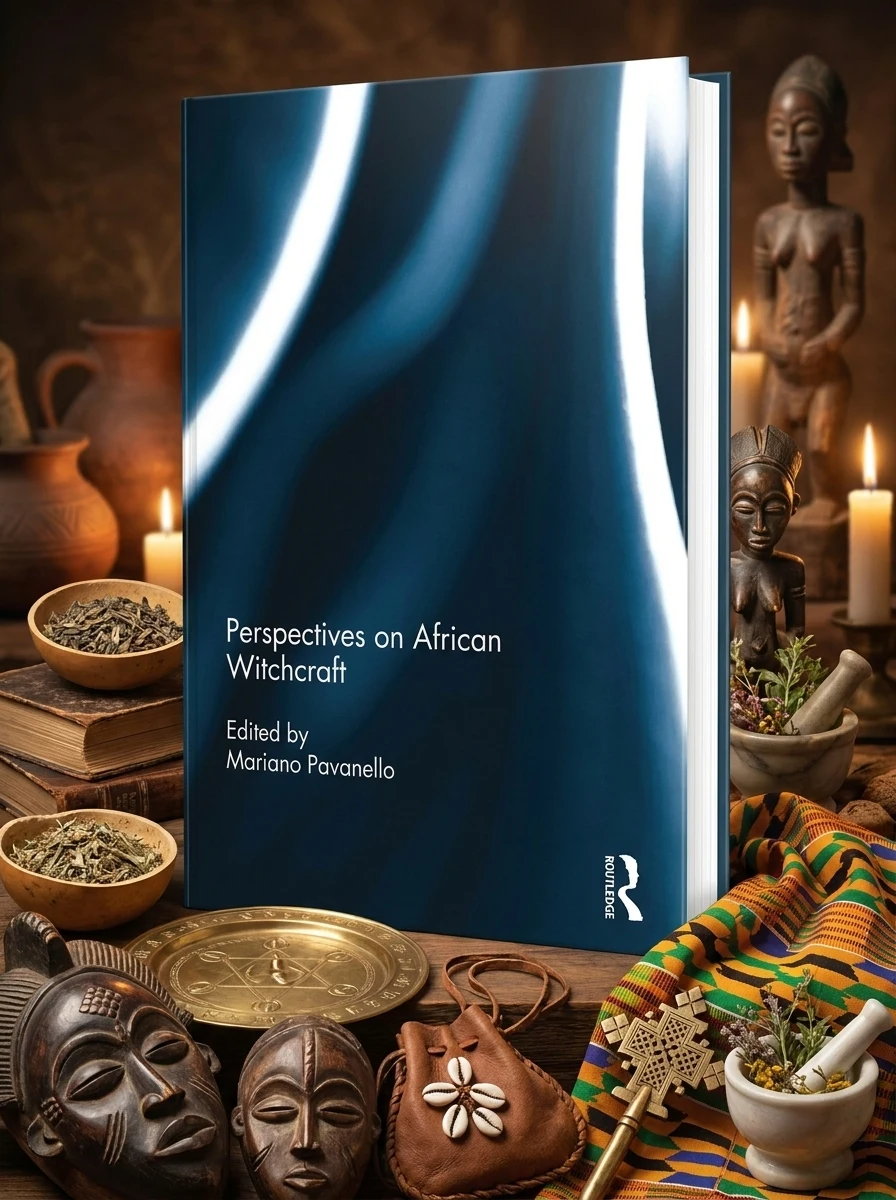 90
90
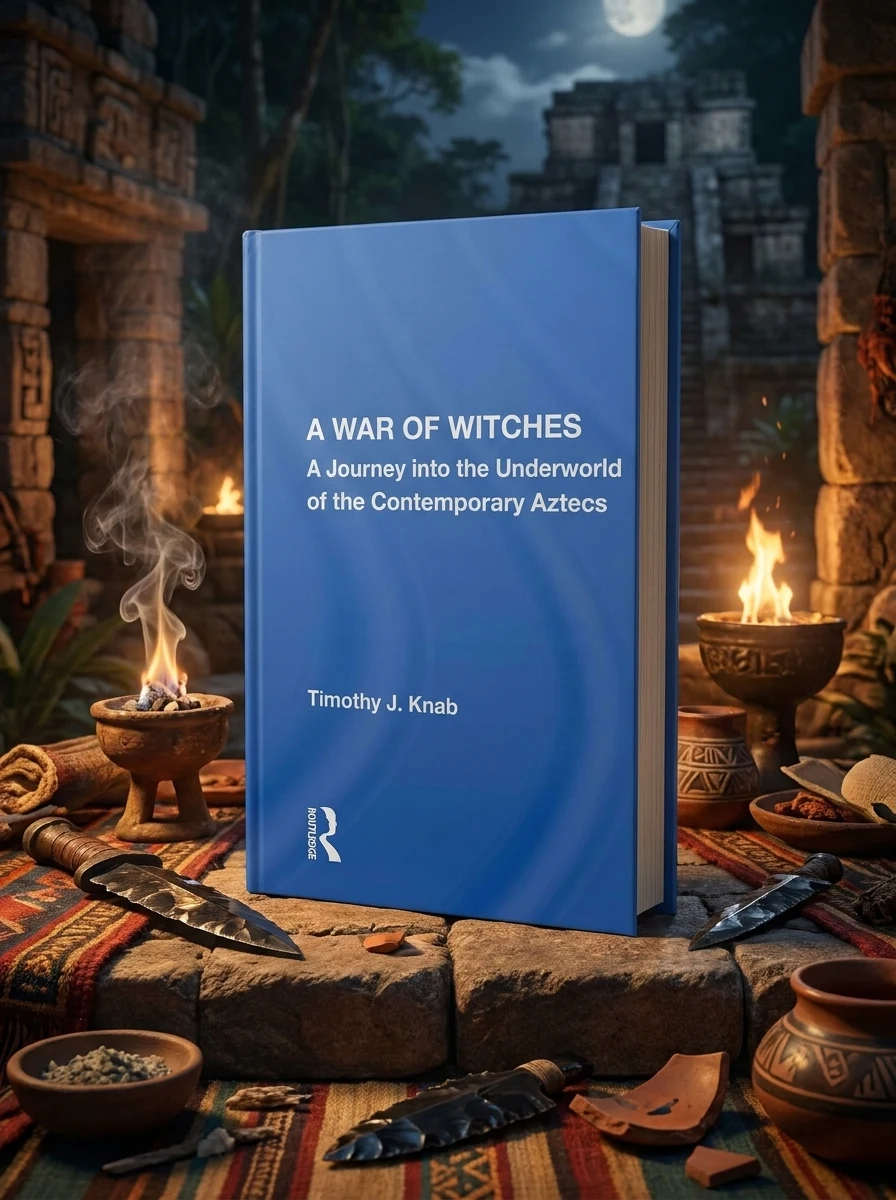
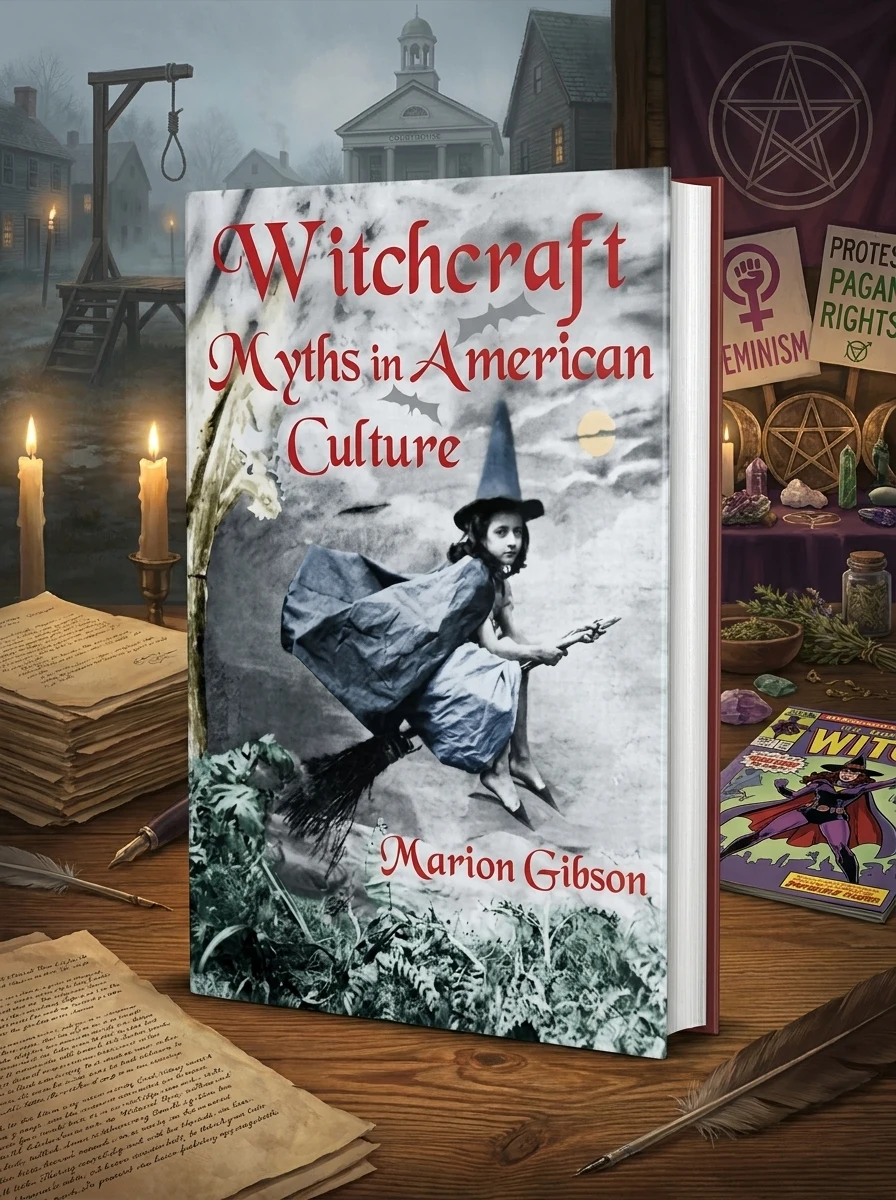 90
90
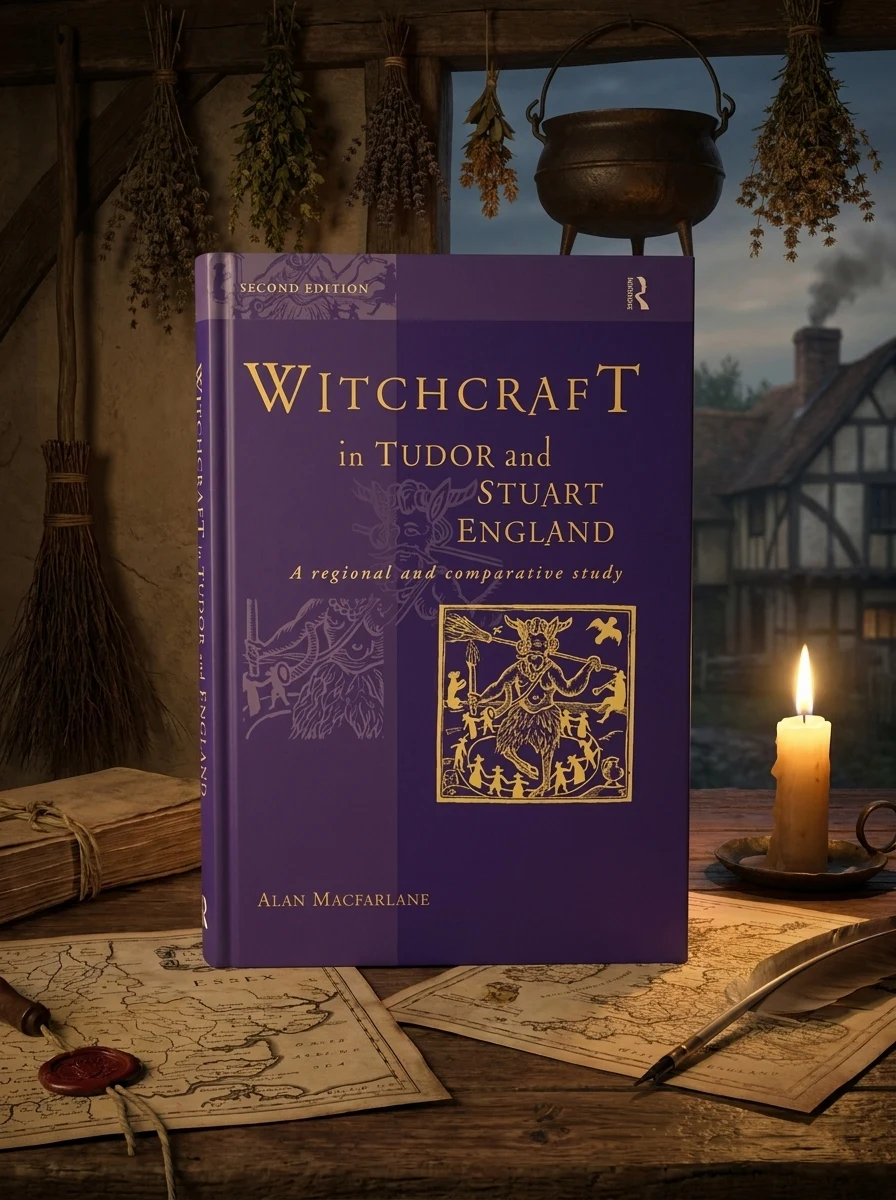 90
90