Demonology is often misunderstood as a monolithic study of 'monsters.' In reality, it is a complex intersection of theology, folklore, psychology, and ceremonial magic. To study demonology is to study the shadow side of human belief—how we have categorized evil, how we have attempted to command it, and how these beliefs have shaped the legal and social structures of the Western world.
For the serious seeker, the challenge is separating the academic from the operational. There is a vast difference between reading a 17th-century treatise on why the state persecuted 'witches' and utilizing a grimoire to evoke a specific entity. Both are valid paths of study, but they require different mindsets and different texts. The academic approach seeks to understand the historical context and the sociological drivers of belief, while the operational approach treats these texts as manuals for interaction with the unseen.
At Esoterica Books, we view the library as a map. Whether you are tracing the lineage of the Goetia or analyzing the political motivations behind the European witch trials, the right text provides the necessary guardrails. A comprehensive library allows a student to cross-reference the claims of a grimoire against the historical realities of the era in which it was written. Below is our curated selection of demonology books, categorized by their primary utility.
The Foundations of Ceremonial Magic and Practice
These texts are for those who view demonology not as a history lesson, but as a living system of interaction. These are the operational manuals of the occult world, focusing on the mechanics of spirit communication and the boundaries of spiritual safety.
1. Greater and Lesser Keys of Solomon: The Complete Grimoire of Ceremonial Magic & Demonology — S Liddell MacGregor Mathers
This is the cornerstone of Western ceremonial magic. It provides the systematic classification of spirits and the precise tools required for their summoning and constraint. It is essential for the practitioner who demands a structured, traditional approach to spirit work, priced under $40. The text emphasizes the necessity of specific seals and planetary timings, reflecting a worldview where the spiritual hierarchy is as rigid as any earthly court.
2. Devils and Demonology: In the 21st Century — Katie Boyd
While the Keys of Solomon look backward, this text addresses the modern era. It focuses on spiritual vulnerability and practical self-defense against malevolent influences. It is a necessary companion for those who feel the weight of unseen pressures in a contemporary setting, available for under $20. Boyd translates ancient concepts of spiritual warfare into a framework applicable to the psychological and spiritual stresses of modern life.
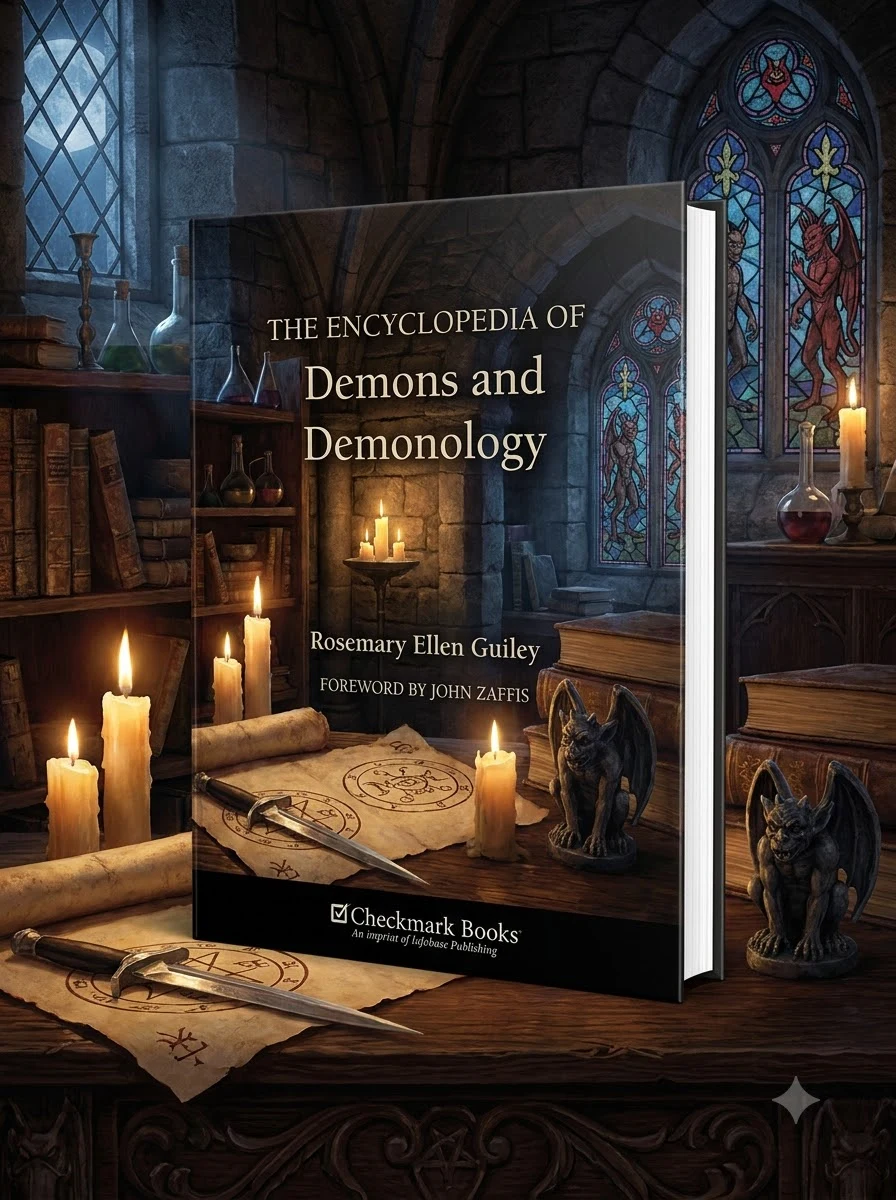
3. The Encyclopedia of Demons and Demonology — Rosemary Ellen Guiley
Before attempting any operation, one must have a reference guide. Guiley’s work serves as a definitive dictionary of entities, providing the systematic classification needed to avoid errors in identification. It is a foundational reference for any occult library, priced under $40. By cataloging the names, origins, and attributes of various entities, it allows the student to distinguish between cultural myths and specific demonological entities.
The Academic Study of Demonology and Witchcraft
To understand why we believe what we believe about demons, we must look at the archives. These books analyze the sociology of fear and the intersection of religion and power, treating demonology as a mirror reflecting the anxieties of the society that produced it.
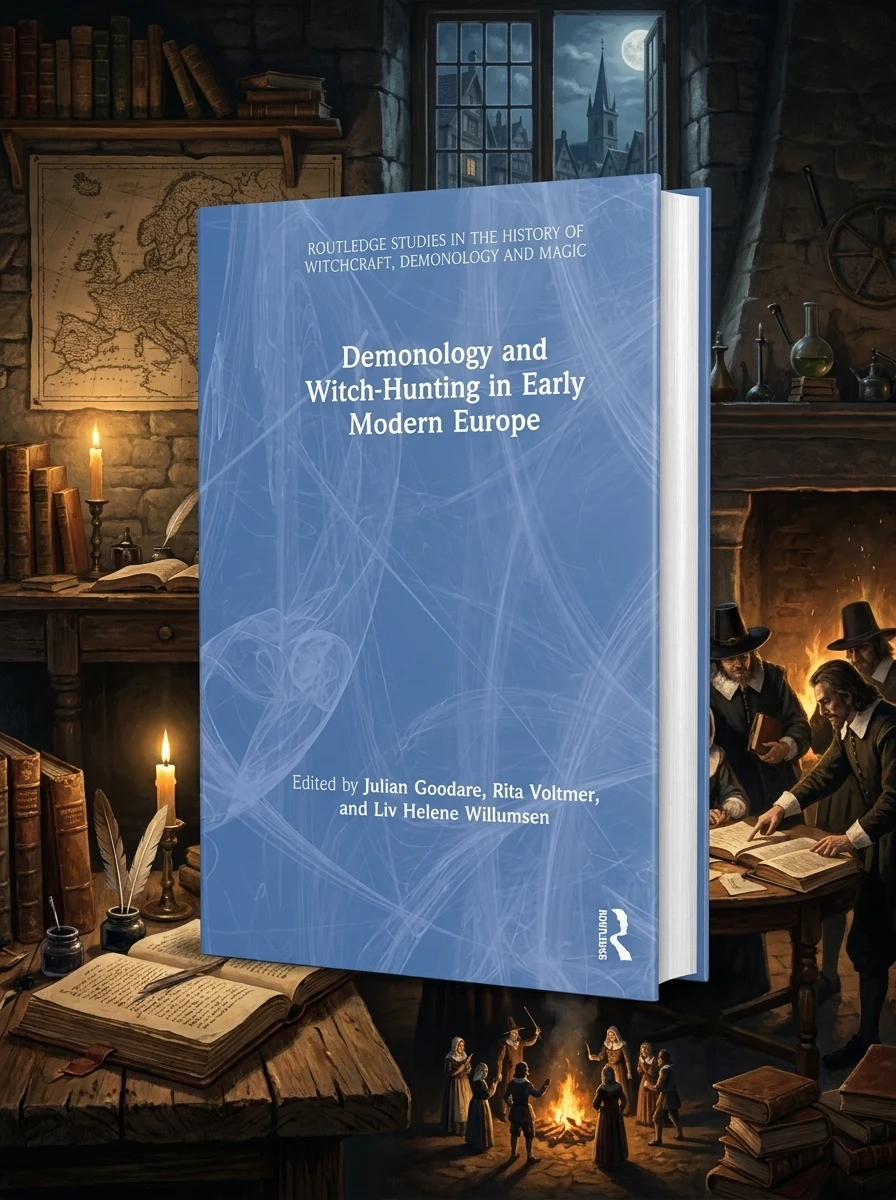
4. Demonology and Witch-Hunting in Early Modern Europe — Julian Goodare
This is a rigorous examination of the chilling intersection between belief and persecution. It is designed for the researcher who wants to understand how demonological theory was weaponized by the state to justify mass violence. This academic volume is priced around $200. Goodare examines the legal frameworks that allowed supernatural accusations to bypass standard judicial protections.
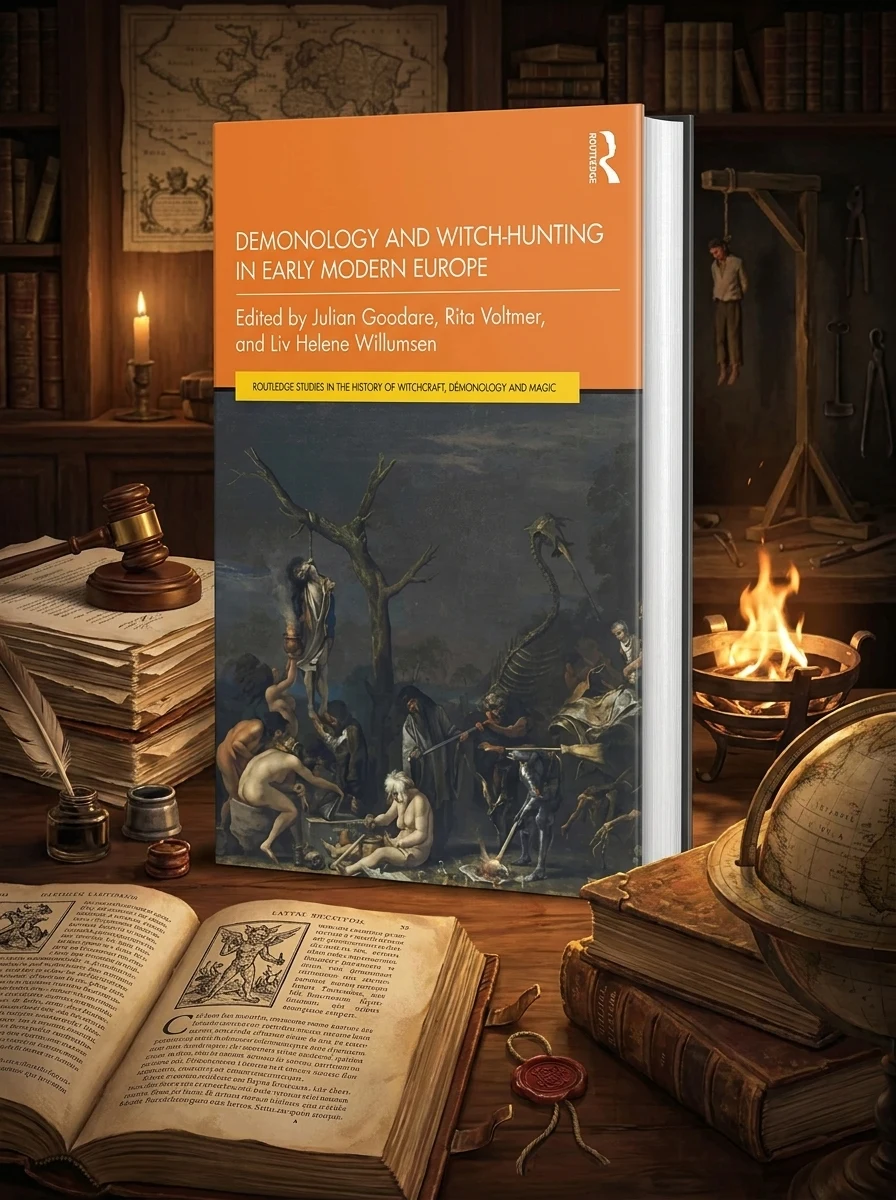
5. Demonology and Witch-Hunting in Early Modern Europe — Julian Goodare
A more accessible entry point into Goodare's research, this version focuses on the history of ideas and law. It is ideal for those who want a scholarly perspective on the European witch hunts without the full weight of a graduate-level tome, priced under $60. It provides a concise look at how the intellectual climate of the time made the existence of demons a legal fact.
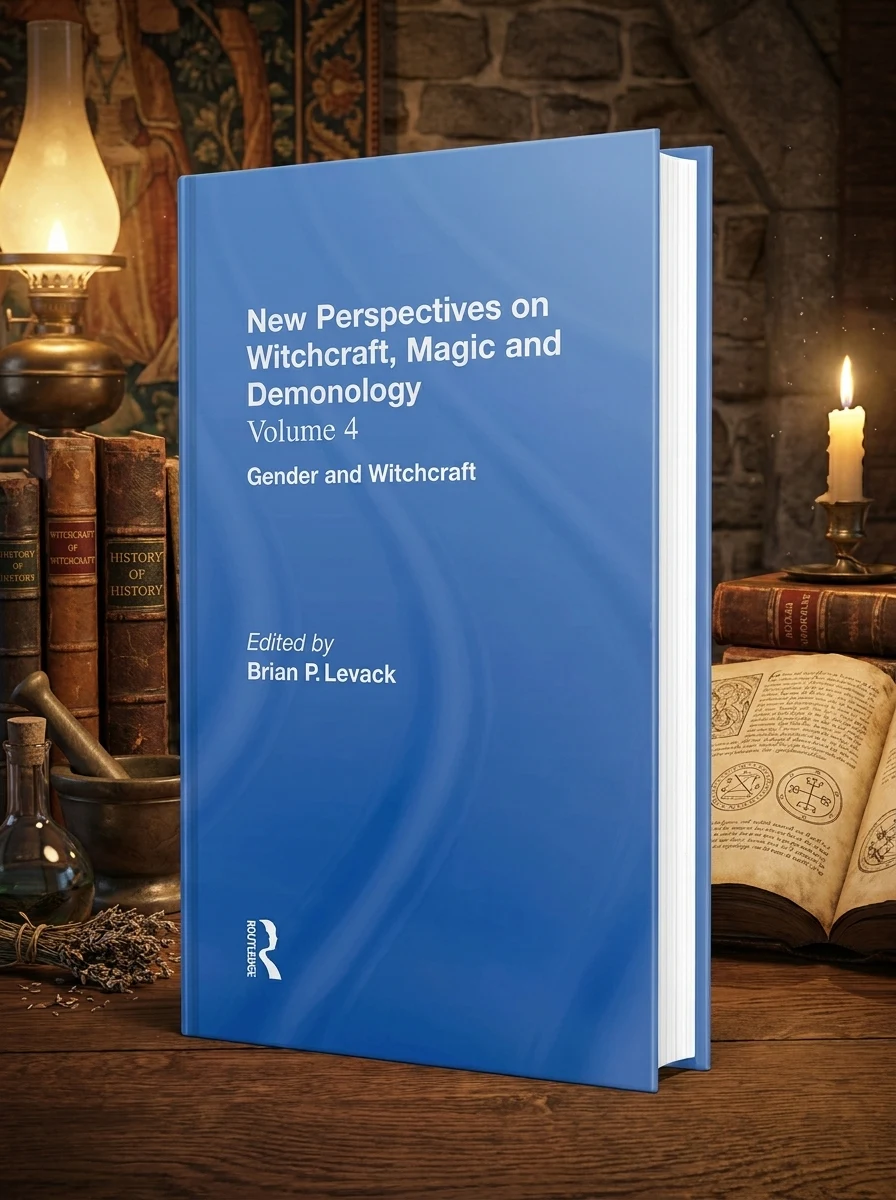
6. Gender and Witchcraft: New Perspectives on Witchcraft, Magic, and Demonology — Brian P. Levack
Demonology has always been gendered. Levack provides a critical look at how the perception of the 'demonic' was used to police gender roles and marginalize specific populations. This is a high-level academic collection for those studying comparative religion or gender studies, priced over $300. It argues that the demonization of the 'other' was often a tool for maintaining social hierarchies.
7. Demonology, Religion, and Witchcraft: New Perspectives on Witchcraft, Magic, and Demonology — Brian P. Levack
Another essential for the historian, this work offers a peer-reviewed overview of modern historiography. It challenges old assumptions about the 'Dark Ages' and provides a nuanced view of how religion and demonology evolved together, priced over $200. Levack demonstrates that demonology was not a static set of beliefs but a shifting theological landscape.
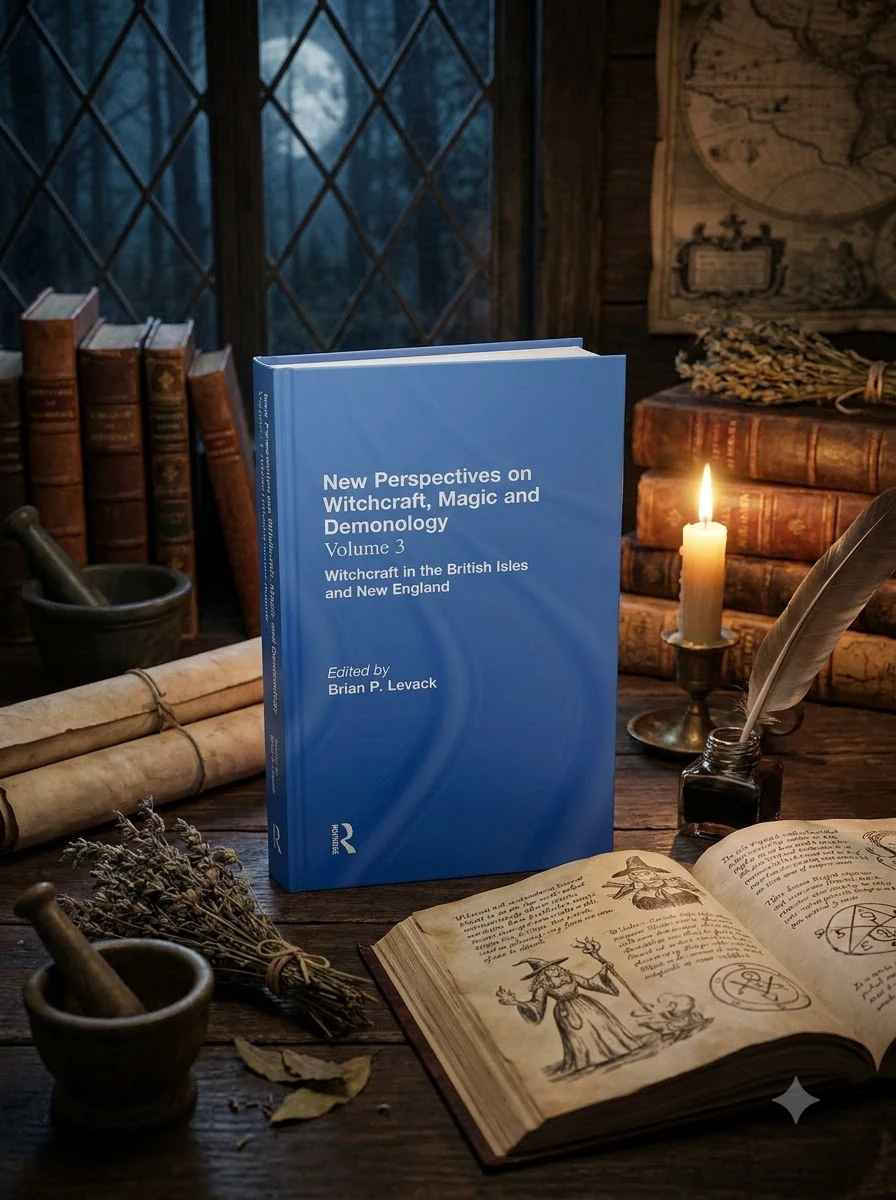
8. Witchcraft in the British Isles and New England: New Perspectives on Witchcraft, Magic, and Demonology — Brian P. Levack
This text narrows the geographical focus to the English-speaking world, tracing the migration of demonological beliefs from Europe to the American colonies. It is an indispensable resource for those researching the roots of New England's occult history, priced over $200. It highlights how the transplanting of European demonology into the New World created unique social frictions.
9. The Crime of Crimes: Demonology and Politics in France, 1560-1620 — Jonathan L. Pearl
Pearl explores the sociology of fear, specifically how demonology was used as a political tool in France. It is a fascinating read for those interested in how the law and theology were manipulated for political gain, priced under $50. The book illustrates how accusations of demonic pacts were often used to eliminate political rivals during periods of instability.
Historical Treatises and Primary Sources
There is no substitute for the original voice. Reading the authors who actually defined the 'demonic' in their own time provides a window into the psychological state of previous centuries and the raw conviction of those who believed they were fighting a cosmic war.
10. The Demonology of King James I — Donald Tyson
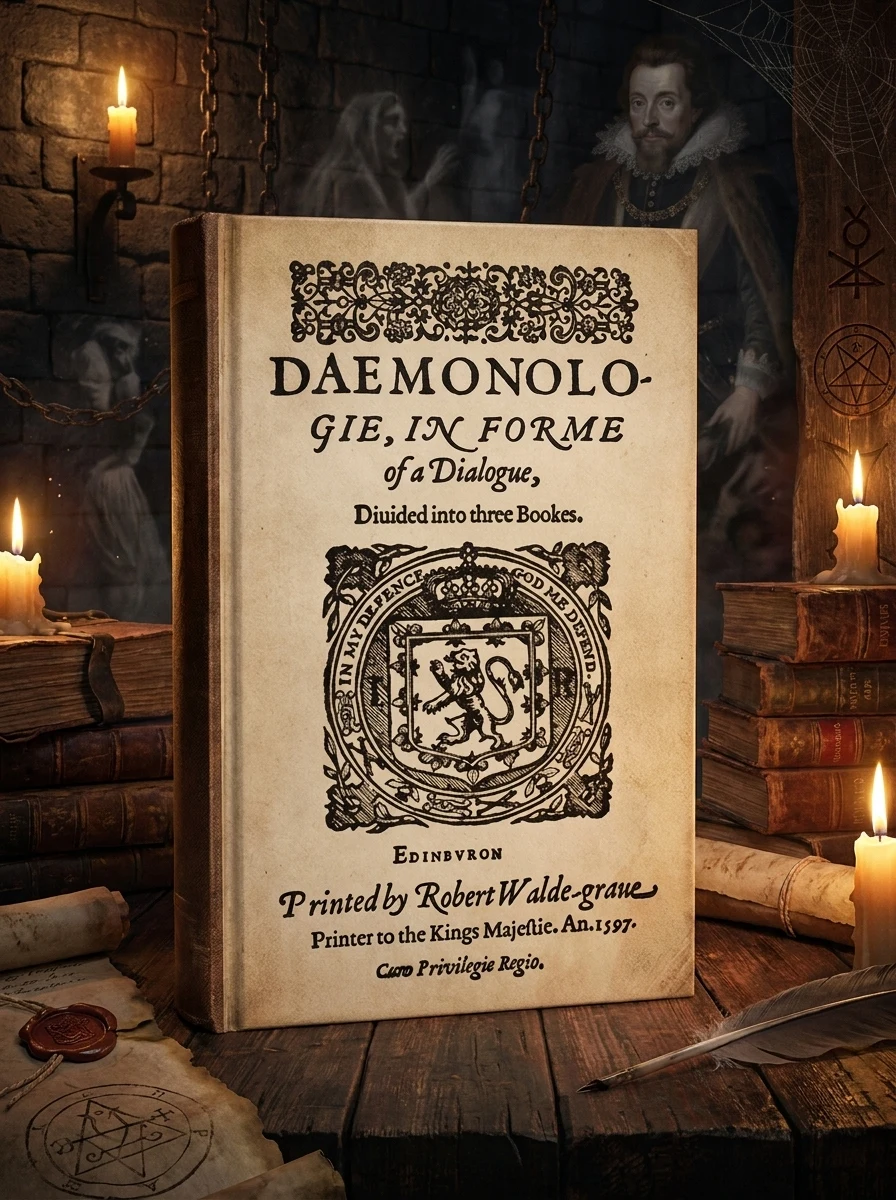
King James I was not just a monarch; he was an obsessed demonologist. This volume includes the original text of Daemonologie, offering a glimpse into the mind of a ruler who believed he was fighting a spiritual war. It is a bargain for history buffs, priced under $25. The text reveals the intersection of royal authority and supernatural paranoia.
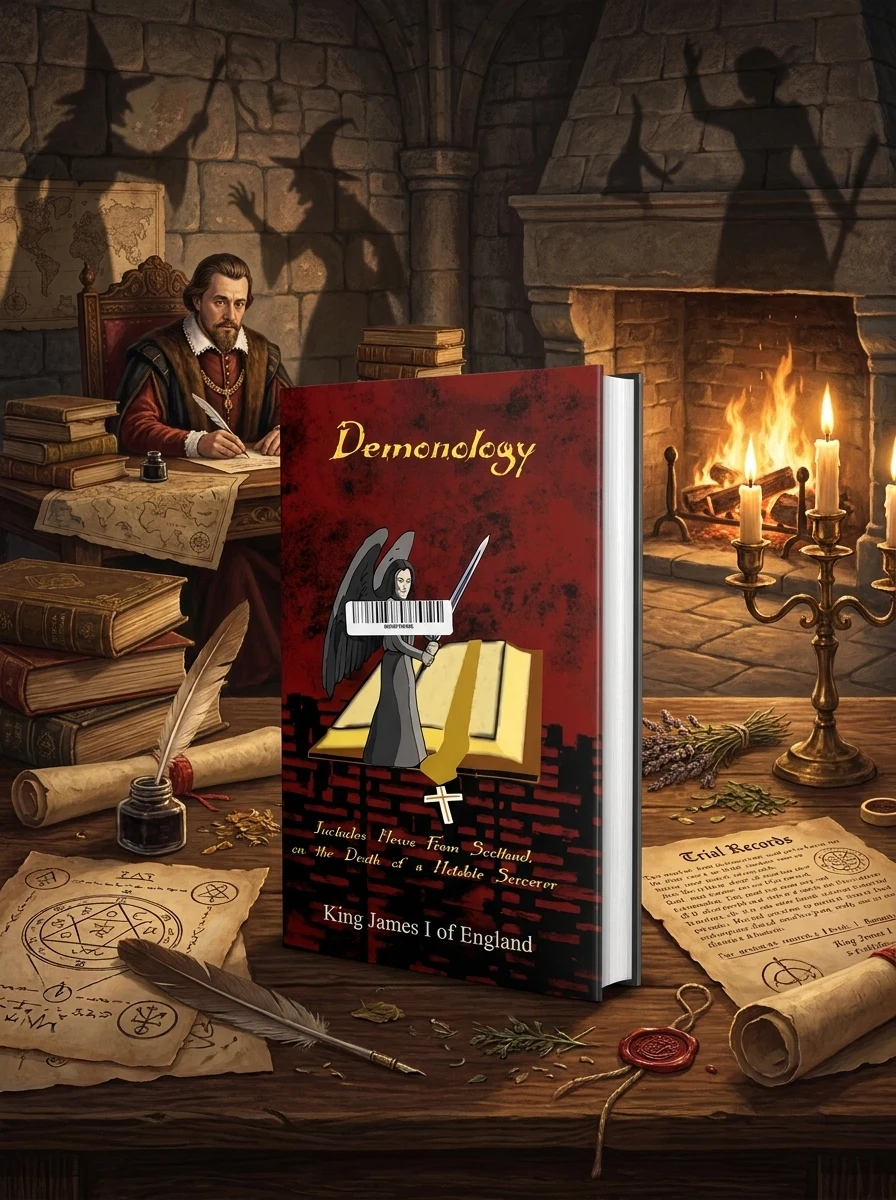
11. Demonology — King James I
For those who want the raw text without the modern commentary, this version focuses on the psychological underpinnings of absolute monarchy and the king's personal motivations for hunting witches, priced under $15. It serves as a primary document of the early modern belief system where the king was the primary defender against the infernal.
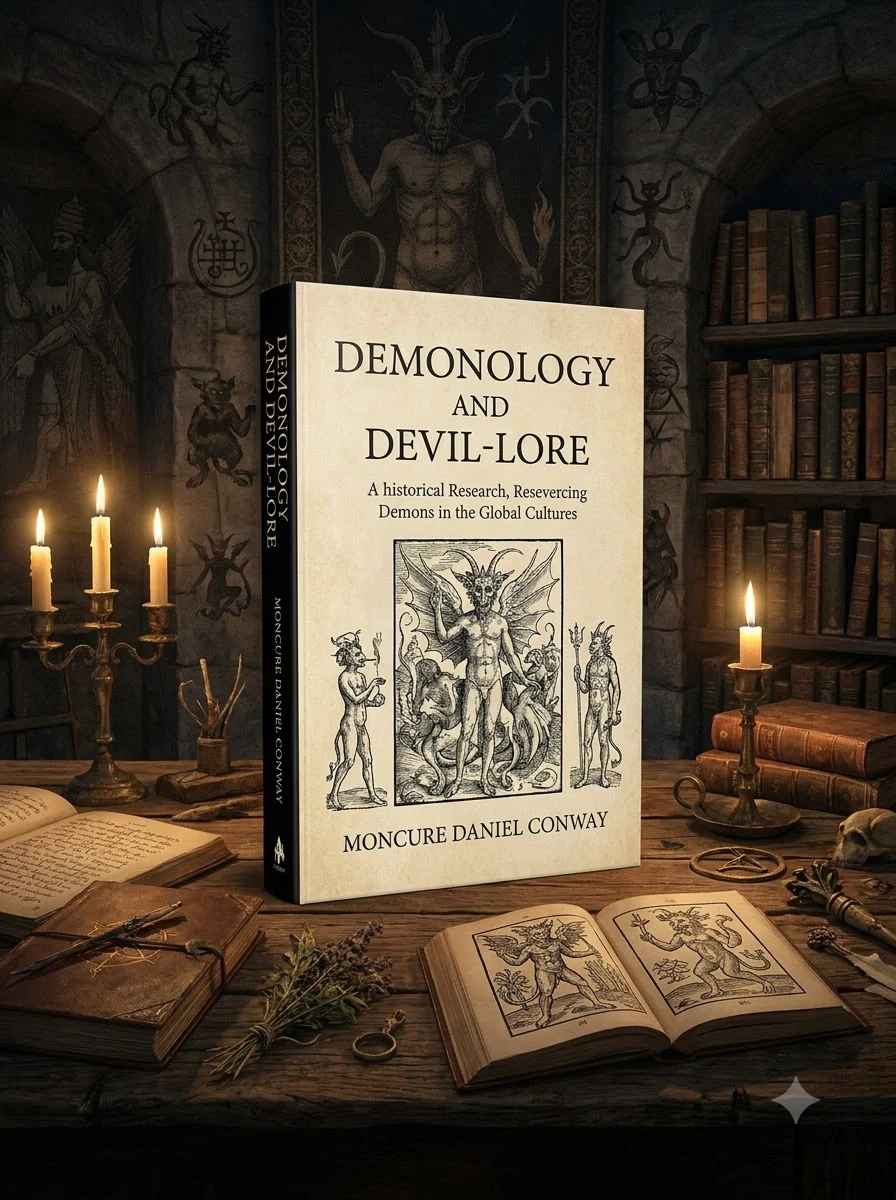
12. Demonology and Devil-Lore - The Complete Volume — Moncure Daniel Conway
This is a massive synthesis of folklore and mythology. Conway gathers a wide array of traditions, making it an indispensable resource for the student of comparative religion who wants to see how different cultures envisioned the devil, priced under $50. It provides a broad survey of the evolution of the devil figure across various cultural epochs.
13. The History of Witchcraft and Demonology — Montague Summers
Summers is a controversial figure in occult circles, but his work is comprehensive. This book provides an extensive look at the cultural impact of supernatural beliefs. It is written with a specific, old-world tone that appeals to those who love the atmosphere of early 20th-century occultism, priced under $50. While biased, it captures the spirit of the era's fascination with the forbidden.
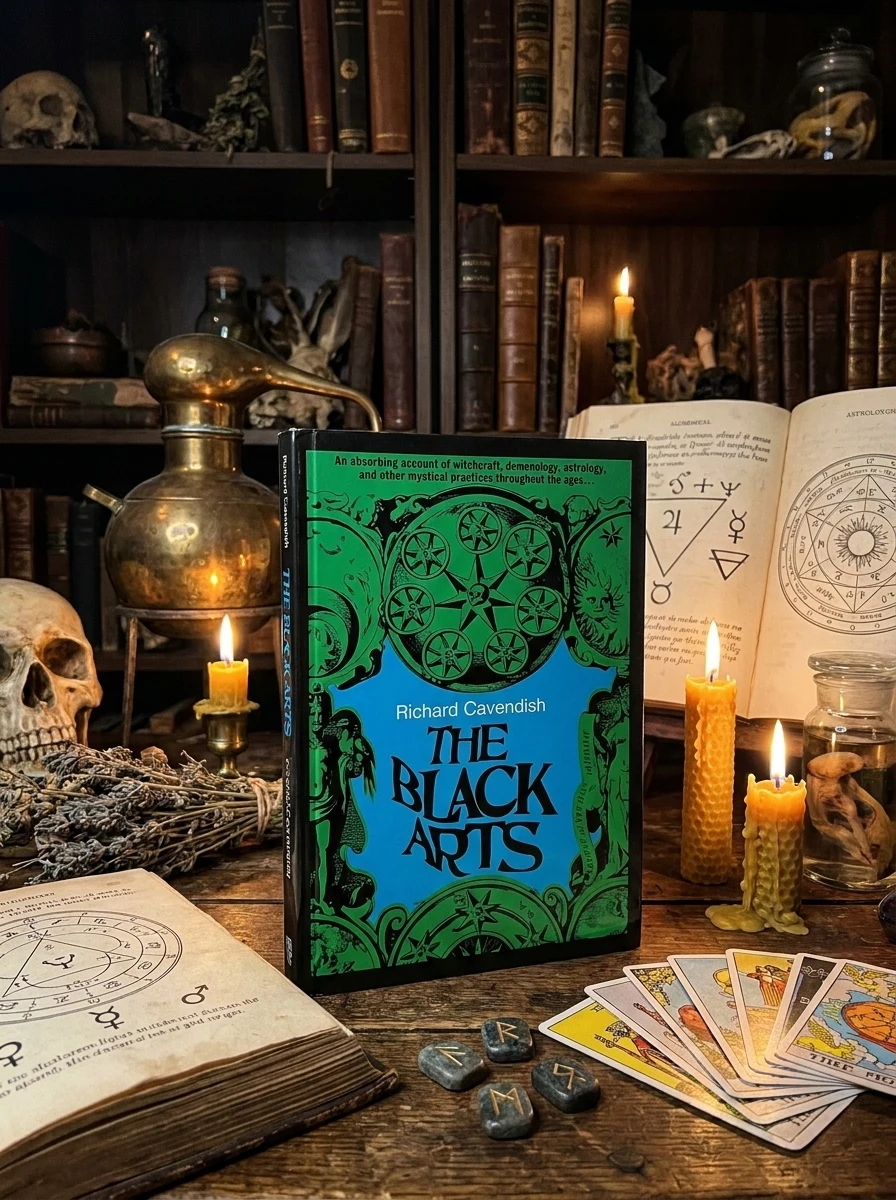
14. The Black Arts (50th Anniversary Edition) — Richard Cavendish
If you are looking for a structured, non-dogmatic introduction, this is it. It places demonology alongside alchemy and astrology, providing a concise history of the 'forbidden' arts throughout the ages, priced under $25. It is an ideal starting point for those who wish to see the connections between different esoteric disciplines.
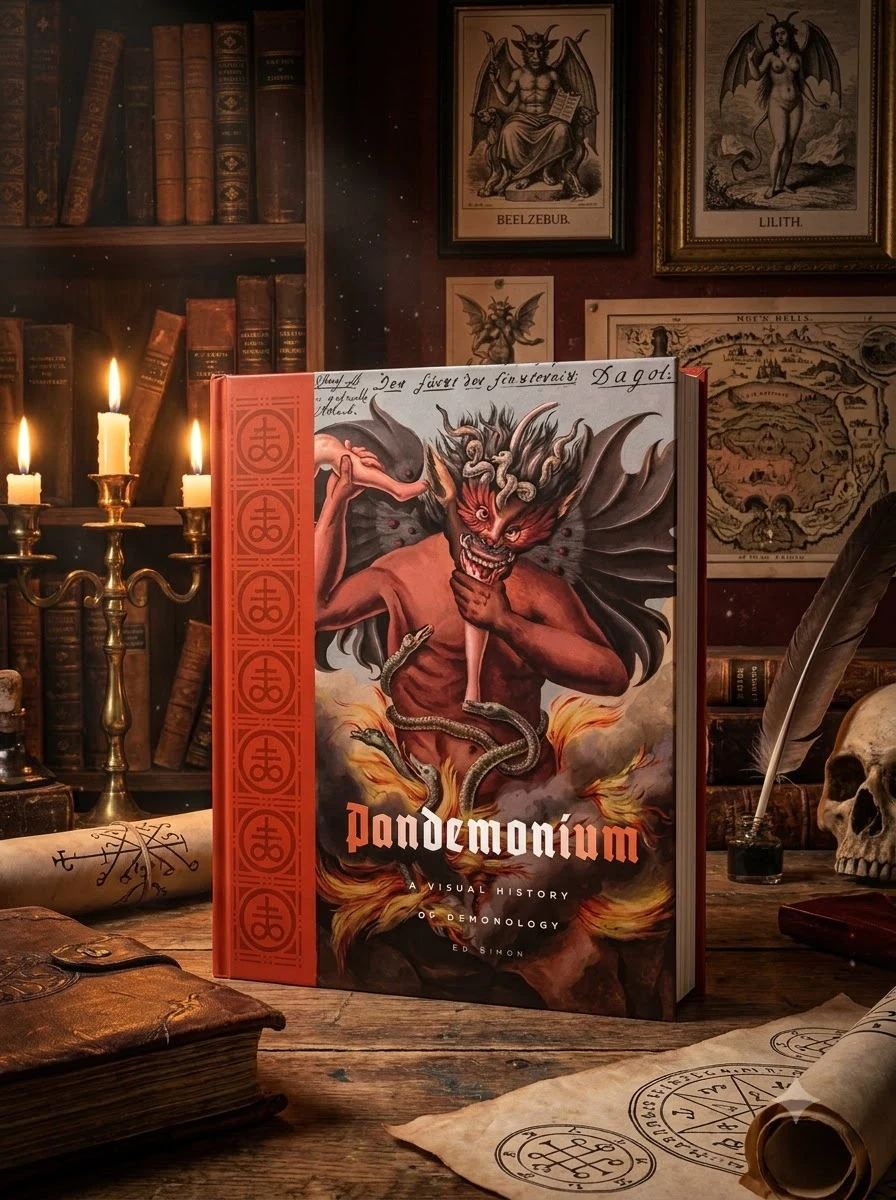
15. Pandemonium: A Visual History of Demonology — Ed Simon
Demonology is not just about text; it is about imagery. This book explores the visual evolution of demons in art and literature. It is essential for those who want to understand how the visual representation of evil has shifted over centuries, priced under $50. It demonstrates how the iconography of the demonic was used to evoke fear and obedience.
How to Choose Your Demonology Library
Selecting the right book depends entirely on your objective. If you are a practitioner, start with the Encyclopedia of Demons and Demonology for identification and the Greater and Lesser Keys of Solomon for methodology. Always pair these with a modern guide on spiritual protection like Devils and Demonology: In the 21st Century to ensure a balanced approach to spirit work.
If you are an academic or historian, the works of Brian P. Levack and Julian Goodare are non-negotiable. They provide the rigorous, peer-reviewed framework necessary to understand the socio-political drivers of demonology. For a more atmospheric, primary-source experience, the writings of King James I offer a direct line to the early modern mindset, showing how the state and the supernatural were inextricably linked.
Finally, for the curious enthusiast, a combination of Richard Cavendish's The Black Arts and Ed Simon's Pandemonium provides a broad, visually stimulating introduction without requiring a PhD in theology. These works allow the reader to appreciate the aesthetic and cultural history of the occult without immediately committing to the denser academic or operational texts.