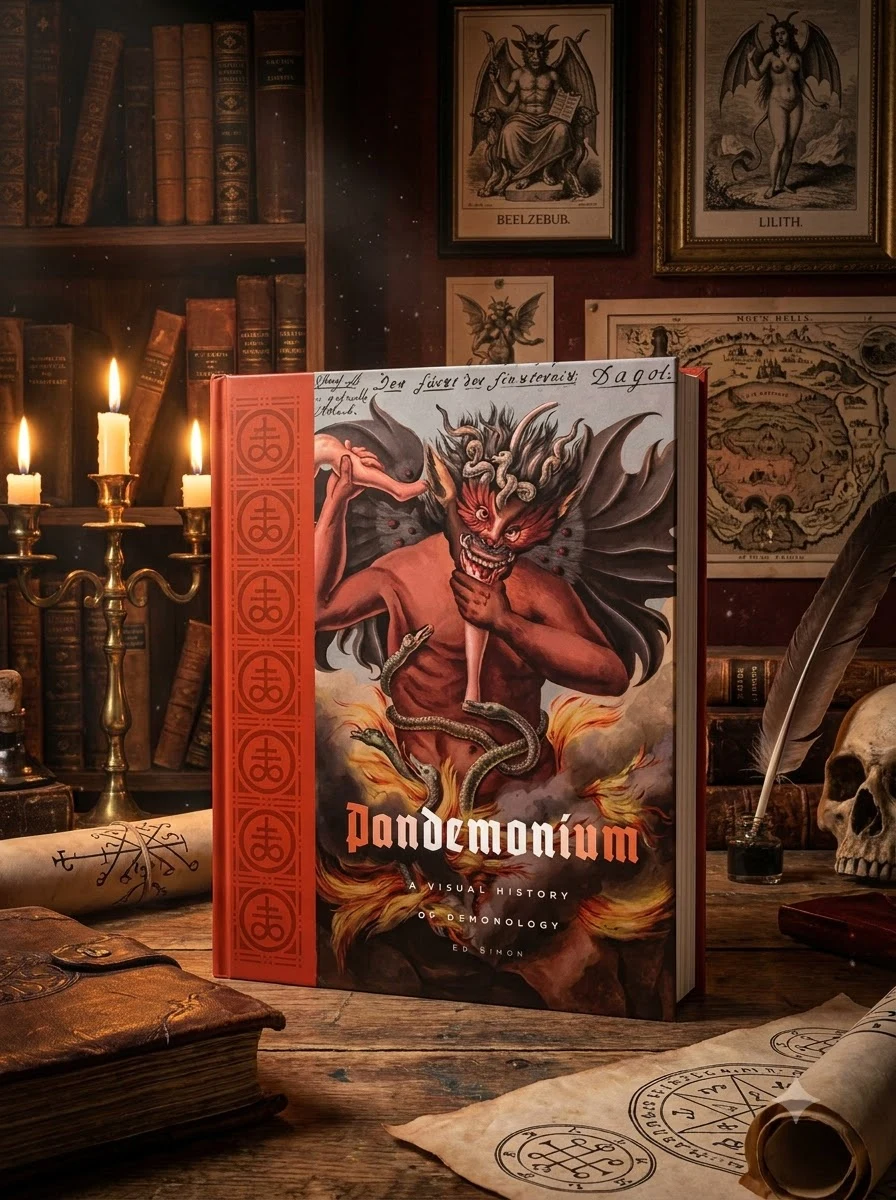
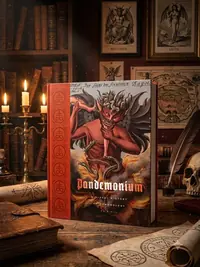
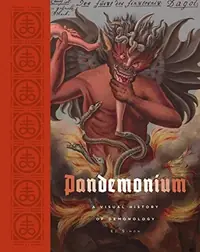
Pandemonium: A Visual History of Demonology Simon, Ed
Simon, EdStock reported in the catalog; fulfillment is confirmed with your request.
A stunning visual odyssey through the fallen hierarchy of hell.
This volume transcends the standard demonological index by weaving a rich tapestry of Western esoteric history. It charts the genealogy of the fallen, from ancient scriptural apparitions to the nuanced devils of Romanticism. Through meticulous visual analysis, the text explores how figures like Lilith and Moloch shaped art, literature, and religious dogma. It serves as a comprehensive compendium, bridging the gap between theological theory and artistic representation across centuries.
This work sits firmly within the tradition of Western esoteric history and theological art criticism. It serves as a bridge between religious dogma and artistic representation, documenting the visual evolution of demonic figures across centuries.


📝 Description: Pandemonium: A Visual History of Demonology Simon, Ed
💎 Expert review
📖 Why choose it
Why this book is worth reading
Scholars of iconography and enthusiasts of Romantic literature will find this volume indispensable for its meticulous visual analysis. It offers a unique perspective on how fallen figures like Lilith and Moloch influenced cultural narratives. Readers interested in the genealogy of hellish hierarchies will appreciate the depth of research. It transforms dry theological theory into a compelling visual odyssey, making complex esoteric history accessible through stunning imagery and contextual depth.
⭐ Reader reviews
Reader rating
While visually stunning and intellectually rigorous, this book is not for casual readers seeking quick horror thrills or simple tabular indexes. It demands patience for its rich tapestry of history and nuanced devils of Romanticism. Those expecting a straightforward guide to modern demonology may find the focus on art and literature too abstract. However, for those willing to engage with the gap between theology and artistic representation, it provides an unparalleled comprehensive compendium that enriches understanding of Western esoteric traditions through its detailed examination of fallen genealogy.
❓ Frequently asked questions
📖 Who should read this
Scholars of art history, occult practitioners, and enthusiasts of Gothic literature will find this essential. It appeals to those seeking to understand the cultural and visual evolution of evil in Western civilization.
🎯 Key themes and symbolism
Demon Genealogy
Artistic Depictions
Theological Evolution
💬 Quotes from the book
“The devils took on a subtler form.”
“Satan's family tree.”
📜 Historical context
📚 Glossary
- Pandemonium
- Fallen Angels
- Grimoire
📔 Questions to reflect on
- How does the artistic depiction of a demon change its perceived power?
- Which fallen figure resonates most with your understanding of evil?
- How did the Enlightenment alter the fear of the demonic?
✍️ More books by this author Simon, Ed
All books by this author →
🏛 Books from this publisher Cernunnos
All books from this publisher →
You might also like
See more →


 91
91