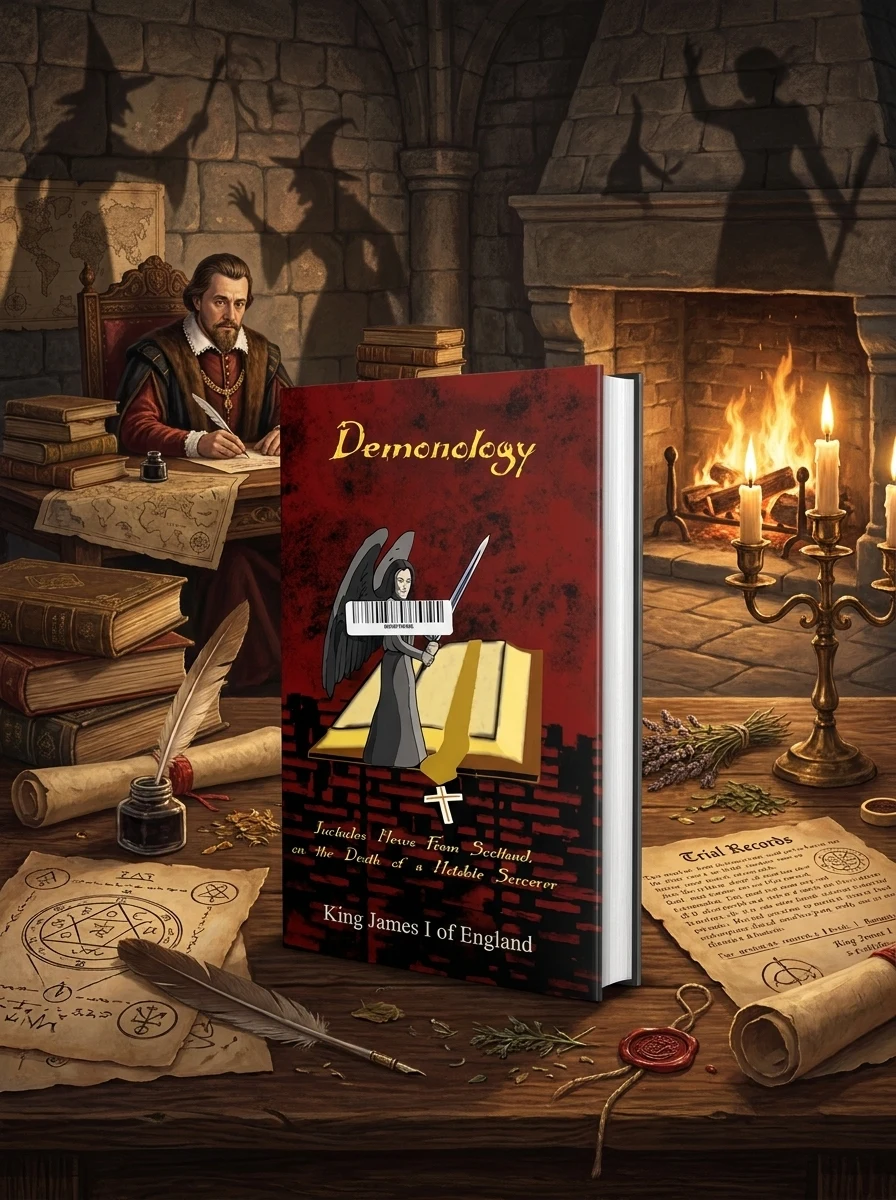
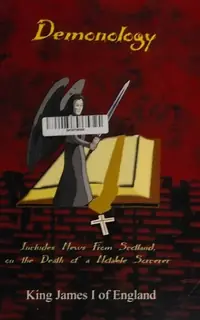
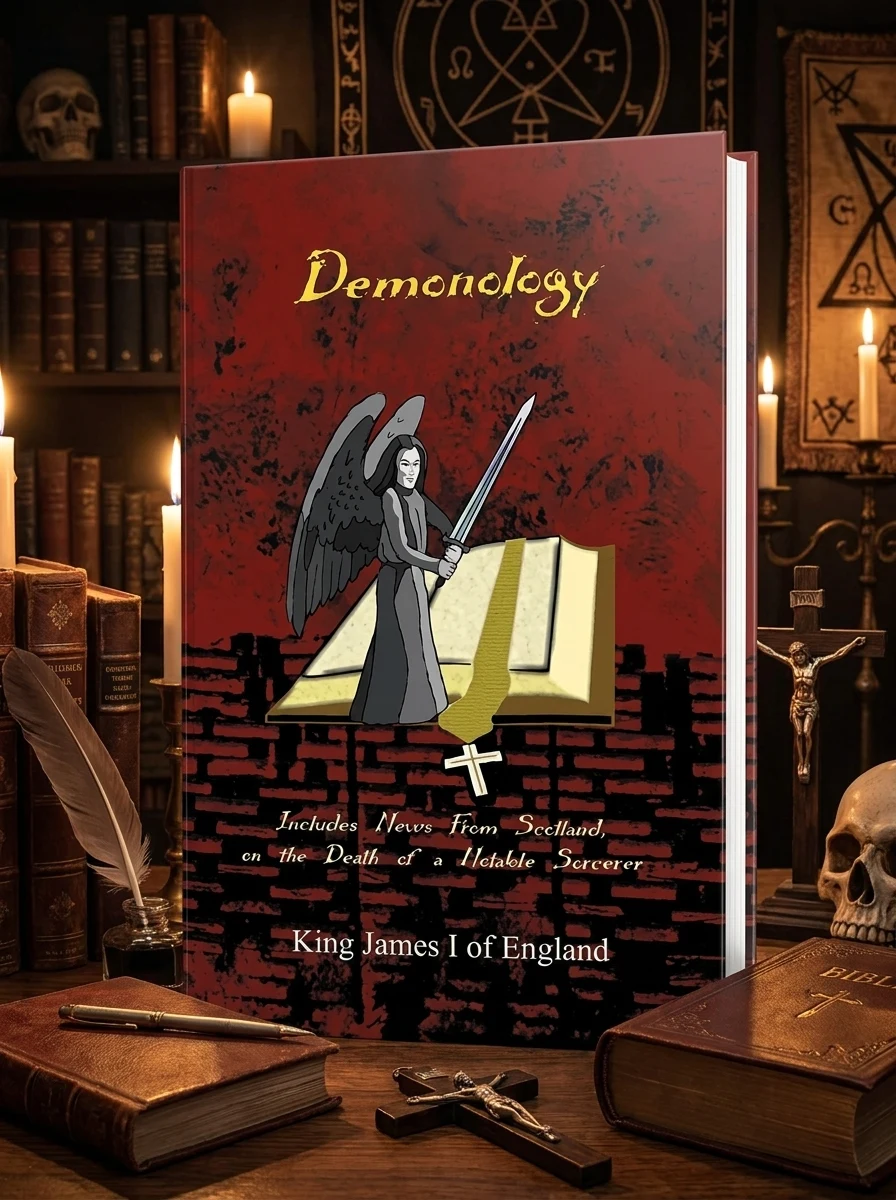
Demonology
James I, KingStock reported in the catalog; fulfillment is confirmed with your request.
James I’s visceral, handwritten account of witchcraft reveals his divine paranoia and political ruthlessness.
This rare manuscript offers an unfiltered glimpse into the mind of King James VI and I, written in his own hand. Far from a dry theological treatise, it serves as a psychological profile of a monarch who viewed himself as God’s chosen instrument. James details his fervent belief in Satan’s active role on earth and his personal mission to eradicate witches, whom he suspected had repeatedly attempted to assassinate him. The text exposes the raw fear and divine entitlement that drove his policies, providing a chilling look at the intersection of royal power, religious fanaticism, and supernatural dread during the early modern period.
This manuscript sits at the intersection of early modern political theory and religious fanaticism, reflecting the era's intense paranoia regarding supernatural threats to royal authority. It serves as a primary document for understanding how divine right was weaponized against perceived demonic conspiracies.


📝 Description: Demonology
💎 Expert review
📖 Why choose it
Why this book is worth reading
Readers fascinated by the psychological underpinnings of absolute monarchy will find this text invaluable. It offers a rare, unfiltered window into King James’s mind, revealing how personal fear and divine paranoia shaped state policy. Those interested in the historical intersection of religion and politics will appreciate the raw honesty of his self-portrait as God’s chosen instrument. It is essential for understanding the cultural climate that drove witch hunts, providing context beyond dry legal codes. The visceral nature of his handwritten account makes the abstract concept of 'divine right' terrifyingly concrete. You gain insight into how a ruler’s personal trauma can become national law.
⭐ Reader reviews
Reader rating
A friend in my study group recommended this one. Every rereading turns up something I missed. Well worth it.
As someone who reads a lot in this field, I can be picky. It pairs well with more modern commentaries on the same tradition. The symbolism is layered and generous to patient readers. My only regret is not ordering it sooner.
Came across this title in a footnote and had to track it down. A text you study rather than simply read.
Arrived faster than expected and well packaged. The language takes some getting used to, but it becomes part of the charm. My only regret is not ordering it sooner.
Bought this as a gift for my sister and ended up ordering a second copy for myself. Not a light read, but far more accessible than I feared. Some sections stopped me cold in the best way. A few pages arrived with light corner wear, though nothing serious. Solid, if not essential.
This is not a light read for casual enthusiasts of occult fiction or fantasy. It demands patience from those seeking clear, objective historical analysis, as it is deeply subjective and emotionally charged. Scholars looking for detached academic distance may find the author's bias overwhelming and his 'divine entitlement' off-putting. It does not suit readers who prefer theological treatises free of political maneuvering or those uncomfortable with the raw display of royal paranoia. However, for those willing to confront the ugly reality of power mixed with faith, it is a compelling, if disturbing, historical artifact that refuses to sanitize its subject's motives.
❓ Frequently asked questions
📖 Who should read this
Readers interested in the psychological underpinnings of absolute monarchy, the history of witch hunts, and the personal motivations behind the King James Bible. Scholars of early modern European religion will find this primary source indispensable for understanding royal ideology.
🎯 Key themes and symbolism
Royal Divine Right
Paranoid Theology
Political Control
💬 Quotes from the book
“He believed himself to be an instrument of God.”
“His mission was to seek out and kill witches.”
📜 Historical context
📚 Glossary
- Divine Instrument
- Witch-Hunt
- Satanic Ministers
📔 Questions to reflect on
- How does the fear of assassination shape a leader’s spiritual worldview?
- In what ways can religious conviction be used to justify political control?
- How does personal paranoia influence historical narratives of divine mandate?
✍️ More books by this author James I, King
All books by this author →
🏛 Books from this publisher Book Tree
All books from this publisher →
 90
90


You might also like
See more →
 89
89
 85
85
 83
83
 83
83