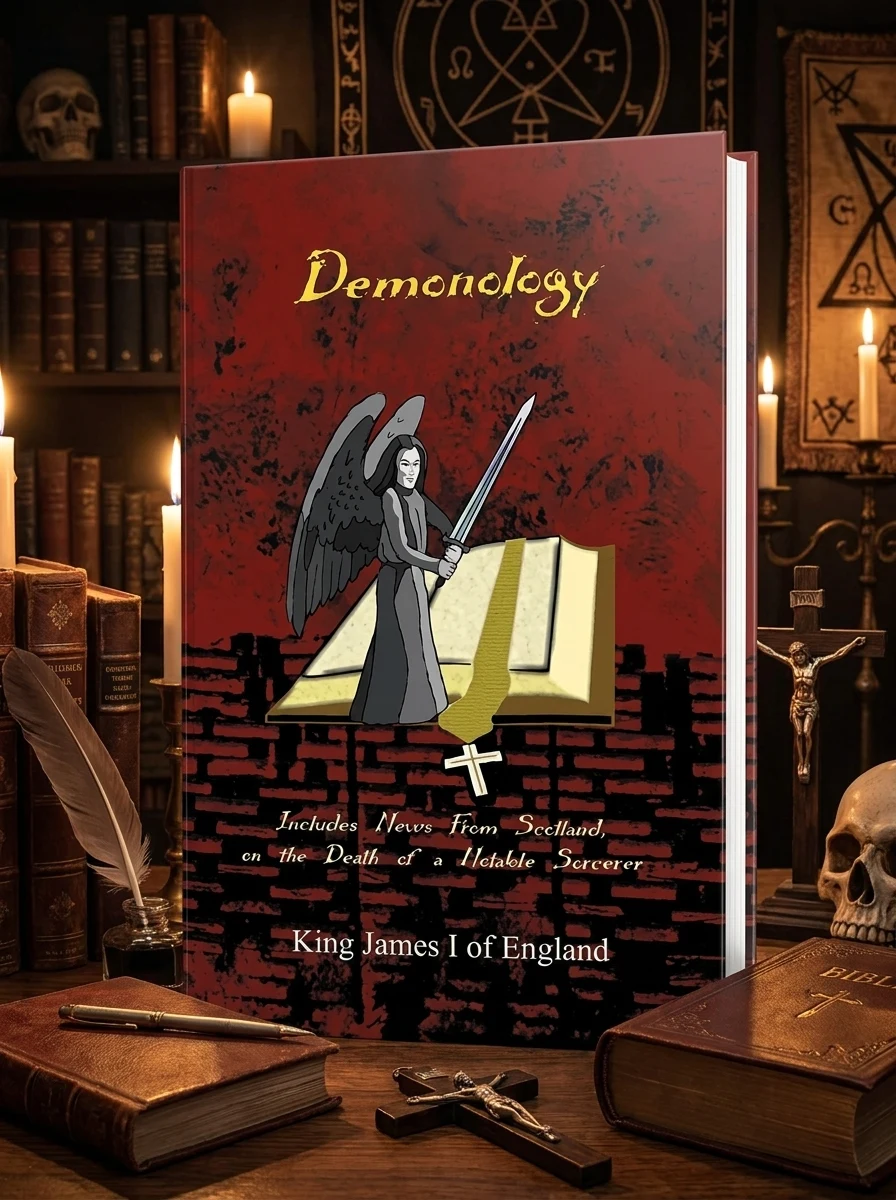
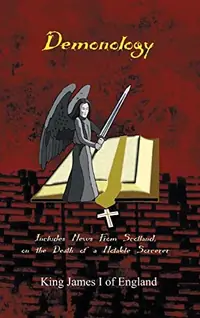
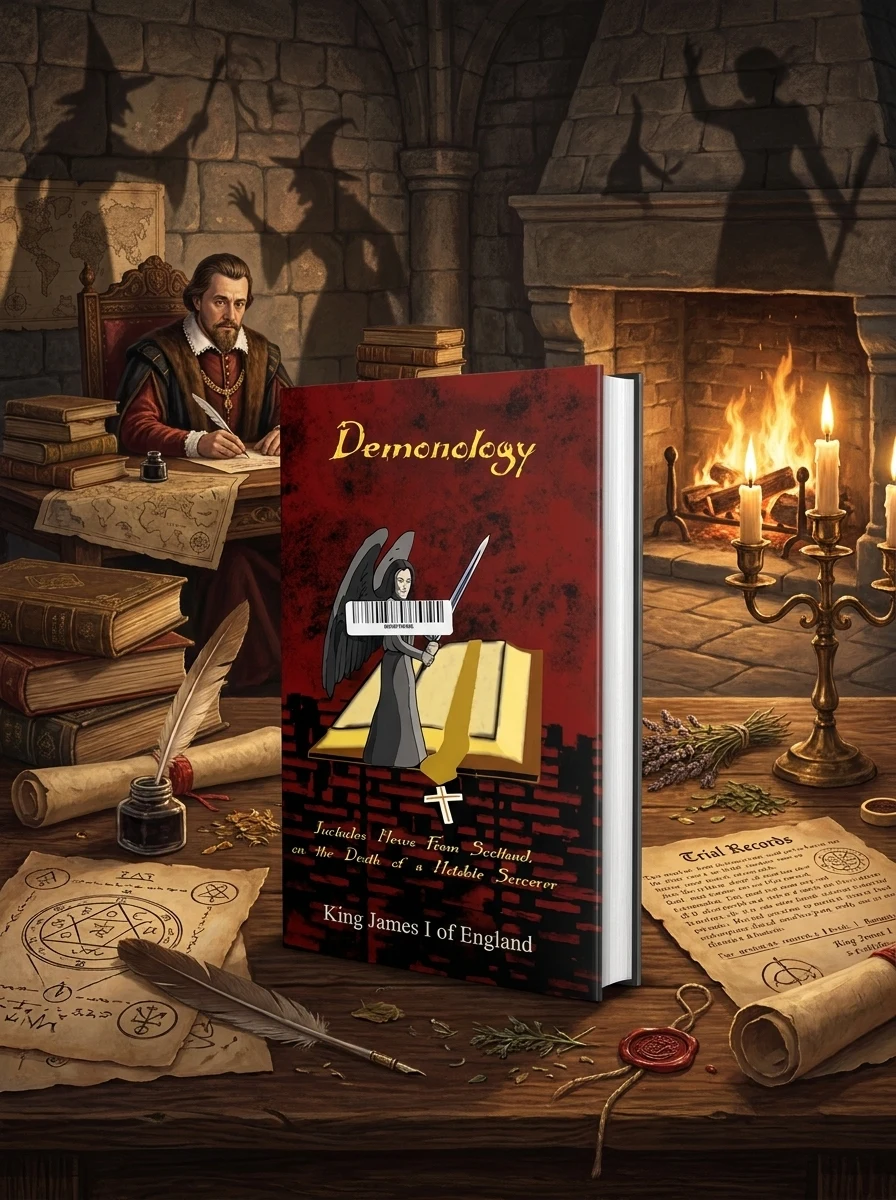
Demonology
Stock reported in the catalog; fulfillment is confirmed with your request.
Uncover the chilling insights of King James I into the dark arts and demonic possession.
King James I, a figure whose influence on religious thought is largely recognized through the eponymous Bible, also delved into the shadowy realm of the supernatural. In "Demonology," he meticulously explores the nature of evil spirits, their perceived methods of influencing humanity, and the theological justifications for their existence. This seminal work, penned by a monarch, offers a unique window into the anxieties surrounding witchcraft and demonic forces during a pivotal era in Christian history, shaping both legal and religious perspectives on the occult.
This work emerges from a pivotal era in Christian history, reflecting the intense anxieties surrounding witchcraft and demonic forces that shaped contemporary legal and religious perspectives. It stands as a significant artifact of early modern occult thought, bridging royal authority with theological inquiry into the supernatural.


📝 Description: Demonology
💎 Expert review
📖 Why choose it
Why this book is worth reading
This book offers a rare, intimate glimpse into the mind of a monarch who wielded immense power over both church and state. Readers will gain a profound understanding of how royal authority was intertwined with the fear of evil spirits during a critical period in history. It is essential for those seeking to comprehend the theological justifications used to validate the persecution of witches. By exploring King James I's meticulous analysis of demonic methods, audiences can appreciate the gravity placed on spiritual warfare at the time. This text provides necessary context for understanding the legal frameworks that governed occult practices, making it valuable for historians and enthusiasts of esoteric history alike who wish to see how royal decree influenced public perception of the dark arts.
⭐ Reader reviews
Reader rating
While this volume provides a fascinating historical document from King James I, it is not intended for readers seeking practical magical instruction or modern psychological analysis. The text is dense with theological argumentation and period-specific anxieties that may feel archaic to contemporary audiences. Those looking for engaging narratives or actionable occult techniques will likely find the content dry and overly academic. It serves best as a scholarly resource for understanding the intellectual climate of the era rather than as an entertaining read. Readers uninterested in the intersection of monarchy, law, and religious fear should look elsewhere, as this work is strictly a historical examination of demonic theory from a specific royal perspective.
❓ Frequently asked questions
📖 Who should read this
If you're fascinated by the historical intersection of theology, law, and the occult, or seeking to understand the mindset behind a foundational demonological text, this volume is essential. It offers profound insight into the fears and beliefs of a bygone era.
🎯 Key themes and symbolism
Unveiling Demonic Lore
King James I meticulously outlines his understanding of the infernal hierarchy, detailing the characteristics and capabilities of various evil spirits. He posits their insidious methods of influencing human affairs, from subtle temptations to overt possession, all within a theological framework that sought to rationalize their presence and power in the world.
Witchcraft and Its Condemnation
The monarch's treatise delves deeply into the perceived threat of witchcraft, examining the alleged pacts between humans and demons. It outlines the signs of a witch, the supposed rituals they perform, and the grave dangers they pose to Christian society, reflecting the intense paranoia and fervent persecution of the era.
Theological Underpinnings of Evil
King James weaves his observations on demonology directly into the fabric of Christian doctrine. He seeks to provide scriptural and theological reasons for the existence and actions of demonic forces, framing them as a divine test or a consequence of sin, thereby legitimizing the belief in, and the fight against, supernatural evil.
💬 Quotes from the book
“For to deny the existence of such spiritual adversaries is to betray the very foundations of our faith, leaving mankind exposed to unseen, insidious peril.”
“The most detestable and odious crimes are surely those of witchcraft, whereby unholy alliances are forged and Christian souls ensnared.”
📜 Historical context
📚 Glossary
- Demonology
- Witchcraft
- Possession
📔 Questions to reflect on
- How might King James's personal beliefs about demons have influenced his political and religious policies?
- In what ways do modern interpretations of evil or psychological struggles echo historical concepts of demonic influence?
- Considering the historical context, how did a text like "Demonology" shape public fear and legal action against perceived threats?
🏛 Books from this publisher Book Tree
All books from this publisher →
 90
90


You might also like
See more →
 89
89
 85
85
 83
83
 83
83
 75
75