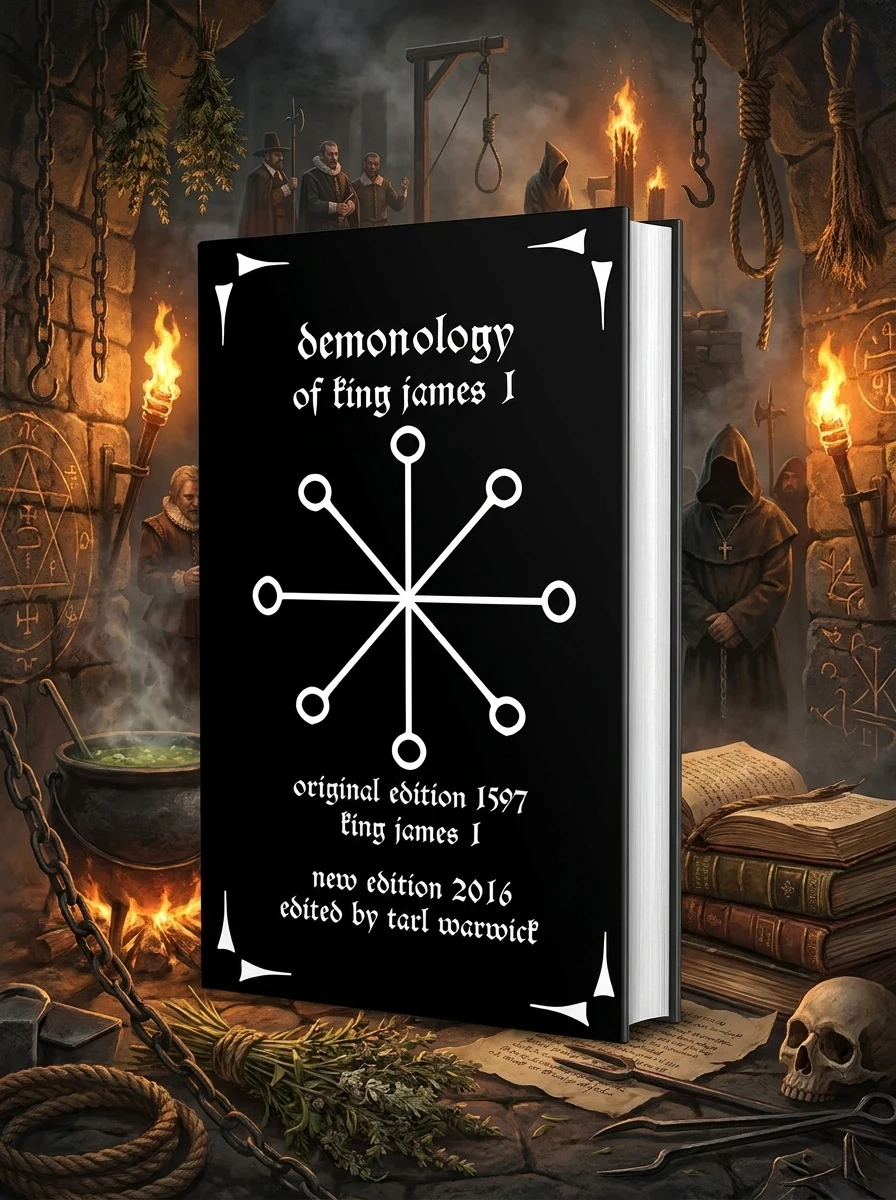
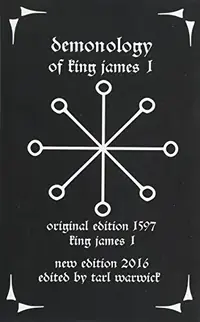
Demonology: Of King James I
James I, KingStock reported in the catalog; fulfillment is confirmed with your request.
Uncover the royal decree that fueled the darkest chapters of witch hunt hysteria.
Step into the mind of a monarch obsessed with the arcane. King James I's foundational text, penned during a period of intense religious fervor, meticulously outlines his understanding of witchcraft, demonic influence, and ethereal beings like fairies. Far from a neutral treatise, it serves as both a theological indictment of perceived magical practices and a practical guide for identifying and prosecuting those deemed sorcerers. He categorizes infernal spirits, denounces both perceived magical practitioners and Catholics, and chillingly advocates for capital punishment for all accused, even those practicing traditional healing arts.
This work emerges from the intense religious fervor of early modern England, serving as a foundational theological text during a period defined by royal obsession with the arcane and widespread witch hunt hysteria. It reflects the era's conflation of spiritual authority, political power, and the prosecution of perceived magical practices.


📝 Description: Demonology: Of King James I
💎 Expert review
📖 Why choose it
Why this book is worth reading
Readers fascinated by the intersection of royal authority, religious extremism, and historical fear will find this text invaluable. It offers a chilling glimpse into the mind of King James I, revealing how his personal obsessions directly fueled legal frameworks for persecution. Scholars of occult history gain insight into how theological indictments were weaponized to target not only sorcerers but also traditional healers and Catholics. Those interested in the mechanics of hysteria will appreciate the practical guide aspects included within the monarch's writings. This book is essential for understanding how state-sanctioned fear shaped societal norms and judicial outcomes during a time when the line between divine service and demonic influence was dangerously blurred by political necessity.
⭐ Reader reviews
Reader rating
This volume serves as a stark historical document rather than an entertaining read. It is strictly for those interested in primary sources regarding Stuart-era demonology and the legal justification of witch hunts. Readers seeking modern occult practices or sympathetic portrayals of accused individuals will find this text cold and oppressive, as it advocates capital punishment without nuance. It is unsuitable for casual readers or those sensitive to historical violence against marginalized groups. The content is dense with theological argumentation aimed at identifying infernal spirits and denouncing perceived enemies. While historically significant for its direct link to royal decree, it lacks literary charm and serves primarily as an indictment of the era's judicial cruelty rather than a balanced philosophical exploration.
❓ Frequently asked questions
📖 Who should read this
If you're drawn to the historical intersections of faith, power, and fear, or seek to understand the intellectual underpinnings of the European witch trials, this is an essential, albeit unsettling, read. It offers an unvarnished look into the mind of a pivotal historical figure.
🎯 Key themes and symbolism
Witchcraft and Its Persecution
This text provides King James's definitive, and chilling, perspective on the various forms of sorcery. It not only defines what constitutes witchcraft in his view but also lays out the grim methods for its detection and eradication. Readers will find a detailed justification for the brutal witch hunts of the era, advocating for severe penalties for all accused.
Demonic Hierarchies and Influence
James I delves into the complex world of infernal spirits, offering his own taxonomy and understanding of their powers and interactions with humanity. This section is crucial for comprehending the theological framework behind his fear of the occult, illustrating how he believed Satan manipulated individuals through pacts and dark arts.
Royal Religious Authority
Beyond addressing the supernatural, this work asserts the monarch's role as a divine protector against spiritual corruption. King James uses his royal platform to denounce not only witchcraft but also perceived religious heresies like 'Papistry,' intertwining political power with theological dogma to justify his extreme positions and consolidate control.
💬 Quotes from the book
“For the Witches are none other than the very instruments of the Devil, by whom he doth work his malice against the righteous.”
“The feeblest woman, if touched by the Devil's hand, becomes a potent vessel of destruction, deserving of the swift justice of God's earthly representatives.”
📜 Historical context
📚 Glossary
- Demonology
- Witchery
- Papistry
📔 Questions to reflect on
- How might King James I's personal beliefs and political ambitions have shaped his views on witchcraft and demonology?
- Reflect on the societal anxieties of the late 16th century that allowed a text like Demonology to gain such significant influence.
- In what ways do historical texts like this challenge or reinforce your understanding of religious authority and persecution?
✍️ More books by this author James I, King
All books by this author →
🏛 Books from this publisher Createspace Independent Publishing Platform
All books from this publisher →


You might also like
See more →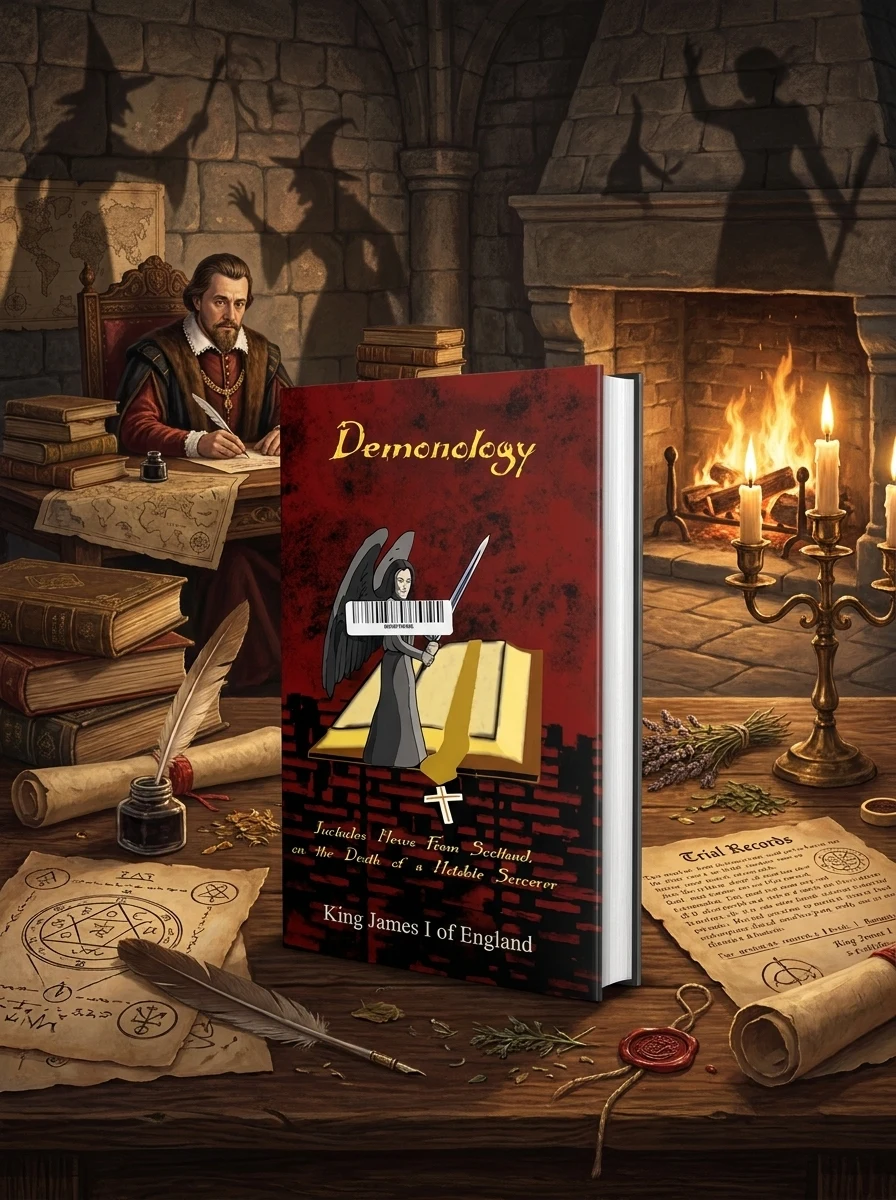

 91
91