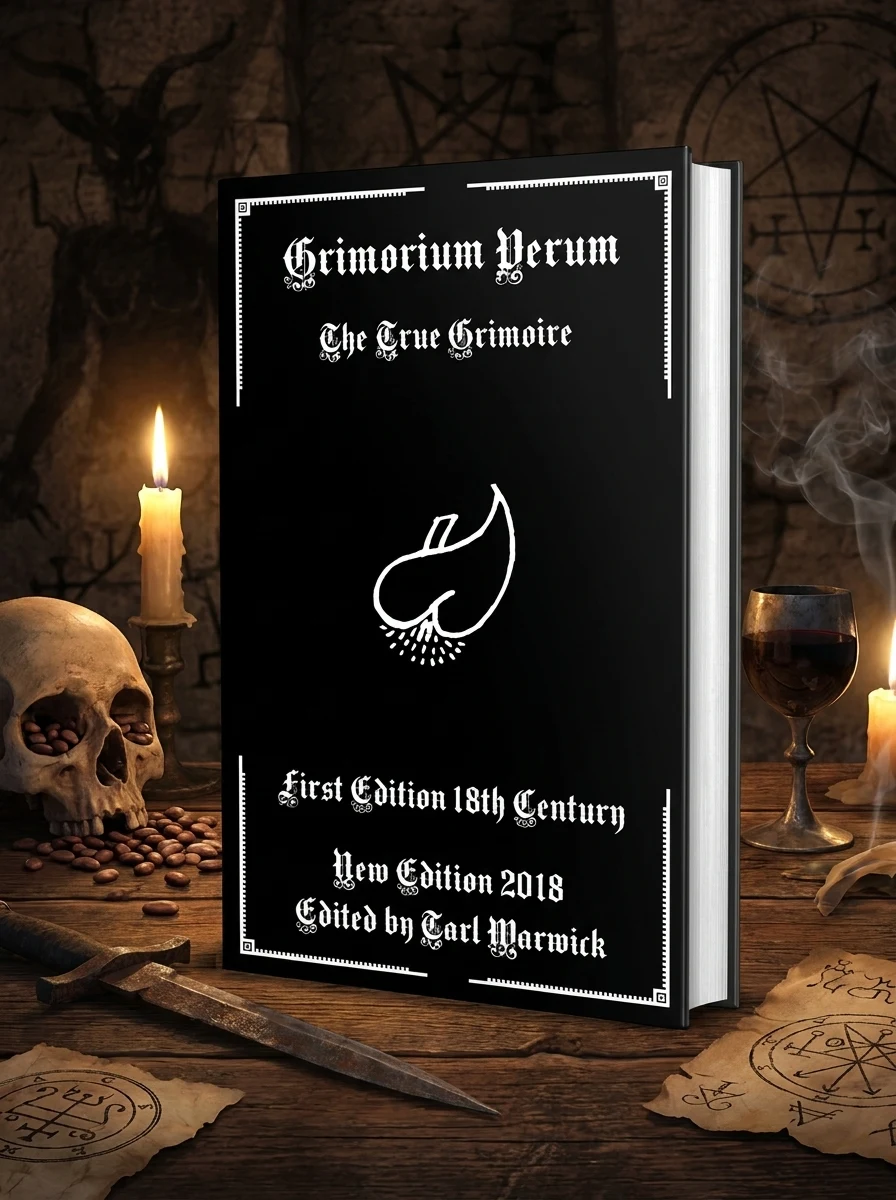
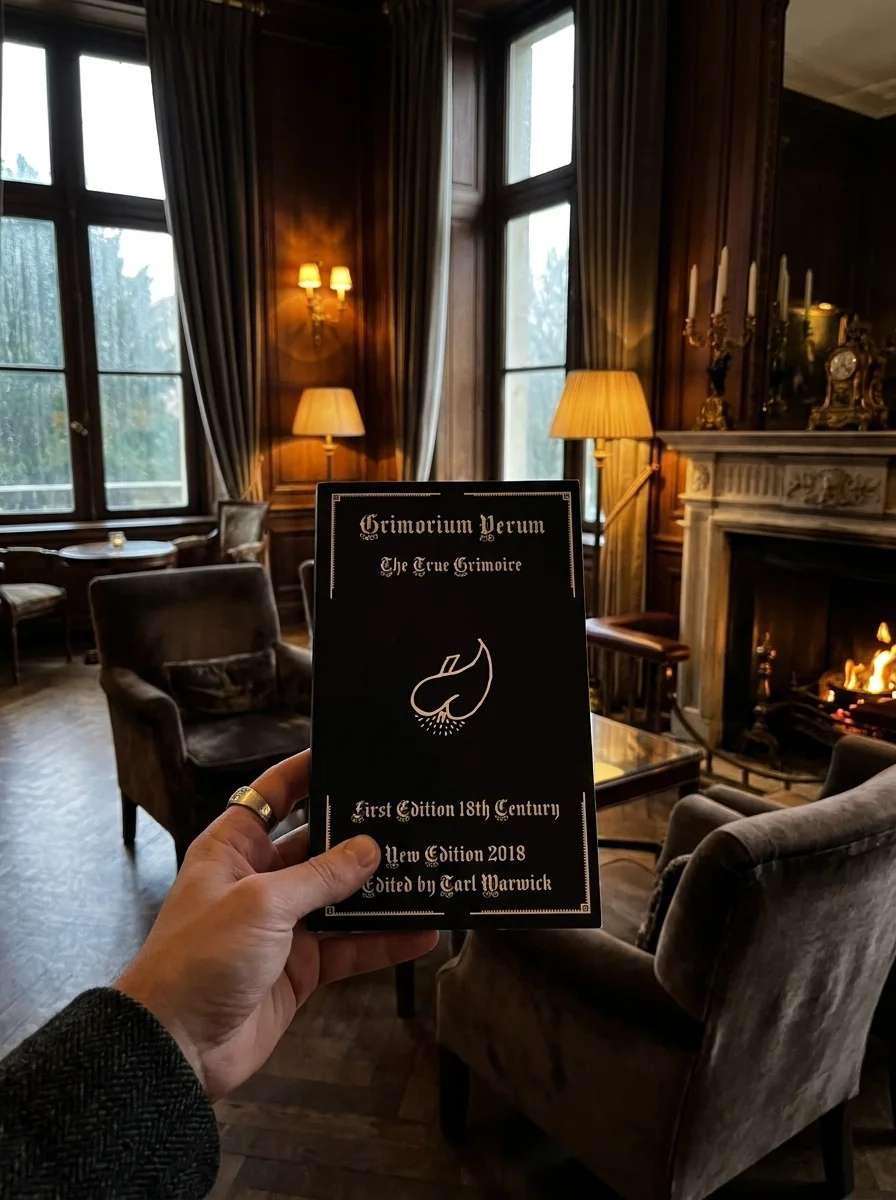
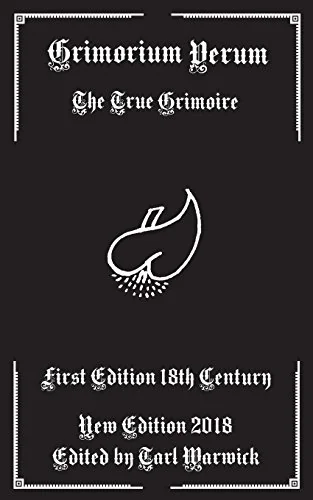
Grimorium Verum: The True Grimoire
This infamous grimoire, often shrouded in mystery, unveils potent rituals for those daring enough to tread the path of infernal conjuration. Delve into methods for summoning powerful entities such as Beelzebub and Lucifer, alongside lesser spirits, to command their influence. Beyond mere evocation, it details diverse magical operations, including obtaining invisibility through unsettling means and other sorcerous acts. For centuries, this text has been a whispered name among practitioners, representing a direct, albeit perilous, approach to acquiring forbidden knowledge and power.


📝 Description: Grimorium Verum: The True Grimoire
💎 Expert review
📖 Why choose it
Why this book is worth reading
Readers with a deep fascination for the darker aspects of occult history will find this volume particularly compelling. It serves as a direct gateway into the world of infernal conjuration, offering unvarnished access to rituals that have long been whispered about in esoteric circles. Those interested in the mechanics of demonic evocation, from summoning major entities like Lucifer to lesser spirits, will appreciate the practical nature of the content. Additionally, individuals curious about historical magical operations, such as spells for invisibility and other sorcerous acts, will discover a wealth of forbidden knowledge here. It is ideal for practitioners seeking a perilous yet authentic approach to acquiring power through direct engagement with these ancient and dangerous arts.
⭐ Reader reviews
Reader rating
While this grimoire offers a raw look into the tradition of demonic evocation, it is not suitable for casual readers or those new to occultism who may be unprepared for its intense subject matter. The text demands a serious engagement with themes of infernal conjuration and perilous rituals that are far removed from modern spiritual trends. It lacks the scholarly apparatus or historical context needed for academic study, relying instead on the mystique of forbidden knowledge. Readers seeking gentle meditation or ethical magical frameworks will likely find its direct approach to commanding spirits unsettling and inappropriate. This work is strictly for the dedicated enthusiast ready to confront the darker side of esoteric practice without distraction.
❓ Frequently asked questions
📖 Who should read this
For serious students of historical grimoires and advanced practitioners exploring darker Western esotericism, this text offers an unfiltered look into traditional demonic conjuration. It is not for casual dabblers, but for those seeking authentic, perilous magical knowledge.
🎯 Key themes and symbolism
Demonic Evocation
The core of this work lies in its detailed instructions for summoning and commanding infernal spirits. It outlines specific rites and incantations to compel entities like Lucifer and Beelzebub, guiding the practitioner through the perilous process of establishing dominion over these powerful beings.
Forbidden Sorcery
Beyond simple summoning, the Grimorium Verum explores a range of darker magical practices. It delves into operations designed to achieve tangible, often self-serving, results—from gaining invisibility through unsettling means to other potent, yet ethically challenging, magical workings for worldly gain or protection.
Ritualistic Practice
This grimoire is a manual emphasizing precise ritual execution. It details necessary preparations, tools, and specific timing for each operation. Success, it implies, hinges on strict adherence, underscoring the importance of method and discipline in its dangerous magical system.
📜 Historical context
📚 Glossary
- Grimoire
- Evocation
- Infernal Entity
📔 Questions to reflect on
- What ethical considerations arise when contemplating magical operations aimed at commanding spirits for personal gain, as detailed in texts like the Grimorium Verum?
- How do grimoires like this reflect the historical anxieties and desires of their era regarding power, hidden knowledge, and control over unseen forces?
- If one were to approach this text purely as a historical document, what insights does it offer into the evolution of Western occult traditions and practices?