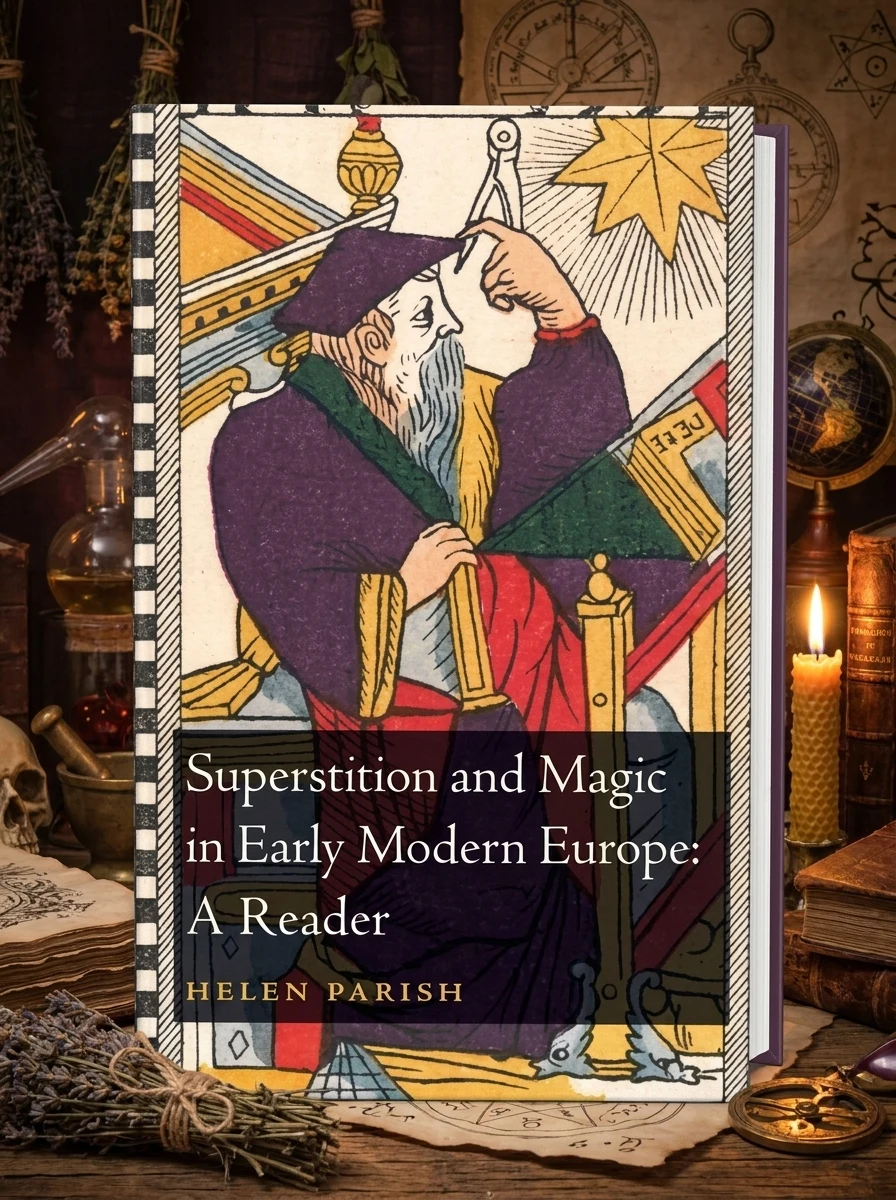
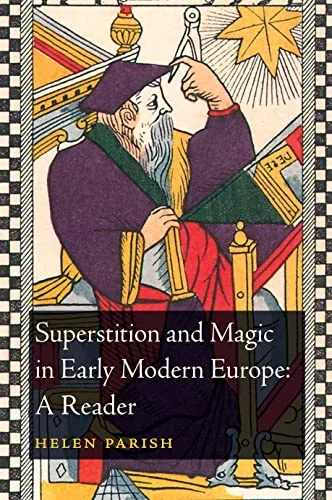
Superstition and Magic in Early Modern Europe: A Reader
This essential collection brings together seminal essays exploring the intricate tapestry of religion, magic, and popular belief in early modern Europe. Curated by Helen L. Parish, it showcases pivotal historical research that has illuminated the period's complex spiritual world. Readers will gain invaluable insight into how scholarly understandings of these subjects have developed, providing a robust intellectual framework and socio-political context for delving into the era's fascinating supernatural phenomena. It serves as an indispensable resource for anyone seeking to comprehend the profound influence of the unseen on daily life.


📝 Description: Superstition and Magic in Early Modern Europe: A Reader
💎 Expert review
📖 Why choose it
Why this book is worth reading
Scholars, historians, and dedicated enthusiasts of the occult will find immense value in this curated collection. Helen L. Parish provides an indispensable intellectual framework for understanding how unseen forces influenced daily life in early modern Europe. By bringing together seminal essays, the book illuminates the development of scholarly understandings regarding magic and religion. It offers robust socio-political context that is often missing from superficial accounts. Readers seeking to comprehend the profound influence of the supernatural on society will gain invaluable insight here. This resource transforms abstract historical concepts into a tangible understanding of the mystical landscape that once defined an entire continent's worldview.
⭐ Reader reviews
Reader rating
This academic anthology offers a rigorous examination of early modern superstition, making it ideal for university students and serious researchers. However, it is decidedly not suitable for casual readers seeking entertaining ghost stories or practical magical instruction. The dense scholarly tone and focus on historiographical development may alienate those looking for accessible narrative or personal application. It demands patience and a willingness to engage with complex theoretical frameworks rather than simple mythological tales. While essential for understanding the intellectual history of magic, it lacks the whimsical charm expected in popular occult literature.
❓ Frequently asked questions
📖 Who should read this
This collection is indispensable for students of early modern history, religious studies, and anyone with a serious academic interest in the occult. If you seek to understand the intellectual and social forces behind magic and belief systems of the past, this scholarly compendium will be profoundly enlightening.
🎯 Key themes and symbolism
Defining Superstition
Part One meticulously examines the concept of 'superstition' itself during the early modern period. These essays delve into how religious authorities, intellectuals, and common people understood and categorized beliefs and practices that fell outside official doctrine, offering nuanced perspectives on what was considered legitimate faith versus frowned-upon folk tradition.
Miracles vs. Magic
The nuanced boundary between divine intervention and forbidden sorcery forms a central tension explored in this volume. Contributors analyze the fraught relationship between miracles, accepted as God's work, and magic, often condemned as demonic or deceptive, revealing the theological and social arguments used to differentiate between the two powerful forces.
Witchcraft & Persecution
This section confronts the dark history of witchcraft accusations and trials that gripped early modern Europe. The essays dissect the cultural, legal, and gendered dimensions of these persecutions, offering crucial historical context for understanding the widespread fear, social anxieties, and judicial processes that led to countless tragic outcomes.
📜 Historical context
📚 Glossary
- Early Modern
- Historiography
- Magical Universe
📔 Questions to reflect on
- Reflect on how the early modern categorization of 'superstition' might still subtly influence our contemporary judgments of non-mainstream beliefs or practices. What parallels or divergences can you identify?
- Consider the socio-political power inherent in the ability to label an event as either a 'miracle' or 'magic' during this period. How did this distinction reinforce existing hierarchies or challenge them?
- If the 'magical universe' truly began to disintegrate in the face of scientific and religious opposition, what new frameworks or explanations emerged to fill the void for phenomena previously attributed to magic?