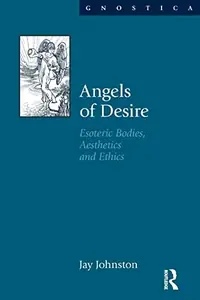
Angels of Desire: Esoteric Bodies, Aesthetics and Ethics Johnston, Jay
Johnston, JayStock reported in the catalog; fulfillment is confirmed with your request.
Unveil the unseen realms of self, desire, and consciousness beyond the physical form.
Jay Johnston delves into the profound concept of 'subtle bodies,' those non-physical, psycho-spiritual dimensions of self found across diverse esoteric traditions. This work fundamentally challenges entrenched Western dualisms—mind/body, spirit/matter—by presenting an understanding of embodiment not solely defined by the material. "Angels of Desire" meticulously explores the aesthetic and ethical implications of these ethereal forms, weaving together insights from yogic, Tantric, Hermetic, Sufi, and Theosophical wisdom to redefine human experience and spiritual identity.
This work sits at the intersection of contemporary esoteric philosophy and comparative religion, synthesizing ancient yogic, Tantric, Hermetic, Sufi, and Theosophical traditions to challenge modern Western dualism.


📝 Description: Angels of Desire: Esoteric Bodies, Aesthetics and Ethics Johnston, Jay
💎 Expert review
📖 Why choose it
Why this book is worth reading
Readers deeply invested in the study of subtle bodies and non-physical dimensions of existence will find this text indispensable. It offers a rigorous intellectual framework for those seeking to transcend entrenched Western mind-body dualisms, providing a holistic view of embodiment that integrates psycho-spiritual insights. By weaving together diverse esoteric wisdom from Yoga, Tantra, Hermeticism, Sufism, and Theosophy, the book redefines spiritual identity for those willing to engage with complex aesthetic and ethical implications. It is ideal for scholars and practitioners who wish to understand consciousness beyond the physical form, offering a profound reimagining of human experience through the lens of desire and unseen realms.
⭐ Reader reviews
Reader rating
Johnston provides a dense, scholarly exploration of subtle bodies across multiple esoteric traditions, effectively dismantling materialist assumptions about embodiment. While intellectually robust for those versed in comparative religion or occult philosophy, this work is not suited for casual readers seeking accessible spiritual self-help or simple narratives. The rigorous academic tone and complex synthesis of disparate systems may alienate those looking for practical meditation guides or straightforward dogmatic teachings. It demands active engagement with abstract concepts rather than offering easy answers, making it a specialized resource for serious students of esotericism rather than the general public.
❓ Frequently asked questions
📖 Who should read this
If you are a seeker intrigued by the non-physical dimensions of self, or a scholar challenging conventional Western thought, this book offers profound insights. It's for those eager to explore how ancient spiritual concepts redefine our understanding of ethics, aesthetics, and human desire.
🎯 Key themes and symbolism
Subtle Embodiment Redefined
This book redefines what it means to possess a body, moving beyond mere physicality to explore psycho-spiritual essences. It investigates how diverse esoteric paths conceive of these non-material forms, offering a radical departure from conventional biological understandings of self and experience and expanding our perception of human identity.
Challenging Western Dualisms
Johnston directly confronts the pervasive Western separation of mind from body, spirit from matter, and reason from emotion. By foregrounding the subtle body, the text demonstrates a holistic, integrated model of selfhood where these perceived divisions dissolve, fostering a more unified perspective on human existence and consciousness.
Esoteric Ethics & Aesthetics
Delving into how subtle bodies inform our sense of beauty and moral conduct, the book uncovers an ethical framework rooted in interconnectedness and an aesthetic appreciation extending beyond the tangible. It explores how these traditions shape our understanding of desire, interaction, and our place within the cosmos.
💬 Quotes from the book
“The true locus of our being often resides not in the tangible flesh, but in the shimmering, psycho-spiritual dimensions that interpenetrate and transcend it.”
“To understand the subtle body is to dismantle the artificial boundaries separating the sacred from the mundane, revealing an ethics of presence and an aesthetics of divine immanence.”
📜 Historical context
📚 Glossary
- Subtle Body
- Dualism
- Esoteric
📔 Questions to reflect on
- How might conceiving of yourself as a 'subtle body' rather than purely a physical one alter your daily perceptions or interactions with the world?
- Reflect on a time you felt a strong connection to something non-physical (an idea, a feeling, a spiritual presence). How does the concept of a subtle body help explain this experience?
- In what ways do traditional Western dualisms (mind/body, reason/emotion) limit our understanding of ourselves and others? How does an integrated view change this?
📖 From the series “Gnostica”
All books in the series →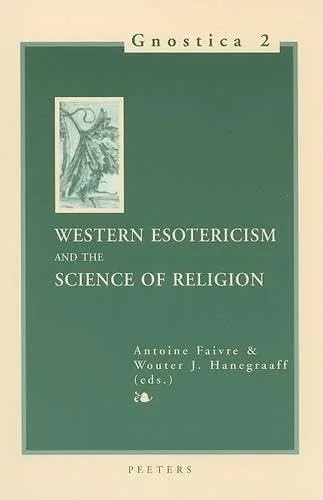
 90
90
✍️ More books by this author Johnston, Jay
All books by this author →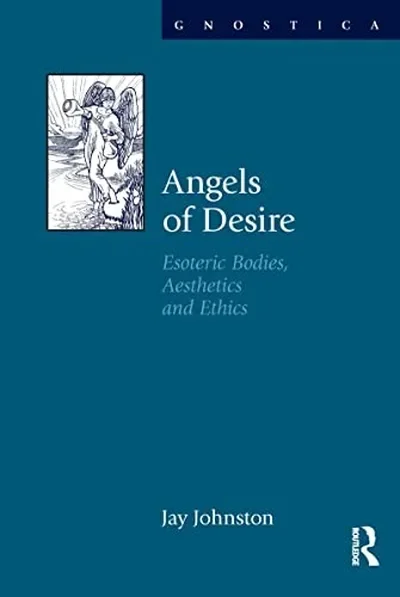
🏛 Books from this publisher Routledge
All books from this publisher →
 89
89

You might also like
See more →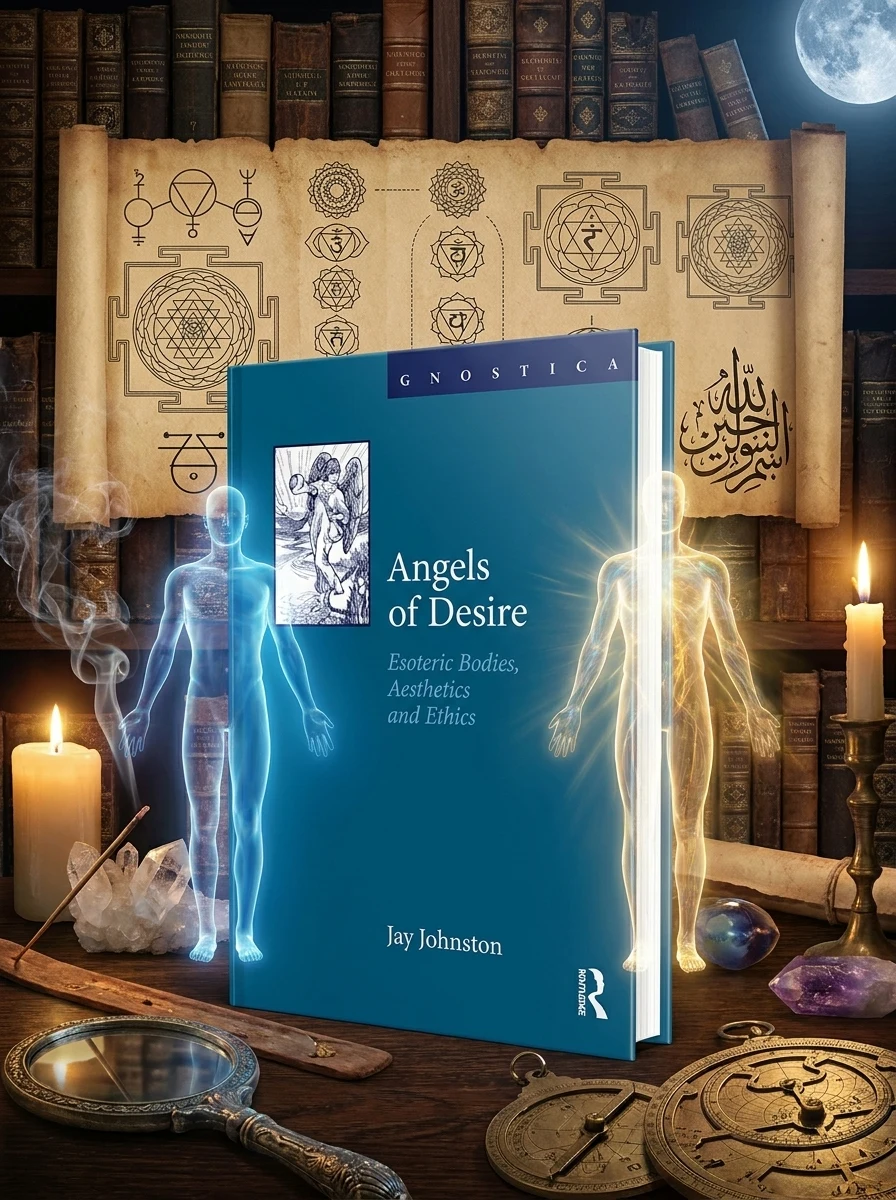
 91
91
 91
91