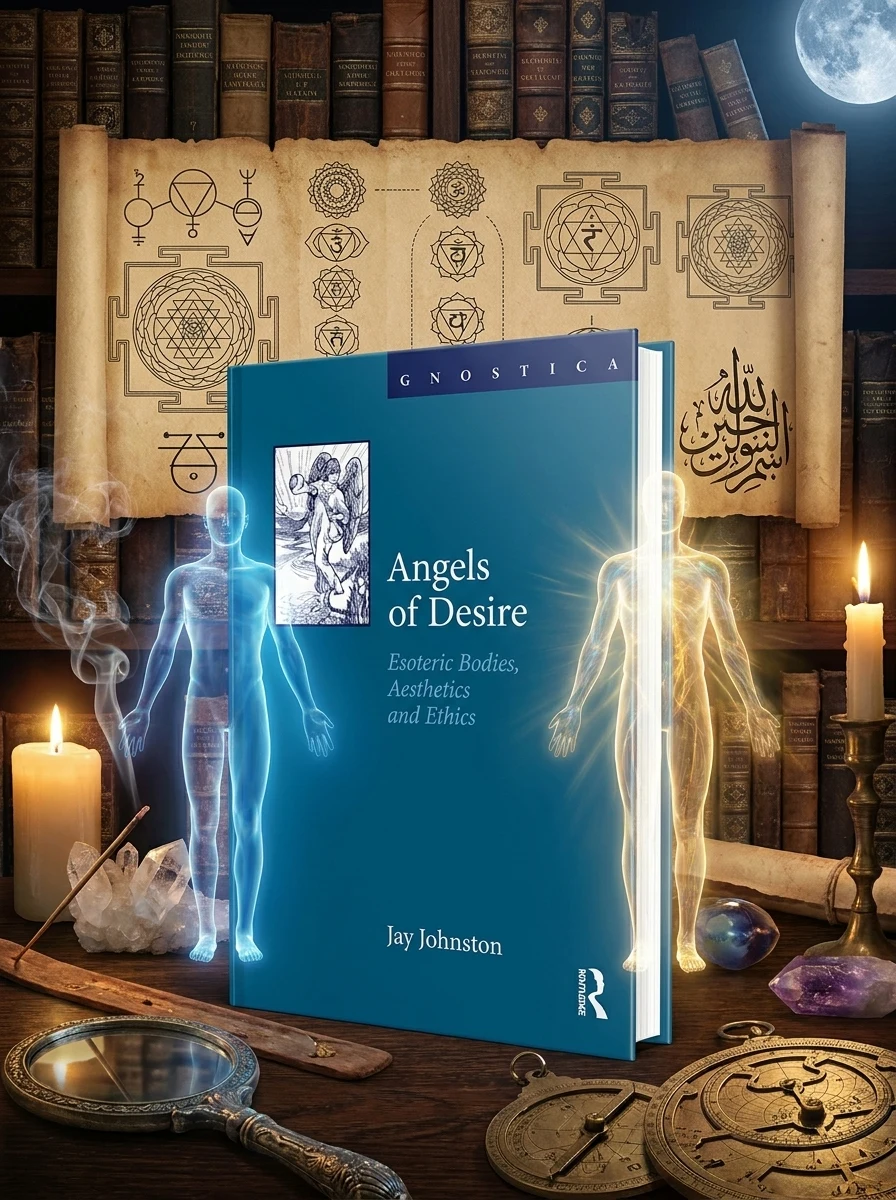
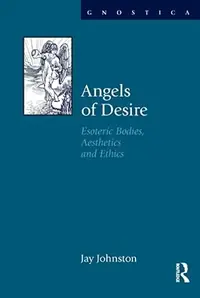
Angels of Desire: Esoteric Bodies, Aesthetics and Ethics Johnston, Jay
Johnston, Jay 89
89
 Editorial score
How we rate
Editorial score
How we rate
This edition can be ordered. No arrival date is confirmed.
Explore the subtle bodies that dissolve the rigid walls between spirit, flesh, and desire.
Jay Johnston presents a compelling examination of the subtle body concept across diverse esoteric traditions. By weaving together yogic, tantric, theosophical, hermetic, and Sufi perspectives, the text challenges Western dualisms that separate mind from matter or divine from human. This work reveals how psycho-spiritual essences reshape our understanding of selfhood, offering a framework where aesthetics and ethics intersect. It demonstrates that embodiment is not merely physical but deeply interconnected with desire and spiritual experience, providing fresh insights for philosophy, art history, and feminist religious studies.
This work sits at the intersection of contemporary esoteric philosophy and comparative religion, bridging historical yogic, tantric, and Sufi traditions with modern academic discourse. It addresses the ongoing scholarly conversation regarding the subtle body as a locus for rethinking dualisms in Western thought.


📝 Description: Angels of Desire: Esoteric Bodies, Aesthetics and Ethics Johnston, Jay
💎 Expert review
📖 Why choose it
Why this book is worth reading
This book is essential for readers weary of rigid mind-body dualisms who seek a more integrated understanding of selfhood through the lens of desire and aesthetics. It offers profound value to scholars in philosophy, art history, and feminist religious studies by revealing how psycho-spiritual essences reshape our conception of embodiment. Readers interested in the subtle bodies of yogic, tantric, theosophical, hermetic, and Sufi traditions will find a compelling framework that dissolves walls between spirit and flesh. It provides fresh insights for those exploring the ethical and aesthetic dimensions of spiritual experience, making it a vital resource for understanding the interconnected nature of desire and the divine in contemporary esoteric thought.
⭐ Reader reviews
Reader rating
Johnston delivers a rigorous examination of the subtle body, successfully weaving together diverse esoteric traditions to challenge Western dualisms. The text is intellectually dense, offering significant contributions to philosophy and art history by linking aesthetics with ethics. However, it may not suit readers seeking practical meditation guides or those uncomfortable with complex theoretical jargon. It is less accessible for casual occultists preferring straightforward ritual manuals, as its focus remains firmly on academic analysis of psycho-spiritual essences. The work demands patience but rewards the diligent reader with a nuanced perspective on embodiment that transcends traditional boundaries between the physical and the divine.
❓ Frequently asked questions
📖 Who should read this
Readers interested in comparative religion, esoteric philosophy, and feminist theology will find this vital. It is ideal for scholars seeking to bridge the gap between spiritual practice and theoretical discourse on the body.
🎯 Key themes and symbolism
Subtle Bodies
Esoteric Aesthetics
Non-Dual Embodiment
💬 Quotes from the book
“Embodiment not exclusively tied to materiality.”
“Challenges the dualisms at the heart of Western discourse.”
📜 Historical context
📚 Glossary
- Subtle Bodies
- Dualism
- Tantric
📔 Questions to reflect on
- How does the concept of a 'subtle body' change your perception of your own physical limitations?
- Where do you see the mind/body split causing tension in your daily life or creative work?
- How might integrating 'desire' as a spiritual force alter your ethical decision-making?
✍️ More books by this author Johnston, Jay
All books by this author →
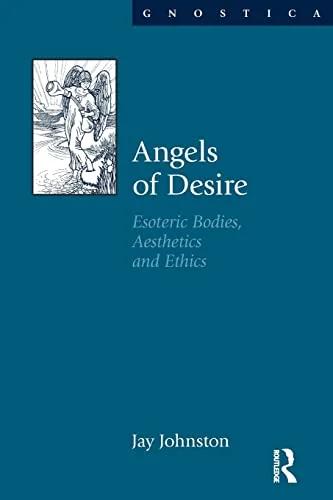
🏛 Books from this publisher Routledge
All books from this publisher →
 89
89

You might also like
See more →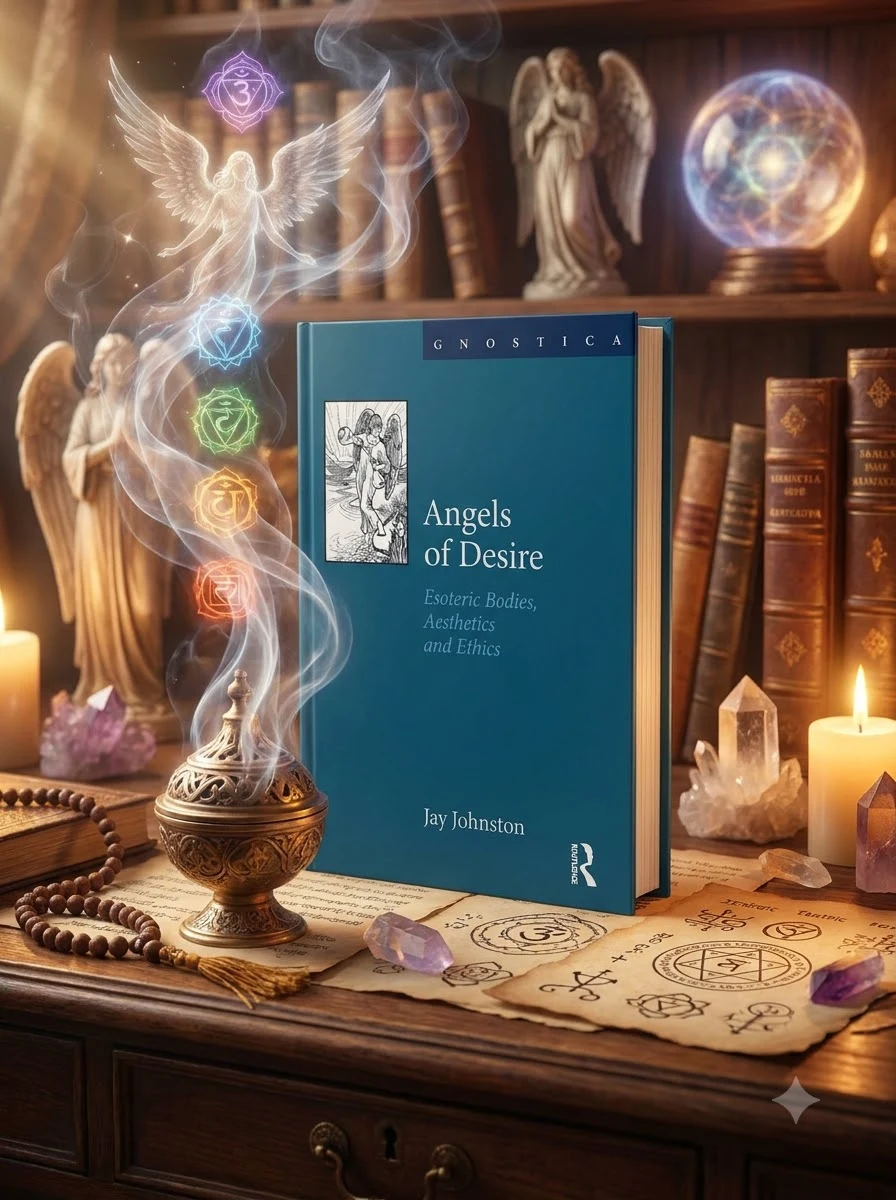
 91
91
 91
91
 90
90