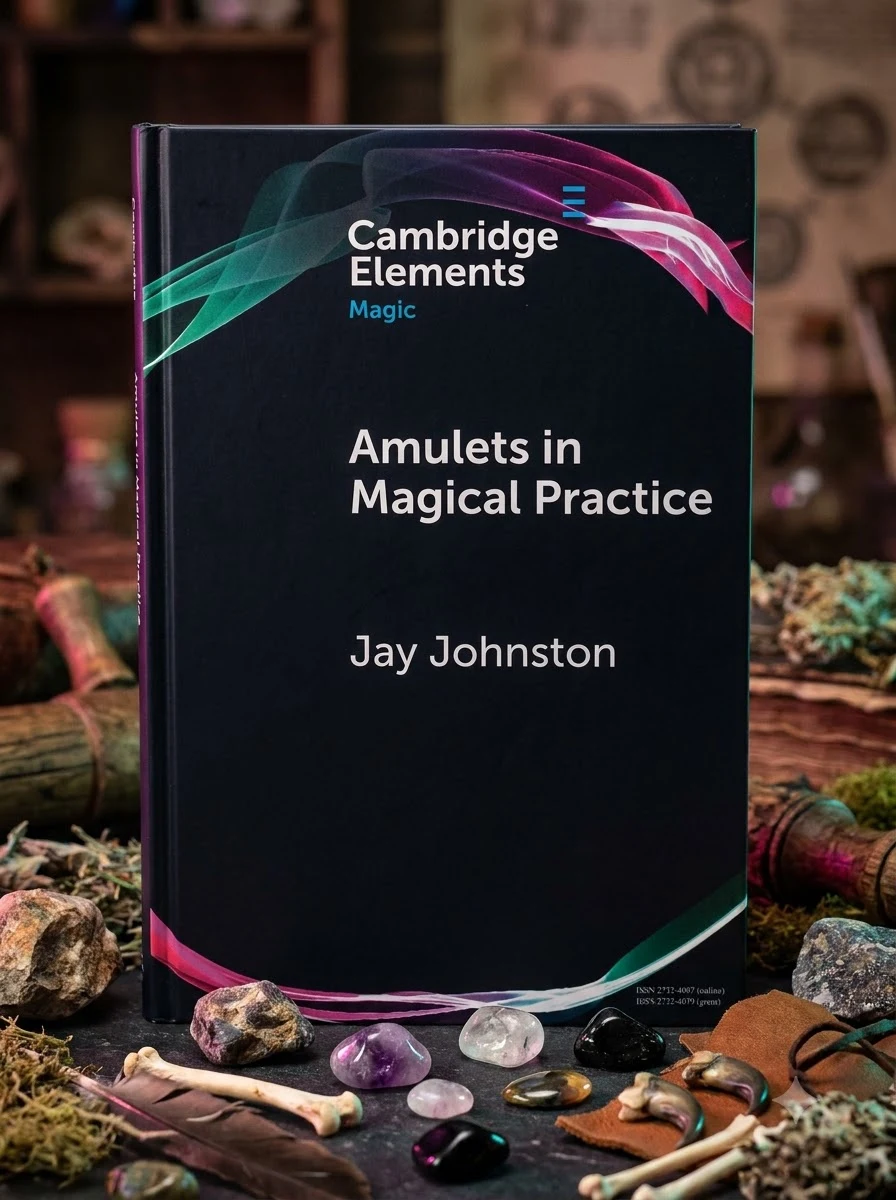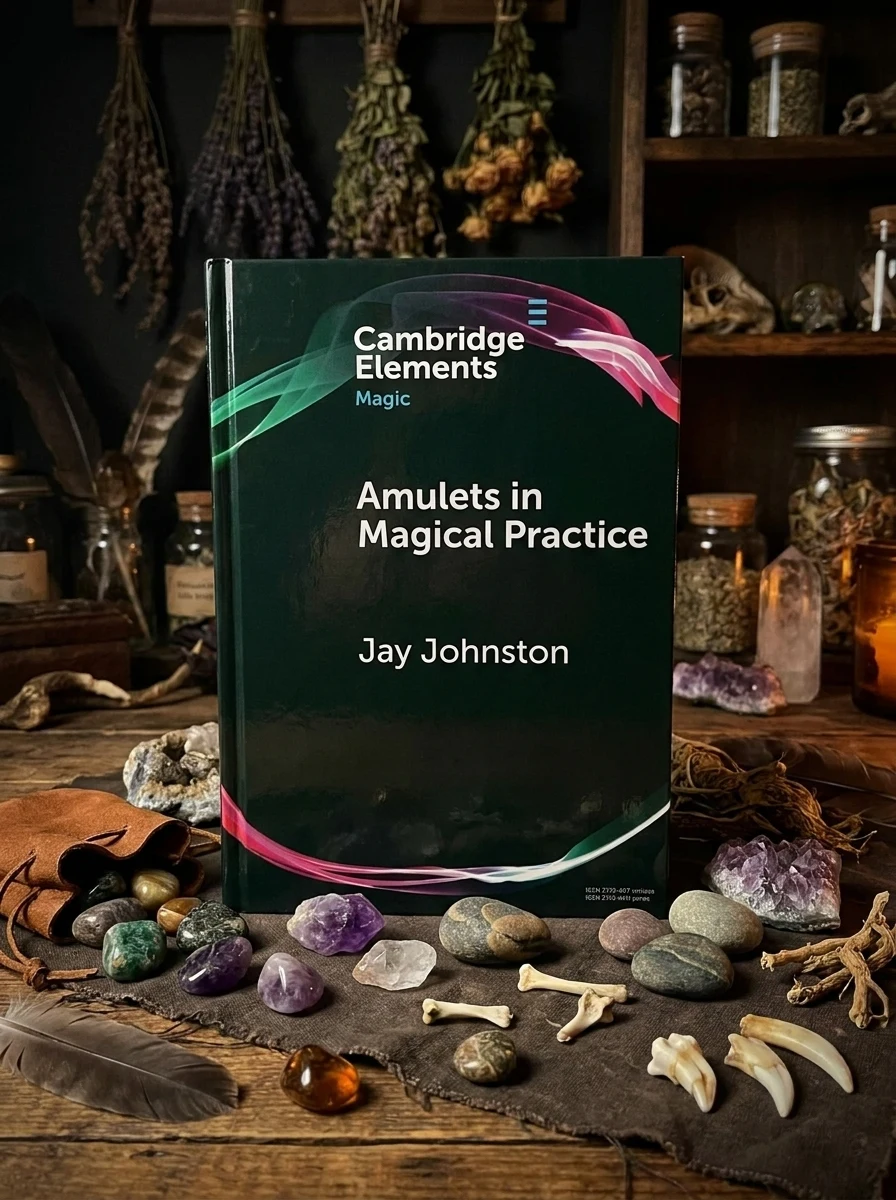
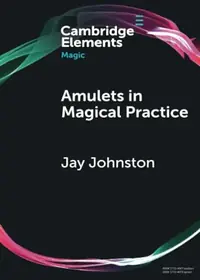
Amulets in Magical Practice Johnston, Jay
Johnston, JayStock reported in the catalog; fulfillment is confirmed with your request.
Unlock the ancient secrets of power imbued in natural amulets, from stone to bone.
This volume delves deeply into the fascinating world of amulets, exploring their creation and deployment in various magical traditions. Jay Johnston meticulously examines those potent objects that derive their power from their inherent material essence, rather than inscribed text or elaborate symbols. Readers will discover the profound significance attributed to natural elements like found stones, precious gems, and even animal remains, understanding how these seemingly simple components become vessels of protective and transformative energy.
This work sits firmly within the realm of English-language occult and esoteric literature, specifically focusing on the philosophical underpinnings of magical practice. It explores the historical and theoretical significance of natural amulets across various magical traditions.


📝 Description: Amulets in Magical Practice Johnston, Jay
💎 Expert review
📖 Why choose it
Why this book is worth reading
This book is an essential resource for practitioners who seek to understand the foundational mechanics of magical objects beyond mere inscription. Readers interested in the inherent power of natural materials will find deep satisfaction in Johnston’s meticulous examination of how stones, gems, and animal remains serve as vessels for protective energy. It appeals to those who value material essence over elaborate symbolism, offering a profound look at how simple components transform into potent tools. By focusing on the intrinsic qualities of these items, the text provides a grounded, scholarly yet accessible approach to understanding why certain natural elements hold such sway in magical practice, making it invaluable for both novice collectors and experienced esoteric scholars seeking theoretical depth.
⭐ Reader reviews
Reader rating
Jay Johnston offers a rigorous academic dissection of amulets derived from natural materials, appealing to those interested in the ontology of magical objects. However, this volume may not suit readers looking for practical instructions on crafting or activating charms, as it focuses heavily on analysis rather than application. It is also likely too theoretical for casual hobbyists seeking quick, simple rituals. The dense exploration of material essence might feel abstract to those preferring symbolic or textual approaches to magic. While intellectually stimulating for serious students of esoteric philosophy, it lacks the immediate utility expected by some practitioners.
❓ Frequently asked questions
📖 Who should read this
If you are drawn to the tangible aspects of magic, fascinated by ancient protective arts, or seek to understand the power embedded in natural objects, this book is an indispensable guide. It offers profound insights for both seasoned practitioners and curious students of occult traditions.
🎯 Key themes and symbolism
Materiality of Amulets
This book emphasizes the raw, inherent power of natural objects. It explores how items like unworked stones, potent crystals, and organic components from animals are chosen and consecrated to serve as protective or empowering talismans, bypassing the need for complex inscriptions to convey their magical intent.
Crafting Sacred Objects
Johnston details the practical aspects behind the creation and deployment of these potent objects. Beyond their mere existence, the text illuminates the rituals and intentions involved in their making, how they are charged, and their diverse applications in magical practice for protection, healing, or attracting specific energies.
Beyond Written Charms
Diverging from more common studies of inscribed talismans, this work focuses on the efficacy of objects whose power is primarily derived from their intrinsic properties or the energies they naturally embody. It highlights a tradition of magic where the raw essence of a material, rather than a written spell, is the primary magical conduit.
💬 Quotes from the book
“The true potency of an amulet often resides not in the artist's hand, but in the earth's raw gift—a stone worn smooth by time, a feather shed from a sacred bird.”
“To activate an amulet is to enter into a dialogue with its intrinsic spirit, forging a bond that transforms a mere object into a conduit of intention.”
📜 Historical context
📚 Glossary
- Amulet
- Talisman
- Apotropaic
📔 Questions to reflect on
- Reflect on an object you possess that holds personal significance or seems to radiate a unique energy. How does its material form contribute to its perceived power?
- If you were to create a personal amulet using only natural, non-inscribed elements, what materials would you choose and what intention would you imbue it with?
- Consider a historical or cultural tradition of amulets you are familiar with. How might Johnston's insights on non-textual magic alter your understanding of their efficacy?
📖 From the series “Elements in Magic”
All books in the series →
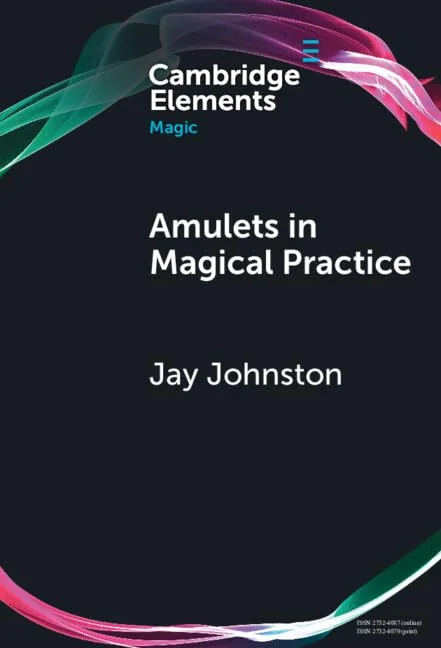
✍️ More books by this author Johnston, Jay
All books by this author →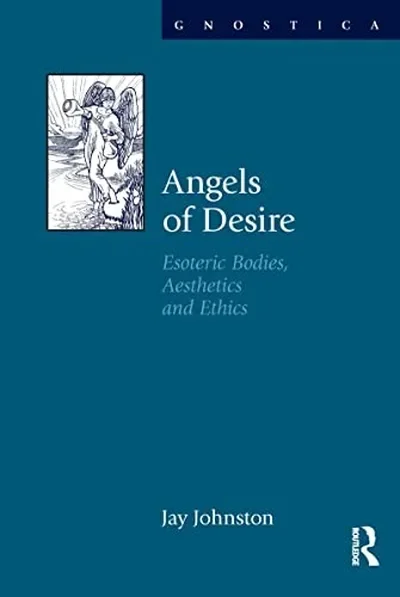
🏛 Books from this publisher Cambridge University Press
All books from this publisher →
 75
75

You might also like
See more →