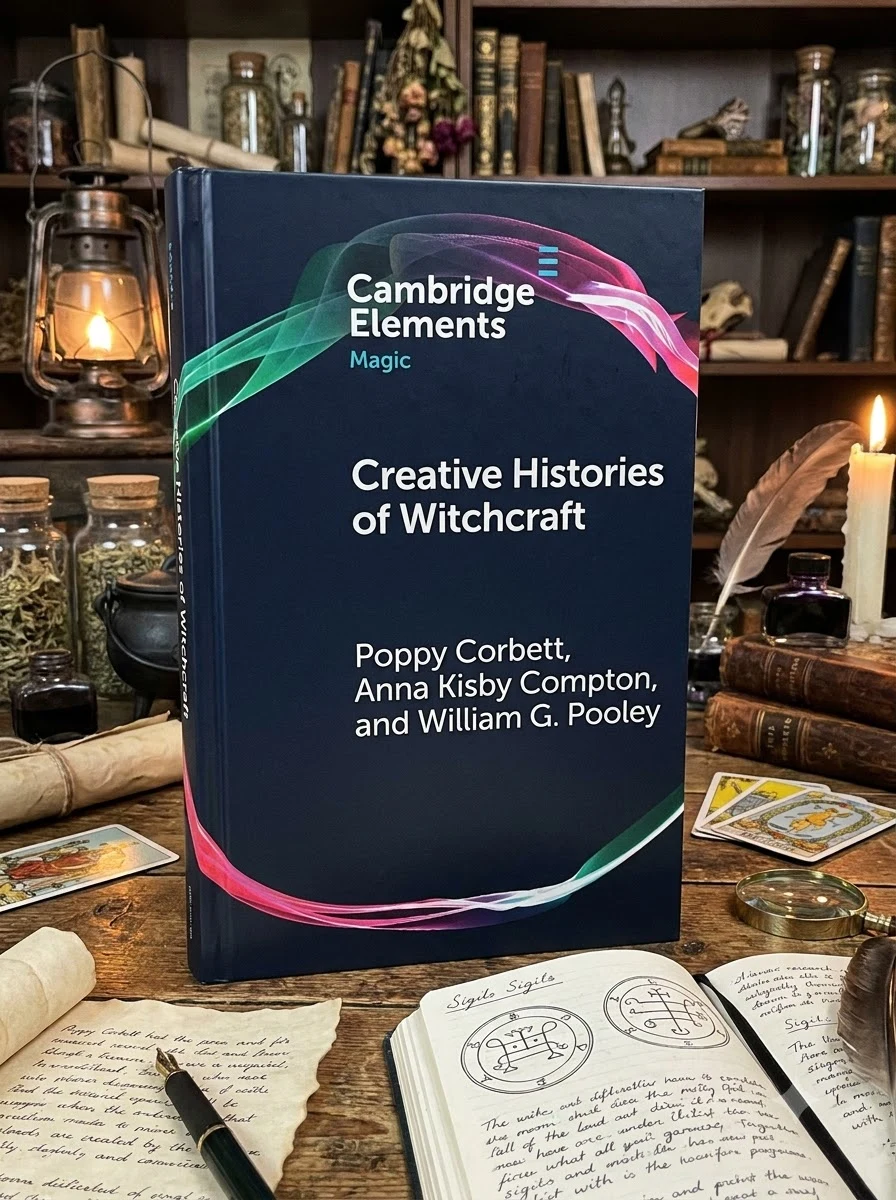
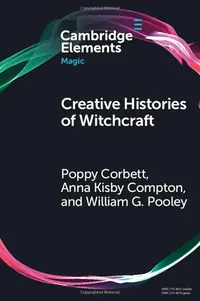
Creative Histories of Witchcraft Corbett, Poppy
Stock reported in the catalog; fulfillment is confirmed with your request.
Can we study magic's history without stripping away its inherent mystery?
This groundbreaking work by Poppy Corbett, Anna Kisby Compton, and William G. Pooley offers an innovative approach to understanding witchcraft. It challenges conventional academic methods, proposing that the arcane nature of magic needn't be diminished by scholarly inquiry. Through a unique collaborative effort blending theatrical, poetic, and historical perspectives, the authors present thirteen distinctive "tools." These methodologies are designed to creatively engage with the past, allowing researchers and enthusiasts alike to explore the depths of magical traditions while preserving their enigmatic essence.
This publication resides within the contemporary academic discourse on occult history, specifically bridging the gap between rigorous scholarly inquiry and living esoteric traditions. It represents a modern shift in how witchcraft is studied, moving away from detached observation toward immersive, creative engagement with magical heritage.


📝 Description: Creative Histories of Witchcraft Corbett, Poppy
💎 Expert review
📖 Why choose it
Why this book is worth reading
Readers who find traditional historical texts too dry or overly analytical will find profound value in this innovative approach. It is ideal for scholars, practitioners, and enthusiasts who wish to explore the depths of magical traditions without losing their enchanting essence. By blending theatrical, poetic, and historical perspectives, the book offers thirteen distinctive tools that allow for a creative engagement with the past. Those seeking to understand witchcraft while preserving its enigmatic core will appreciate this unique collaborative effort. It is not just a history book but a methodological guide for those who believe mystery is essential to the study of magic.
⭐ Reader reviews
Reader rating
This groundbreaking work challenges conventional academic methods by proposing that magic's arcane nature need not be diminished by scholarship. The authors present a refreshing alternative to standard historiography through thirteen creative methodologies. However, readers seeking straightforward factual recounting or detached, objective analysis may find this approach frustratingly abstract or lacking in traditional rigor. It is strictly for those comfortable with interdisciplinary blending of poetry and theater. While intellectually stimulating for the right audience, it may alienate purists who prefer clear, linear narratives over experimental forms that prioritize mystery over explicit documentation.
❓ Frequently asked questions
📖 Who should read this
If you're an academic seeking innovative research methods, an artist exploring historical themes, or a practitioner curious about the scholarly treatment of magic, this book offers a fresh and inspiring perspective on how to respectfully and creatively engage with the mysteries of witchcraft.
🎯 Key themes and symbolism
Creative Academic Inquiry
This book pioneers a revolutionary methodology for academic engagement, suggesting that subjects like witchcraft demand more than dry analysis. It blends artistic expression—through playwrighting and poetry—with rigorous historical research, creating a richer, multi-faceted lens through which to explore complex and often misunderstood spiritual traditions.
Preserving Mysticism
A central question addressed is how to intellectually approach magic without reducing it to mere superstition or historical artifact. The authors provide a framework for scholars and practitioners to delve into the enigmatic world of witchcraft, allowing its inherent wonder and inexplicable qualities to remain, fostering a deeper, more respectful understanding.
Interdisciplinary Collaboration
Highlighting the power of diverse perspectives, the book itself is a product of a unique alliance between a playwright, a poet, and a historian. This collaborative model demonstrates how blending distinct academic and artistic disciplines can illuminate historical subjects in ways that a singular approach simply cannot achieve.
💬 Quotes from the book
“To dissect a mystery is not to destroy it, but to reveal its deeper, more intricate heart.”
“Our thirteen tools are not merely methods; they are lenses through which the unseen might finally begin to speak.”
📜 Historical context
📚 Glossary
- Esoteric
- Historiography
- Interdisciplinary
📔 Questions to reflect on
- How might a creative approach transform your own understanding of historical or spiritual topics, moving beyond conventional analysis?
- Consider a "mystery" within your field or personal interest. How could an interdisciplinary, artistic exploration illuminate it differently?
- Reflect on the tension between academic rigor and intuitive understanding in esoteric studies. How do you navigate or reconcile these approaches?
📖 From the series “Elements in Magic”
All books in the series →
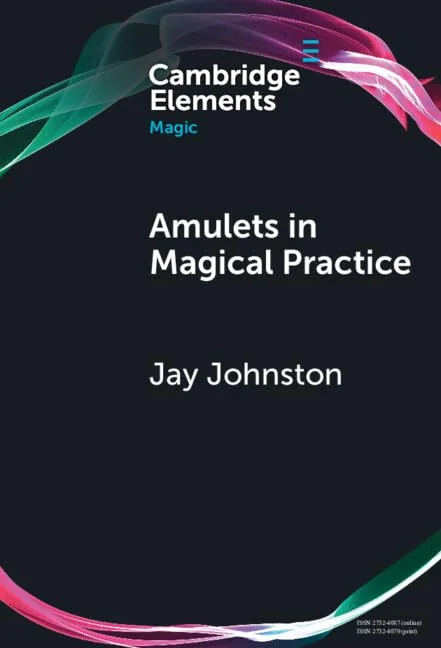
🏛 Books from this publisher Cambridge University Press
All books from this publisher →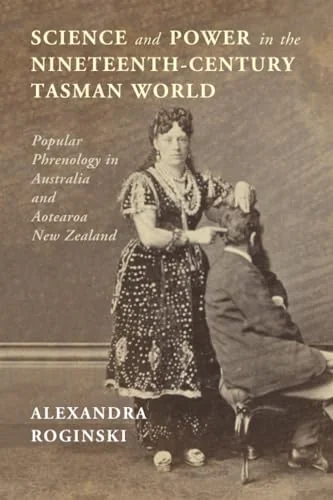
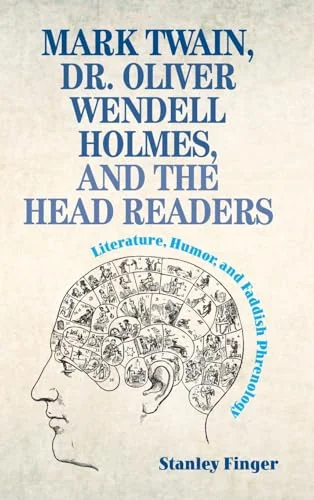
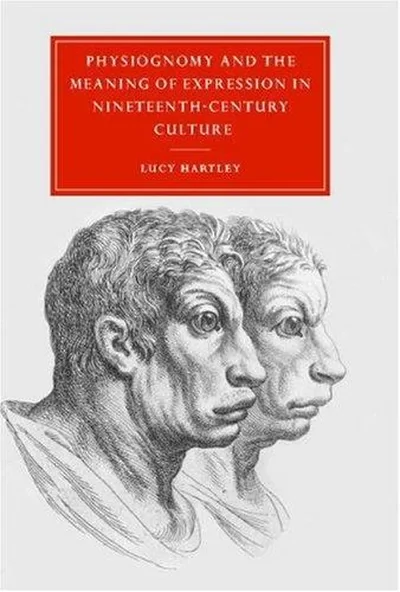
 75
75

You might also like
See more →
 90
90
 89
89
