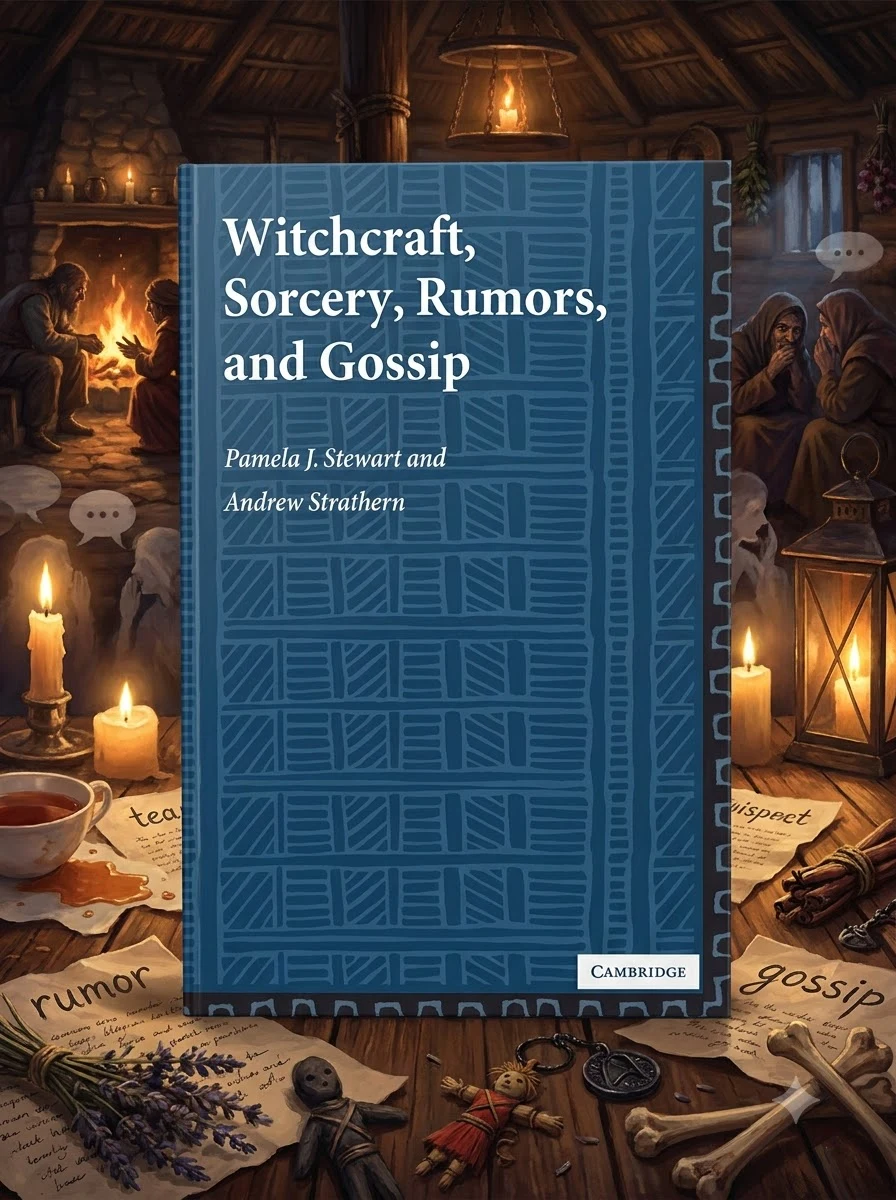
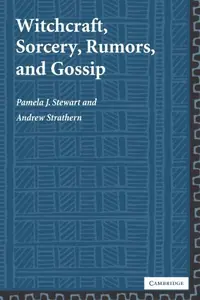
Witchcraft, Sorcery, Rumors, and Gossip Stewart, Pamela J
Stewart, Pamela J; , Strathern, AndrewStock reported in the catalog; fulfillment is confirmed with your request.
Whispers can conjure more than just rumors; they can weave accusations of dark magic.
Delve into the intricate dance between social discourse and perceived supernatural malevolence. This insightful academic work meticulously unpacks how the seemingly mundane acts of gossip and rumor-spreading don't just precede, but actively fuel, the often devastating accusations of witchcraft and sorcery across cultures. It offers a compelling examination of how human communication shapes beliefs in magical harm, revealing the profound social underpinnings of these ancient phenomena.
This work belongs to the academic tradition of anthropological and sociological studies concerning witchcraft and sorcery, specifically examining the intersection of social discourse and supernatural belief systems.


📝 Description: Witchcraft, Sorcery, Rumors, and Gossip Stewart, Pamela J
💎 Expert review
📖 Why choose it
Why this book is worth reading
This book is essential for scholars, students of anthropology, and anyone deeply interested in the mechanics of social dynamics who wish to understand how gossip functions as a tool of power. It appeals to those fascinated by the subtle ways human communication shapes reality and fuels accusations of dark magic. Readers seeking to uncover the profound social underpinnings of ancient phenomena will find immense value here. It offers a compelling examination of how mundane acts weave into devastating narratives, providing critical insight into the intricate dance between discourse and perceived malevolence across various cultures.
⭐ Reader reviews
Reader rating
This academic text meticulously unpacks how rumor-spreading fuels accusations of witchcraft, offering a rigorous analysis of social discourse's role in shaping magical beliefs. It is a valuable resource for those interested in the structural mechanisms of accusation. However, it does not suit readers seeking practical spellcasting guides, historical narratives of specific trials, or accessible popular history. Those looking for light entertainment or straightforward folklore collections will likely find its dense, theoretical approach to social phenomena too abstract and dry, as it prioritizes scholarly deconstruction over engaging storytelling or actionable esoteric knowledge.
❓ Frequently asked questions
📖 Who should read this
For scholars of anthropology, students of magick studies, or anyone fascinated by the social construction of belief and the power of language to shape reality. If you're intrigued by how human interaction gives rise to perceived supernatural threats, this book offers profound insights.
🎯 Key themes and symbolism
Social Roots of Magic
Explore how the belief in magical harm, like witchcraft and sorcery, isn't just about supernatural forces but is deeply embedded in human societal structures. The book illuminates the social functions and implications of these beliefs, demonstrating their powerful impact on communities.
The Power of Tongues
Uncover the significant role that informal communication—specifically rumors and gossip—plays in igniting and propagating accusations of dark magic. This work highlights how everyday talk transforms suspicion into conviction, making words themselves potent catalysts for social upheaval.
Accusation & Community
Examine the profound ways accusations of witchcraft and sorcery manifest within social groups. The book analyzes the dynamics of blame, fear, and ostracization, illustrating how these beliefs can both enforce social norms and tear communities apart through suspicion and fear.
💬 Quotes from the book
“The seemingly innocuous act of social commentary often serves as the fertile ground from which accusations of extraordinary malevolence take root.”
“Understanding the social pathology of rumor is paramount to grasping the cultural logic underpinning beliefs in magical harm and its societal repercussions.”
📜 Historical context
📚 Glossary
- Witchcraft
- Sorcery
- Gossip
📔 Questions to reflect on
- Consider a time when a rumor or piece of gossip significantly altered perceptions of an individual or situation. How might this dynamic relate to historical accusations of witchcraft?
- In what ways do contemporary social media platforms act as new arenas for the spread of "rumors and gossip," and could they parallel the mechanisms described in this book regarding social accusation?
- Reflect on your own community: what unstated social rules or anxieties might lead to suspicion or fear of those perceived as "different" or "outsiders," potentially echoing themes of witchcraft accusation?
📖 From the series “New Departures in Anthropology”
All books in the series →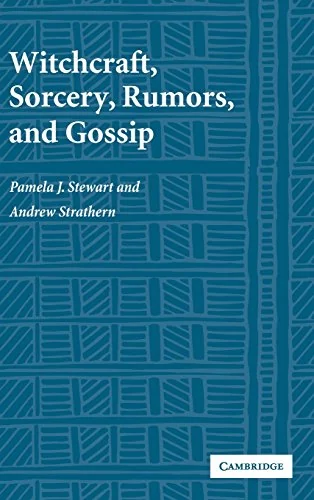
✍️ More books by this author Stewart, Pamela J; , Strathern, Andrew
All books by this author →🏛 Books from this publisher Cambridge University Press
All books from this publisher →
 75
75

You might also like
See more →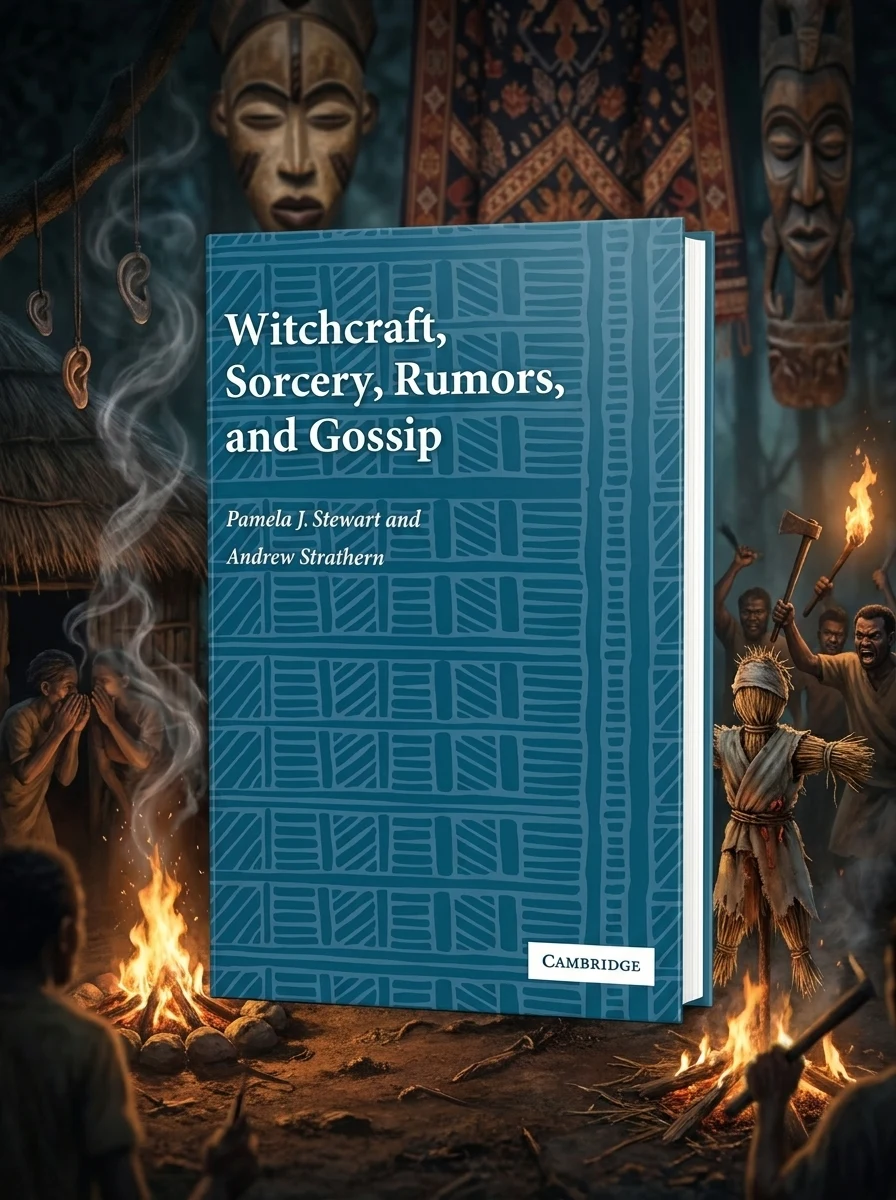
 90
90


 89
89
