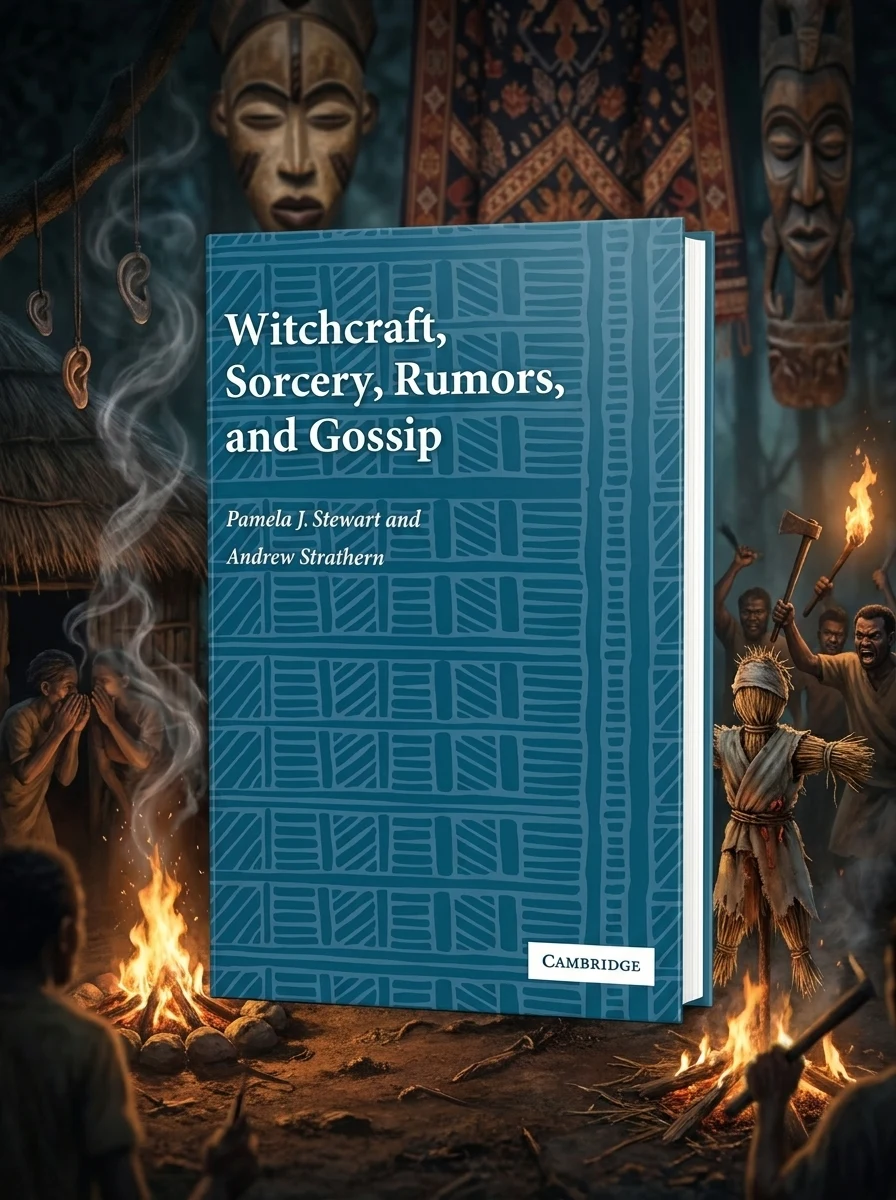

Witchcraft, Sorcery, Rumors and Gossip Stewart, Pamela J
Stewart, Pamela J; , Strathern, AndrewStock reported in the catalog; fulfillment is confirmed with your request.
Whispers can ignite witch hunts and fuel the fiery embers of social upheaval.
This seminal work meticulously explores the profound connection between informal communication, like rumors and gossip, and the grave accusations of witchcraft and sorcery. Delving into historical and contemporary examples, it illustrates how these seemingly innocuous exchanges act as potent catalysts, not only for individual condemnations but also for widespread social and political violence. From peasant revolts to intense witch-hunts, the authors draw a compelling narrative from diverse global contexts, including Africa, Europe, and Southeast Asia, revealing the universal dynamics of fear and accusation.
This academic text situates itself within the rigorous study of social anthropology and historical sociology, examining the intersection of folklore and community dynamics. It bridges the gap between esoteric subjects and scholarly analysis by treating witchcraft accusations as serious sociological phenomena rather than mere superstition.


📝 Description: Witchcraft, Sorcery, Rumors and Gossip Stewart, Pamela J
💎 Expert review
📖 Why choose it
Why this book is worth reading
This book offers profound insight for scholars, historians, and those interested in the mechanics of social cohesion and conflict. Readers who wish to understand how informal communication acts as a powerful tool for social regulation will find immense value here. It is essential for anyone seeking to grasp the universal dynamics of fear, accusation, and collective violence across diverse cultures. By exploring examples from Africa, Europe, and Southeast Asia, it provides a comprehensive framework for analyzing how whispers can ignite witch hunts and fuel social upheaval. It appeals to those who appreciate a meticulous exploration of the grave accusations linked to informal communication, offering a compelling narrative that reveals the potent catalysts behind both individual condemnations and widespread political violence.
⭐ Reader reviews
Reader rating
This seminal work is a dense, analytical exploration best suited for academic readers or those with a strong background in anthropology. It may not suit casual readers seeking straightforward narratives on Wicca or practical magical instruction, as it focuses strictly on the sociological implications of rumor rather than esoteric practice. The text demands patience and attention to detail, weaving together historical and contemporary examples from multiple global contexts. While intellectually stimulating, its scholarly tone and focus on social upheaval may feel dry or overly abstract to those looking for a more accessible or spiritually oriented account of witchcraft history.
❓ Frequently asked questions
📖 Who should read this
If you're fascinated by the social underpinnings of belief, the dark side of human communication, or the historical currents that lead to scapegoating and collective fear, this book offers profound insights. It's essential reading for anthropologists, historians, and anyone curious about the mechanics of social control.
🎯 Key themes and symbolism
Gossip as Social Weapon
The book meticulously unpacks how the spread of rumors and idle chatter transforms into a powerful, often destructive, force. It reveals how seemingly innocent conversations can systematically erode trust, isolate individuals, and ultimately serve as the primary spark for accusations of supernatural malevolence within communities, shaping destinies with whispered words.
Cross-Cultural Witchcraft Dynamics
Through a rich tapestry of global examples, the authors demonstrate that while the specifics of witchcraft and sorcery beliefs vary, the underlying social mechanisms of accusation remain strikingly similar. It offers a comparative perspective on how different societies, from Papua New Guinea to colonial Europe, utilize these beliefs to interpret misfortune and manage social tensions.
Accusations & Political Violence
Beyond individual cases, this study connects the dots between supernatural accusations and larger societal unrest. It powerfully illustrates how the fear and paranoia generated by rumors of witchcraft can be harnessed or spontaneously erupt into significant social and political violence, manifesting in peasant rebellions, mass hysteria, and organized campaigns of persecution.
💬 Quotes from the book
“The seemingly innocuous murmur of village gossip often forms the initial, almost imperceptible tremor before the earthquake of a full-blown witch hunt.”
“Across continents and centuries, the scapegoat of the accused witch serves as a potent, if tragic, reflection of underlying social anxieties and power struggles within a community.”
📜 Historical context
📚 Glossary
- Witchcraft
- Sorcery
- Social Anthropology
📔 Questions to reflect on
- Reflect on a time when gossip or a rumor significantly impacted your social environment. How did it affect perceptions and actions?
- Consider how modern 'witch hunts' manifest today, perhaps in online spaces or political discourse. What parallels can you draw from the book's analysis?
- How do societies, including your own, typically deal with fear and uncertainty, and what role might informal communication play in these responses?
📖 From the series “New Departures in Anthropology”
All books in the series →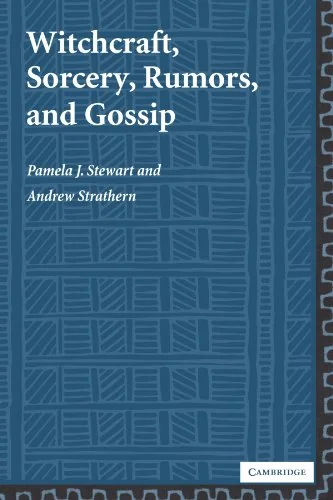
✍️ More books by this author Stewart, Pamela J; , Strathern, Andrew
All books by this author →🏛 Books from this publisher Cambridge University Press
All books from this publisher →




 75
75


You might also like
See more →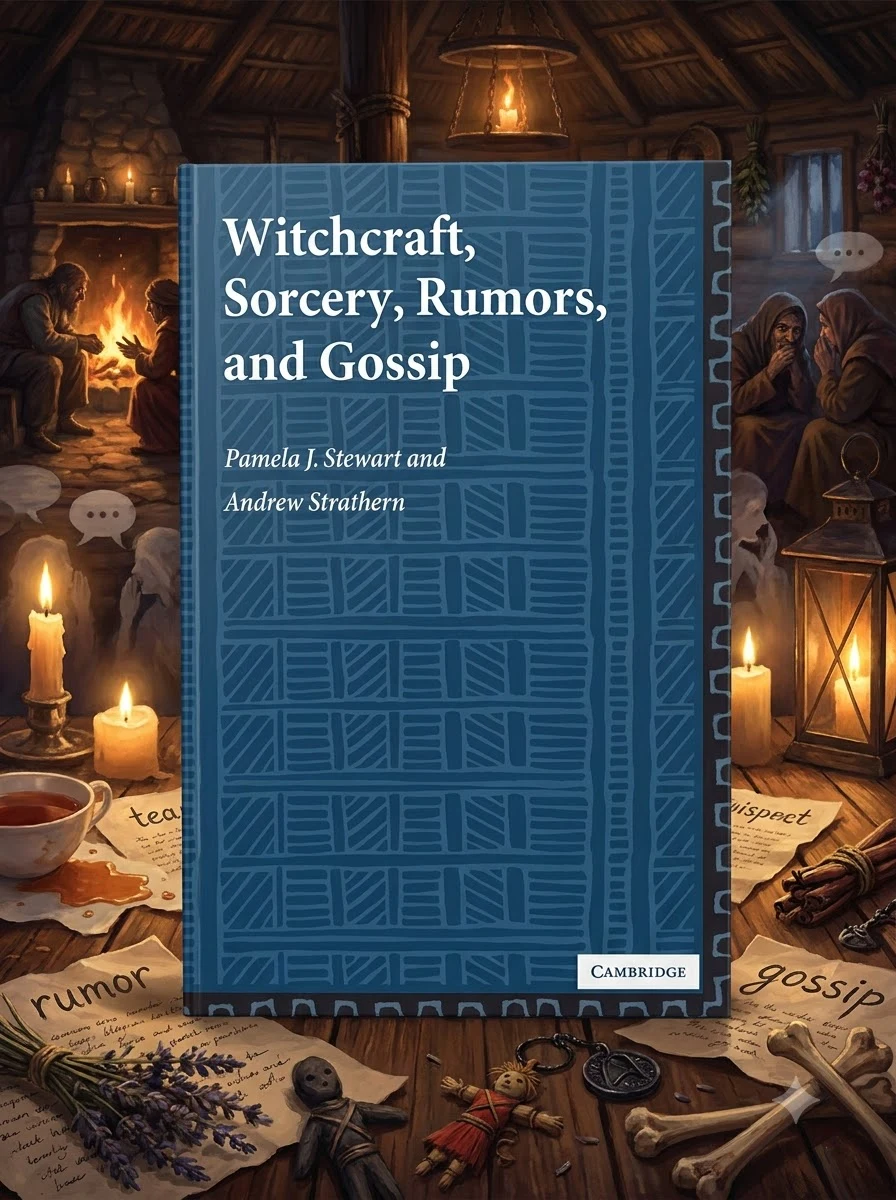

 90
90



 89
89
