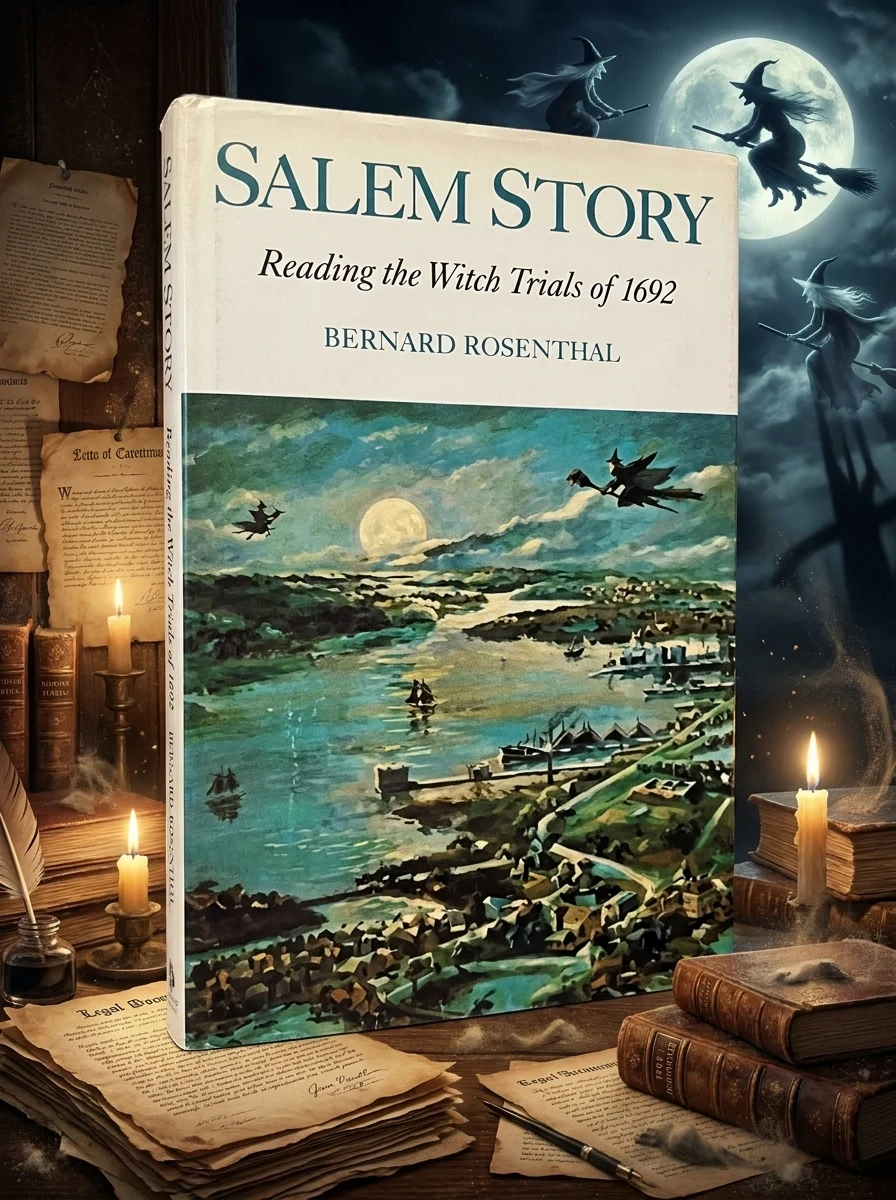

Salem Story: Reading the Witch Trials of 1692 (Revised) Rosenthal, Bernard
Stock reported in the catalog; fulfillment is confirmed with your request.
Unravel the dark truths and persistent myths of Salem's infamous witch trials.
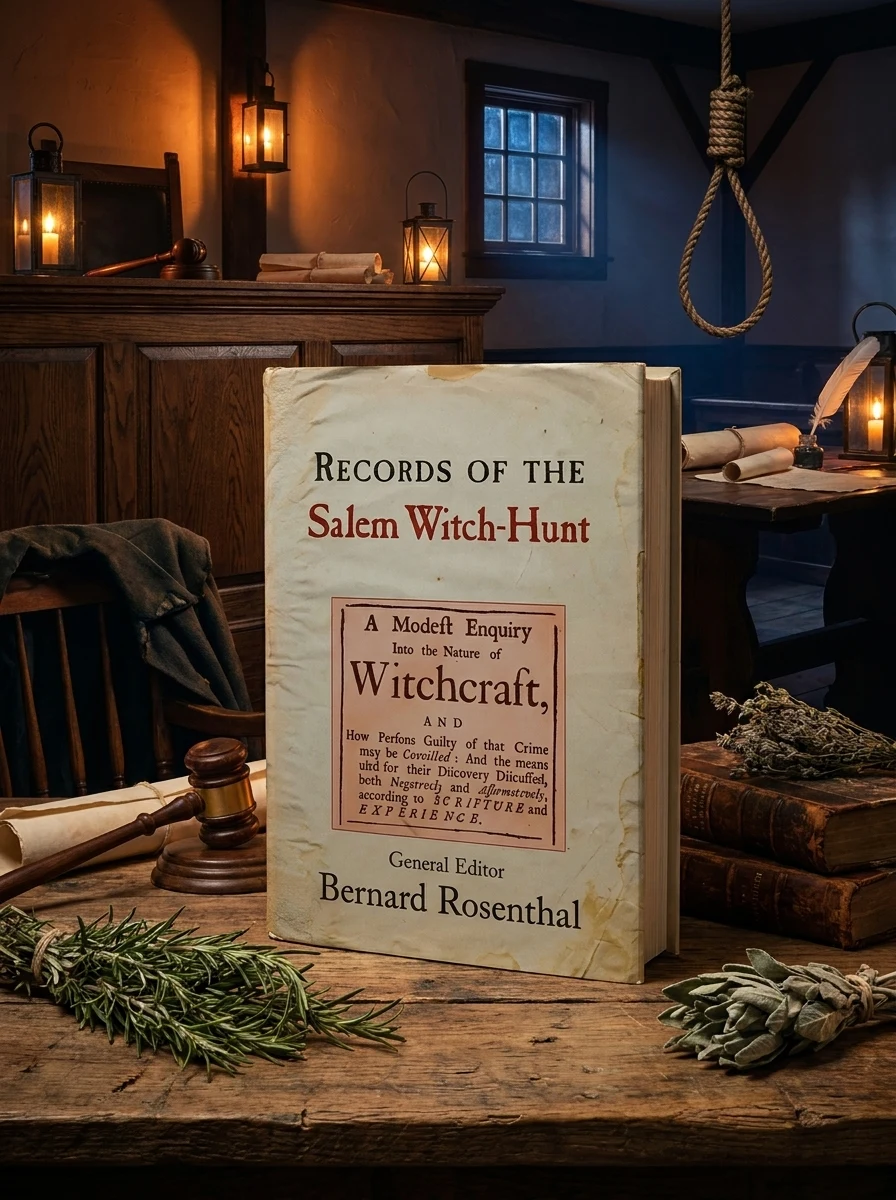
Bernard Rosenthal’s "Salem Story" offers a meticulous deconstruction of the 1692 witch trials, peeling back layers of cultural myth to reveal the stark realities contained within original historical documents. This essential revised edition scrutinizes the surviving primary evidence, contrasting it sharply with the often romanticized or distorted narratives that have emerged over centuries. The author delves into the unique experiences of various individuals entangled in the tragedy, providing a nuanced understanding of their roles and fates, and challenging preconceived notions about one of America's most haunting historical episodes.
This work sits firmly within the historiography of early American colonial events, specifically addressing the enduring cultural narrative surrounding the Salem witch trials. It engages with the tradition of esoteric history by examining how mythos has obscured the factual reality of these significant legal and social upheavals.


📝 Description: Salem Story: Reading the Witch Trials of 1692 (Revised) Rosenthal, Bernard
💎 Expert review
📖 Why choose it
Why this book is worth reading
Readers who crave a deeper, unvarnished truth behind the sensationalized lore of Salem will find this book indispensable. Bernard Rosenthal guides you past the romanticized myths to expose the stark realities hidden in primary documents. It is perfect for those interested in how history gets distorted over time and who want to understand the nuanced roles of individuals caught in the tragedy. By challenging preconceived notions, it offers a profound, humanizing look at one of America's most haunting episodes, rewarding diligent readers with clarity and historical integrity rather than mere spectacle.
⭐ Reader reviews
Reader rating
Rosenthal provides a meticulous deconstruction that appeals to those seeking rigorous historical analysis over dramatic retelling. However, this book does not suit readers looking for quick, sensationalized ghost stories or fictionalized accounts of the trials. It requires patience for detailed scrutiny of primary evidence and may disappoint those expecting a simplified narrative or supernatural focus. The text is dense with factual correction rather than atmospheric storytelling, making it less accessible to casual history enthusiasts who prefer light reading over academic rigor and complex archival investigation.
❓ Frequently asked questions
📖 Who should read this
If you're drawn to dissecting historical narratives, challenging popular myths, and understanding the raw human drama behind one of America's most infamous periods of mass hysteria, this book is indispensable. It's a critical read for anyone seeking truth beyond folklore.
🎯 Key themes and symbolism
Unearthing Primary Documents
Rosenthal meticulously sifts through the original court records, testimonies, and depositions from 1692. This rigorous engagement with raw, unedited historical evidence forms the bedrock of the book's argument, providing readers with an unfiltered look at the legal proceedings and personal statements that shaped the tragic events of Salem.
Deconstructing Cultural Myths
The book critically examines how subsequent generations have interpreted and often distorted the Salem trials, transforming historical events into pervasive cultural legends. By contrasting these popular narratives with the documented facts, Rosenthal reveals the significant gap between what actually happened and what we collectively believe about this dark chapter.
Interrogating Individual Stories
Beyond the broad strokes of historical events, Rosenthal hones in on the specific experiences of those involved – accusers, accused, and officials. His analysis explores how particular individuals navigated the hysteria, offering insights into their motivations, fears, and the unique circumstances that led to their involvement in the unfolding tragedy.
💬 Quotes from the book
“The enduring power of the Salem narrative lies not in its historical precision, but in its malleability—a testament to our collective need to impose meaning where chaos once reigned.”
“To truly understand 1692, one must first discard the stained-glass windows of popular imagination and confront the raw, often contradictory, fragments of the original testimony.”
📜 Historical context
📚 Glossary
- Primary Documentation
- Mythologized
- Salem Trials
📔 Questions to reflect on
- How do contemporary narratives of historical events, particularly those involving social panic, often diverge from documented facts?
- Reflect on a historical event you thought you understood well. After reading this book's approach, what new questions would you ask about its primary sources?
- In what ways might our modern understanding of justice and societal pressure influence how we interpret the actions of individuals during the Salem trials?
🏛 Books from this publisher Cambridge University Press
All books from this publisher →
 75
75

You might also like
See more →
 90
90

 89
89