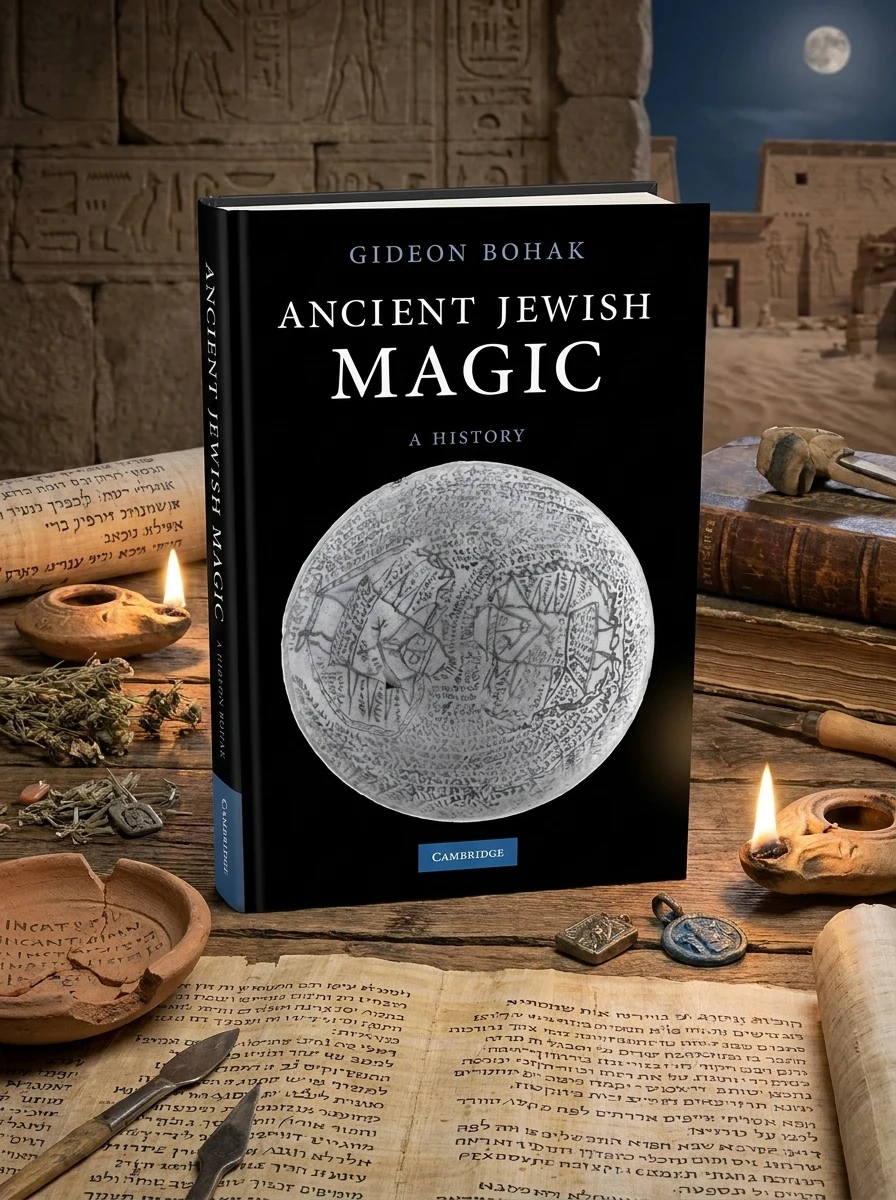
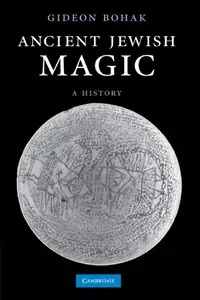
Ancient Jewish Magic: A History
Bohak, GideonStock reported in the catalog; fulfillment is confirmed with your request.
Unearth the hidden practices of ancient Jewish mystics and spellcasters.
Gideon Bohak's groundbreaking work meticulously charts the expansive history of Jewish magical traditions, spanning from the foundational Second Temple era through the formative rabbinic period. This authoritative study moves beyond mere conjecture, delving directly into a rich tapestry of original source materials. Readers will encounter the actual incantations and magical artifacts crafted by practitioners, alongside detailed contemporary descriptions, all presented through texts in Aramaic, Hebrew, and Greek. It offers an unparalleled glimpse into an often-overlooked dimension of ancient Jewish life.
This work explores the esoteric undercurrents of ancient Jewish life, bridging Second Temple mysticism and rabbinic tradition through material culture and text. It situates itself within academic occult history, revealing the practical magic that coexisted with formal religious structures.


📝 Description: Ancient Jewish Magic: A History
💎 Expert review
📖 Why choose it
Why this book is worth reading
Scholars of antiquity and students of comparative religion will find this volume indispensable for understanding the lived spirituality of ancient Jews beyond canonical texts. It appeals to those fascinated by the intersection of faith and folk practice, offering tangible evidence of daily magical life. Readers seeking to demystify early Jewish mysticism or trace the origins of Western esoteric traditions will gain profound insight into how incantations and artifacts functioned within communal and private spheres. This book serves as a vital resource for anyone wishing to move past theoretical conjecture and engage with the primary sources that defined these hidden spiritual realities.
⭐ Reader reviews
Reader rating
Bohak’s meticulous scholarship provides an authoritative map of Jewish magical history, yet its academic density may alienate casual readers or those seeking practical ritual instruction. It is not suited for individuals looking for straightforward Wiccan guides or simplified esoteric summaries, as it demands comfort with Aramaic, Hebrew, and Greek textual analysis. The book excels in historical rigor but offers little in the way of accessible narrative flair. Those expecting a mystical journey rather than a critical examination of artifacts and inscriptions may find the tone too detached. It is best reserved for dedicated researchers who appreciate primary source engagement over popularized occult storytelling.
❓ Frequently asked questions
📖 Who should read this
If you're captivated by the intersection of ancient history, religious studies, and the occult, this book is essential. Scholars and curious readers alike will find a rigorously researched and compelling exploration of Jewish magical traditions that challenges conventional understandings of the past.
🎯 Key themes and symbolism
Primary Source Excavation
Bohak’s research is distinguished by its direct engagement with original textual and material evidence. The book meticulously analyzes actual magical compositions and artifacts created by ancient practitioners themselves. These diverse sources, written in Aramaic, Hebrew, and Greek, provide an authentic, unfiltered window into the beliefs and rituals of the time.
Nature of Ancient Practices
The volume explores the multifaceted nature of ancient Jewish magic, moving beyond simplistic definitions. It examines both the practical applications—such as amulets, curses, and blessings—and the social and religious contexts in which these practices flourished. Readers gain insight into how magic intertwined with daily life and religious frameworks.
💬 Quotes from the book
“The amulet, often inscribed with divine names or cryptic symbols, was not merely a trinket but a potent implement, a tangible vessel for divine intervention in the mundane.”
“Far from being an external aberration, magical practice frequently intertwined with devotional piety, reflecting a nuanced understanding of divine power and human agency.”
📜 Historical context
📚 Glossary
- Second Temple Period
- Rabbinic Period
- Aramaic
📔 Questions to reflect on
- How might our modern understanding of "magic" differ from how it was perceived and practiced in ancient Jewish communities?
- Consider the implications of discovering that revered religious figures or common people engaged in practices we now label as "magic." How does this reshape historical narratives?
- In what ways do contemporary spiritual or religious practices retain echoes of ancient magical traditions, even if unacknowledged?
✍️ More books by this author Bohak, Gideon
All books by this author →
 89
89
🏛 Books from this publisher Cambridge University Press
All books from this publisher →
 75
75

You might also like
See more →


 89
89