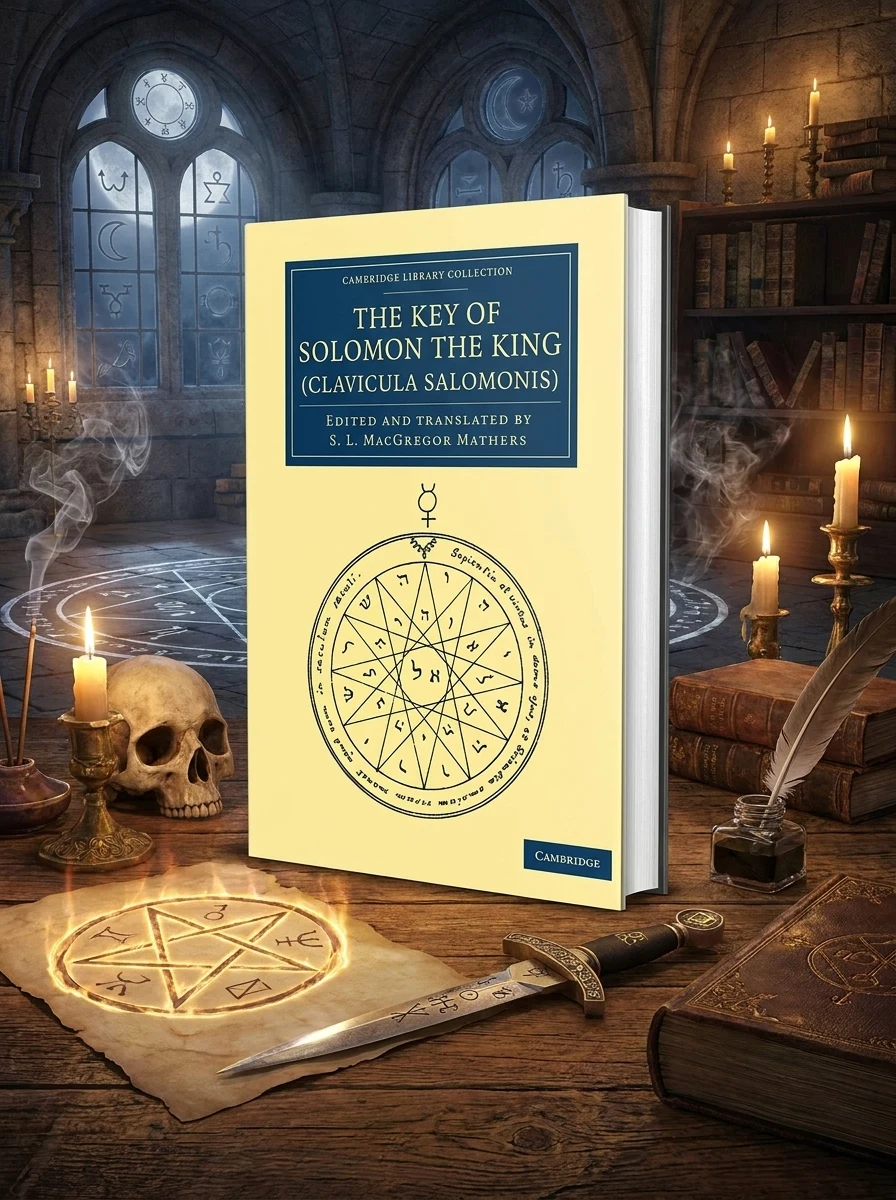
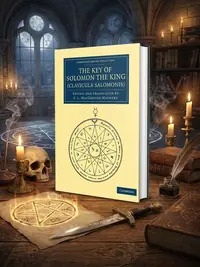
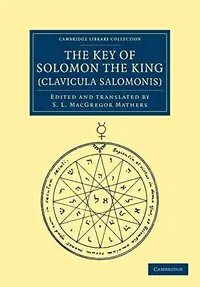
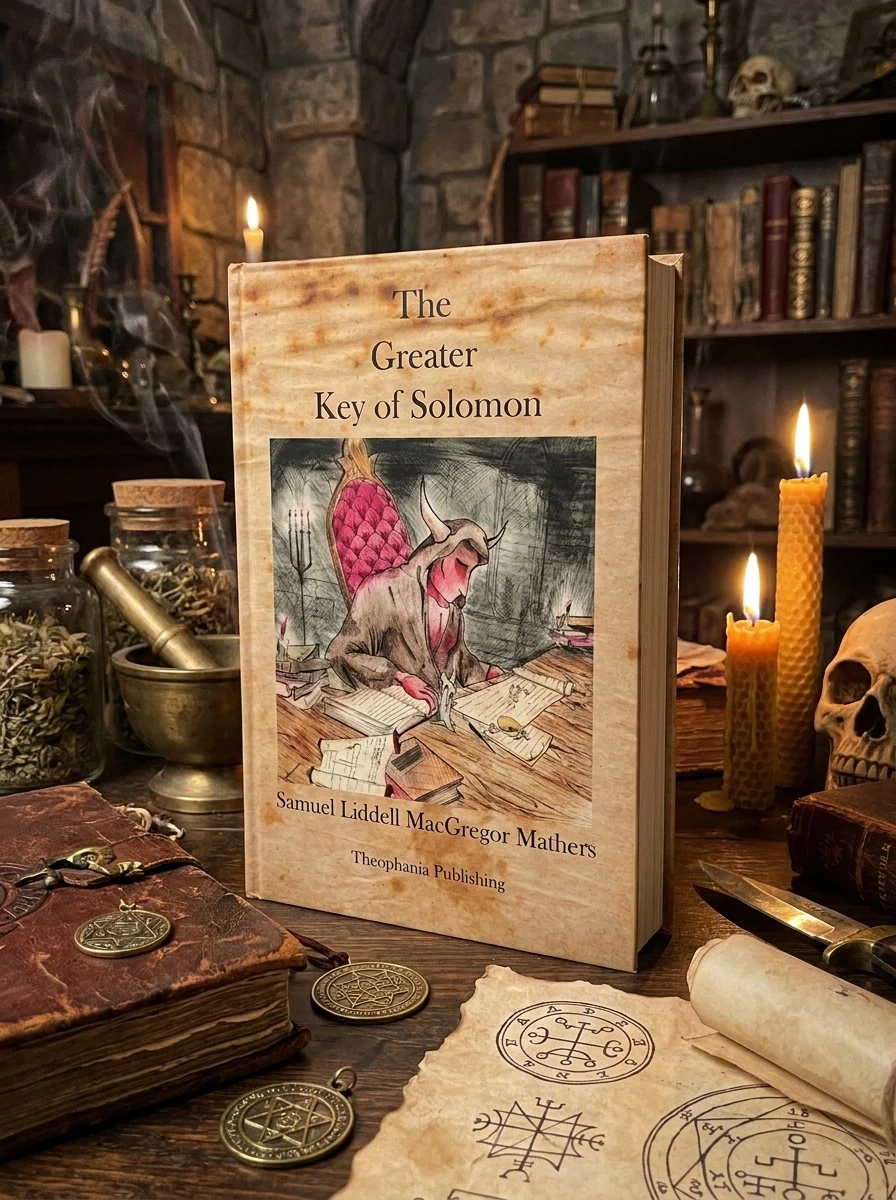
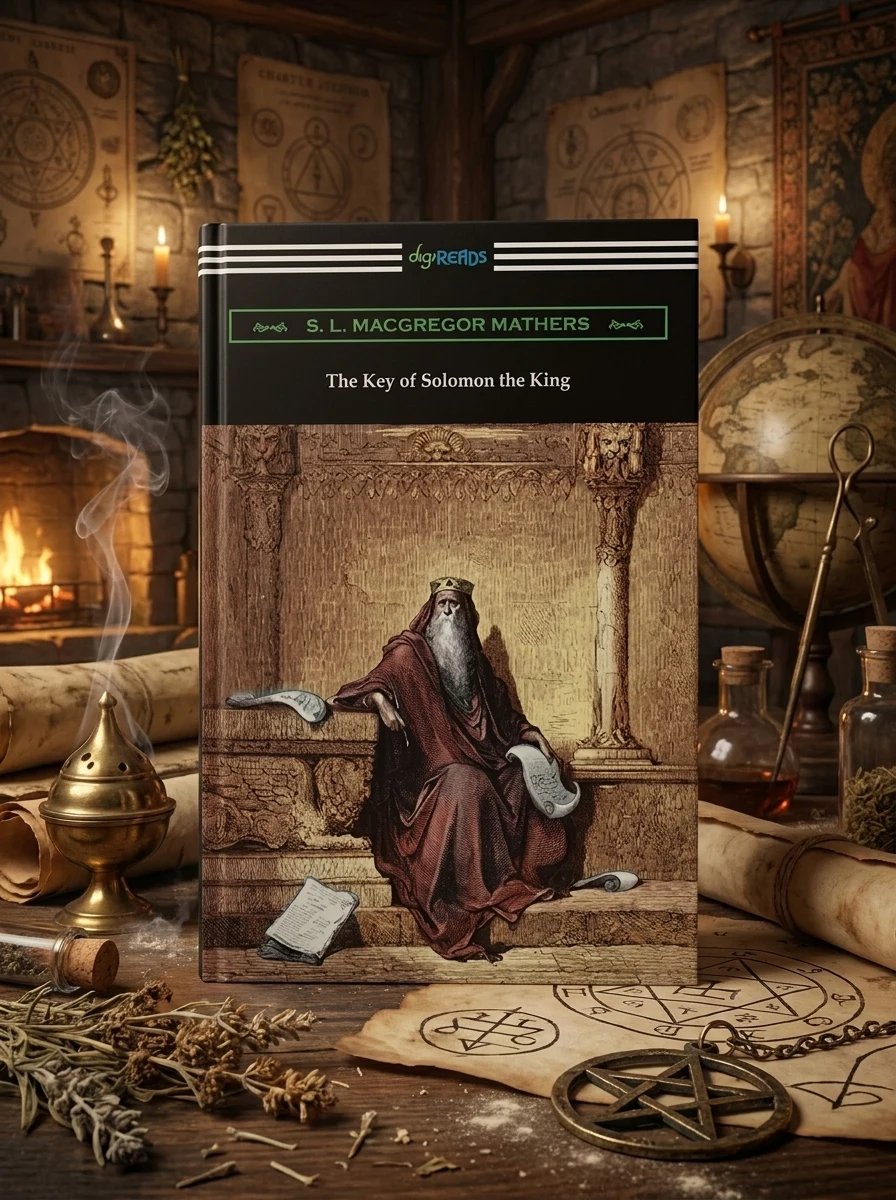
The Key of Solomon the King (Clavicula Salomonis) Mathers, S L MacGregor
Stock reported in the catalog; fulfillment is confirmed with your request.
Unlock ancient mysteries: King Solomon's legendary magical grimoire, a cornerstone of Western esotericism.
Samuel Liddell Mathers' seminal 1889 translation unveiled a foundational text of Renaissance esotericism: *The Key of Solomon*. Presented as King Solomon's final instructions to his son, this grimoire offers meticulous details on ceremonial magic. It outlines the preparation and consecration of magical tools, the invocation and command of spirits, and the understanding of planetary influences crucial for successful operations. This edition remains an essential guide for anyone delving into the historical practice and philosophy of Solomonic magic, profoundly impacting modern occultism.
This text serves as a foundational cornerstone of Western esotericism and Renaissance ceremonial magic. It represents a pivotal moment in the transmission of Solomonic traditions through late Victorian occult revivalism.


📝 Description: The Key of Solomon the King (Clavicula Salomonis) Mathers, S L MacGregor
💎 Expert review
📖 Why choose it
Why this book is worth reading
This volume is an indispensable resource for serious students of Western esotericism who seek to understand the historical roots of Solomonic magic. Readers interested in the meticulous preparation of magical tools, the intricacies of spirit invocation, and the philosophical underpinnings of planetary influences will find immense value here. Mathers’ translation provides a direct window into the practical operations that shaped modern occult practices. It is particularly rewarding for those who appreciate detailed ritual instruction and wish to engage with the primary sources that define this ancient tradition. By studying these final instructions attributed to King Solomon, one gains a profound respect for the discipline and structure required in ceremonial workings.
⭐ Reader reviews
Reader rating
While Mathers’ translation remains historically significant, modern readers should approach this text with realistic expectations regarding its style and age. It is not suitable for casual enthusiasts seeking quick results or those uninterested in dense, archaic prose. The work demands patience and a willingness to engage with complex ritualistic details rather than offering accessible, simplified magic. Readers looking for contemporary interpretations or streamlined practices may find the original 1889 formatting and language barriers off-putting. However, for the dedicated historian of magic or the practicing ceremonial magician seeking authentic source material, it remains an essential, albeit demanding, artifact that preserves the integrity of Renaissance esoteric instructions.
❓ Frequently asked questions
📖 Who should read this
This essential volume is for serious students of Western Esotericism, aspiring ceremonial magicians, and those fascinated by historical grimoires. If you seek foundational knowledge on commanding spiritual forces through ancient wisdom and precise ritual, this authoritative text will illuminate your path.
🎯 Key themes and symbolism
Principles of Solomonic Magick
This foundational text meticulously outlines the core tenets of ceremonial magic, emphasizing the magician's authority derived from divine names and the precise application of planetary and elemental forces. It details the preparations and invocations necessary to command various spirits, not through coercion, but through sacred rites and an understanding of the cosmos.
Ritual & Sacred Tools
The grimoire provides exacting instructions for crafting and consecrating a vast array of magical instruments, from wands and swords to rings and pentacles. It stresses the importance of purity, timing, and specific materials, transforming mundane objects into conduits of spiritual power essential for successful operations and safe interaction with other realms.
Ethical Divine Authority
Far from 'dark arts,' *The Key* presents magic as a divinely sanctioned practice, requiring the practitioner's moral purity, reverence, and faith. It positions the magician as an agent working under divine mandate, using sacred names and prayers to achieve righteous ends, ensuring protection and proper conduct throughout all invocations.
💬 Quotes from the book
“Let him who would invoke the Spirits prepare himself with purity and devotion, for by divine names alone are they constrained.”
“Know that all things are possible unto him who possesseth the true knowledge of the Art, and applieth himself thereto with diligence and unwavering faith.”
📜 Historical context
📚 Glossary
- Grimoire
- Pentacle
- Evocation
📔 Questions to reflect on
- How might the ethical principles outlined in this grimoire apply to modern magical or spiritual practices, even if you don't engage in ceremonial magic?
- Consider the role of 'divine authority' in historical magical texts. How does this compare to contemporary approaches to spiritual power or self-empowerment?
- If you were to design a personal magical tool, what symbols, intentions, and materials would you imbue it with, following the spirit of this Solomonic tradition?
📖 From the series “Cambridge Library Collection - Spiritualism and Esoteric Kno”
All books in the series →

🏛 Books from this publisher Cambridge University Press
All books from this publisher →

 75
75

You might also like
See more →
 91
91
 91
91