The search for the 'Necronomicon' is one of the most enduring quests in modern occultism. For some, it is a hunt for a fictional artifact created by H.P. Lovecraft to ground his cosmic horror in a sense of faux-history. For others, it is a pursuit of ancient Mesopotamian wisdom and the forbidden arts of the dead. The confusion is understandable; the market is flooded with versions that claim to be the 'original' or the 'true' manuscript.
As editors and booksellers, we see this confusion daily. The primary challenge is distinguishing between a literary expansion of the Cthulhu Mythos and a functional grimoire intended for magic. Whether you are looking for a tool for ritual work, a scholarly analysis of a literary hoax, or a way to connect with spirit entities from the ancient Near East, you need to know exactly which volume you are opening. The distinction between a narrative piece and a working manual is not merely academic; it determines the entire experience of the reader.
The following selection is curated to cover the three main pillars of the Necronomicon phenomenon: the Lovecraftian legacy, the Babylonian tradition, and the historical debunking of the myth. By categorizing these texts, we can help you avoid the frustration of buying a fiction piece when you wanted a spellbook, or vice versa. Each category serves a different psychological and spiritual need, from the desire for cosmic dread to the pursuit of tangible results in the physical world.
The Lovecraftian Legacy and Cosmic Horror
These books are for those who love the atmosphere of the Great Old Ones. They bridge the gap between the imagination of Lovecraft and the desire to hold a physical object that feels like it belongs in the Miskatonic University library. These texts prioritize the aesthetic of the forbidden and the psychological weight of forbidden knowledge.
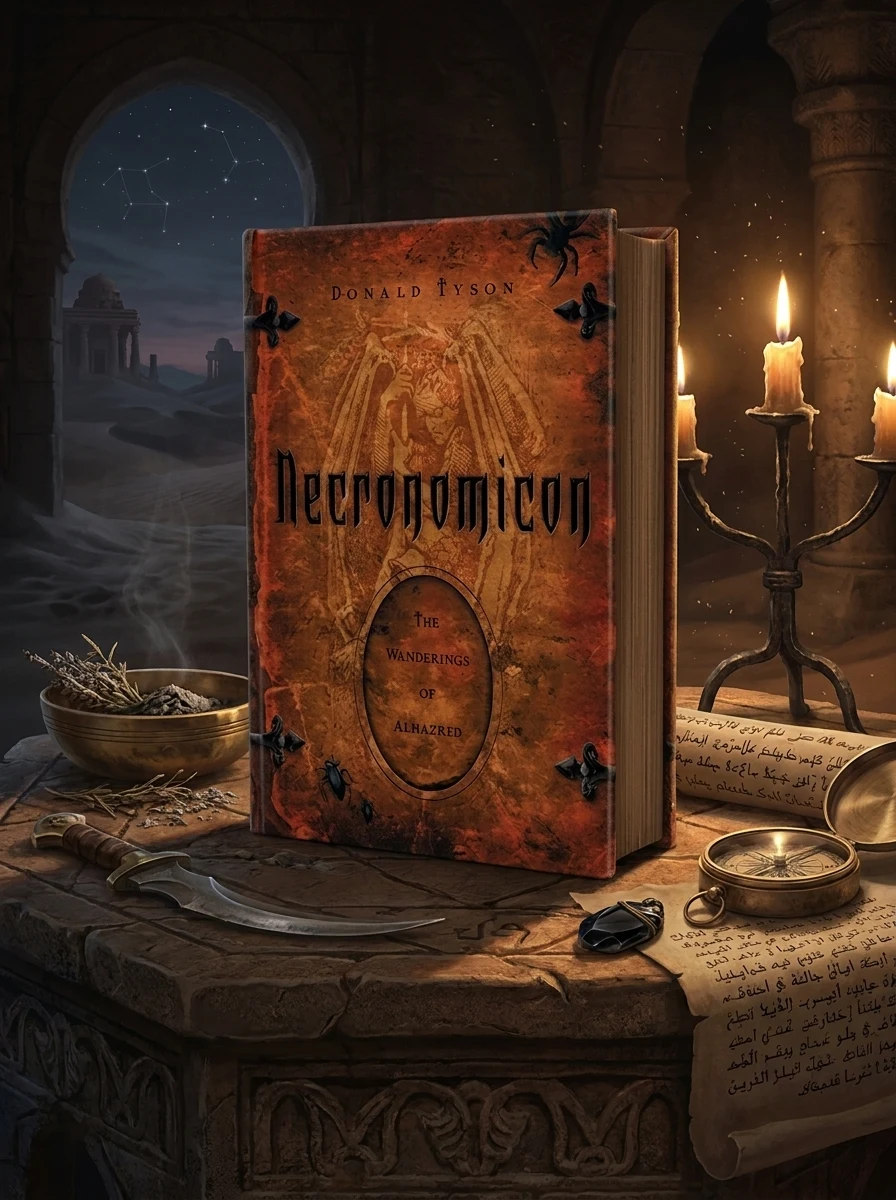
1. Necronomicon: The Wanderings of Alhazred — Donald Tyson
This is perhaps the gold standard for those who want a high-quality expansion of the Lovecraftian mythos. Tyson treats the material with a level of literary respect that makes the book feel like a genuine artifact of cosmic dread. It is ideal for those who want to immerse themselves in the narrative of the Mad Arab and experience the world as Lovecraft envisioned it, but with a tangible, physical volume to hold. The text captures the essence of the cosmic indifference that defines the Cthulhu Mythos.
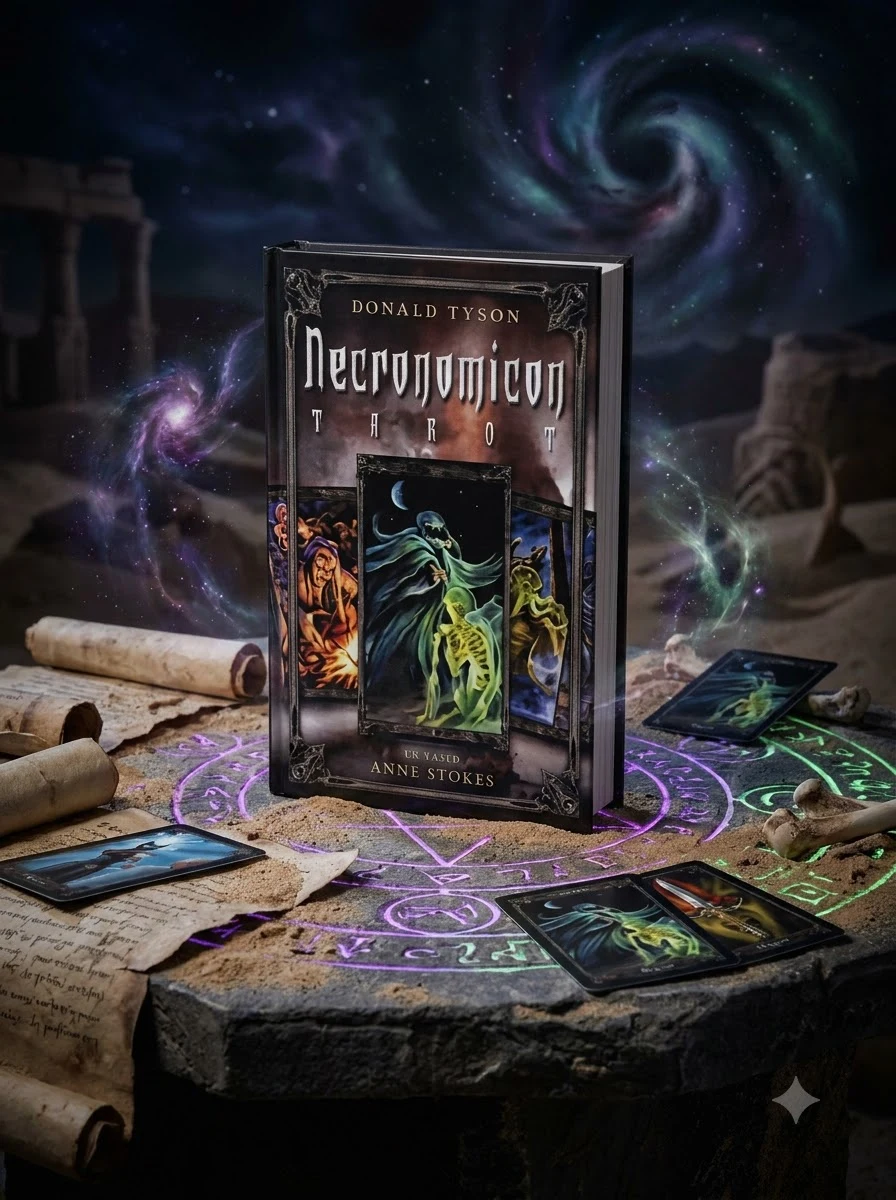
2. Necronomicon Tarot — Anne Stokes & Donald Tyson
Divination is a powerful way to interact with the themes of the Necronomicon without committing to a full ritual system. This set combines the visual allure of Lovecraftian horror with a functional tarot system, making it a great entry point for those who prefer visual symbolism over dense text. It includes a book, tarot cards, and a black organdy bag, providing a complete kit for those drawn to the dark allure of the mythos and the narrative sagas of Donald Tyson.
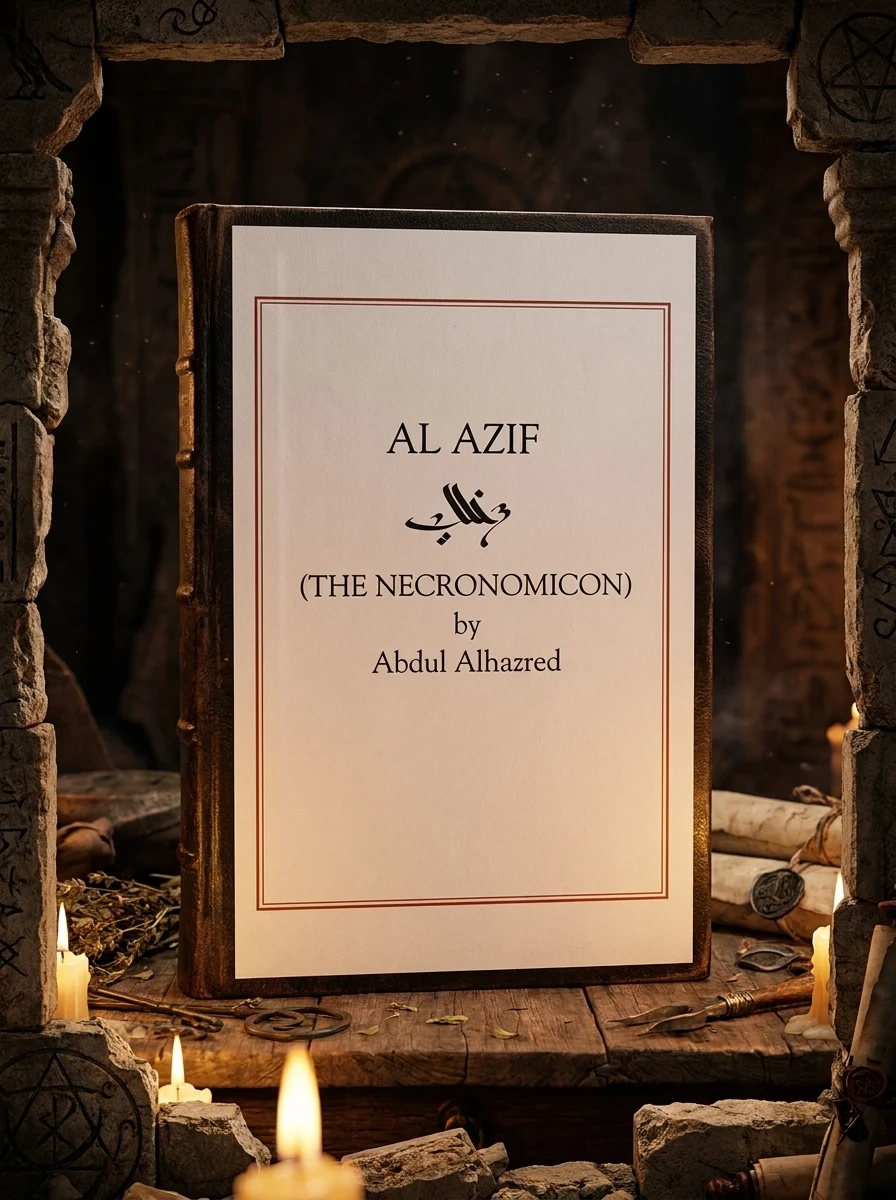
3. Al Azif: The Necronomicon — Abdul Alhazred
Priced under $30, this volume focuses on the legendary Al Azif. It captures the unsettling tone required for any book claiming to be the work of the Mad Arab, serving as a bridge between the fictional and the esoteric. It is a concise entry for those who want to explore the core themes of the forbidden text without an overwhelming amount of commentary.
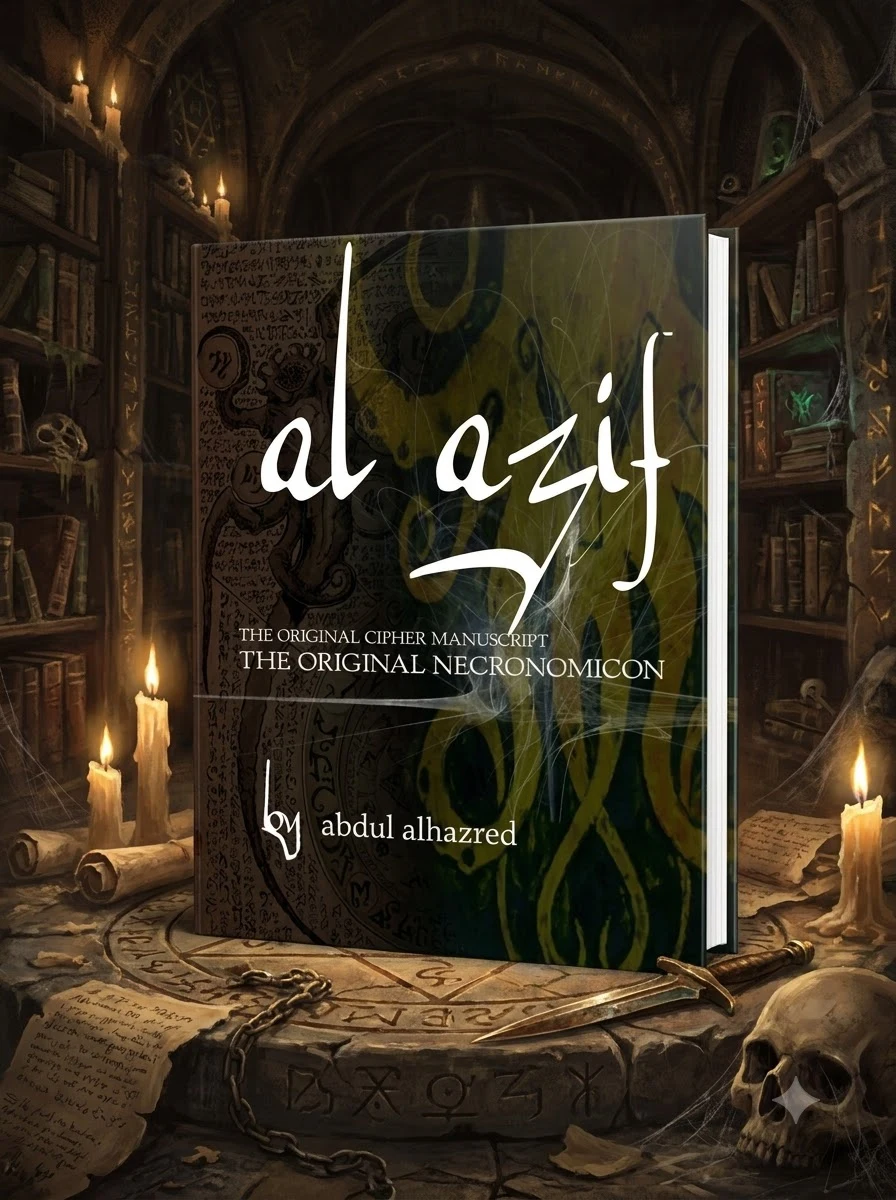
4. Al Azif: The Original Cipher Manuscript — Abdul Alhazred
For the audacious seeker, this version presents the material as a ciphered manuscript. It is less about a narrative and more about the experience of confronting forbidden lore in a raw, unsettling format. It is a budget-friendly option for those who enjoy the aesthetic of occult puzzles and the feeling of decoding a text that was never meant for human eyes. It appeals to the dedicated student of forbidden lore who is brave enough to confront unsettling realities.
Practical Babylonian Magick and Grimoires
Moving away from fiction, these texts focus on the Mesopotamian current. They treat the Necronomicon not as a story, but as a manual for engaging with planetary spirits and ancient deities of the Sumerian and Babylonian pantheons. These works are designed for active use, focusing on the interaction between the practitioner and the unseen forces of the ancient world.
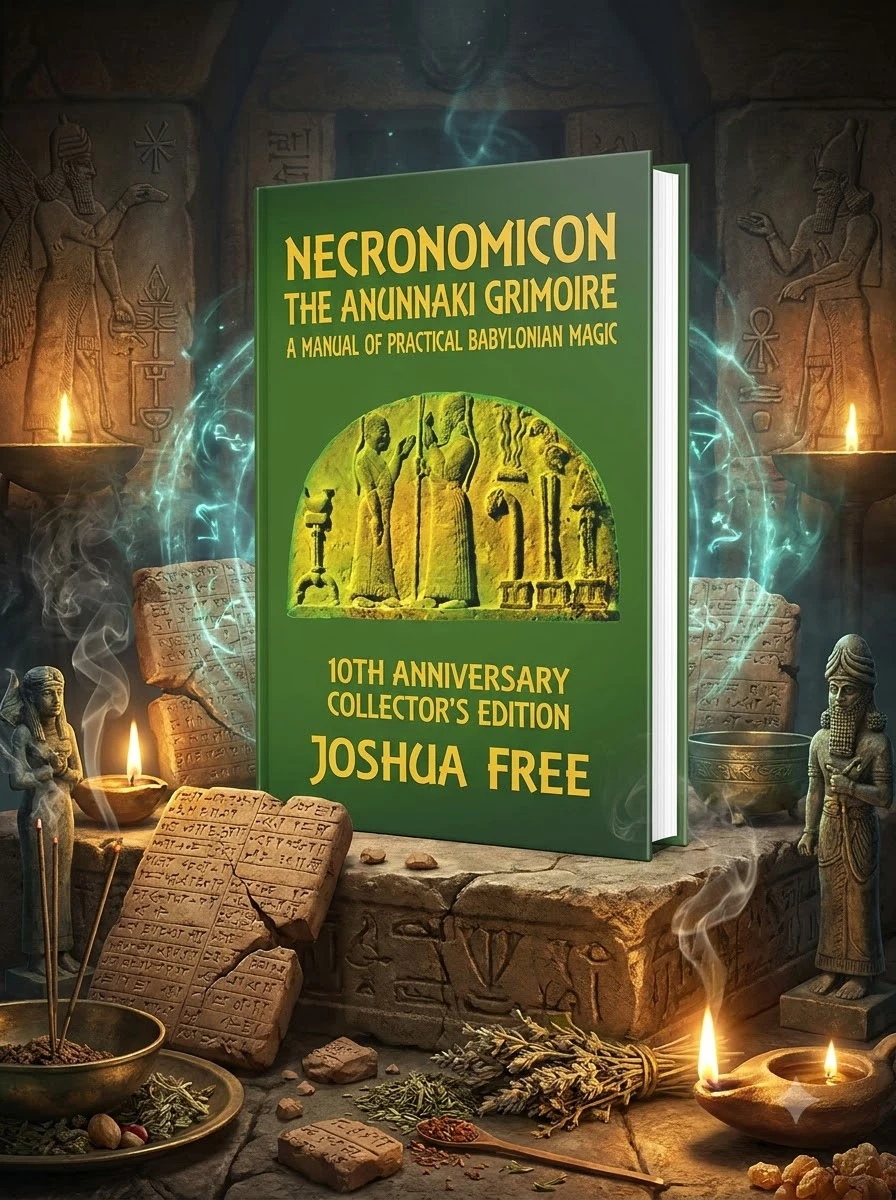
5. Necronomicon - The Anunnaki Grimoire — Joshua Free
This anniversary collector's edition is a substantial work for the seasoned practitioner. It moves beyond theory into practical Babylonian magick, providing a structured approach for those who feel a calling toward the profound energies of ancient Mesopotamia. It is a manual intended for those who wish to engage directly with the forces of the ancient Near East through ritual and focused intent.
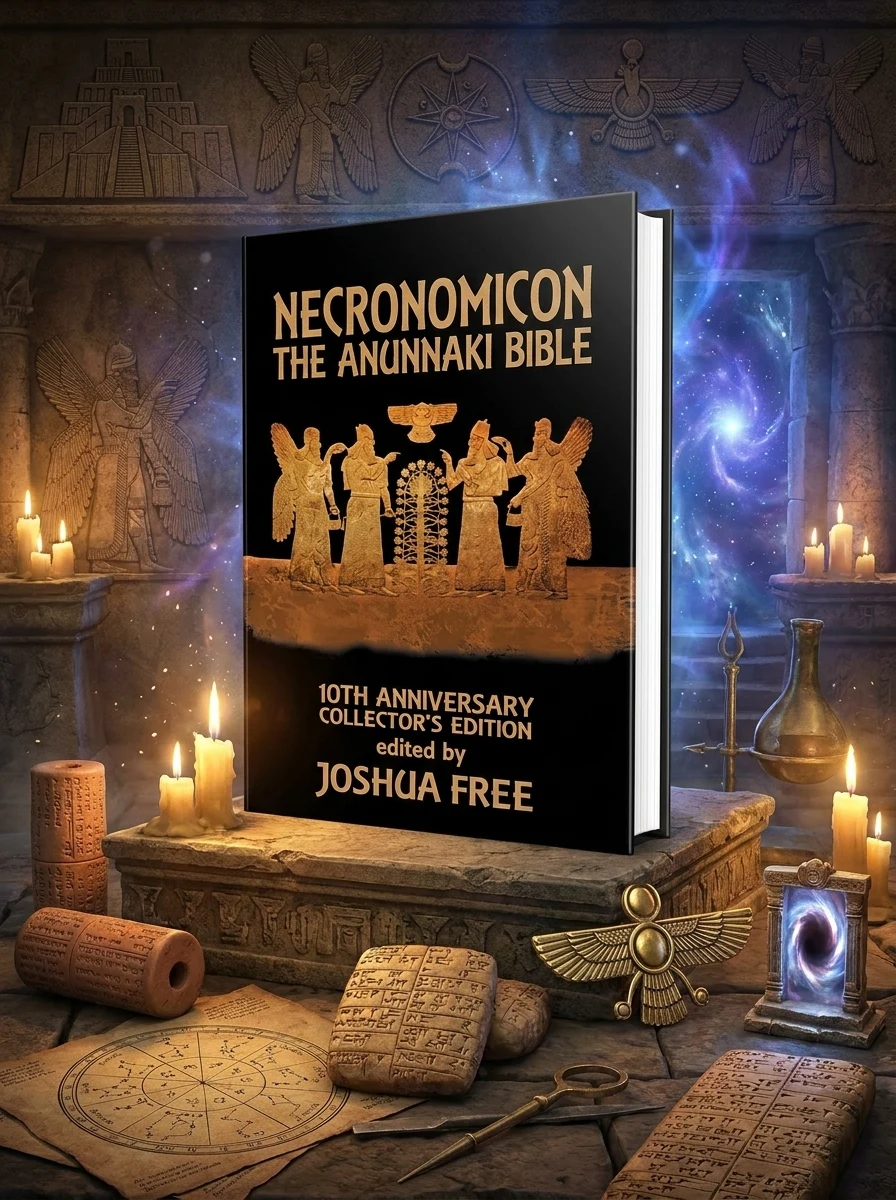
6. Necronomicon: The Anunnaki Bible — Joshua Free & Kyra Kaos
While the Grimoire focuses on practice, the Anunnaki Bible explores the intersection of forgotten history and ancient alien theories. It is a comprehensive volume for those who believe the Necronomicon's roots lie in the extraterrestrial origins of human civilization. It is ideal for readers drawn to the esoteric dimensions of Mesopotamian magic and the theories surrounding the Anunnaki.
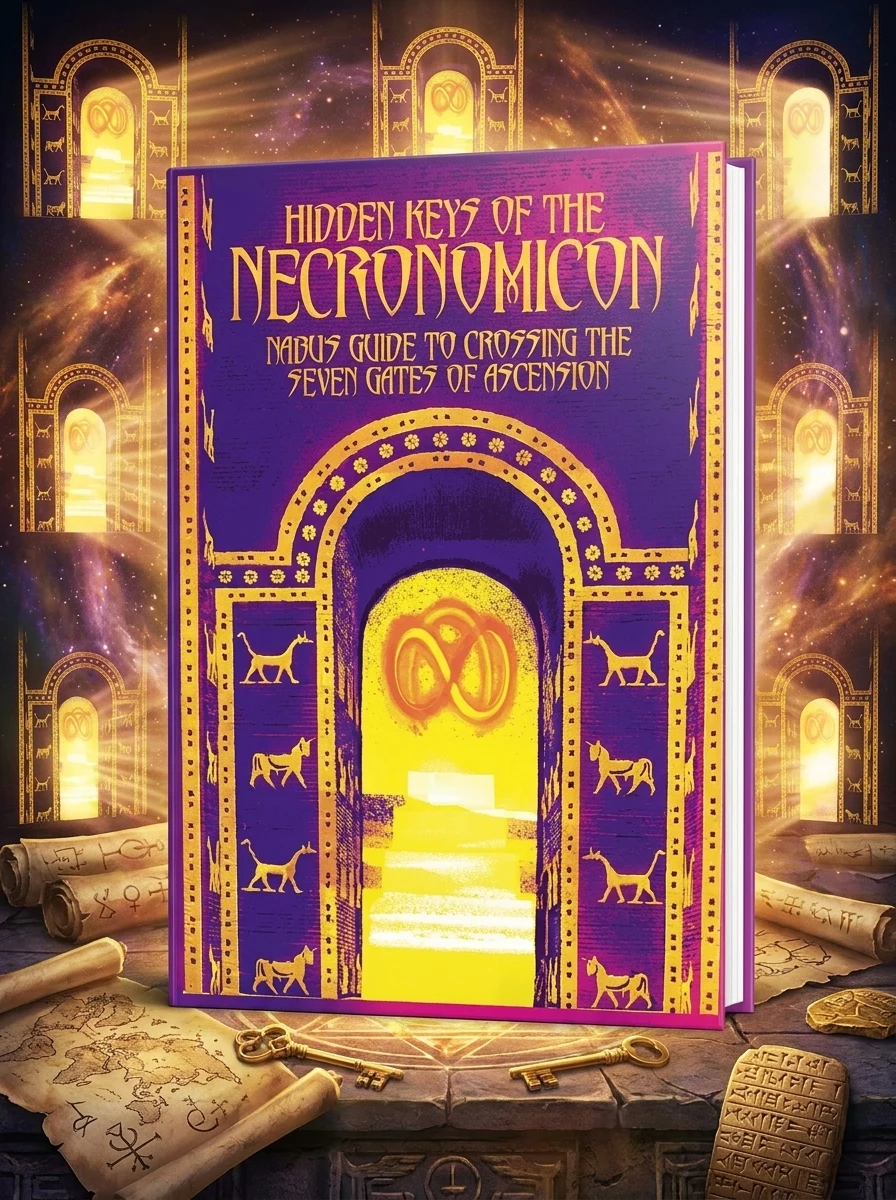
7. Hidden Keys of the Necronomicon — Joshua Free
This is a pedagogical text. Rather than a collection of spells, it offers a step-by-step guide to the Seven Gates of Ascension through the 22 Lessons of Nabu. It is designed for the dedicated student who wants a structured path toward spiritual empowerment and the transcendence of ordinary reality. It is a guide for those who seek a systematic approach to crossing the gates of ascension.
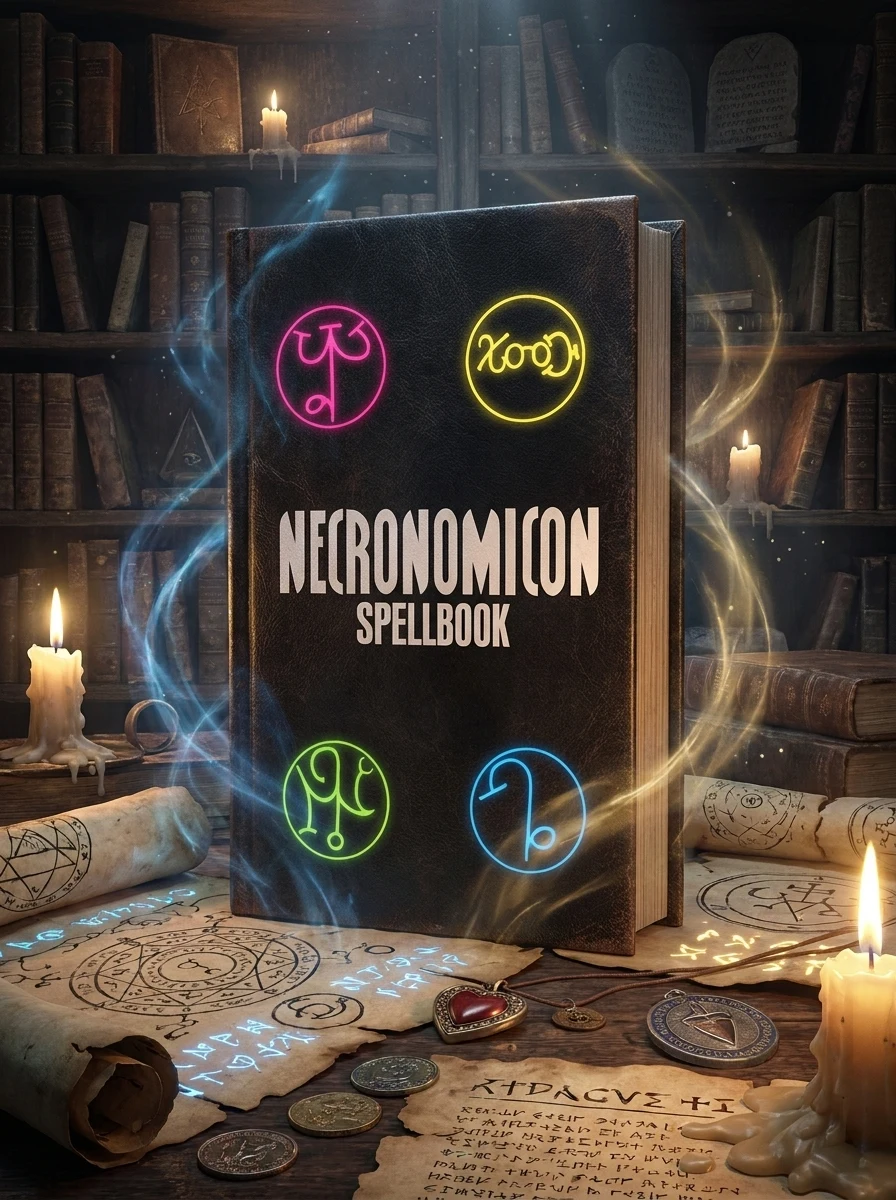
8. Necronomicon Spellbook — Simon
Available for under $20, this book is for practitioners who find traditional grimoires too dense. It focuses on tangible results—specifically healing and prosperity—making the potent forces of the Necronomicon tradition accessible for daily use. It is ideal for those who wish to move beyond theoretical occultism toward practical application in their own lives.
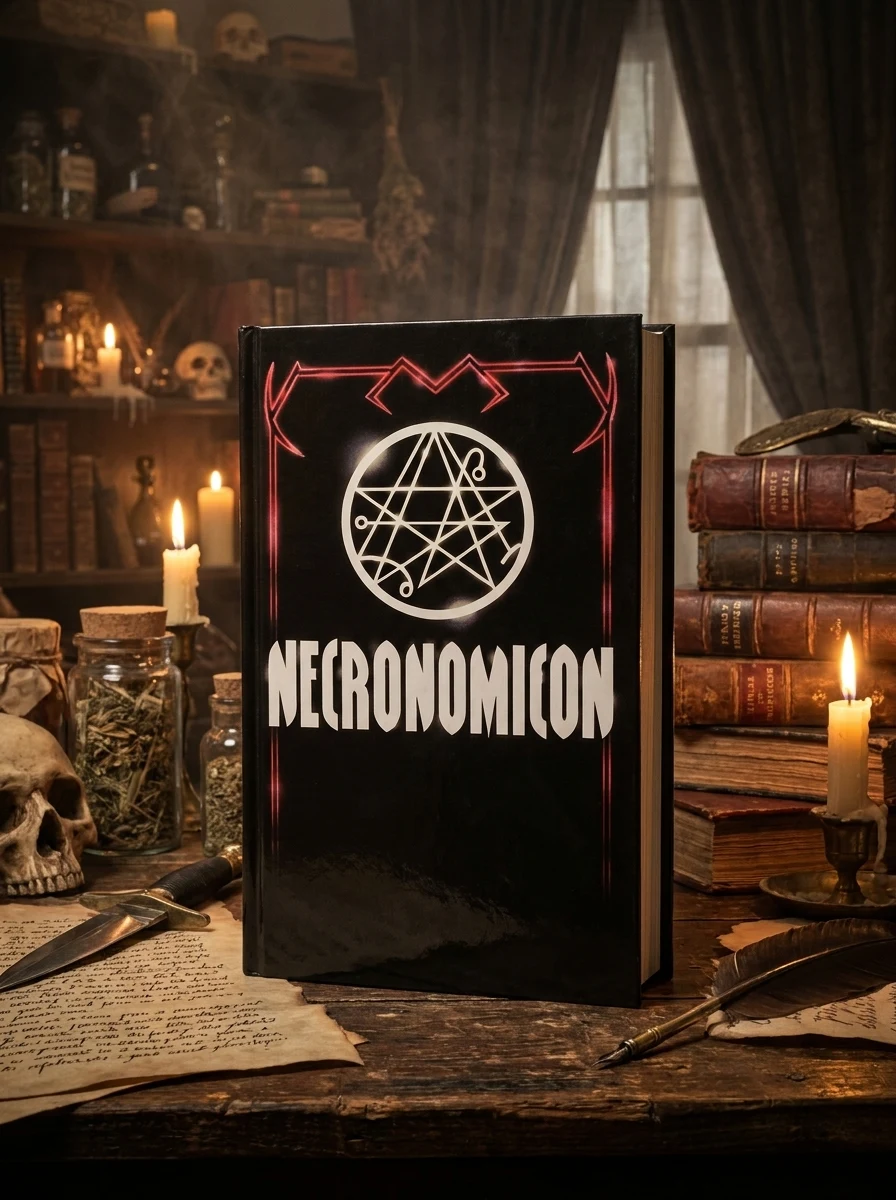
9. Necronomicon — Simon
This is a direct engagement with the darker currents of the occult. It is a concise volume for those who wish to explore the more controversial and potent forces associated with the name Necronomicon without wading through hundreds of pages of fluff. It is intended for those who seek direct engagement with ancient, potent forces and are comfortable with the darker aspects of the esoteric path.
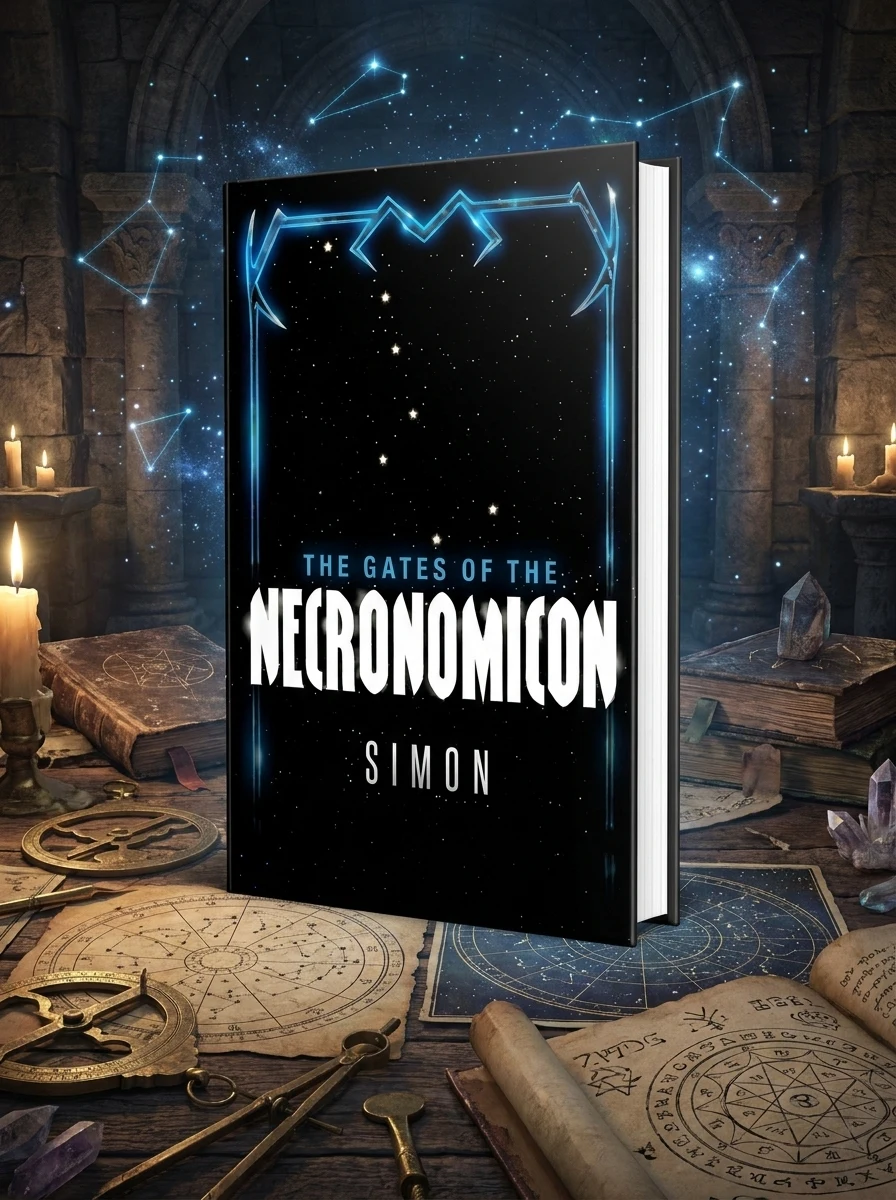
10. The Gates of the Necronomicon — Simon
This text is specifically tailored for those on the Left-Hand Path. It integrates astrological timing and ritual work, making it a useful addition for the practitioner who already has a foundation in ceremonial magick. It is designed for dedicated practitioners seeking to integrate the Necronomicon into their existing repertoire of astrological and magical practices.
Research, History, and the Truth Behind the Myth
Not every seeker wants a spellbook; some want the truth. These volumes are essential for the occultist who values discernment and wishes to understand how a fictional book became a cultural phenomenon in the real world. These texts provide the necessary intellectual grounding to separate myth from historical fact.
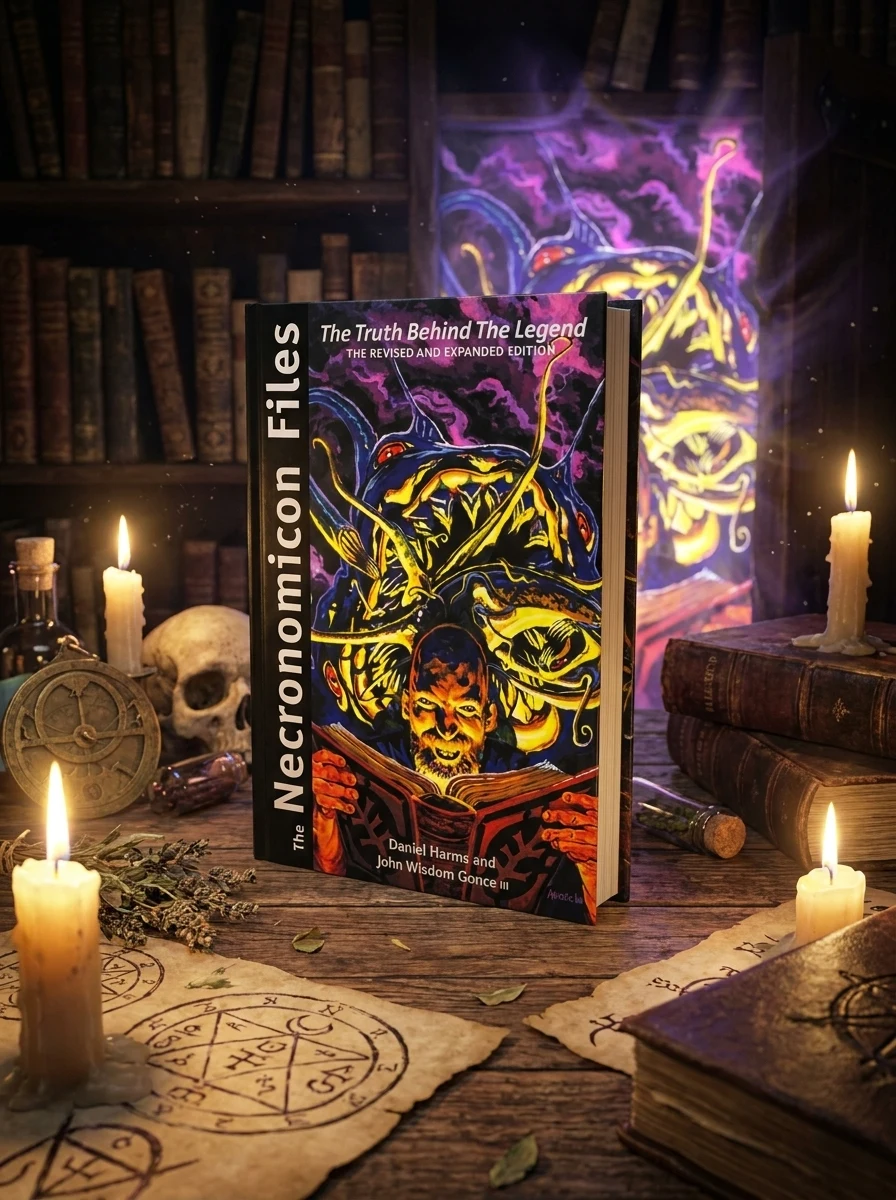
11. The Necronomicon Files — Daniel Harms
This is a critical piece of research. Harms examines the intersection of horror fiction and real-world occultism, explaining how a fictional artifact was 'manifested' into reality. It is indispensable for anyone who dislikes mystical misinformation and wants to understand the mechanics of how the legend grew. It provides a clear-eyed look at the transition from Lovecraft's imagination to the bookshelves of occult stores.
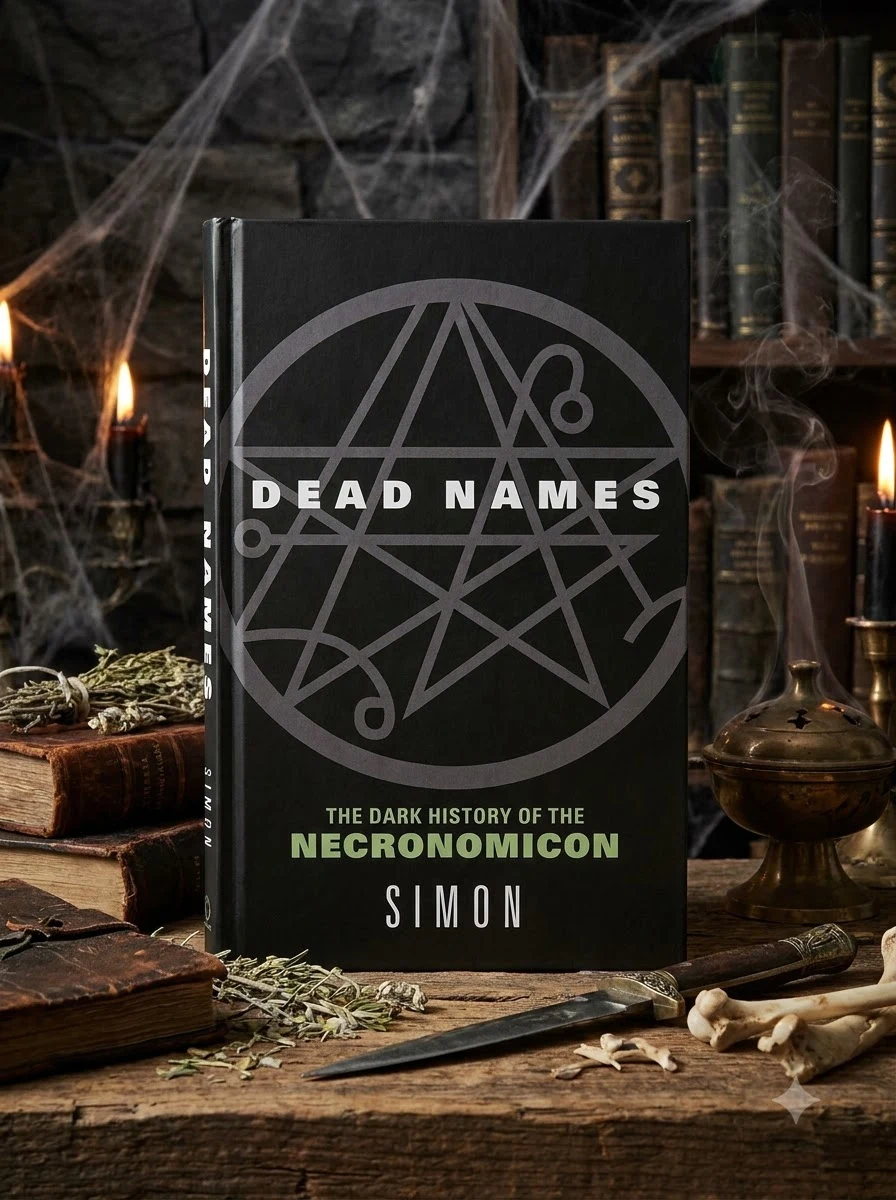
12. Dead Names: The Dark History of the Necronomicon — Simon
Similar to the Files, this book is for the researcher. It strips away the glamour to reveal the historical reality of the Necronomicon. It is a necessary read for any occultist who wants to distinguish between genuine historical practice and modern invention. It is specifically aimed at seekers weary of misinformation and researchers of the Cthulhu Mythos who require a factual baseline.
How to Choose Your Volume
Choosing the right Necronomicon book depends entirely on your intent. The diversity of these texts reflects the diversity of the seekers who pursue them. Before purchasing, you must determine if you are seeking a literary experience, a spiritual tool, or a historical record.
If your goal is atmospheric immersion or a love for cosmic horror, start with Donald Tyson or the Al Azif series. These provide the aesthetic and narrative satisfaction of the Lovecraftian world. They allow you to engage with the mythos as a form of psychological exploration, where the fear of the unknown is the primary driver. These books are less about changing the world and more about changing your perception of your place within a vast, indifferent universe.
If you are a practitioner of magick seeking to work with Mesopotamian energies, the works of Joshua Free offer the most depth and structure. His approach is systematic and pedagogical, treating the material as a science of the spirit. For those who want a more direct, results-oriented approach to spells and immediate application, the volumes by Simon are more appropriate. Simon's works are designed for the active occultist who values efficiency and tangible outcomes over long-form theory.
Finally, if you are a scholar or a skeptic, prioritize the research-heavy texts like those by Daniel Harms and the historical analysis in Dead Names. Understanding the 'hoax' of the Necronomicon does not diminish its power; rather, it allows you to use the archetype of the forbidden book with a clear mind and a grounded spirit. By understanding the origin of the myth, you can appreciate the cultural impact of the Necronomicon without falling prey to fraudulent claims of antiquity.
Ultimately, the Necronomicon is a mirror. Whether you see a fictional monster, an ancient god, or a historical curiosity depends on the lens you choose. By selecting the correct volume from these categories, you ensure that your study is productive and aligned with your personal goals, whether those goals are academic, artistic, or spiritual.