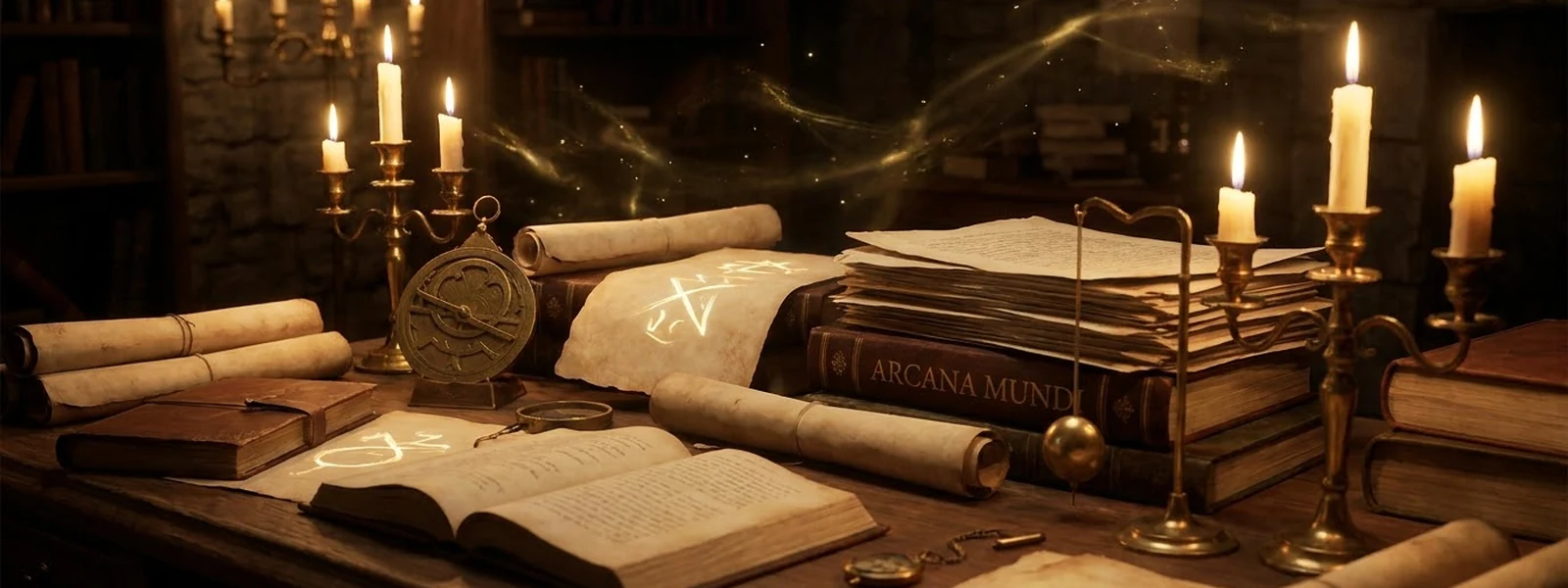
When most people hear the word "grimoire," they imagine a dusty, leather-bound tome hidden in a forbidden library. While that image captures the mystery, the reality of grimoire books is far more practical. Historically, a grimoire was a technical manual—a textbook for the magician. It provided the exact formulas, planetary timings, and spirit hierarchies necessary to produce a specific result in the physical world. These texts were not meant for casual reading but for rigorous application, often passed down through lineages or kept under strict secrecy to prevent the misuse of potent forces.
For the modern practitioner, the challenge is no longer finding these texts, but knowing which ones to trust and how to approach them. There is a vast difference between a 17th-century conjuration manual and a modern Book of Shadows. One requires a rigorous adherence to ritual protocol and a study of Solomon's Seal and its associated geometry; the other is a personal diary of spiritual evolution and intuitive discovery. Understanding the distinction between a formal grimoire and a personal journal is the first step in building a functional occult library.
Whether you are looking to engage with the high art of ceremonial magic or seeking to ground your practice in the earth and your ancestors, the right book acts as a bridge. The following selections represent a cross-section of the most influential grimoires available, categorized by the specific current of magic they represent. Each serves a different purpose, from the academic study of historical spirit conjuration to the practical application of folk charms.
The Solomonic and Ceremonial Tradition
The Solomonic tradition is the backbone of Western ceremonial magic. These texts focus on the command of spirits, the use of precise talismans, and the establishment of authority over the unseen. They are often dense and demanding, requiring a disciplined mind and a commitment to the exactitude of the ritual. In this tradition, the magician does not ask for favors but commands results through the authority of divine names and geometric seals.
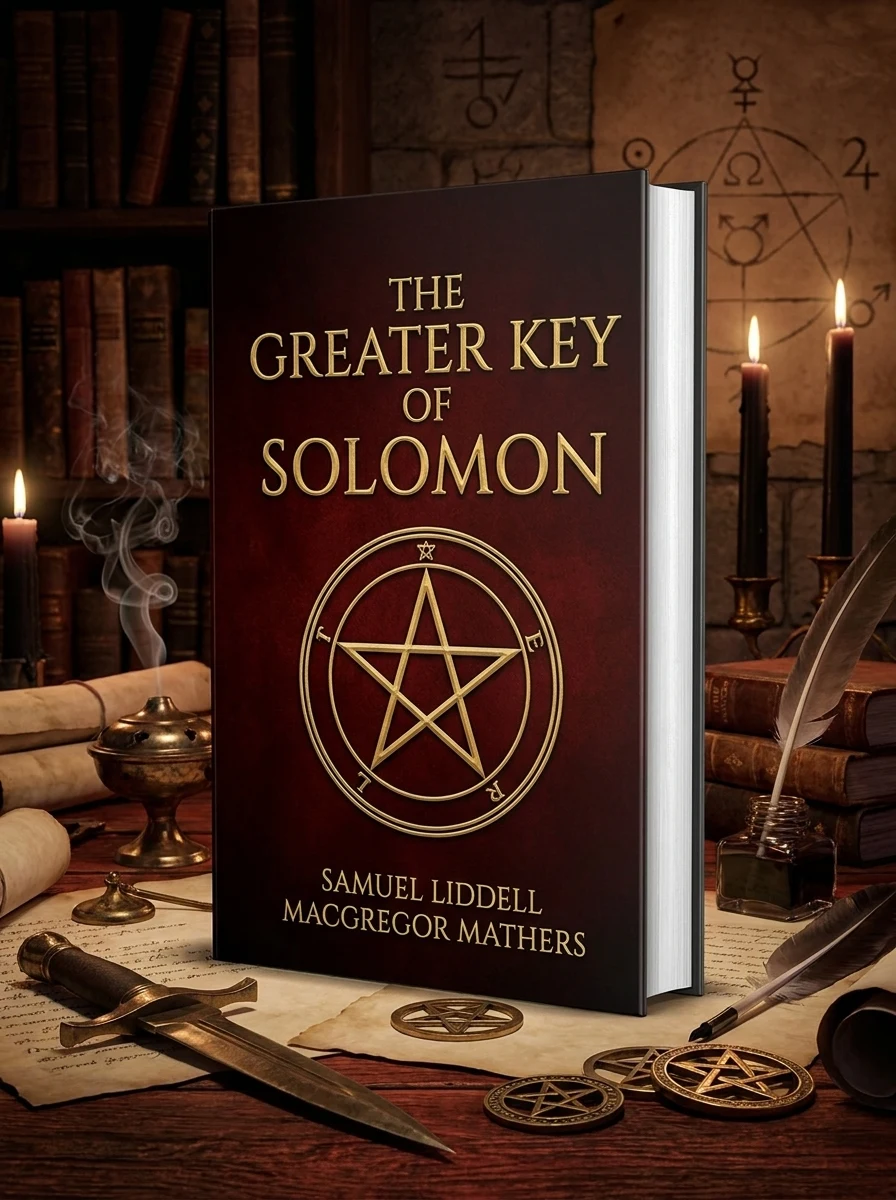
1. The Greater Key of Solomon: The Grimoire of Solomon — Samuel Mathers
This is a foundational pillar of the occult library. It details the creation of magical tools and the conjuration of spirits, serving as a primary reference for anyone wanting to understand the structure of high ritual magic. It provides the necessary framework for the practitioner to establish their authority before attempting spirit work. Because it is available for under $10, it remains one of the most accessible entry points for the serious student of the Solomonic arts.
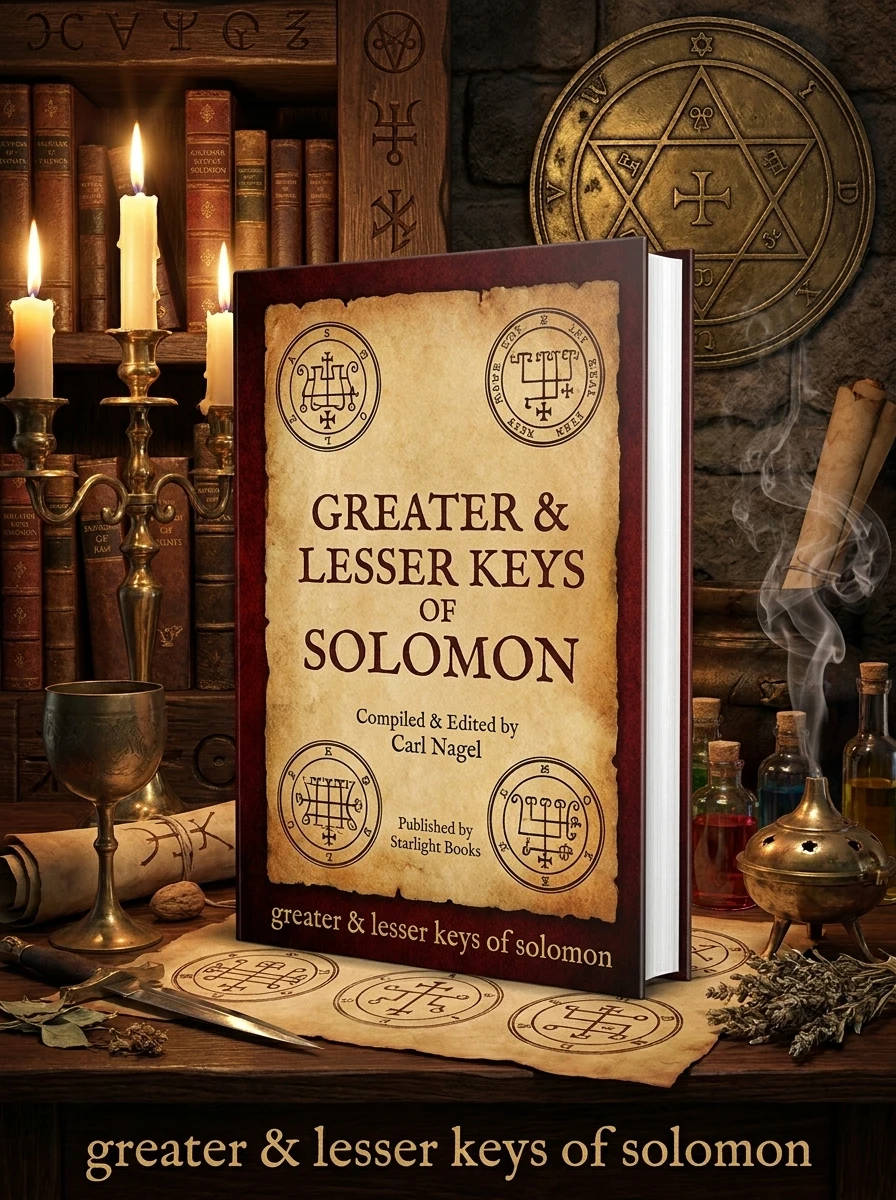
2. Greater and Lesser Keys of Solomon — S Liddell MacGregor Mathers
For those who want the complete picture, this volume combines the essential keys of ceremonial magic and demonology. It is a comprehensive tool for the dedicated practitioner of spirit work who needs a consolidated reference for their operations. By combining these keys, the practitioner gains a broader view of the spirit hierarchies and the specific methods required to constrain and direct them toward a desired end.
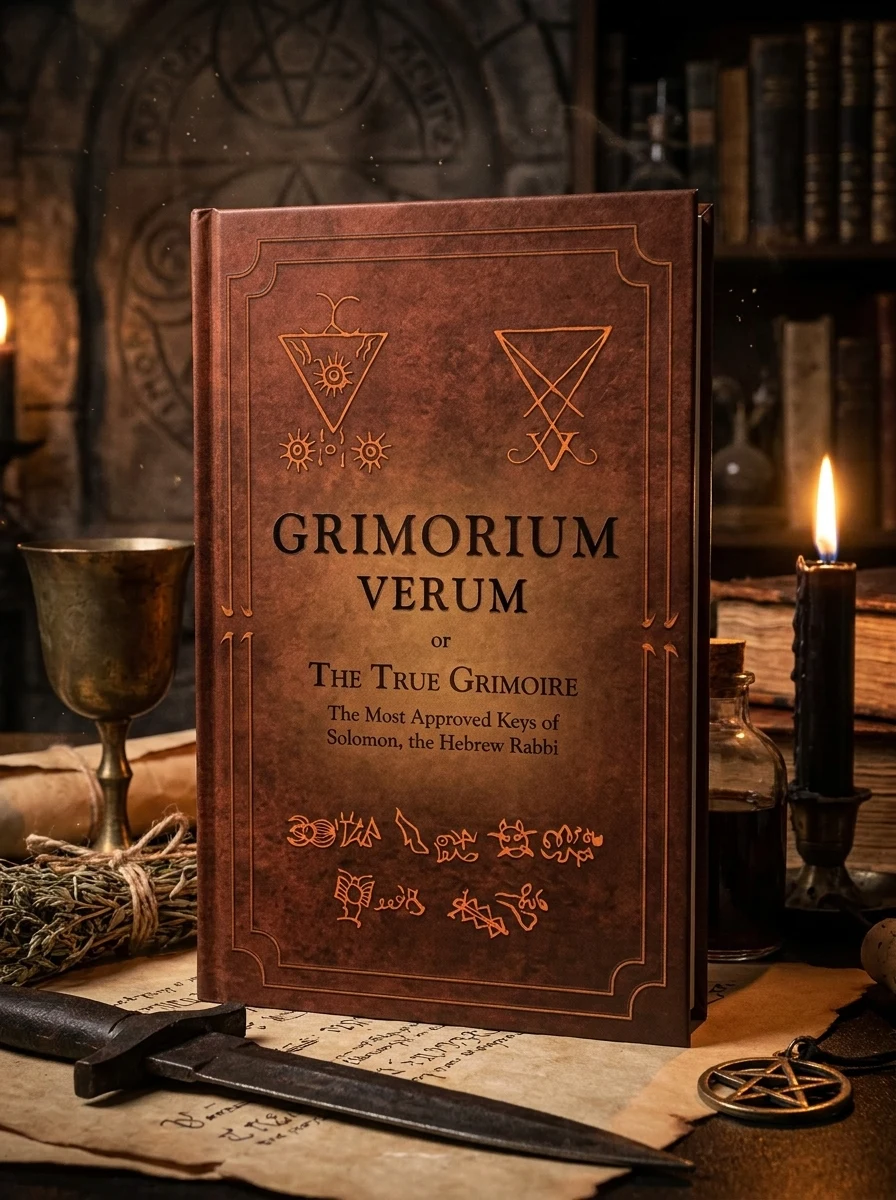
3. Grimorium Verum: or The True Grimoire — M-A Ricard & Plaingiere
Often considered more "raw" than the Solomonic keys, the Grimorium Verum is a stark, direct manual on spirit conjuration. It avoids some of the elaborate ceremonial fluff found in other texts, focusing instead on the direct results of the operation. It is highly suited for seasoned practitioners who prefer the directness of historical primary texts over modern interpretations and who are comfortable with the more aggressive nature of traditional spirit work.
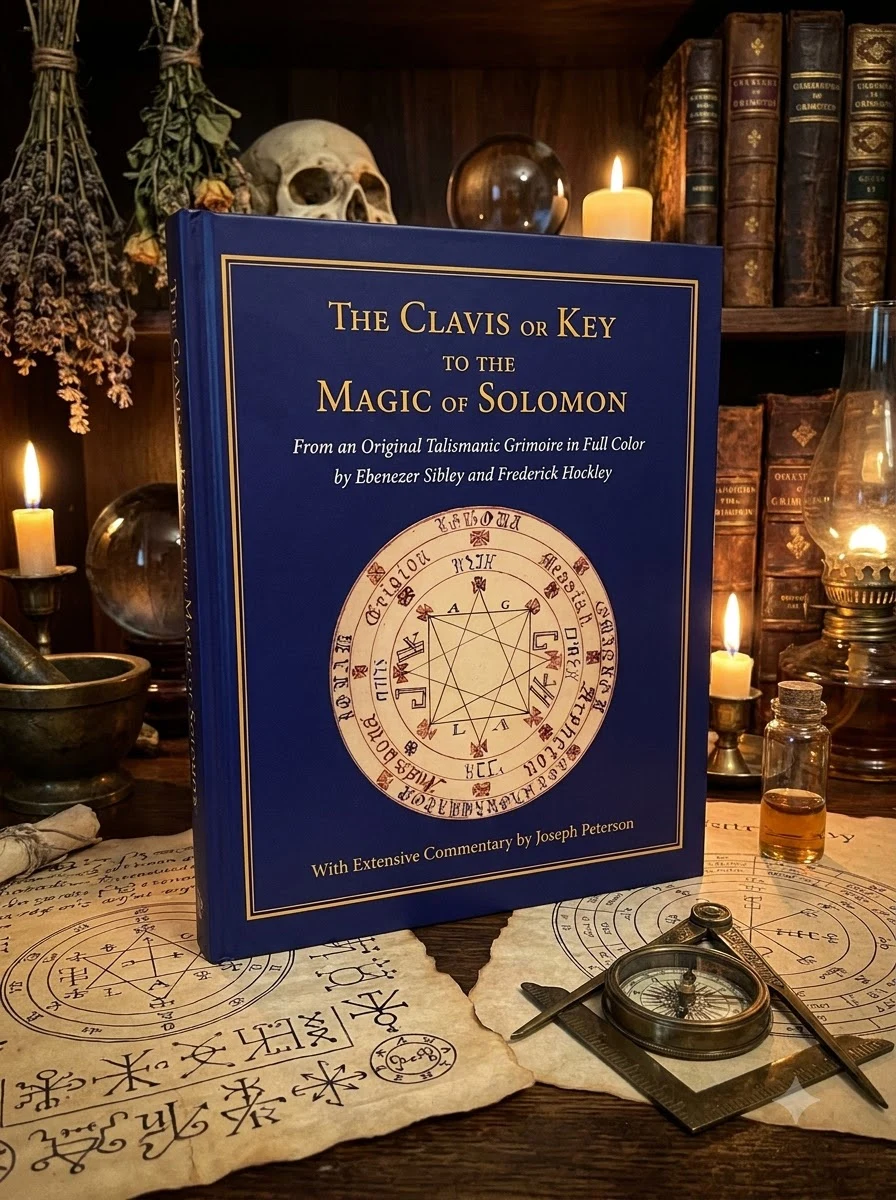
4. Clavis or Key to the Magic of Solomon — Joseph H Peterson
This is a meticulous, full-color reproduction of a talismanic grimoire. Because it includes the visual components of the magic, it is an invaluable resource for the ritualist who needs to see exactly how the sigils and seals were historically constructed. In ceremonial magic, the visual precision of a seal can be the difference between a successful operation and a failure, making this high-fidelity reproduction essential for those who prioritize accuracy in their talismanic work.
5. The Sworn and Secret Grimoire — Jake Stratton-Kent
Stratton-Kent provides a deep, challenging engagement with the material. This book is for the student who is tired of superficial guides and is ready to forge a real connection with the more demanding aspects of the grimoire tradition. It pushes the practitioner to move beyond the surface level of the rituals and engage with the actual spiritual currents that these texts were designed to tap into.
Historical Research and Comprehensive Reference
Some practitioners prefer a scholarly approach, treating the grimoire as an object of study before applying it. These works provide the context, translations, and cross-references needed to understand why a ritual is structured the way it is. This academic layer is vital because many historical grimoires contain shorthand or coded language that can only be deciphered through comparative study of other texts from the same era.
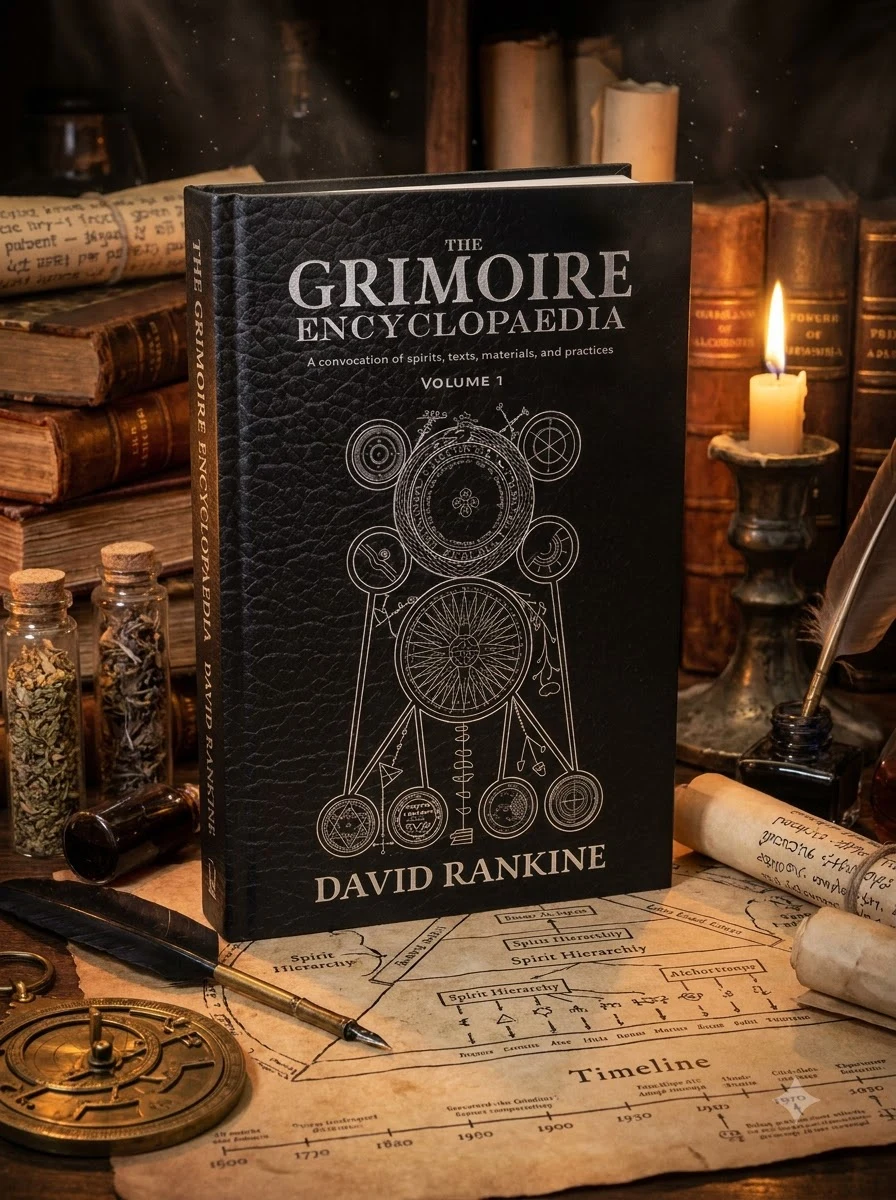
6. The Grimoire Encyclopaedia: Volume 1 — David Rankine
This is an indispensable foundational text for the scholar of esoteric history. It organizes the chaotic world of spirit texts into a structured format, making it a primary reference for the practicing ceremonial magician. By providing a systematic overview, it allows the user to identify patterns across different grimoire traditions and understand the evolution of spirit conjuration over the centuries.
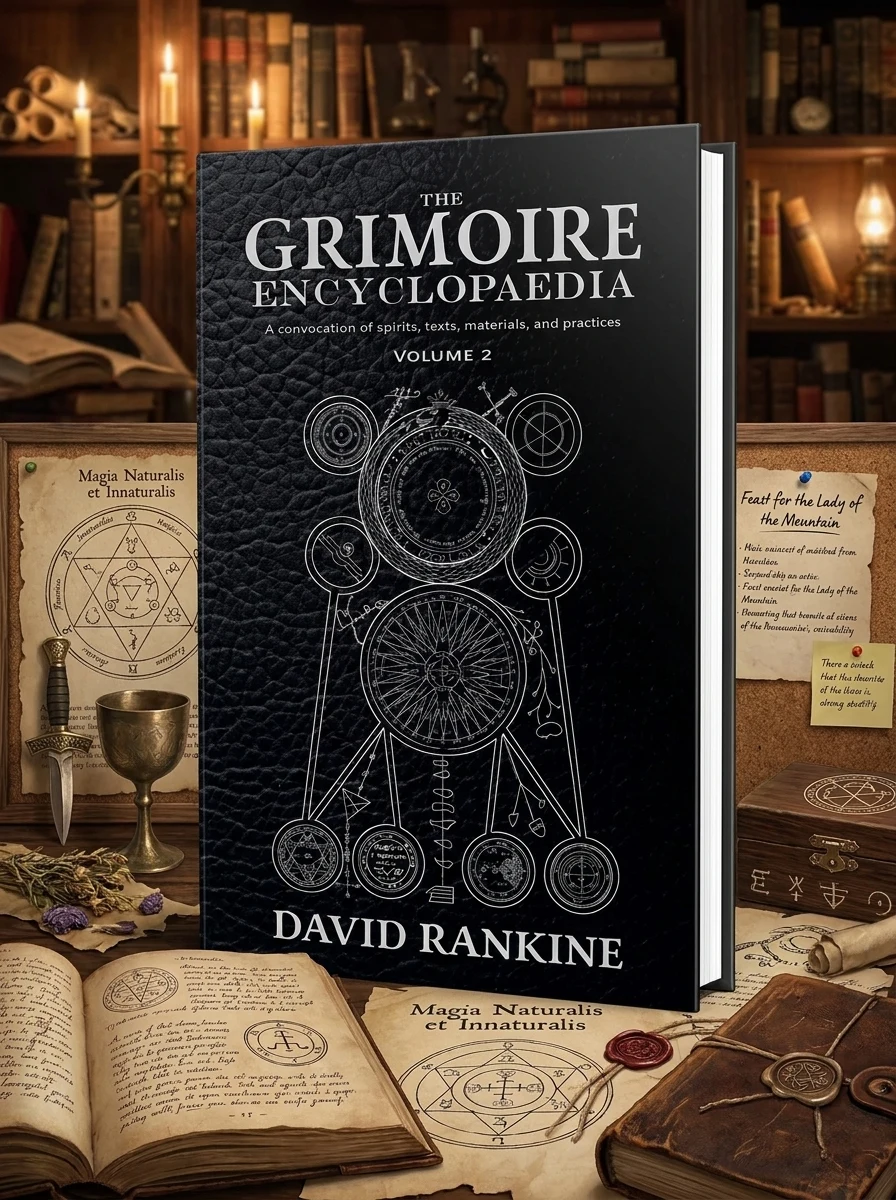
7. The Grimoire Encyclopaedia: Volume 2 — David Rankine
Continuing the exhaustive work of Volume 1, this second volume focuses on the actual convocation of spirits and the materials required. It is a heavy-duty resource for those who need an authoritative guide to historical practices. It bridges the gap between theoretical knowledge and practical application, detailing the specific materials and texts necessary to perform historical operations with fidelity.
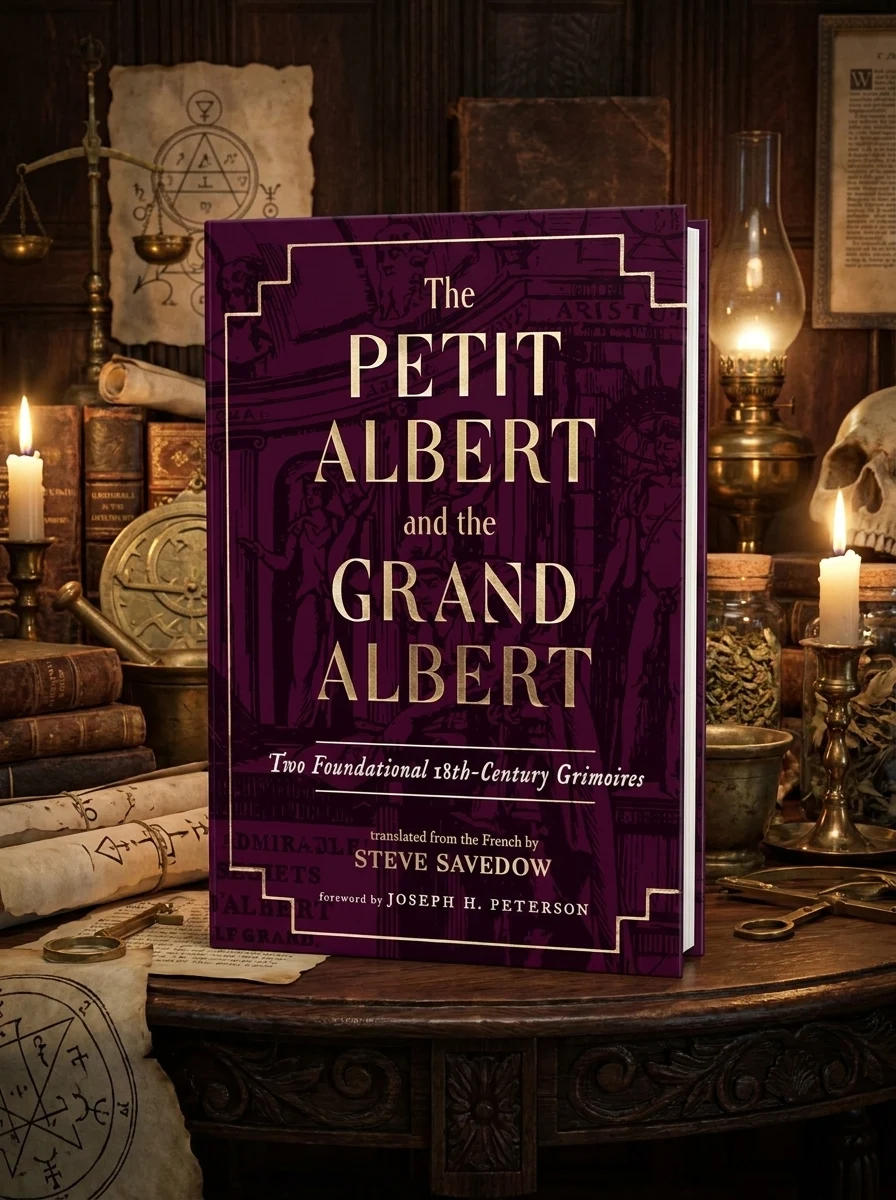
8. The Petit Albert and the Grand Albert — Albertus Magnus et al.
These 18th-century grimoires represent a bridge between high magic and the more "popular" magic of the era. This edition is essential for historians of the occult and practitioners of traditional Western esotericism. They offer a glimpse into how magical knowledge filtered down from the elite circles of the clergy and nobility into the hands of the general public, blending high ritual with folk utility.
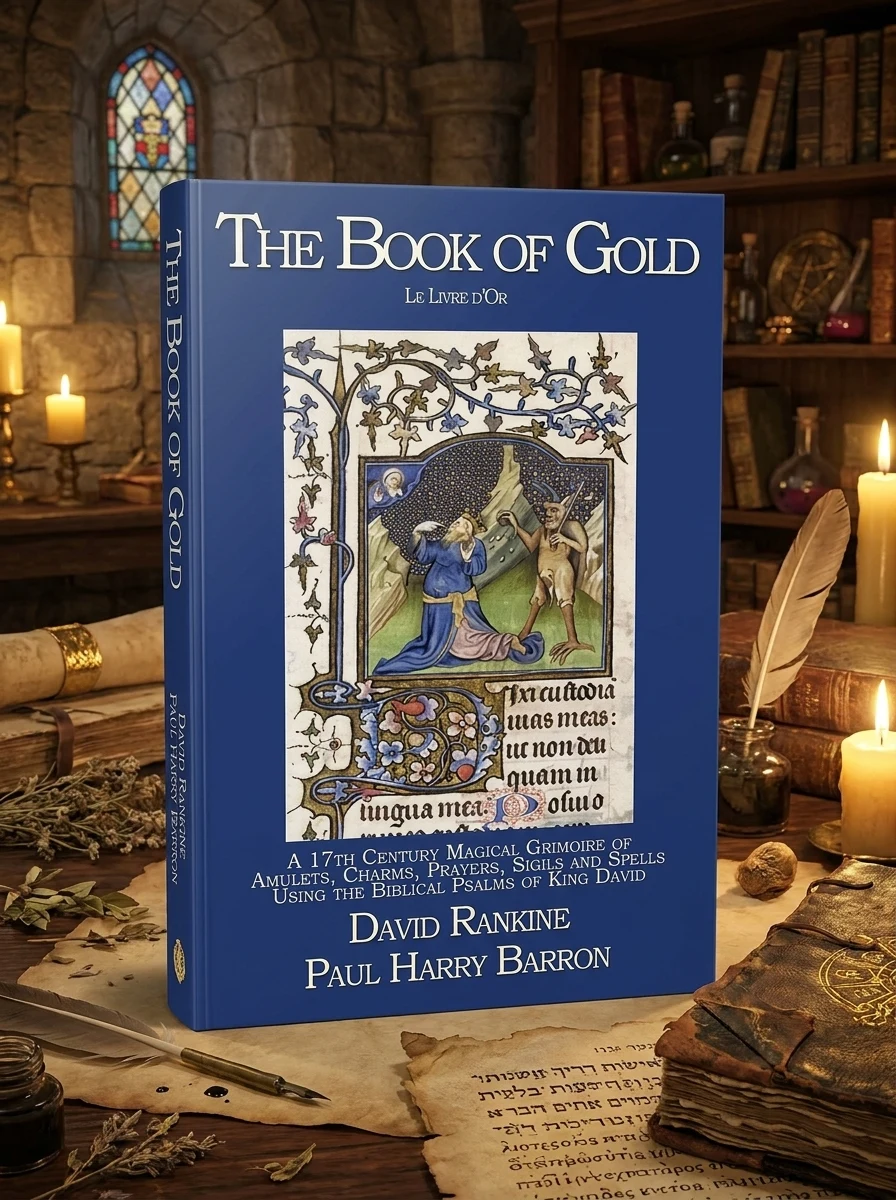
9. The Book of Gold — Harry Barron & David Rankine
A fascinating intersection of faith and folk practice, this 17th-century grimoire focuses on the use of the Biblical Psalms for amulets and charms. It is ideal for those interested in how sacred scripture was historically utilized for magical ends. It demonstrates the belief that the word of God, when structured correctly through specific prayers and sigils, could produce tangible physical effects in the world.
Folk Magic and Ancestral Grimoires
Not all grimoires are about commanding demons from a circle. Many are rooted in the blood, the soil, and the whispers of ancestors. These books focus on the organic connection between the practitioner and their lineage or environment. Unlike the Solomonic tradition, which relies on authority and command, folk grimoires often rely on relationship, reciprocity, and the inherent power of nature.
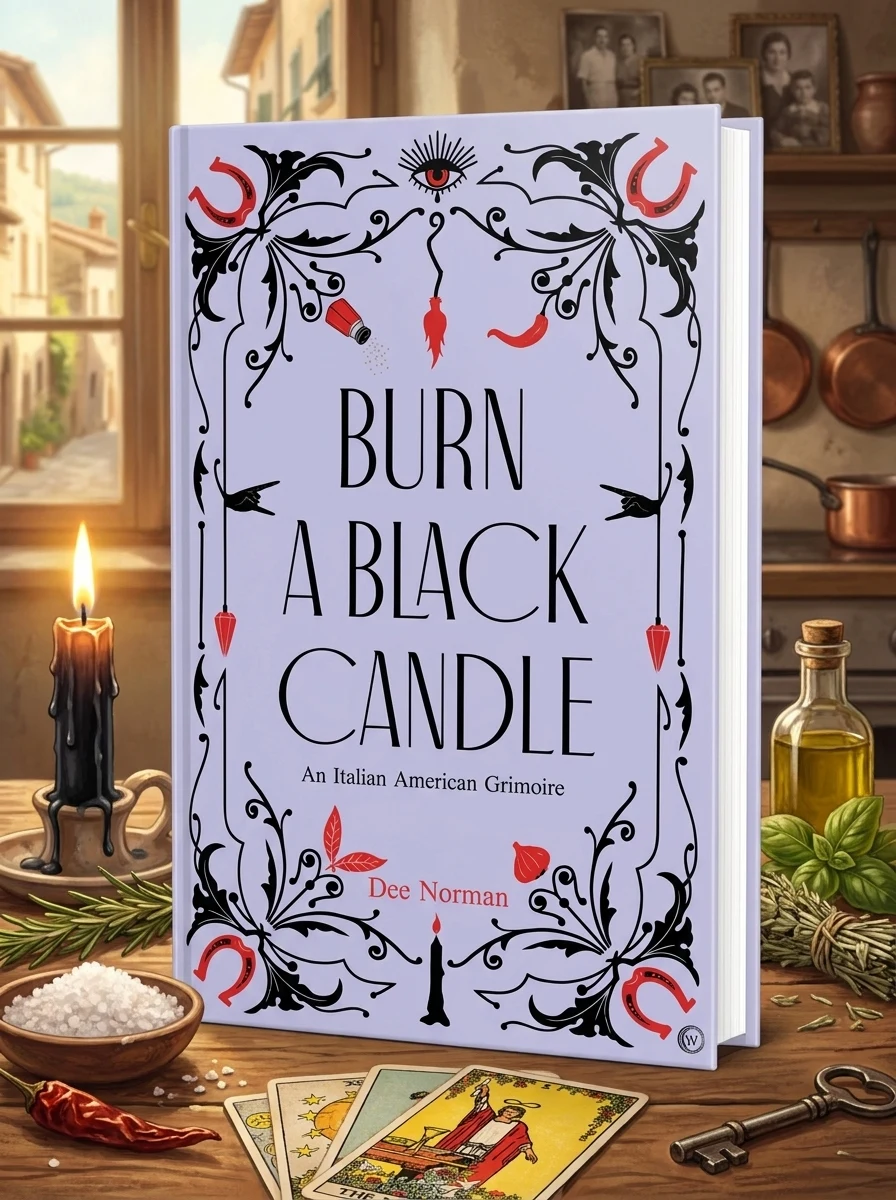
10. Burn a Black Candle: An Italian American Grimoire — Dee Norman
This work is a beautiful example of culturally rich, ancestral magic. It focuses on practical self-improvement and protection, making it a great choice for those drawn to the specific currents of Italian-American folk traditions. It emphasizes the importance of ancestral connection and the use of simple, accessible materials to achieve spiritual results.
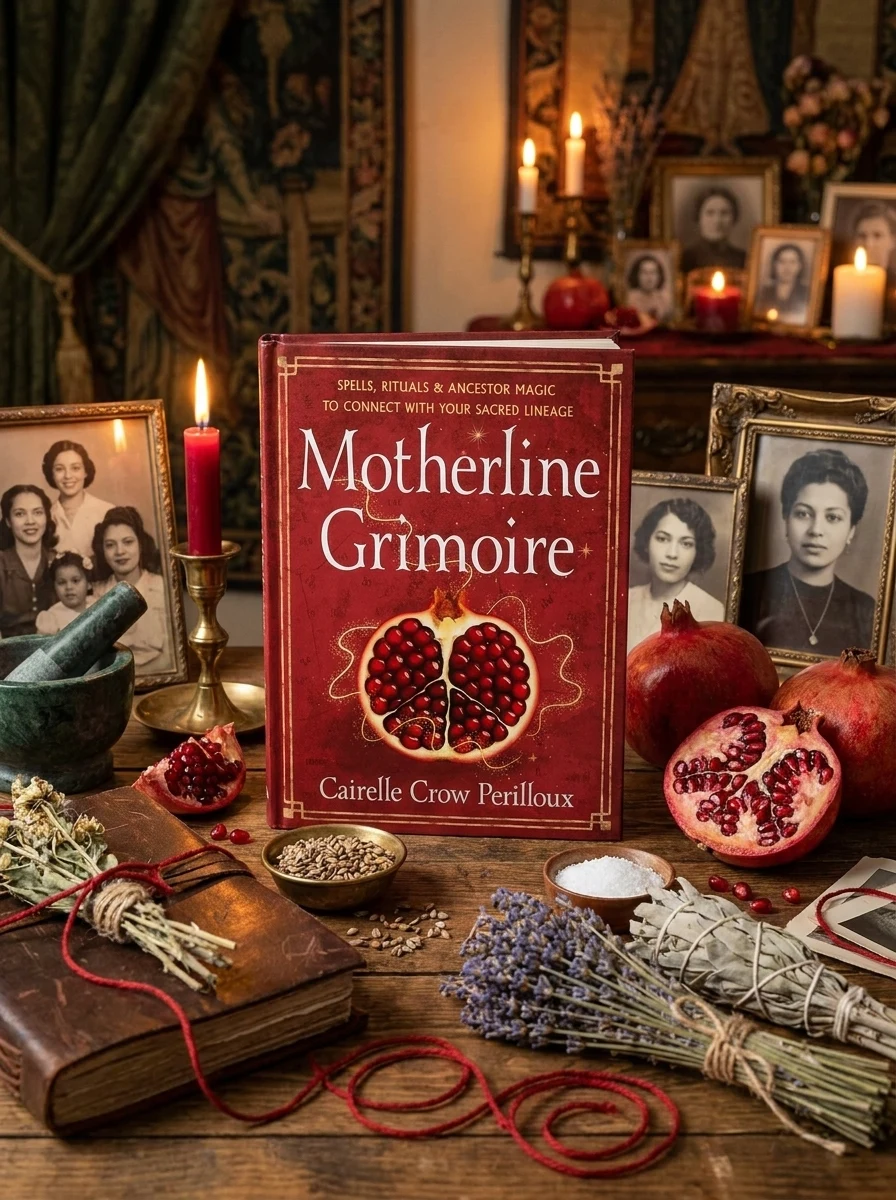
11. Motherline Grimoire — Cairelle Crow Perilloux
This is a deeply healing text focused on the feminine lineage. It provides rituals and spells designed to reclaim inherent power and forge a bond with the ancestors of the mother's line. It treats the grimoire not as a book of commands, but as a tool for reconnection and healing of the ancestral wound.
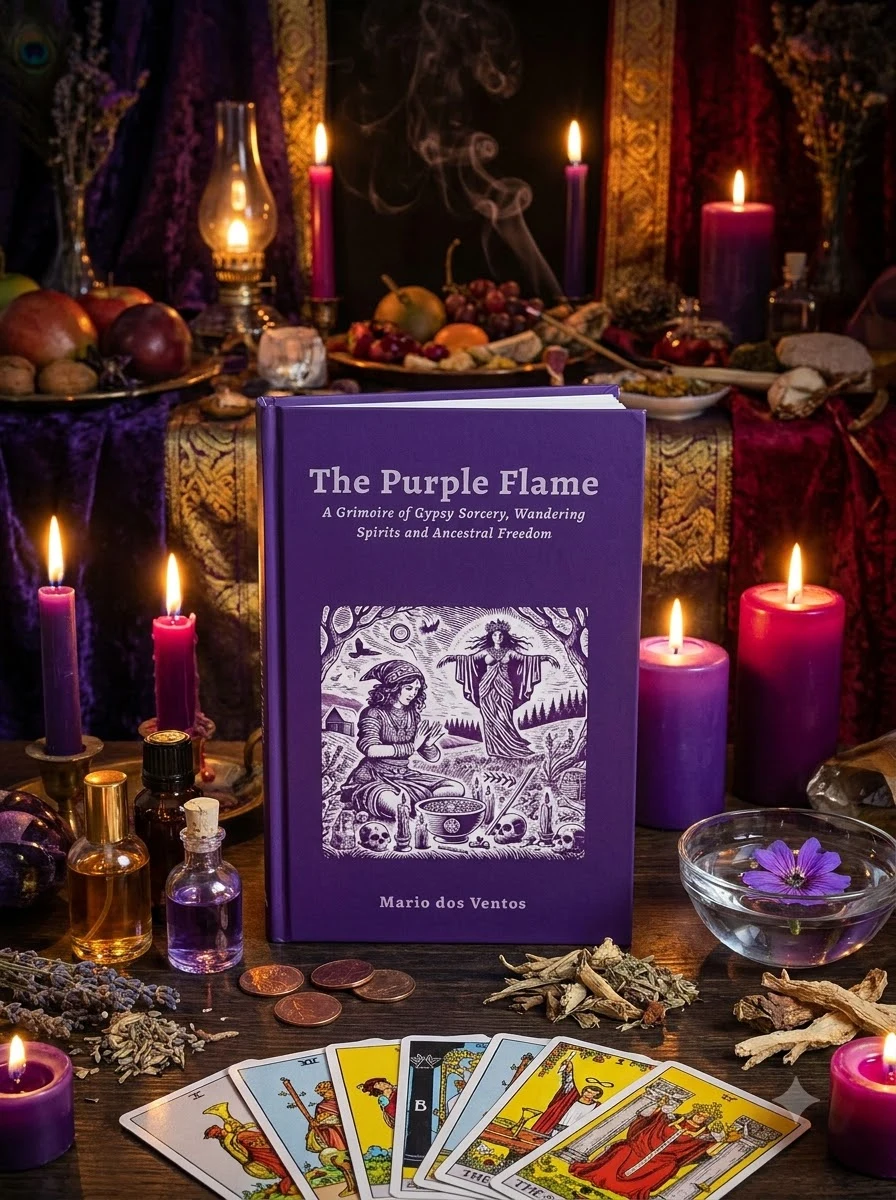
12. The Purple Flame: A Grimoire of Gypsy Sorcery — Mario Dos Ventos
Rooted in Umbanda and ancestral freedom, this grimoire is for the practitioner who wants results-driven magic. It focuses on engaging directly with powerful spirit allies to achieve tangible changes in life. It emphasizes the fluidity of spirit work and the importance of maintaining a dynamic relationship with the unseen world.
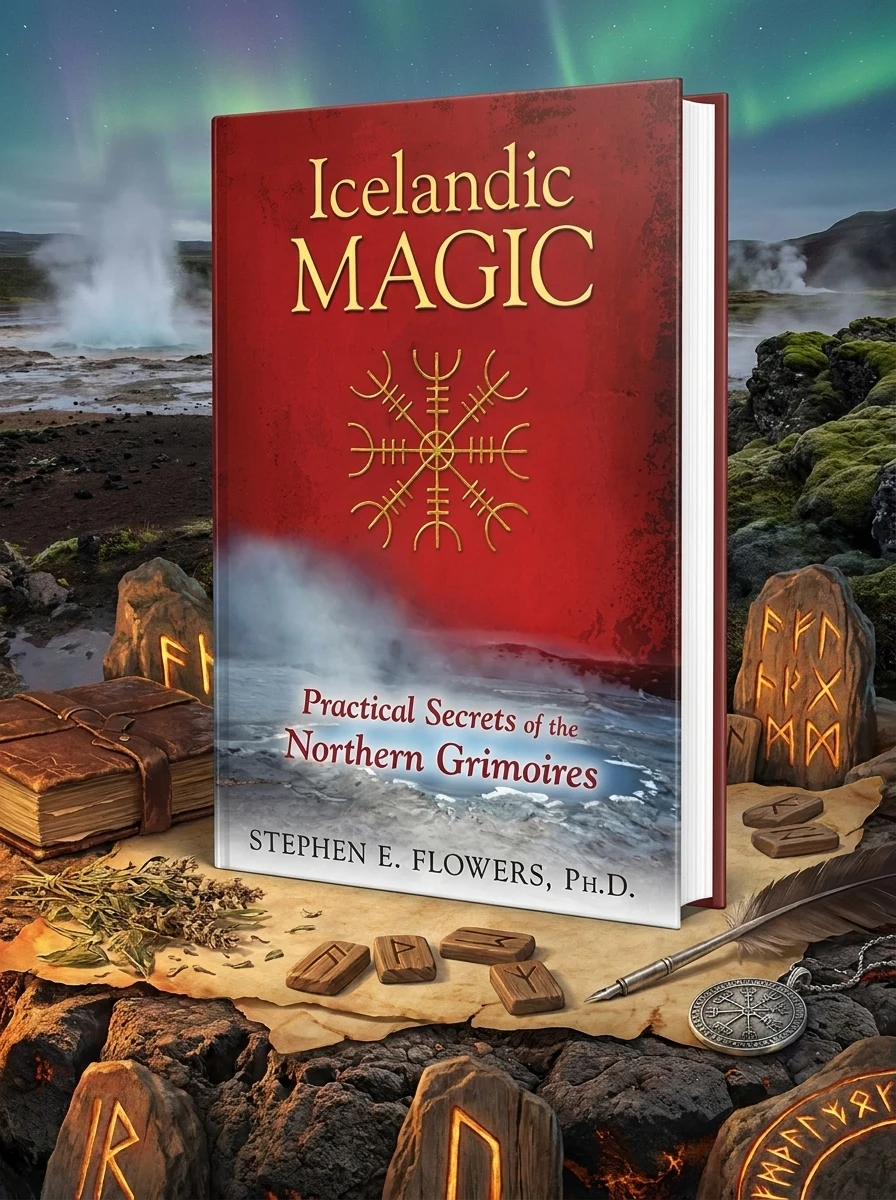
13. Icelandic Magic: Practical Secrets of the Northern Grimoires — Stephen E Flowers
For those drawn to the North, this book distills the secrets of Icelandic grimoires into a practical format. It is essential for anyone wanting to integrate Norse traditions into their current magical work. It explores the unique intersection of runic magic and the grimoire tradition, providing a window into the specific spiritual landscape of the North.
Modern Guides and Personal Practice
For many, the goal is not to follow an ancient text exactly, but to create a personal record of their own growth. Modern grimoires often act as templates or guides for building a custom practice. These books provide the structure that allows a practitioner to experiment safely while maintaining a record of what works and what does not.
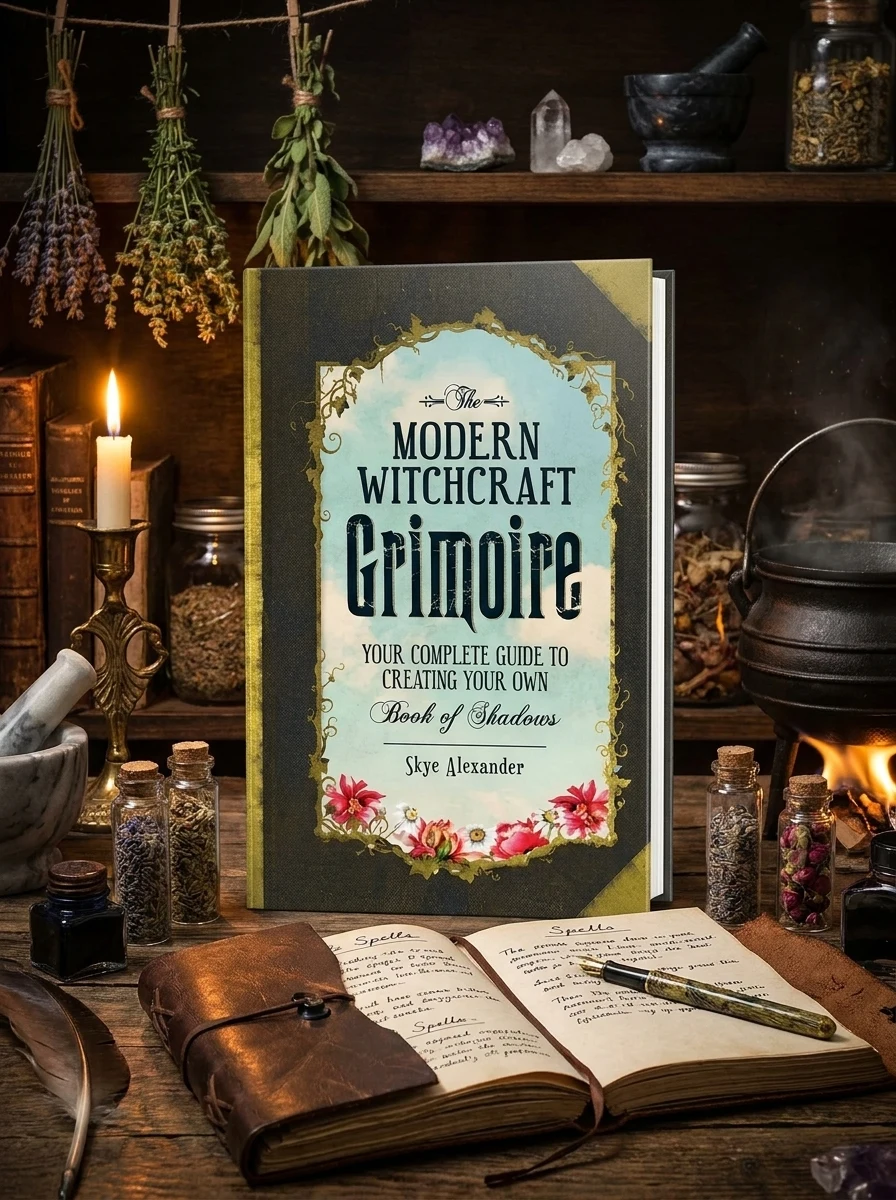
14. The Modern Witchcraft Grimoire — Skye Alexander
This is the definitive guide for creating a Book of Shadows. It is less about providing a set of rigid spells and more about teaching the budding witch how to organize their own wisdom and sacred space. It encourages the practitioner to become the author of their own magical life, using the book as a mirror for their spiritual development.
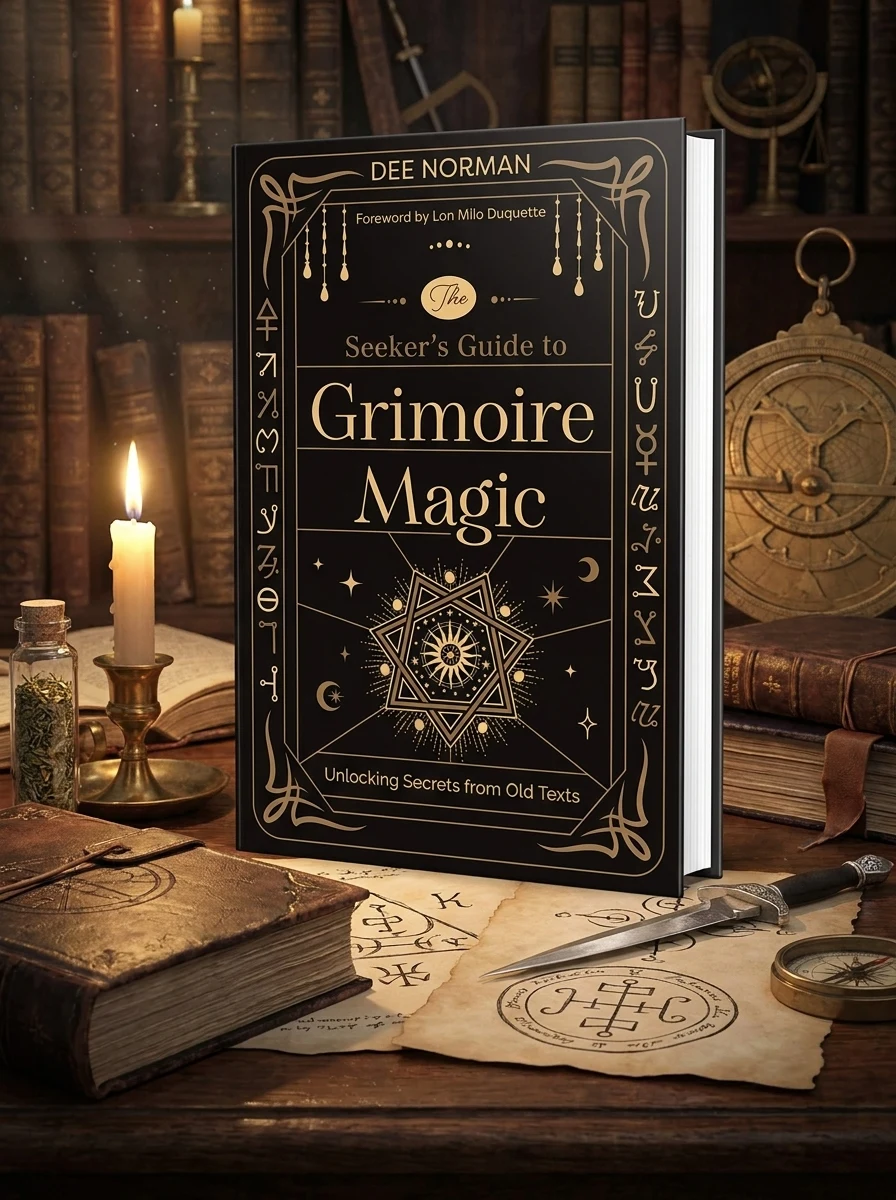
15. The Seeker's Guide to Grimoire Magic — Dee Norman & Lon Milo DuQuette
Historical texts are often impenetrable. This guide acts as a translator, helping aspiring magicians understand old texts without getting lost in the archaic language. It is a perfect companion for those starting with the Solomonic books, as it provides the necessary context to make the ancient instructions usable in a modern setting.
How to Choose Your First Grimoire
Selecting a grimoire depends entirely on your current spiritual maturity and your goals. If you are a complete beginner, avoid jumping straight into the Grimorium Verum or the Greater Key of Solomon without a guide. These texts assume you already know the basics of ritual hygiene and spirit protection. Instead, start with a modern guide like The Seeker's Guide to Grimoire Magic or a structured workbook to build your foundation.
If you feel a pull toward a specific culture or ancestry—such as the Italian or Norse traditions—prioritize those folk grimoires. They often provide a more intuitive and emotionally resonant path than the rigid structures of ceremonial magic. These paths allow for a more organic growth of power, rooted in the connection to one's own heritage and the natural world.
Finally, remember that a grimoire is a tool, not a rulebook. The most powerful grimoire you will ever own is the one you write yourself, informed by the historical texts that resonate with your soul. By combining the wisdom of the past with your own personal experience, you create a living document that evolves as you do. The goal is not merely to possess a library of books, but to possess the knowledge and experience that those books describe.