Searching for Goetia Lesser Key of Solomon translations often means looking beyond a simple text reprint. The Ars Goetia has appeared in many editions, with differences in presentation, editorial focus, and surrounding material. A reader comparing versions may be interested in historical preservation, ceremonial magic traditions, manuscript studies, or the broader collection of Solomonic works connected with the Lesser Key.
The Ars Goetia is traditionally presented as the first book of the Lemegeton. The text is associated with Goetia, the practice of magical evocation involving named spirits, and with demonology, the historical study of demons, classifications, and ideas about spiritual beings found in religious and magical writings. Different books approach these subjects in different ways. Some focus on a single text, while others place the Ars Goetia alongside other Solomonic writings.
This comparison highlights eight books from our grimoire collection that are relevant for anyone studying Lesser Key of Solomon translations. The selection includes classic editions, broader collections, and scholarly presentations. Each book serves a different purpose, so the right choice depends on what kind of material you want to study.
Classic Ars Goetia and Lesser Key editions
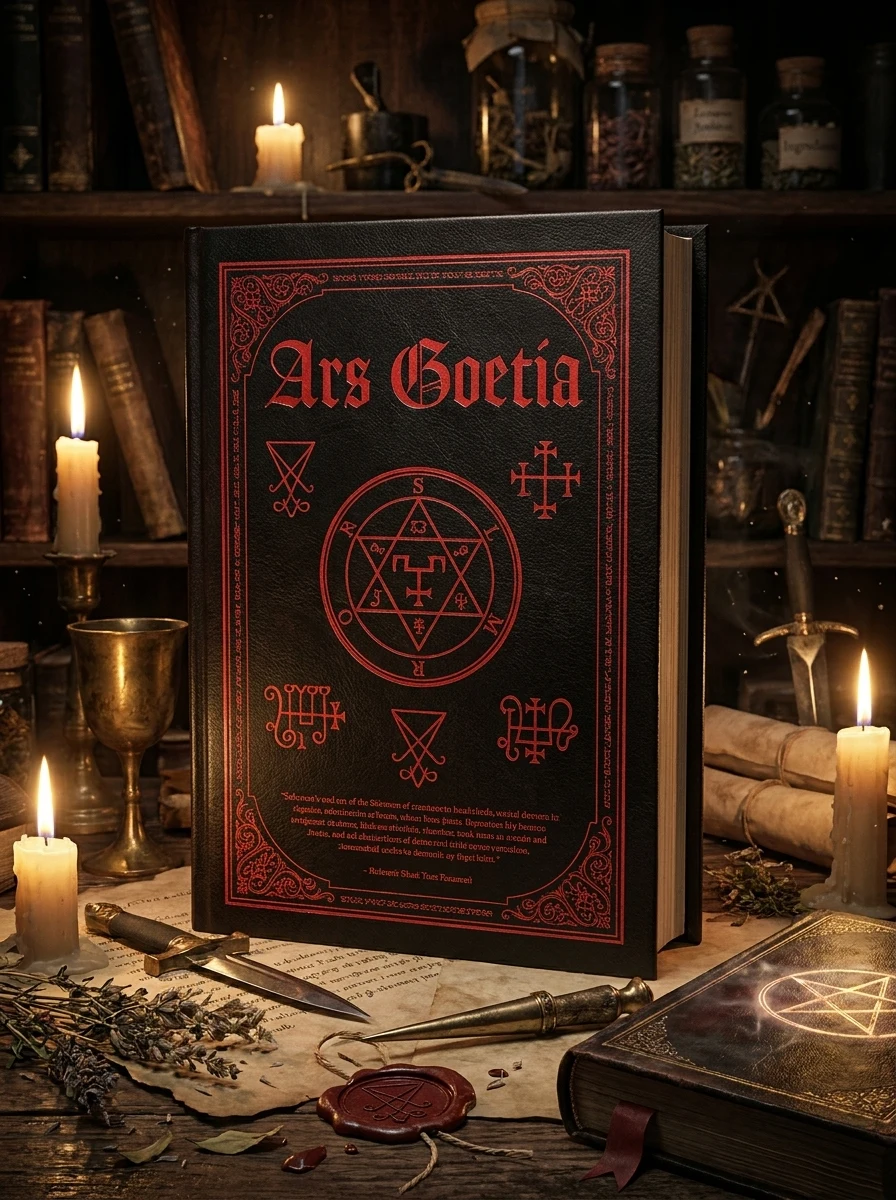
1. Ars Goetia: Book I of the Lemegeton — Mathers, Samuel MacGregor
This edition is a focused entry for readers specifically interested in the first book of the Lemegeton. It presents the Ars Goetia as a standalone work and is useful for examining the text in its own historical context.
Among Goetia Lesser Key of Solomon translations, a focused Ars Goetia volume can be valuable because it keeps attention on the central text rather than adding a large collection of related writings. Students of occult history and ceremonial magic may appreciate having a dedicated reference centered on this part of the Lemegeton tradition.
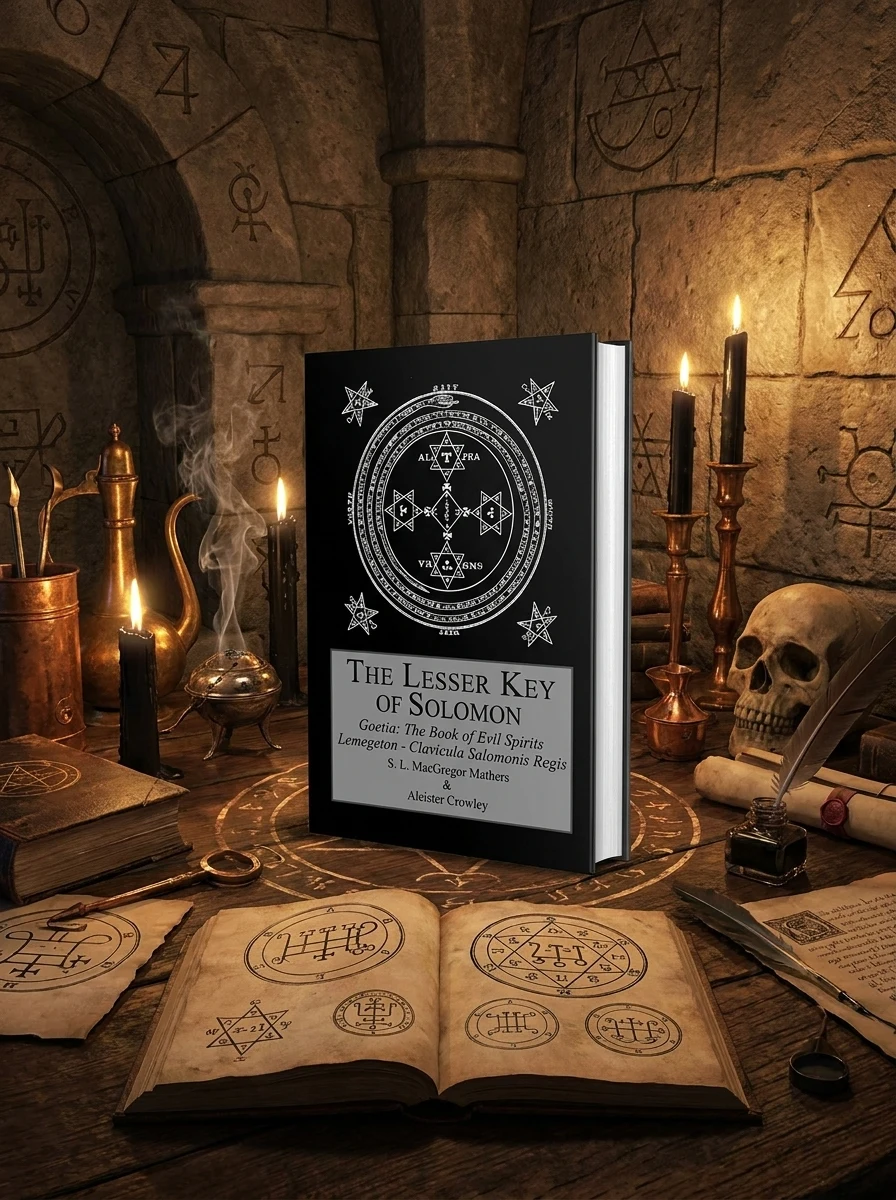
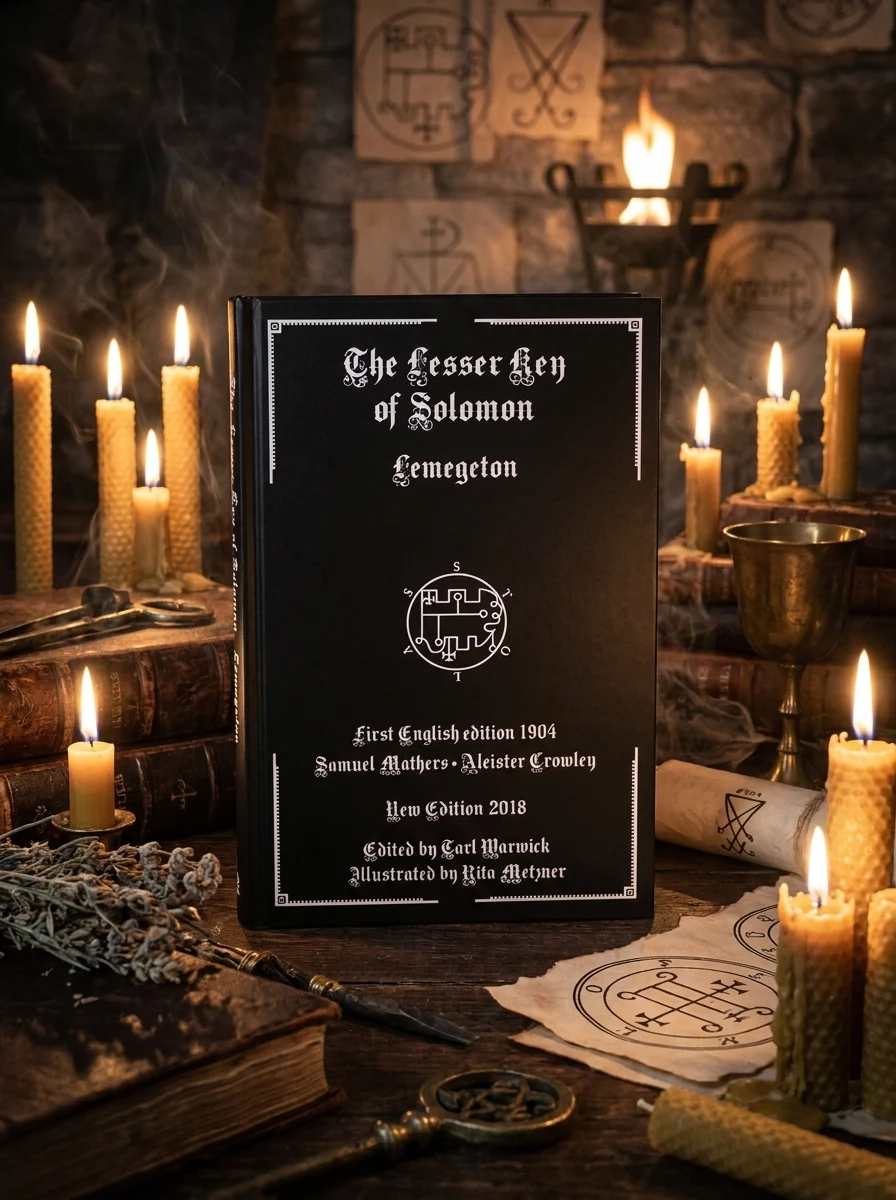
2. The Lesser Key of Solomon — Crowley, Aleister
This edition connects the Lesser Key with the publication history associated with Crowley. It offers readers a way to examine how a major twentieth-century occult figure approached a traditional grimoire source.
For collectors comparing different versions, this book represents an important historical edition. It can be considered alongside other Lesser Key publications to observe differences in editorial choices and the ways older magical texts have been presented to modern audiences.
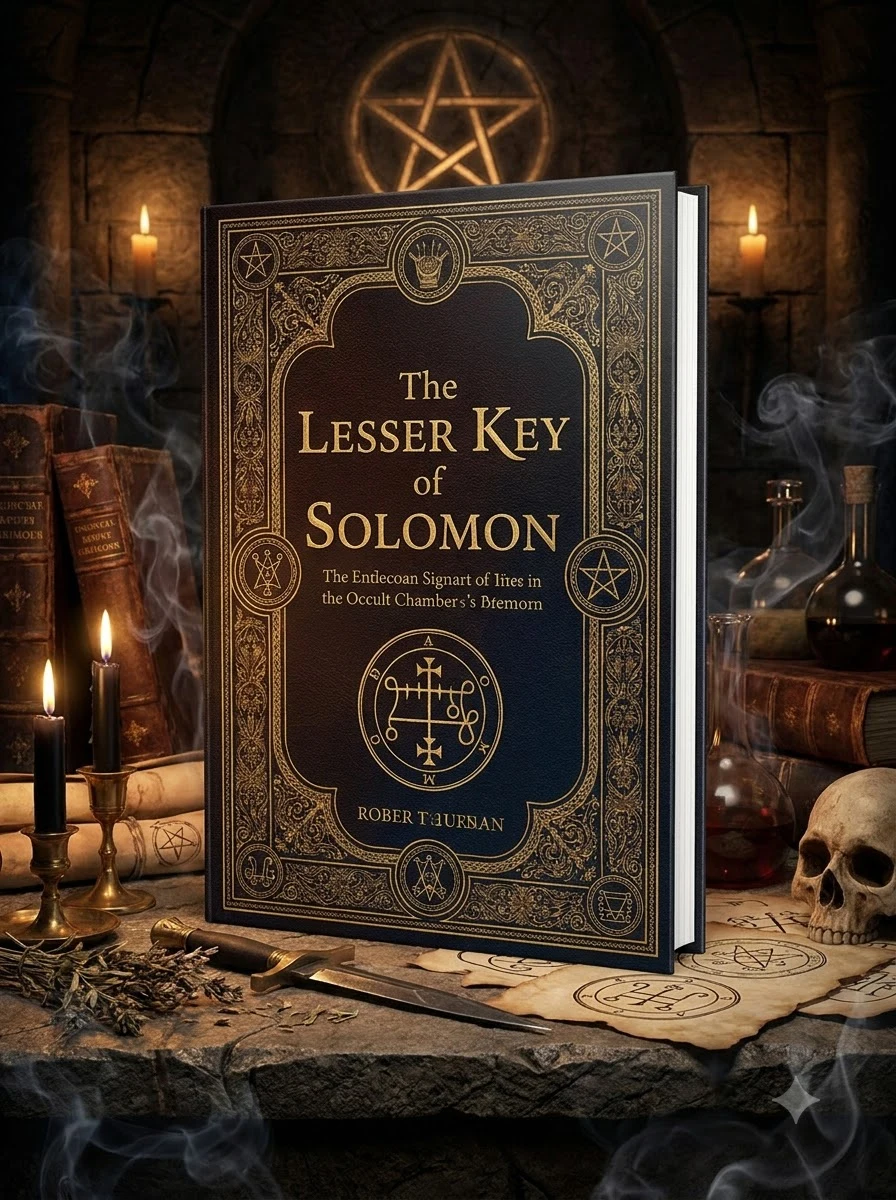
3. The Lesser Key Of Solomon — Crowley, Aleister
This separate catalog entry provides another edition of Crowley's Lesser Key material. Multiple editions of the same title can interest researchers who compare formatting, publication history, and available versions of a classic grimoire.
Readers building a collection of ceremonial magic texts may find value in examining more than one presentation of the Lesser Key. Comparing editions can reveal how publishers and editors shape the experience of studying historical magical literature.
Collections covering wider Solomonic traditions
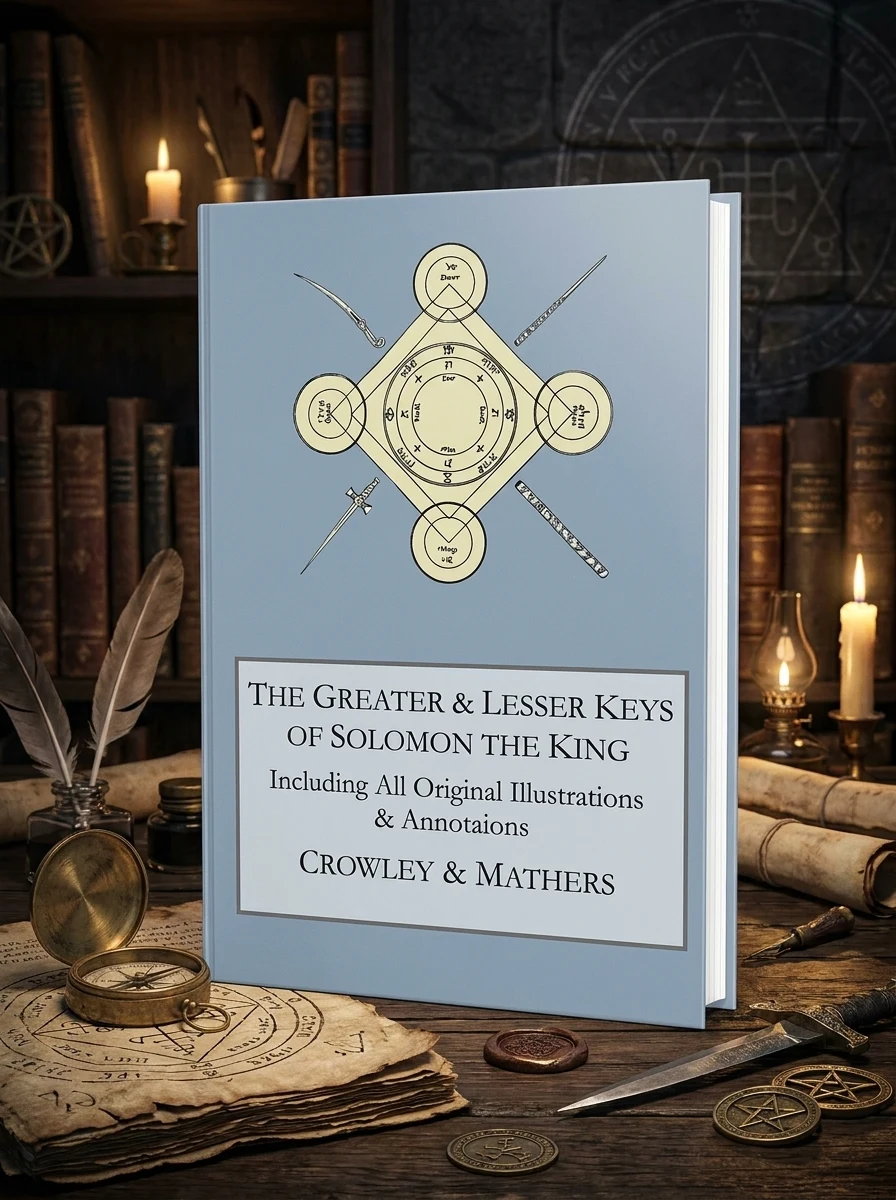
4. The Greater and Lesser Keys of Solomon the King — Crowley, Aleister
This volume expands beyond the Lesser Key alone by including the Greater and Lesser Keys traditions. It is suited to readers who want to place the Ars Goetia within the larger group of texts associated with Solomon.
A combined collection can help students understand that the Lesser Key is part of a wider Solomonic literary tradition. Instead of concentrating only on one section, this type of book provides additional material for comparing related works.
5. The Lesser Key of Solomon: Lemegeton — Mathers, S L
This edition focuses on the Lemegeton connection and is relevant for readers searching for a traditional Lesser Key presentation. It provides a direct way to engage with one of the most recognized grimoire titles in Western occult literature.
Students interested in historical grimoires may prefer a volume that keeps the focus on the original structure and traditional organization of the work. This edition fits that interest by centering the Lesser Key rather than presenting a broad modern overview.
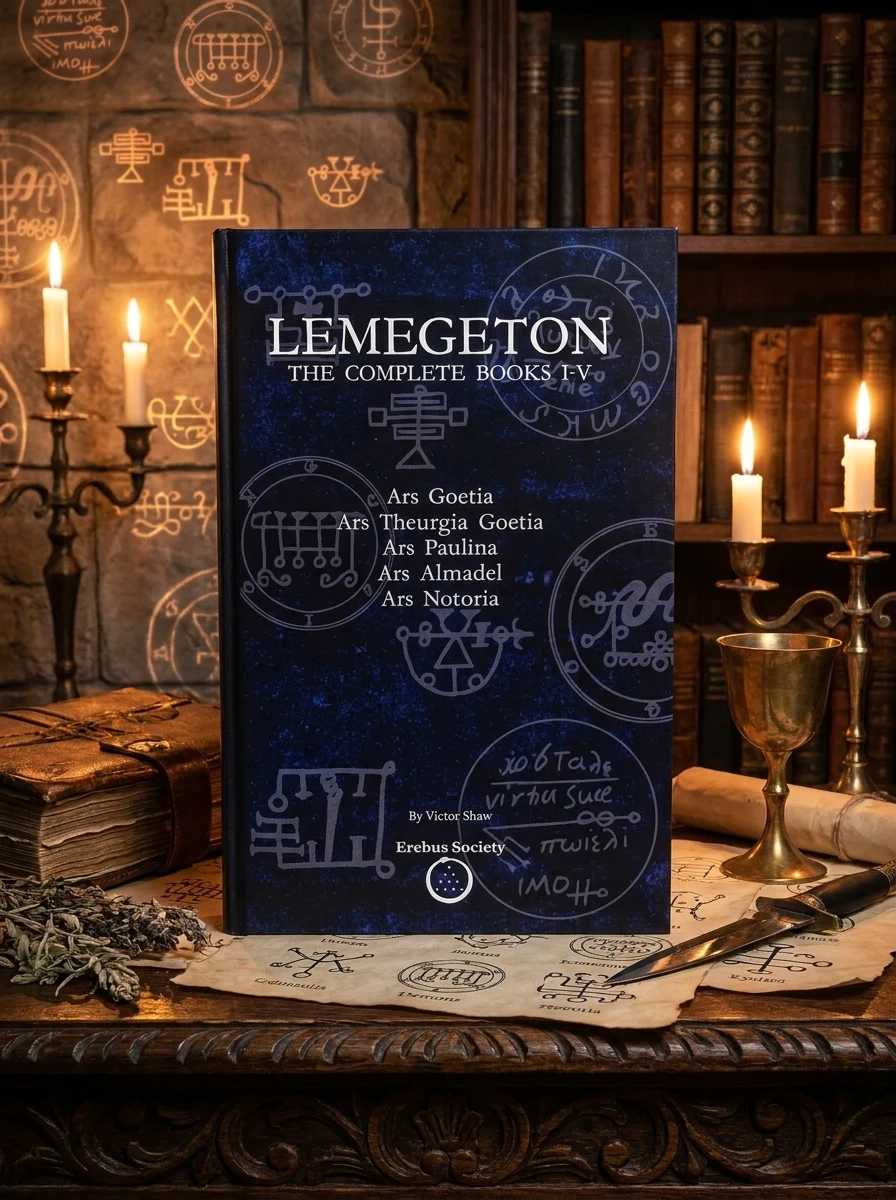
6. Lemegeton: The Complete Books I-V: Ars Goetia, Ars Theurgia Goetia, Ars Paulina, Ars Almadel, Ars Notoria — Shaw, Victor
This collection presents all five books of the Lemegeton, making it useful for readers who want to examine the Ars Goetia alongside the other sections traditionally grouped within the work.
A complete Lemegeton edition provides a broader framework for understanding how different magical systems appear together in manuscript traditions. It may appeal to researchers who want more than a single section and prefer a wider reference source.
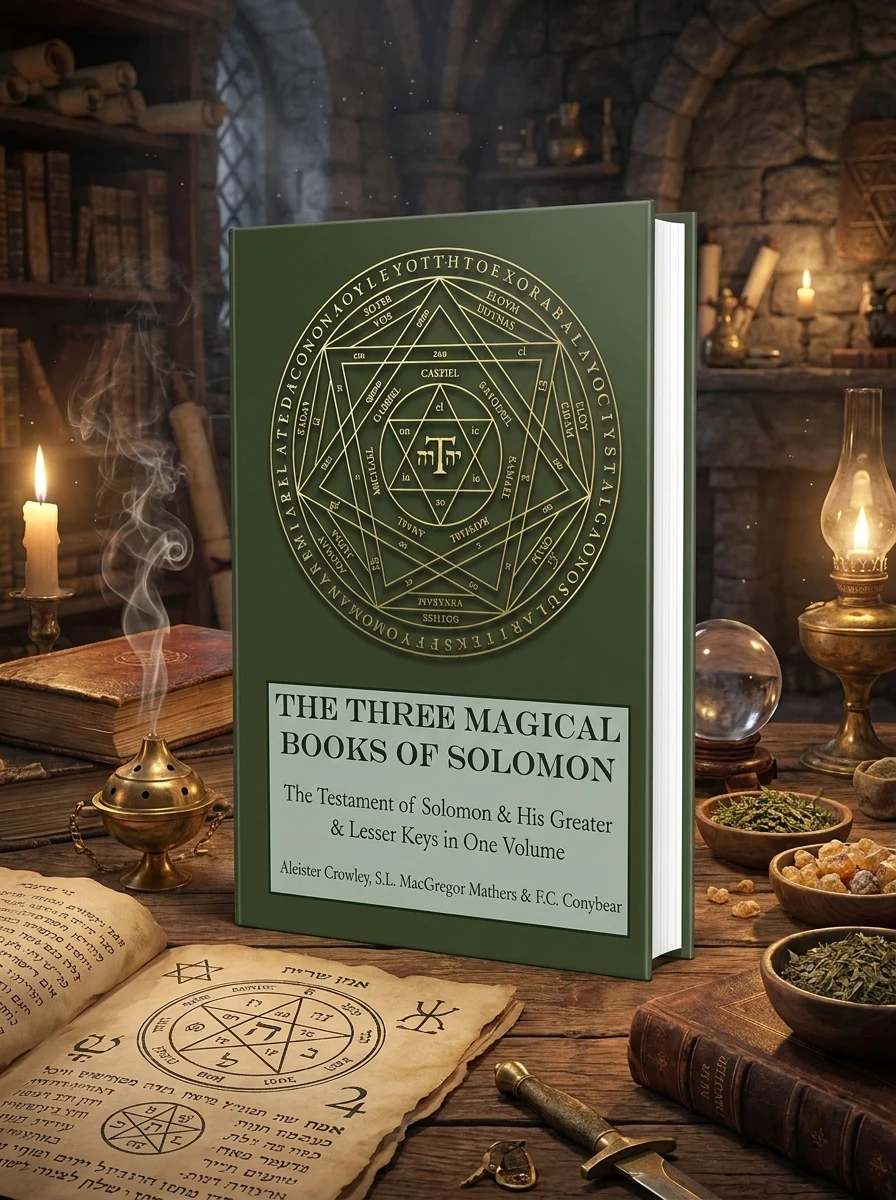
7. The Three Magical Books of Solomon: The Greater and Lesser Keys & The Testament of Solomon — Mathers, S L MacGregor
This collection brings together three major Solomonic works. It is relevant for readers exploring how the Greater Key, Lesser Key, and Testament of Solomon relate within the broader history of magical literature.
For those studying Solomonic texts comparatively, a collection like this can provide useful context. It allows readers to examine different works attributed to Solomon and consider how these writings developed across historical periods.
Scholarly approaches and related grimoire studies
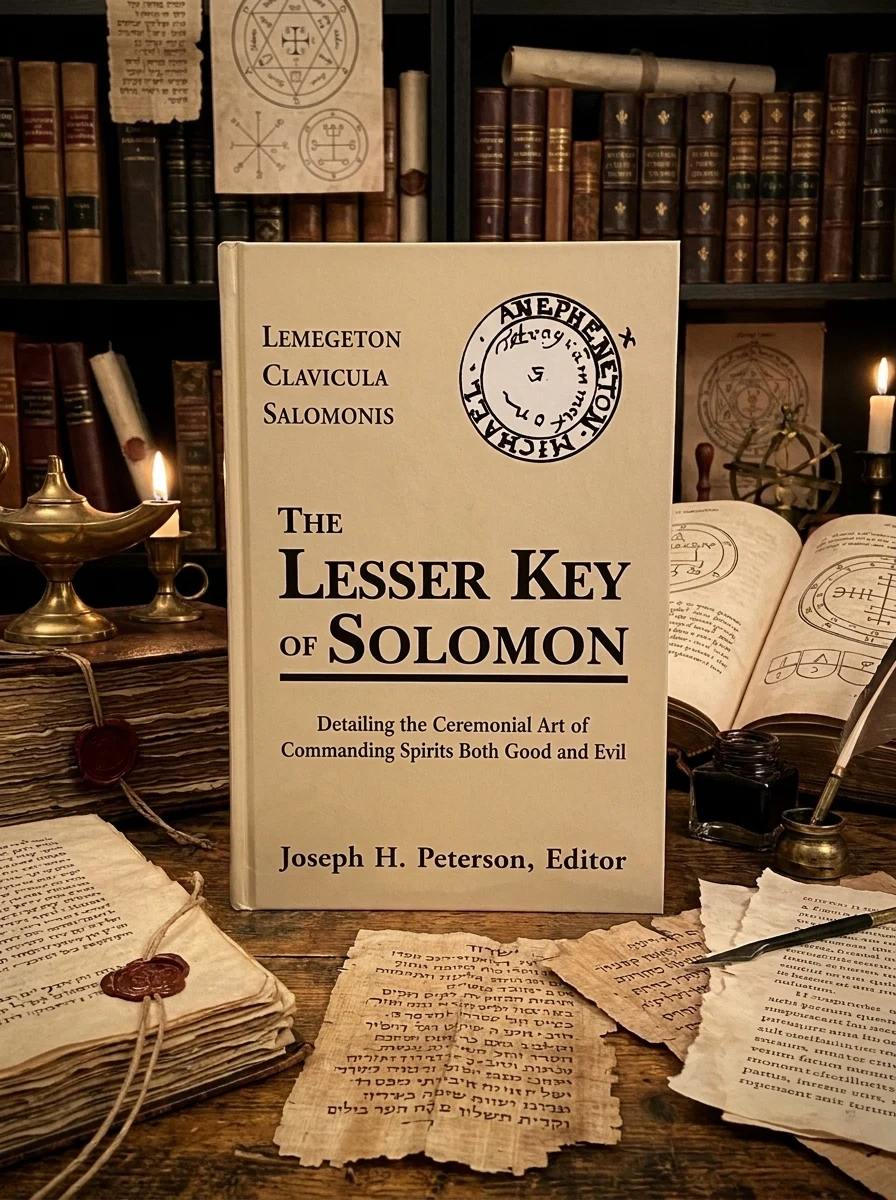
8. Lesser Key of Solomon: Detailing the Ceremonial Art of Commanding Spirits Booth Good and Evil — Peterson, Joseph H
This edition is intended for readers interested in a scholarly presentation of the Lesser Key. Joseph Peterson's work is associated with edited historical magical texts and careful attention to source material.
Those studying the Lesser Key as a document of occult history may find this type of edition especially useful. It approaches the text as part of a historical tradition rather than only as a modern practical guide.
9. Greater and Lesser Keys of Solomon: The Complete Grimoire of Ceremonial Magic & Demonology — Mathers, S Liddell MacGregor
This collection combines major Solomonic material with a focus on ceremonial magic and demonology. It is suited to readers who want a larger reference work covering connected magical traditions.
Readers interested in Spirit traditions, historical grimoires, and the development of ceremonial magic literature may appreciate a collection that brings multiple related texts together. It provides another perspective on how the Lesser Key has been studied alongside wider occult writings.
Choosing among Goetia translations
The best Goetia Lesser Key of Solomon translation for a particular reader depends on the intended purpose. A person seeking a focused Ars Goetia text may prefer a standalone edition. Someone interested in the full Lemegeton tradition may prefer a complete collection containing multiple books.
Historical researchers often compare several editions because each publication reflects choices about organization, presentation, and editorial goals. A classic Mathers volume, a Crowley-related edition, and a scholarly collection may all provide different ways of approaching the same broad tradition.
Price can also influence selection. Focused editions in the collection are available at lower prices, while larger reference works may cost more because they include additional material. Building a library gradually can allow readers to begin with a central text and later add broader collections for comparison.
When comparing Goetia Lesser Key of Solomon translations, consider the amount of surrounding material, the historical focus, and whether the book centers on one text or a larger group of Solomonic writings. These differences help explain why multiple editions continue to attract students of grimoires and Western esoteric history.