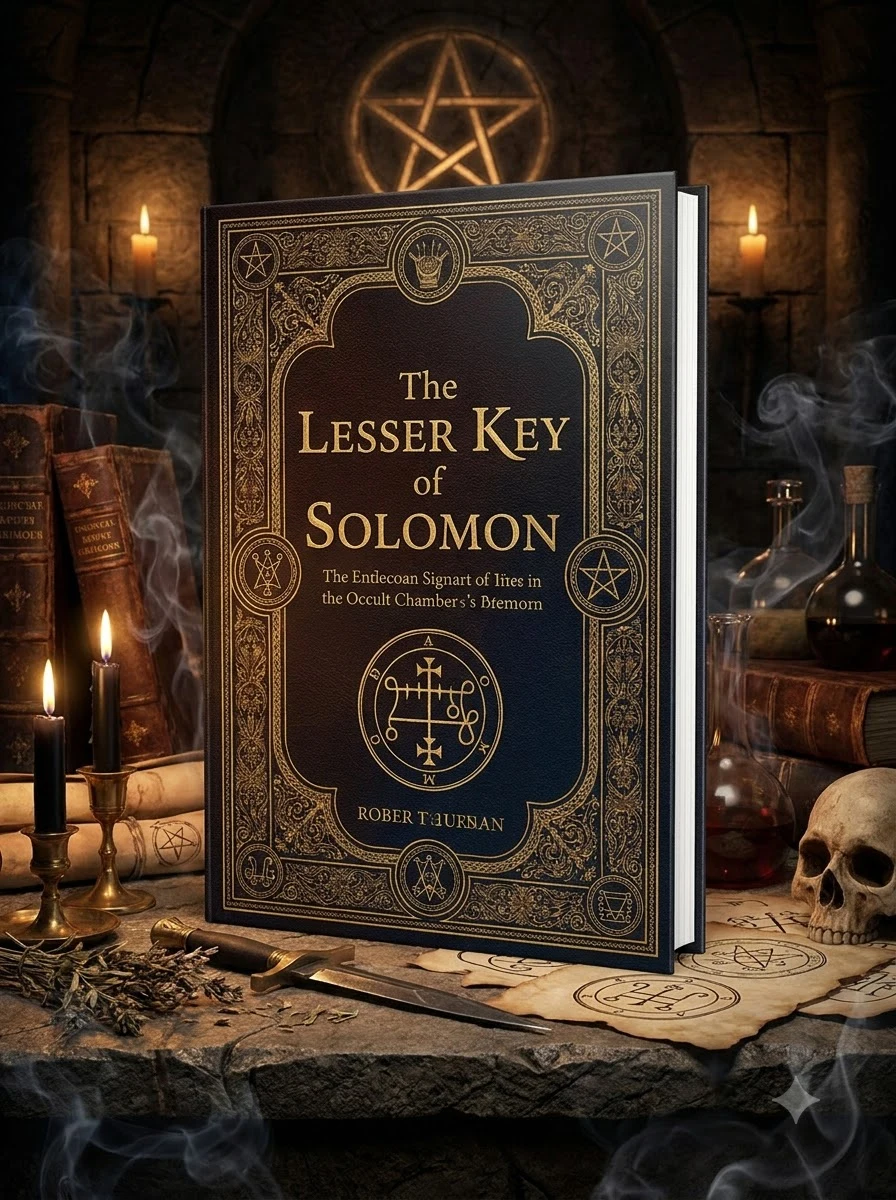

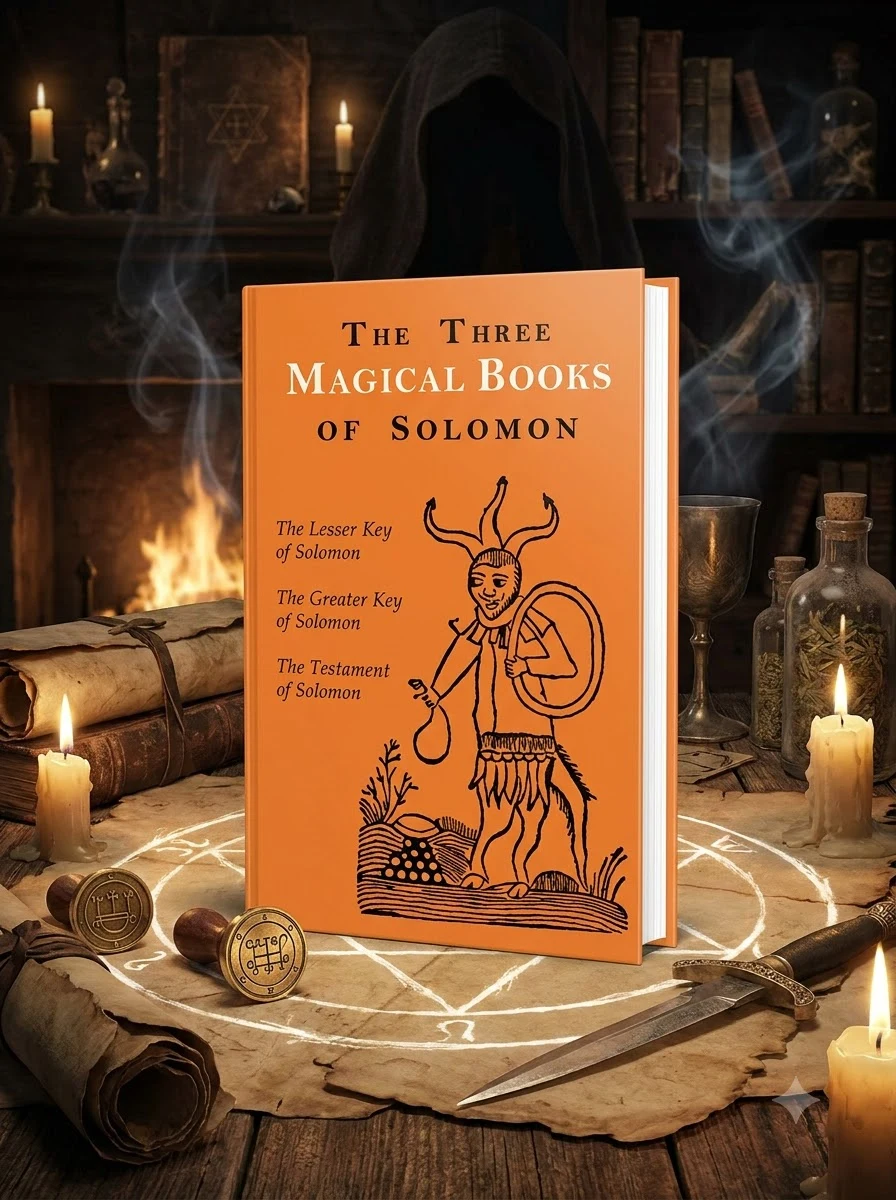
The Lesser Key Of Solomon
✍️ Crowley, AleisterThis venerable text, often known as the Lemegeton, stands as a pivotal work in the Western esoteric tradition. Compiled during the 17th century from older mystical sources, it details the intricate rituals, invocations, and seals used in demonology and ceremonial magic. It offers a direct pathway into the historical practices of spirit conjuration and command. Our edition presents this profound grimoire with insightful clarity, making it an essential acquisition for serious students of the occult and those intrigued by the historical currents of magical practice.


📝 Description: The Lesser Key Of Solomon
💎 Expert review
📖 Why choose it
Why this book is worth reading
Serious students of the occult will find immense value in this essential acquisition, as it offers a direct pathway into the historical currents of magical practice. The book invites readers to command ancient spirits and unlock forgotten power through its intricate rituals and seals. It is designed for those intrigued by the deeper mysteries of demonology and ceremonial magic. By presenting this profound grimoire with insightful clarity, the edition makes complex invocations accessible. It serves as a vital resource for understanding the foundational techniques of spirit conjuration. Those seeking to explore the historical framework of Western esotericism will appreciate its detailed guidance. It is not merely a book but a tool for those committed to serious magical study.
⭐ Reader reviews
Reader rating
This edition presents the Lemegeton with clarity, making it an essential acquisition for serious students of the occult. However, casual readers seeking light entertainment will find little here; the text demands respect and focus. It is strictly for those intrigued by historical currents of magical practice and demonology. The intricate rituals require careful attention, unsuited for the impatient or superficial. Those looking for modern self-help or easy reading should look elsewhere. This work is a dense exploration of spirit conjuration, offering a direct pathway into foundational ceremonial magic. It suits only those prepared to engage with its profound and complex nature without expecting immediate gratification.
❓ Frequently asked questions
📖 Who should read this
If you're drawn to the historical underpinnings of Western magic, keen to study traditional spirit conjuration, or simply fascinated by the arcane lore of demonology, this volume is for you. It's an essential reference for serious students and a captivating read for the curious.
🎯 Key themes and symbolism
The Art of Conjuration
This grimoire provides detailed instructions for the precise rituals and invocations required to interact with spiritual entities. It meticulously outlines the preparation, symbols, and spoken words believed necessary to summon and direct various spirits, offering a practical guide to historical ceremonial practice.
Understanding Demonic Orders
At its core, the text catalogs a vast array of spirits, often referred to as demons, detailing their names, seals, and attributes. It presents a structured hierarchy of these entities, providing practitioners with knowledge of their individual powers and how to effectively engage with them within a magical context.
A Legacy of Mysticism
As a foundational text, the Lemegeton offers a direct window into centuries of Western esoteric thought. It demonstrates how ancient magical traditions evolved and were codified, revealing the historical intellectual landscape where beliefs about spirit interaction and cosmic influence flourished.
📜 Historical context
📚 Glossary
- Grimoire
- Demonology
- Invocation
📔 Questions to reflect on
- How does the historical context of spirit conjuration in the Lemegeton compare to modern interpretations or practices of magic?
- Reflect on the ethical implications of 'commanding' spirits as described in this grimoire. What does this imply about the practitioner's role?
- Consider the psychological or symbolic interpretations that could be applied to the cataloged demons and their attributes. What inner landscapes might they represent?
✍️ More books by this author Crowley, Aleister
All books by this author →


You might also like
See more →
A teacher featured in this book: Aleister Crowley
