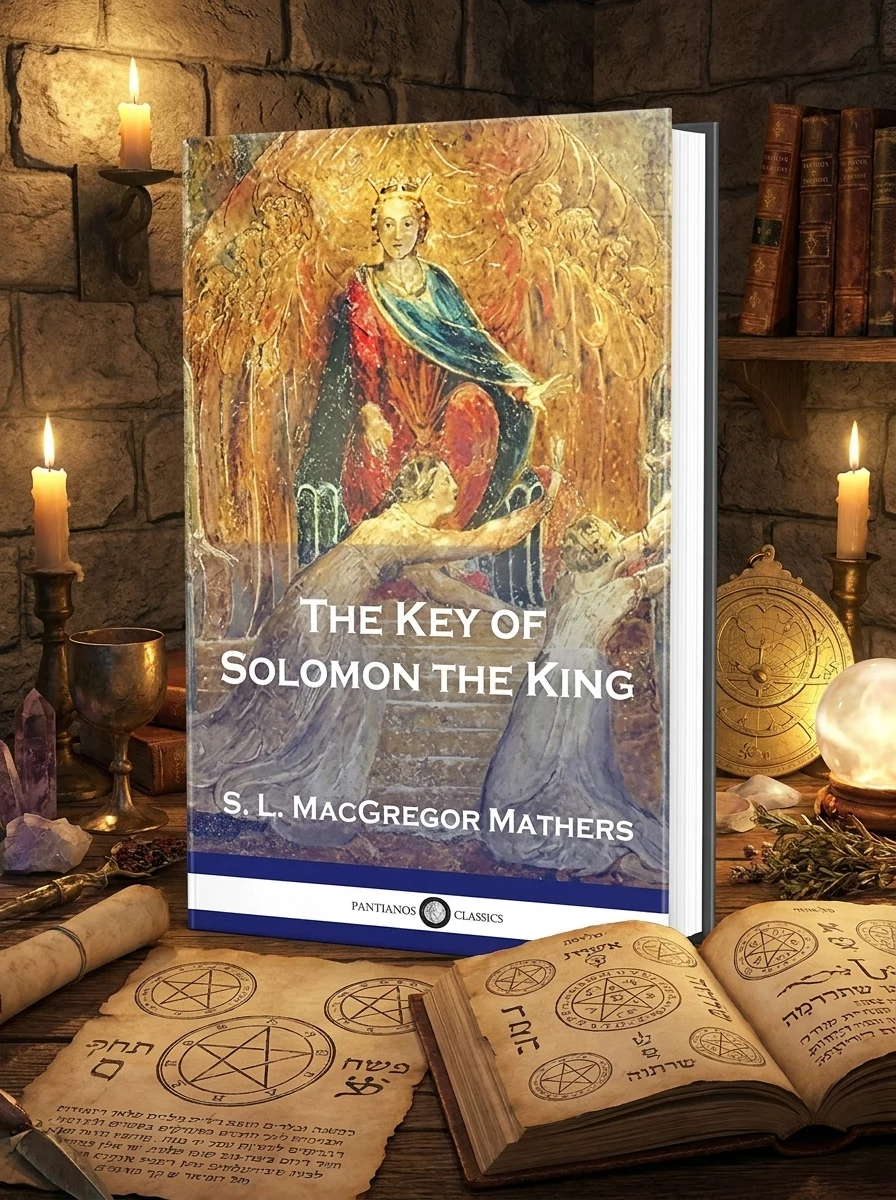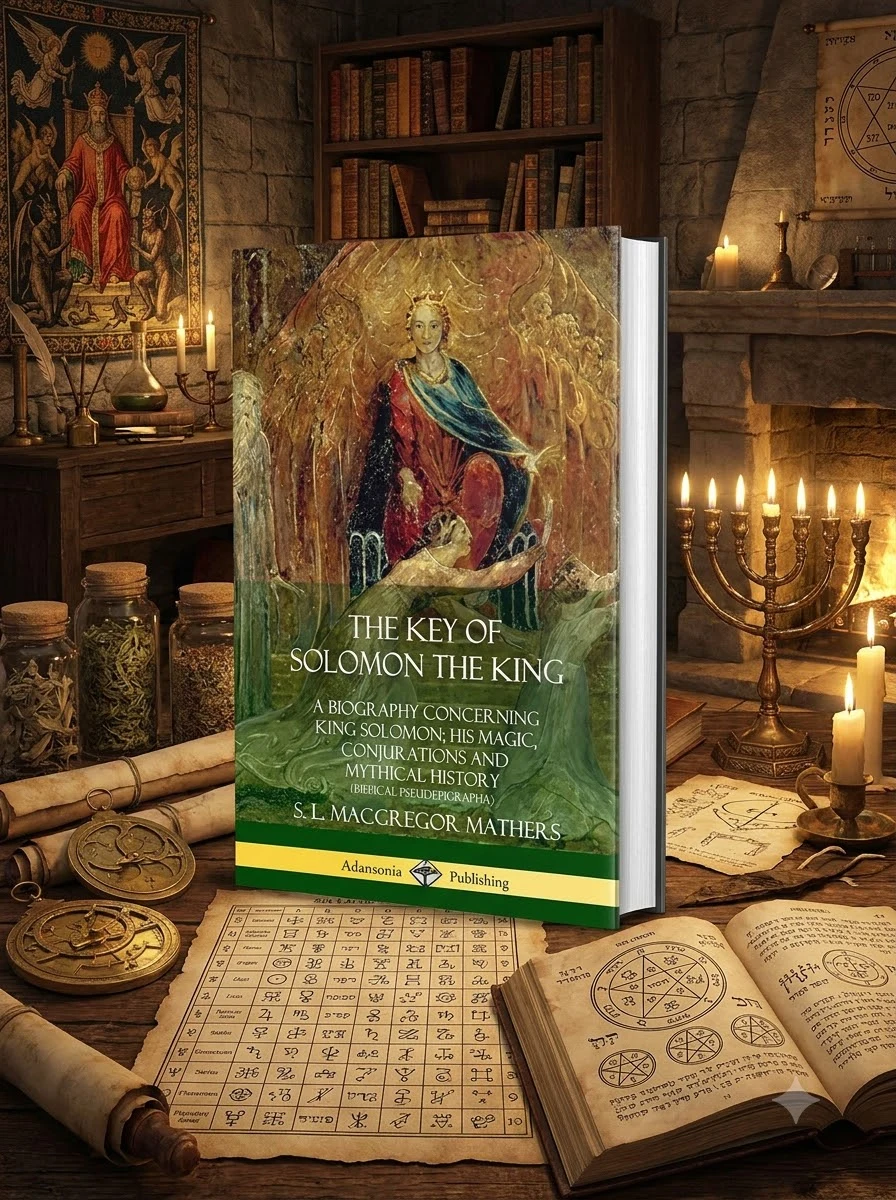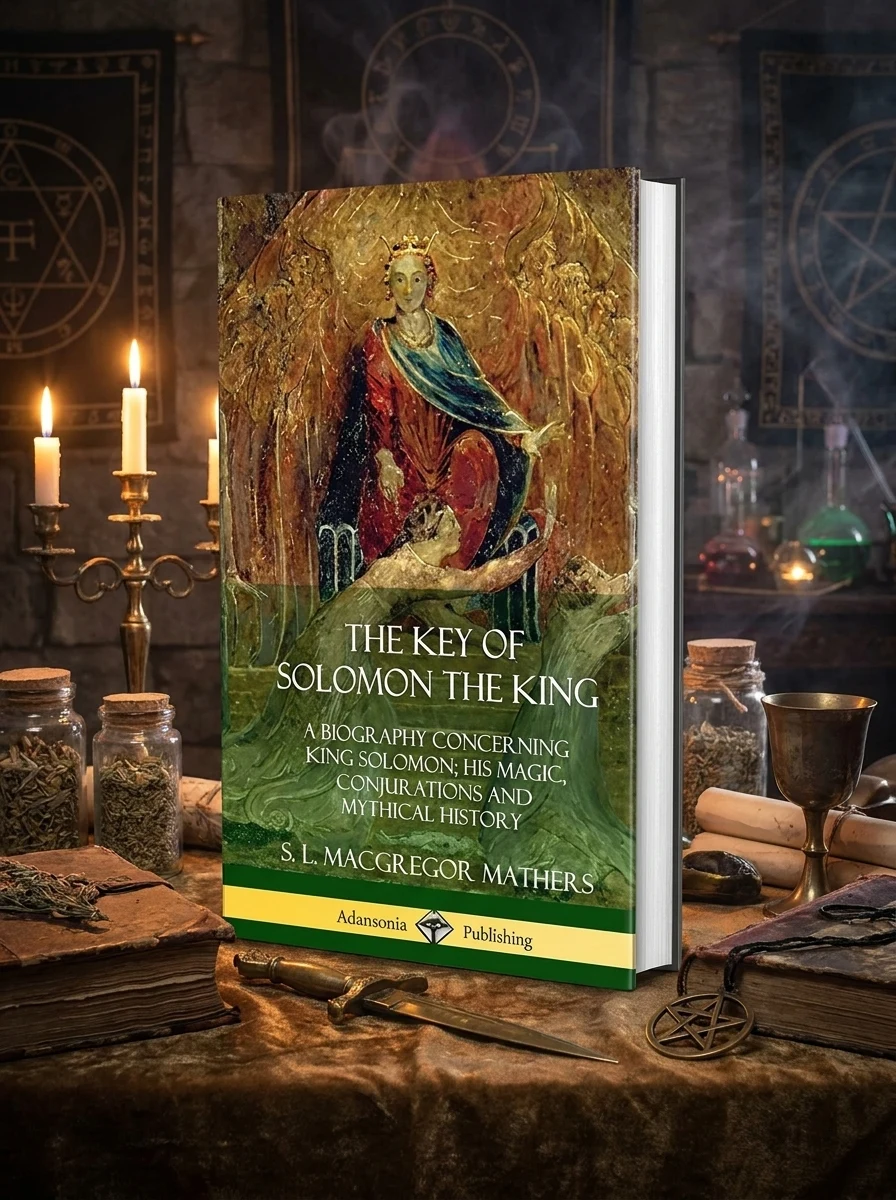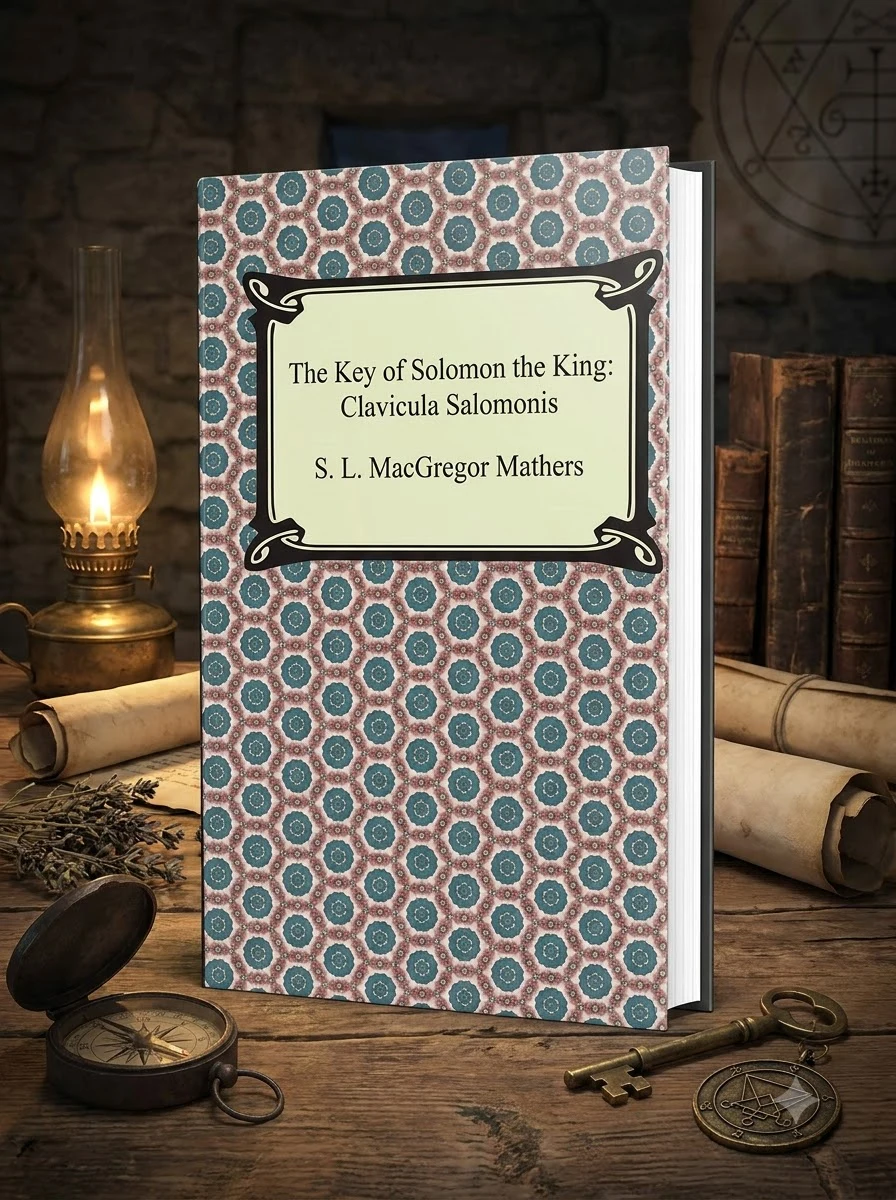
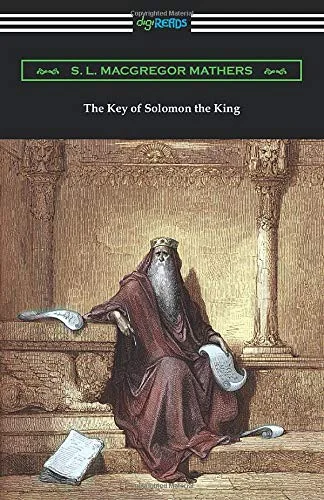
The Key of Solomon the King
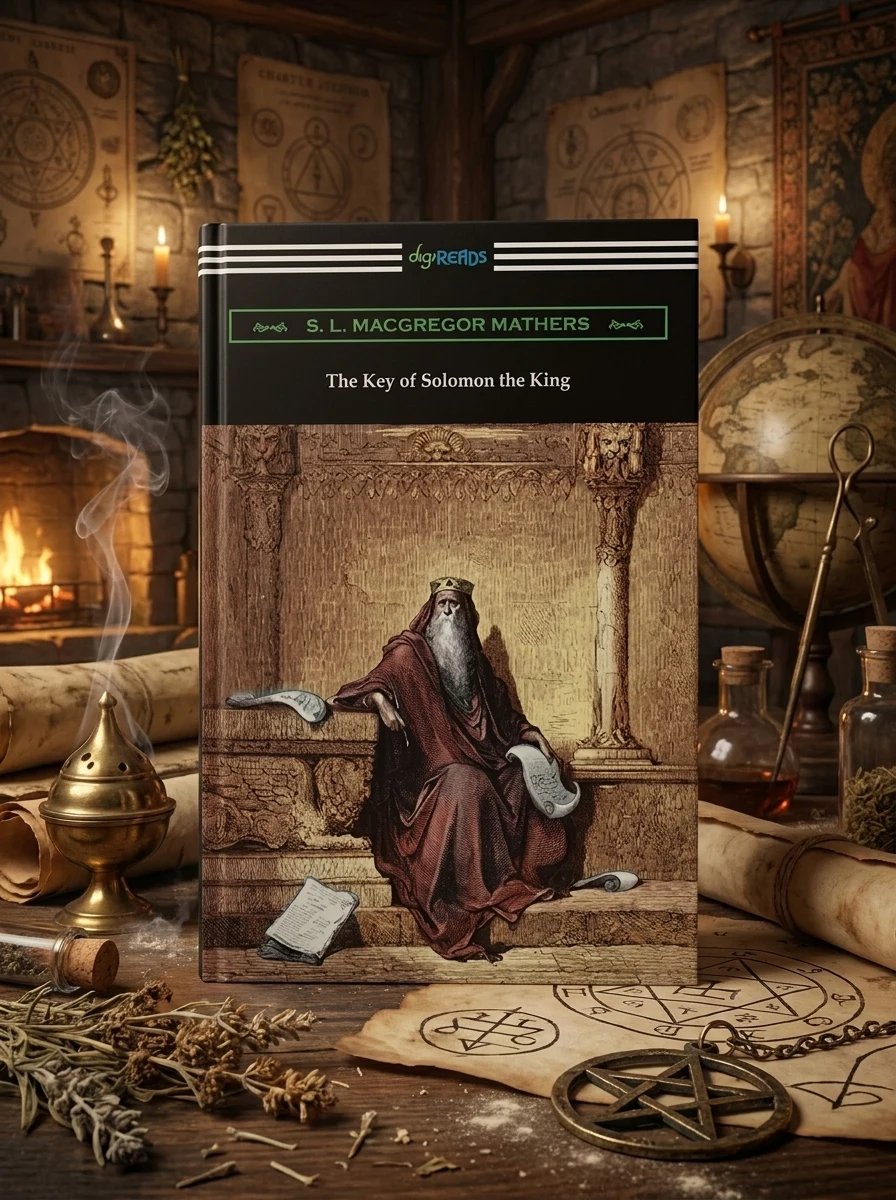
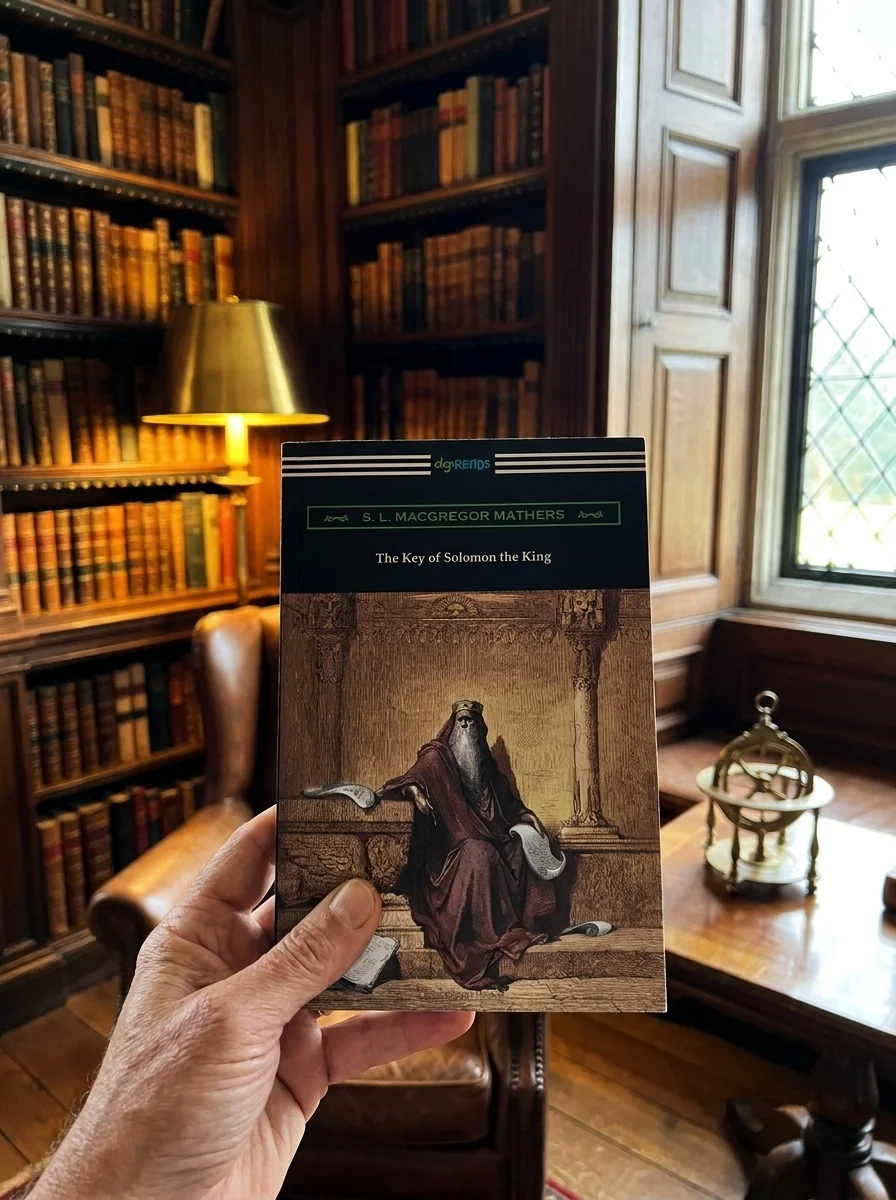
✍️ Mathers, S L MacGregorThis edition presents ritual magic methods derived from Renaissance Hermeticism and earlier esoteric traditions. The text splits into operational procedures and physical preparations. The opening section details curses, spirit conjurations, and practical spells for visibility, affection, and lost property. The following section outlines ritual readiness, mandating specific purifications, appropriate clothing, and designated magical tools for the operator. Translated by occultist S. L. MacGregor Mathers from British Library Latin manuscripts, it provides direct access to primary ceremonial sources.


📝 Description: The Key of Solomon the King
💎 Expert review
📖 Why choose it
Why this book is worth reading
Readers seeking a deep dive into the mechanics of historical Western magic will find this volume indispensable. It offers an unfiltered look at the rigorous personal and material purifications required for serious practitioners, moving beyond mere theory into actionable ritual instruction. Those fascinated by the intersection of medieval legend and Renaissance occultism will appreciate Mathers' authoritative translation, which brings the intricate system of invocations and curses to life. It is ideal for those who wish to understand the specific attire and consecrated implements necessary for commanding spiritual entities or achieving worldly desires within this ancient framework.
⭐ Reader reviews
Reader rating
This grimoire provides a meticulous outline of ritual magic, detailing powerful invocations and essential purifications through S. L. MacGregor Mathers' translation. While historically significant for its role in the occult revival, it is not suited for casual readers or those seeking straightforward spiritual guidance without rigorous discipline. The text demands attention to complex ceremonial details and does not offer modern psychological interpretations. It may disappoint those expecting simple spellcasting instructions rather than a demanding system of attire, implements, and spiritual compulsion. However, for serious students of esoteric history, it remains an essential primary source that captures the intensity of Renaissance magical practice.
❓ Frequently asked questions
📖 Who should read this
For the serious student of Western ceremonial magic, the dedicated occult historian, or anyone fascinated by the intricate systems of Renaissance esotericism, this foundational text is indispensable. Approach it with respect for its historical weight and a readiness to engage with its complex, demanding instructions.
🎯 Key themes and symbolism
Ritual Mastery & Conjuration
The text serves as a comprehensive guide to commanding spirits, detailing the precise words and actions required to invoke and bind entities to the conjuror's will. It explores a wide array of practical magical applications, from seeking hidden treasures to influencing human hearts, emphasizing the practitioner's authority over the unseen.
Renaissance Esoterica & Influence
While bearing Solomon's name, this work is a quintessential product of the Renaissance, reflecting the era's resurgence of Hermeticism and occult studies. It draws heavily from the intellectual currents of Jewish Kabbalah and Arab alchemy, demonstrating a synthesis of diverse mystical traditions that shaped early modern European magic.
Sacred Preparation & Purity
Beyond mere spellcasting, the grimoire places significant emphasis on the physical and spiritual readiness of the practitioner. It outlines stringent purification rituals, specific vestments, and the consecration of magical tools, underscoring the belief that personal sanctity is paramount for successful and safe magical operation.
📜 Historical context
📚 Glossary
- Grimoire
- Kabbalist
- Conjuration
📔 Questions to reflect on
- Considering the power described within these pages, what ethical responsibilities would accompany the pursuit and application of such formidable knowledge?
- How might the grimoire's emphasis on extensive purification and preparation reflect an internal spiritual discipline, rather than merely external ritualistic requirements?
- If this text truly emerged during the Renaissance, what does its enduring appeal suggest about humanity's continuous quest for understanding and influencing the unseen forces of the universe?