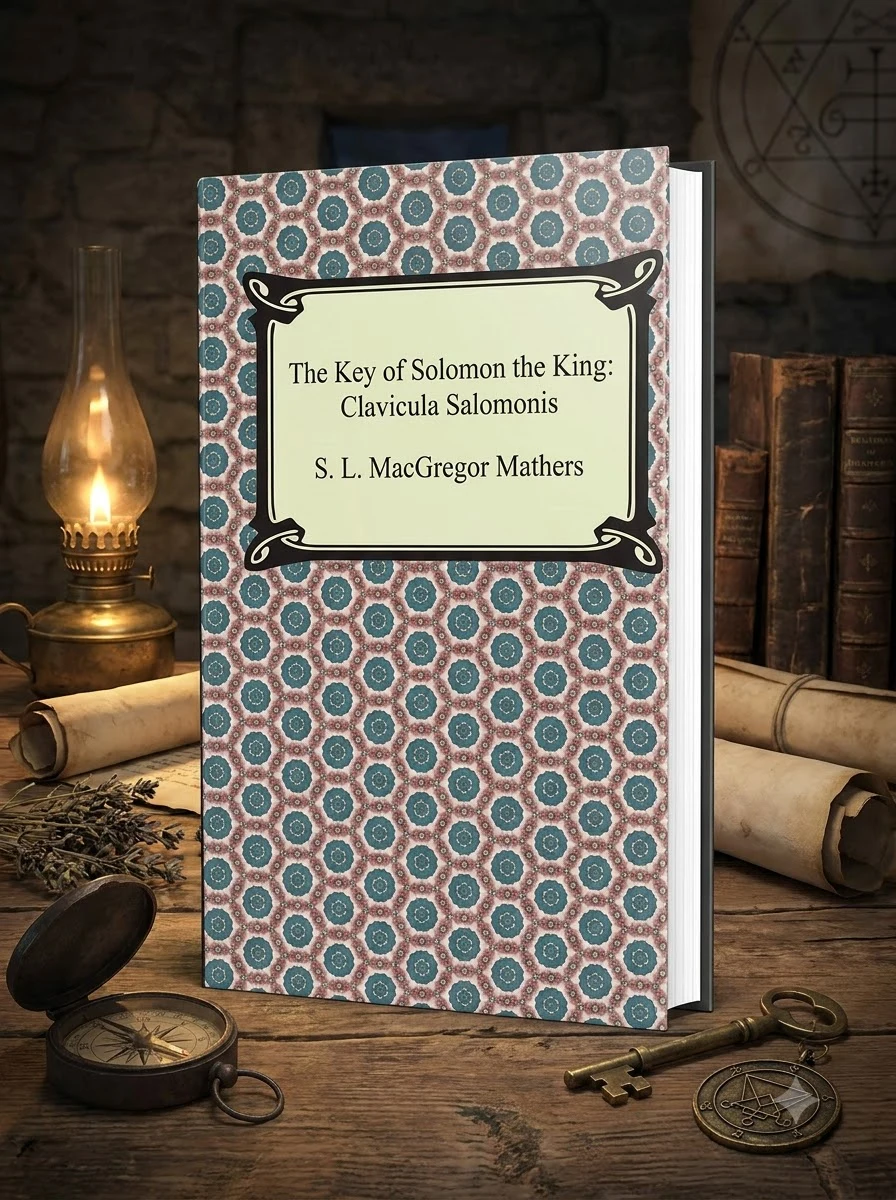
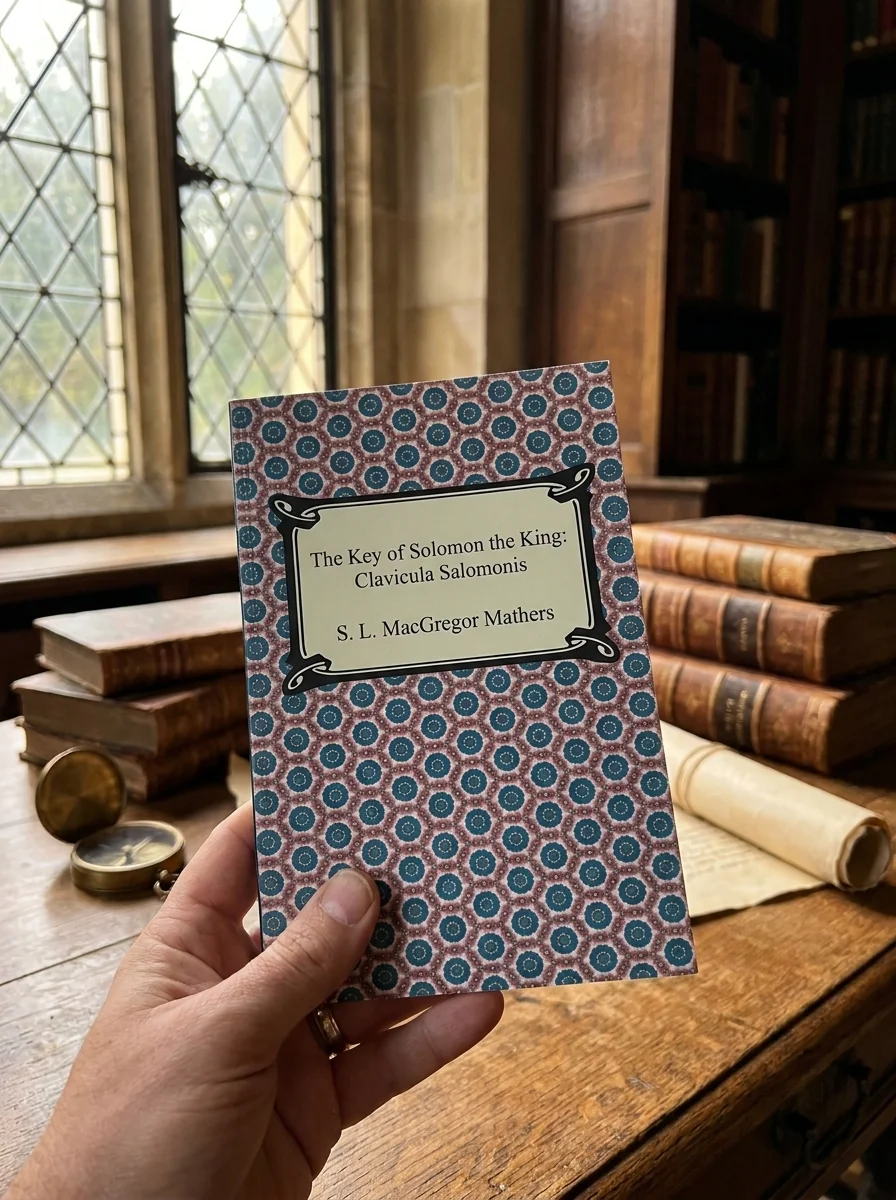
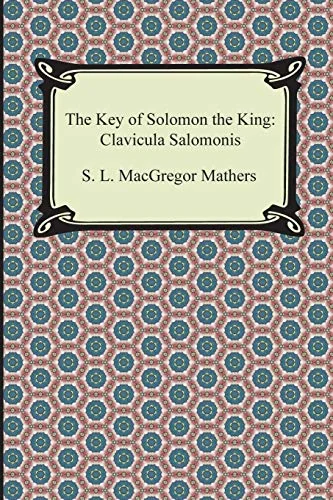
The Key of Solomon the King: Clavicula Salomonis
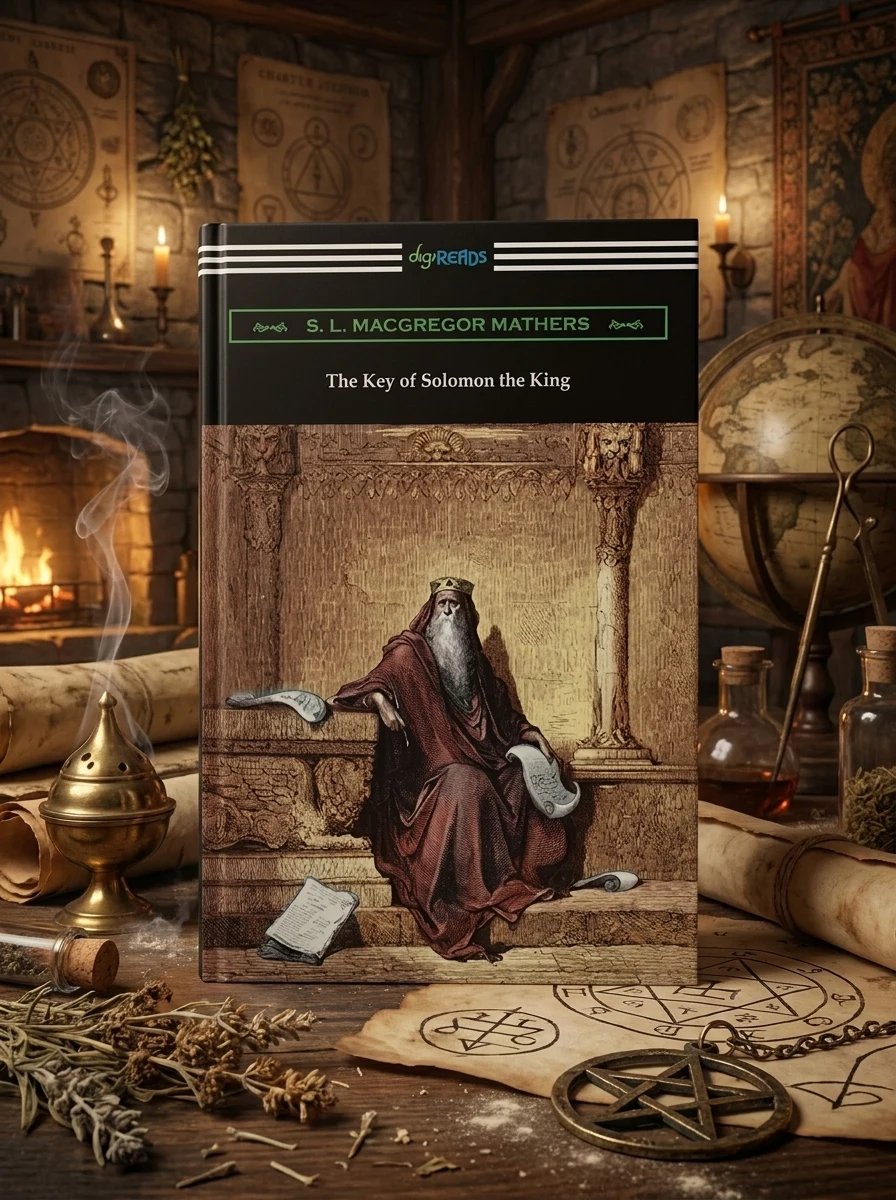
✍️ Mathers, S L MacGregor; , Laurence, L W DeA classic grimoire of ceremonial magic incorrectly attributed to King Solomon.
This 118 page paperback release from Digireads.com presents S. L. MacGregor Mathers and L. W. De Laurence's edition of a famous magical text. While popular legend ties the work to 9th century B.C. Israel, the content reflects late medieval European occult practices from the 14th or 15th century. It sits within the subjects of magick studies, supernatural ancient mysteries, and paganism.
The work reflects 14th or 15th century European magical traditions, though popular myth incorrectly ties its origins to King Solomon in 9th century B.C. Israel.


📝 Description: The Key of Solomon the King: Clavicula Salomonis
💎 Expert review
📖 Why choose it
Why this book is worth reading
Enthusiasts of historical occultism and ceremonial magic will find this volume indispensable for its detailed compendium of magical operations, rituals, and sigils. It offers a fascinating window into the historical practice of summoning spirits and crafting talismans within a structured framework. Readers seeking to understand the roots of powerful traditions appreciate its focus on protection and power. By exploring these misunderstood practices, one gains insight into the vibrant esoteric currents that shaped early modern magic. This book is essential for those wishing to delve deep into the archetypal grimoire tradition without relying on later interpretations.
⭐ Reader reviews
Reader rating
This seminal work provides a necessary look at the archetypal grimoire, detailing magical operations and sigils from its specific historical period. It successfully outlines methods for summoning spirits and performing enchantments within a ritualistic framework. However, it is not suited for casual readers seeking quick spells or modern self-help magic. The dense, structured nature of these 14th or 15th-century traditions may alienate those unfamiliar with ceremonial rigor. Those expecting purely biblical narratives will be disappointed by its later European origins. It remains a valuable resource only for dedicated students of esoteric history who appreciate the complexity and depth of ancient magical systems.
❓ Frequently asked questions
📖 Who should read this
For the serious student of Western esotericism, aspiring ceremonial magician, or historian of occult traditions, this volume offers unparalleled insight. Discover the foundational principles that shaped much of modern magical practice and delve into the fascinating, complex world of historical grimoires.
🎯 Key themes and symbolism
Grimoire Tradition
This text stands as a foundational pillar within the grimoire tradition, codifying intricate systems of magical practice. It details the preparation, tools, and incantations necessary for ceremonial workings, influencing countless subsequent magical manuscripts and practitioners throughout history, defining the genre for future generations.
Ceremonial Magic
At its core, the book meticulously outlines the principles and precise rituals of ceremonial magic. It guides the practitioner through the invocation of various entities, the creation of sacred instruments, and the timing of operations, emphasizing discipline and detailed adherence to its prescriptions for successful magical outcomes.
Historical Attribution
Despite its title, the work is not genuinely authored by King Solomon. Instead, it reflects the intellectual and spiritual climate of the late Middle Ages, a period ripe with interest in occult philosophy, demonstrating how revered ancient figures were often invoked to lend authority and mystique to esoteric teachings.
📜 Historical context
📚 Glossary
- Grimoire
- Clavicula Salomonis
- Ceremonial Magic
📔 Questions to reflect on
- How do ancient attributions, like Solomon's, influence our perception and interpretation of esoteric texts today?
- Consider the role of ritual and preparation in magical practice; how might these elements transform a mundane act into a sacred one, or enhance focus?
- If you were to compile your own "key" to understanding a hidden system, what principles would you prioritize and why?