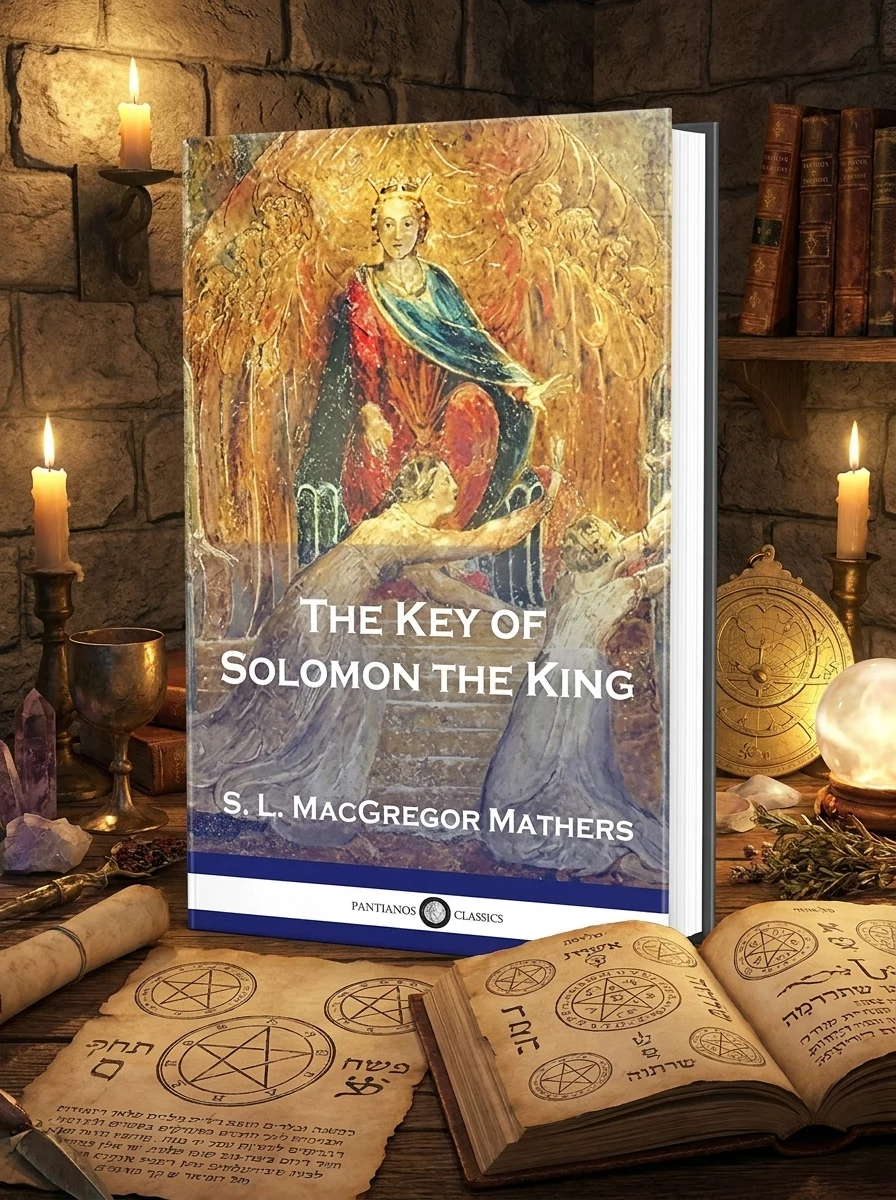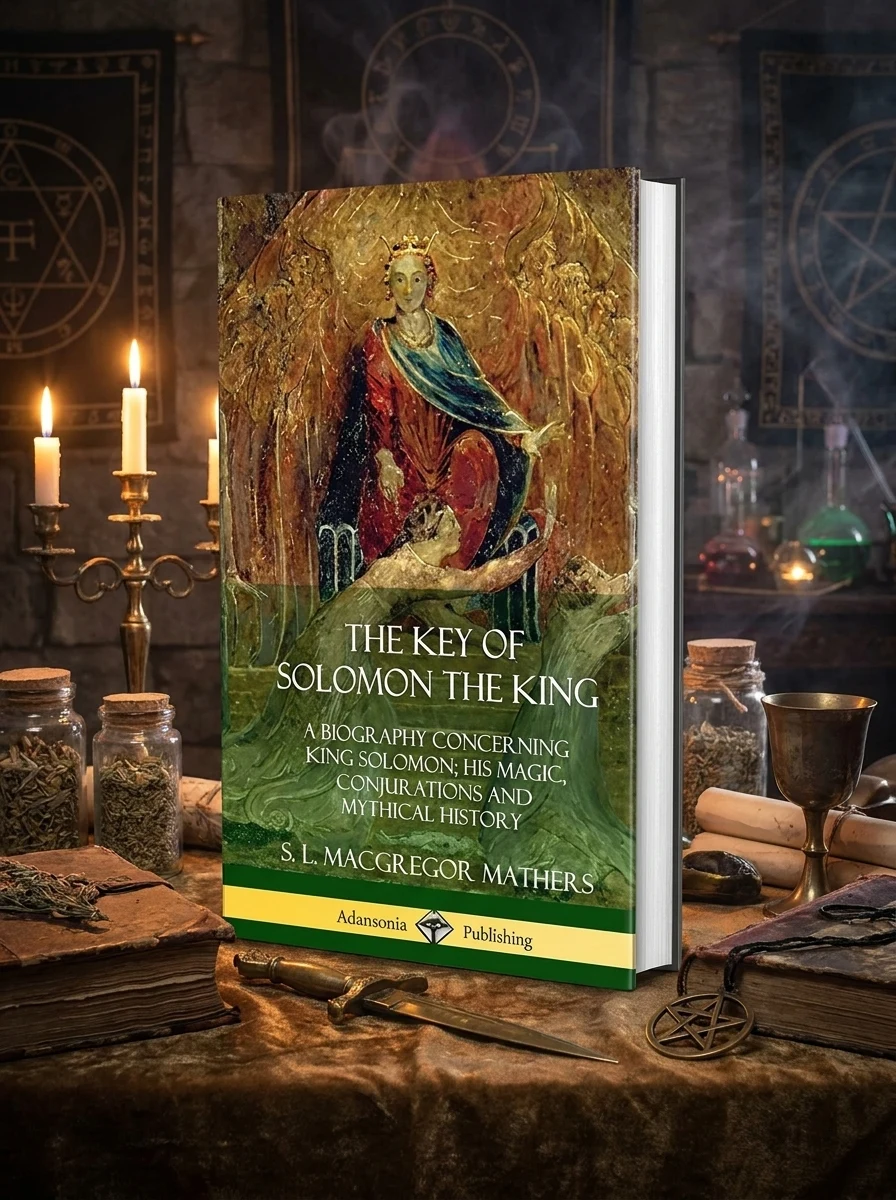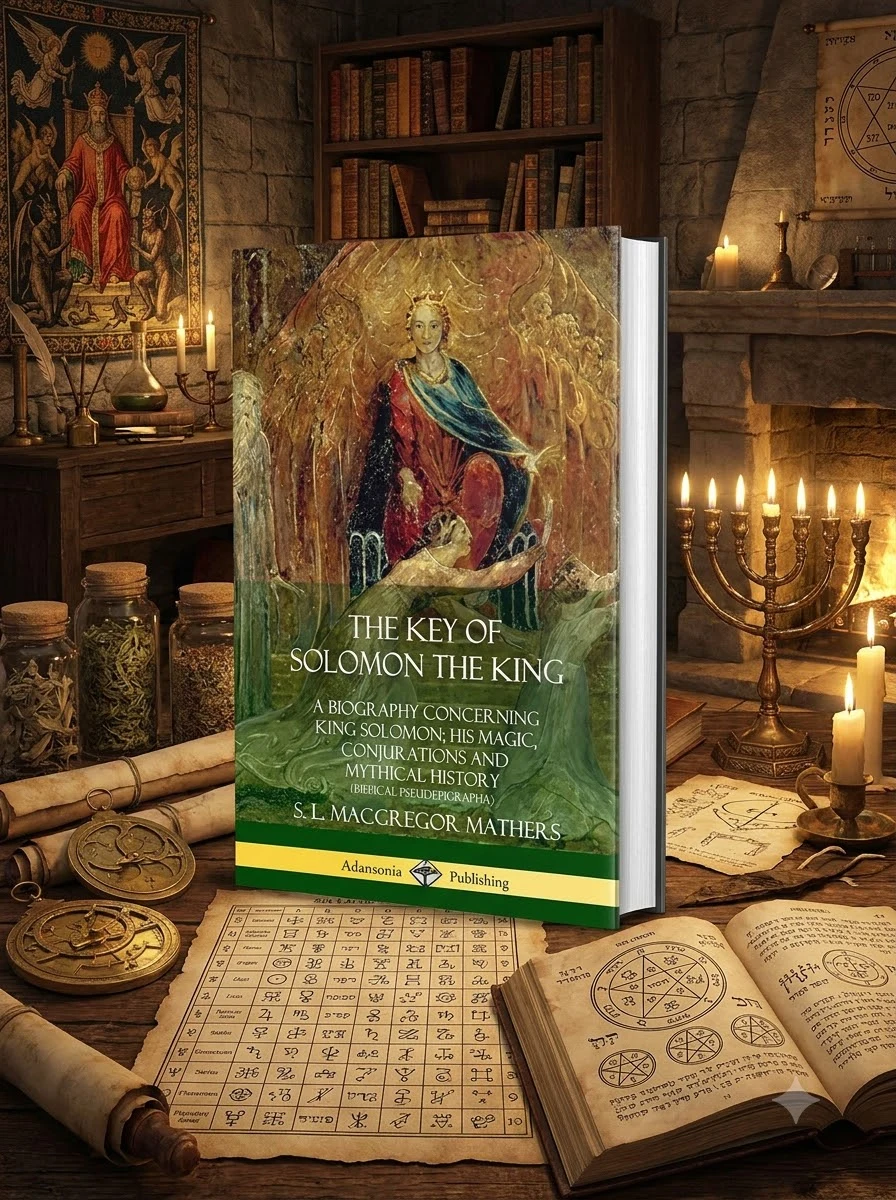
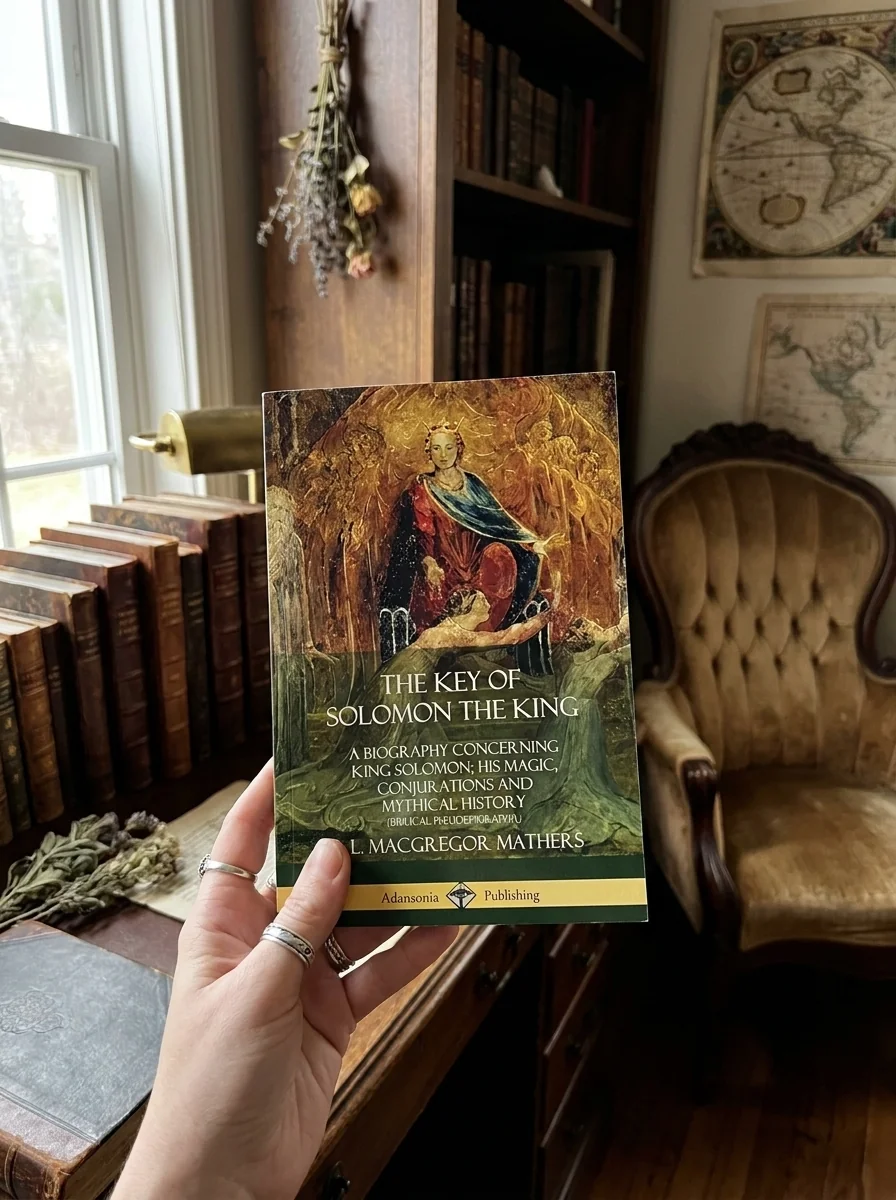
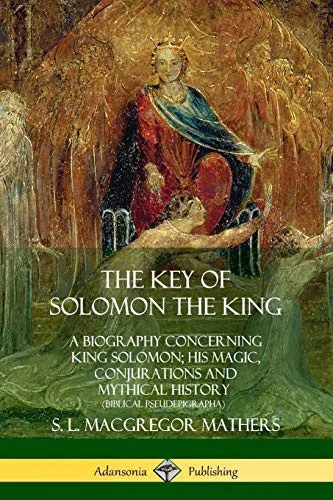
The Key of Solomon the King: A Biography Concerning King Solomon; His Magic, Conjurations and Mythical History (Biblical Pseudepigrapha)
✍️ Mathers, S L MacGregorThis paperback edition brings obscure Solomon manuscripts into modern English. Drawing on historical archives, S. L. MacGregor Mathers presents magical diagrams, intricate pentacles, and incantations attributed to King Solomon. The text explores ideas of the biblical king acting as a Magi who authored influential occult symbols. Concluding with a comparative guide to mystical alphabets, the work acts as a primary source document for readers of historical magick studies, occultism, and ancient mysteries.


📝 Description: The Key of Solomon the King: A Biography Concerning King Solomon; His Magic, Conjurations and Mythical History (Biblical Pseudepigrapha)
💎 Expert review
📖 Why choose it
Why this book is worth reading
This volume is essential for those fascinated by the mythical origins of ceremonial magic and the legendary figure of King Solomon. Readers who appreciate intricate rituals, potent incantations, and complex symbols like pentacles will find immense value in this resurrection of forgotten lore. Mathers’ meticulous translation from an ancient French manuscript makes elaborate diagrams and mystical alphabets accessible to a modern audience. It serves as a vital resource for students of the occult seeking to understand the foundational texts that have whispered their secrets across millennia, offering a direct connection to the supposed teachings of the biblical monarch himself.
⭐ Reader reviews
Reader rating
Mathers presents a seminal grimoire that reimagines Solomon as a supreme magician, unveiling intricate rituals and mystical alphabets derived from an ancient French manuscript. While historically significant for its role in resurrecting forgotten lore, this text demands patience and scholarly interest rather than casual reading. It is not suited for those seeking straightforward narrative or simple magical advice; the complex diagrams and dense translation may overwhelm readers unfamiliar with ceremonial magic traditions. However, for enthusiasts of Biblical pseudepigrapha and historical occultism, it remains an indispensable, albeit demanding, artifact of esoteric history.
❓ Frequently asked questions
📖 Who should read this
For serious students of ceremonial magic, historians of Western esotericism, and anyone intrigued by the legendary magical practices attributed to King Solomon, this foundational grimoire is an essential acquisition. Prepare to delve deep into the mechanics of ancient spirit conjuration.
🎯 Key themes and symbolism
Solomonic Magical Lore
This text presents King Solomon not merely as a wise ruler, but as a formidable magician who codified a system of conjurations, spells, and symbols. It details the precise methods by which he supposedly commanded spirits and wielded supernatural influence, establishing him as the ultimate authority in ancient esoteric arts.
The Grimoire Tradition
As a classic grimoire, this work exemplifies the genre's structure: a collection of magical instructions, prayers, and diagrams for practical use. It outlines the preparation for rituals, the invocation of entities, and the creation of magical tools, offering a blueprint for ceremonial magic that has influenced generations of practitioners.
Symbolic Power & Design
Central to the book are its intricate diagrams, pentacles, and mystical alphabets. These are not mere illustrations but vital components of the magical operations described, believed to hold inherent power and facilitate communication with spiritual realms. The work emphasizes the precise reproduction and understanding of these symbols for efficacy.
📜 Historical context
📚 Glossary
- Pseudepigrapha
- Grimoire
- Pentacle
📔 Questions to reflect on
- How might the attribution of magical texts to historical figures like Solomon impact their perceived authority and efficacy for practitioners?
- Consider the role of intricate diagrams and symbols in magical practice. How do they function beyond mere illustration, contributing to the ritual's power?
- Reflect on the ethical implications of seeking to command or conjure spirits as described in ancient grimoires. What responsibilities might such power entail?