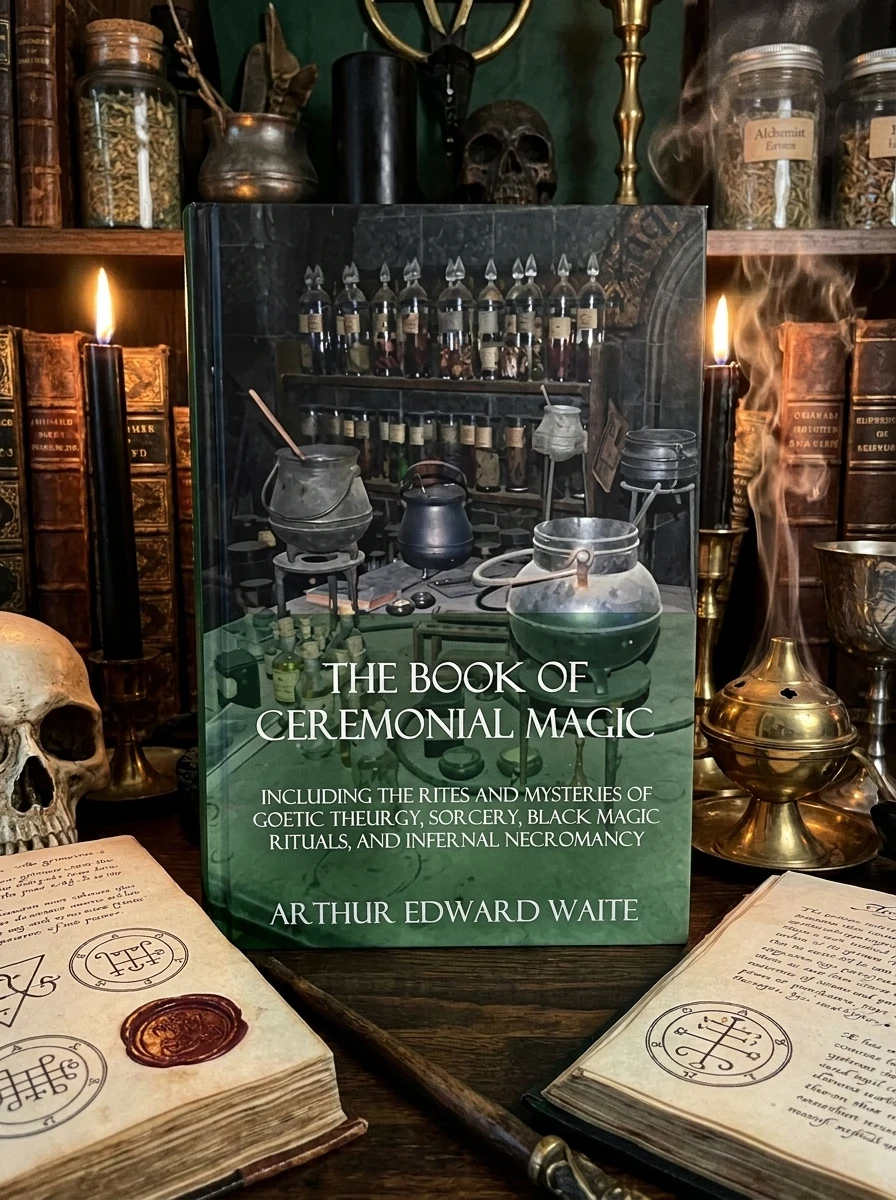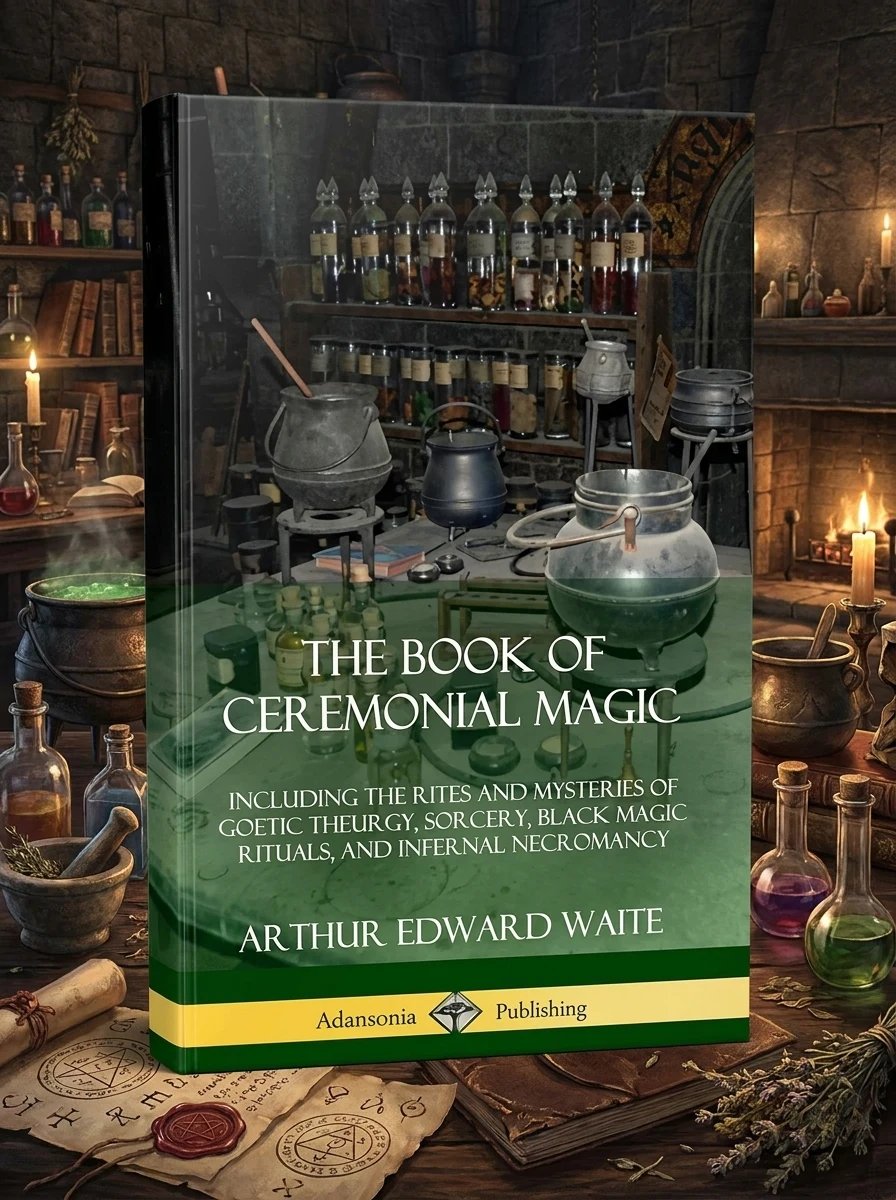
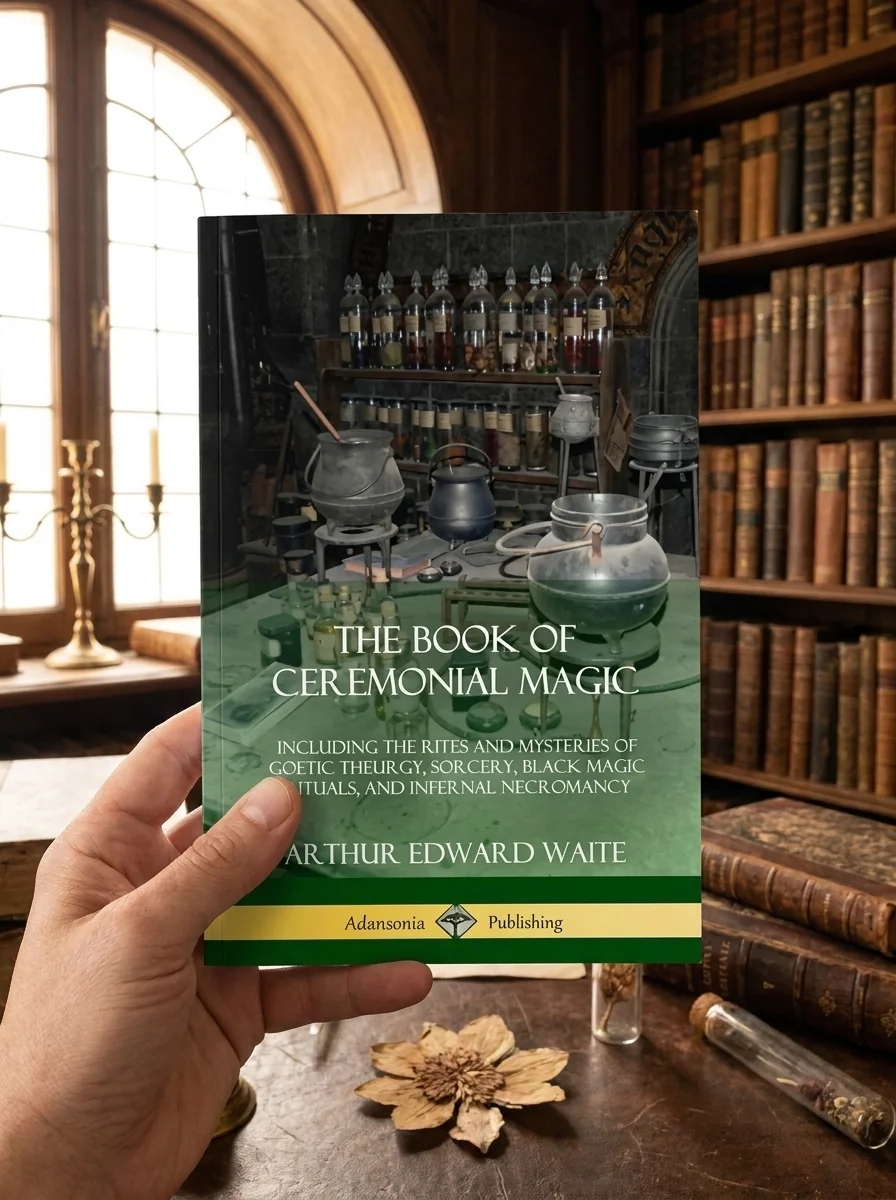
The Book of Ceremonial Magic: Including the Rites and Mysteries of Goetic Theurgy, Sorcery, Black Magic Rituals, and Infernal Necromancy
✍️ Waite, Arthur EdwardArthur Edward Waite brings together the lore, rites, and practical history of occult ceremony in this paperback release from Lulu.com. The work addresses topics such as goetic theurgy, sorcery, demonology, satanism, and infernal necromancy. Within its two main parts, the volume incorporates the author's original drawings, seals, icons, and symbols alongside historical occultist traditions. Waite acts as an authority on magick studies, mysticism, tarot, and divination, organizing these distinct systems into a single comprehensive manual for readers.


📝 Description: The Book of Ceremonial Magic: Including the Rites and Mysteries of Goetic Theurgy, Sorcery, Black Magic Rituals, and Infernal Necromancy
💎 Expert review
📖 Why choose it
Why this book is worth reading
Scholars and serious practitioners seeking a foundational understanding of Western esotericism will find immense value in Waite’s monumental exploration. This book offers an unparalleled scholarly journey into the intricate rituals of Goetic theurgy, sorcery, and infernal necromancy. Readers gain access to detailed illustrations of symbols, seals, and magical implements, providing a tangible connection to historical ceremonies. It is essential for those who wish to comprehend the mechanics behind black magic rituals and the dark allure of necromantic arts through Waite’s comprehensive two-section analysis. By documenting these rites, the text preserves the cultural and mystical significance of ancient practices, making it an indispensable resource for anyone dedicated to studying the origins and evolution of ceremonial magic.
⭐ Reader reviews
Reader rating
Waite presents a rigorous, albeit dense, examination of Goetic theurgy and necromancy, offering detailed illustrations that enhance its scholarly merit. However, this work is not suited for casual readers or those seeking simple spellcasting instructions without historical context. The text demands patience and a strong interest in academic esotericism, as it prioritizes documentation over accessibility. Readers expecting modern interpretations or quick results will likely find the material dry and overly technical. It is strictly for those willing to engage with the foundational texts that shaped occult history, rather than novices looking for an entry-level guide to practical magic.
❓ Frequently asked questions
📖 Who should read this
If you possess a keen academic interest in the history of Western esotericism, the evolution of magical practices, and the foundational grimoires that shaped modern occultism, this comprehensive work is indispensable. It's perfect for scholars and serious students of magic history.
🎯 Key themes and symbolism
Ceremonial Magick's Roots
This book meticulously dissects the historical origins and evolution of ceremonial magic, examining the complex rites and invocations found in ancient grimoires. It distinguishes between various forms, from theurgic practices aimed at divine communion to goetic methods of spirit command, providing a comprehensive historical overview rather than a modern guide.
Grimoire Lore Decoded
Waite meticulously catalogs and interprets the symbols, seals, and operational instructions from numerous historical magical texts. Readers gain insight into the structure and intent behind these often-obscure documents, understanding their context rather than just their surface appearance. His work clarifies the often-cryptic language of these arcane sources.
Exploring Darker Arts
The text fearlessly confronts the more controversial aspects of occultism, including black magic rituals and infernal necromancy. It provides a scholarly examination of these practices, exploring their historical claims and perceived efficacy without endorsing their application, offering critical perspective on the historical perception of these forbidden arts.
📜 Historical context
📚 Glossary
- Goetic Theurgy
- Necromancy
- Sorcery
📔 Questions to reflect on
- How does understanding the historical context of magical practices alter your perception of their power or efficacy in the present day?
- Waite meticulously categorizes different forms of magic. Where do you draw the line between "white" and "black" magic, and is such a distinction truly meaningful?
- Consider the role of symbols and seals in ceremonial magic. How do you believe these visual elements contribute to the practitioner's focus or the ritual's intended outcome?