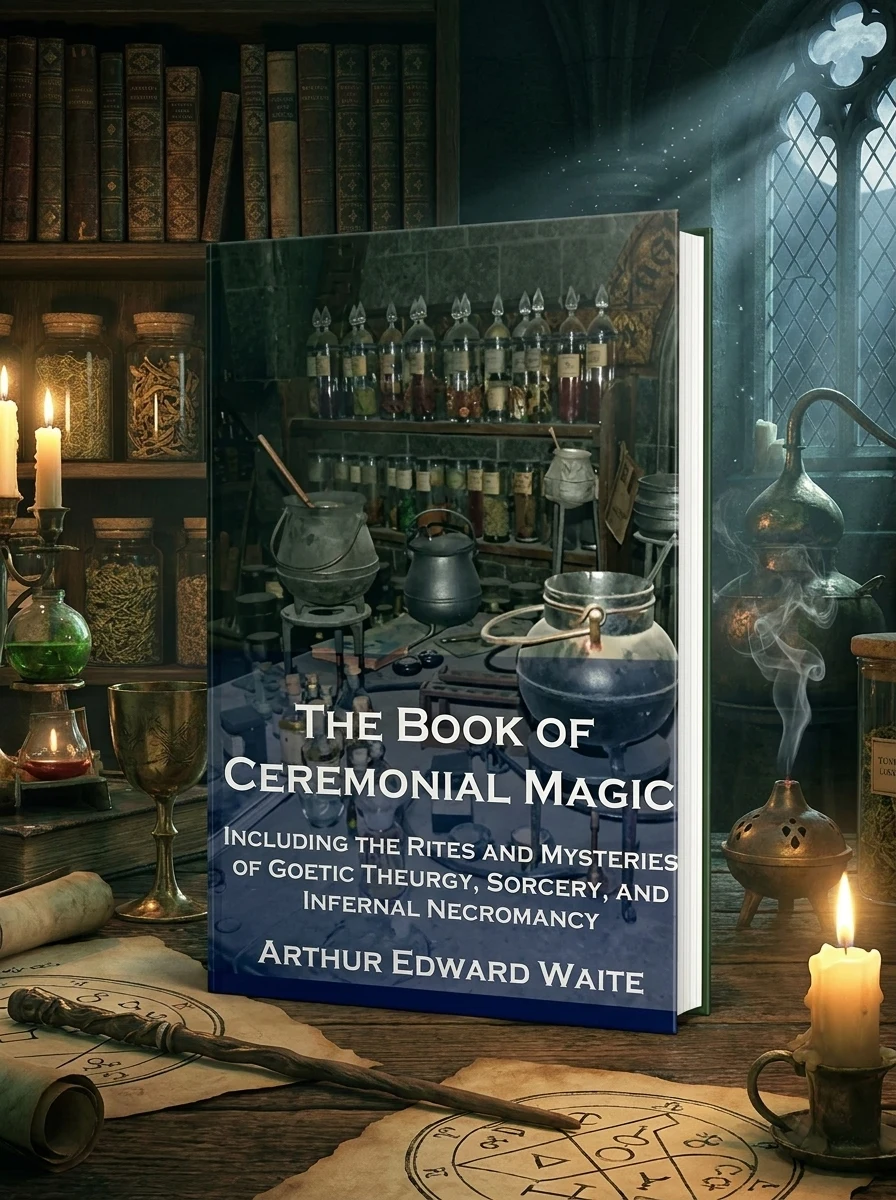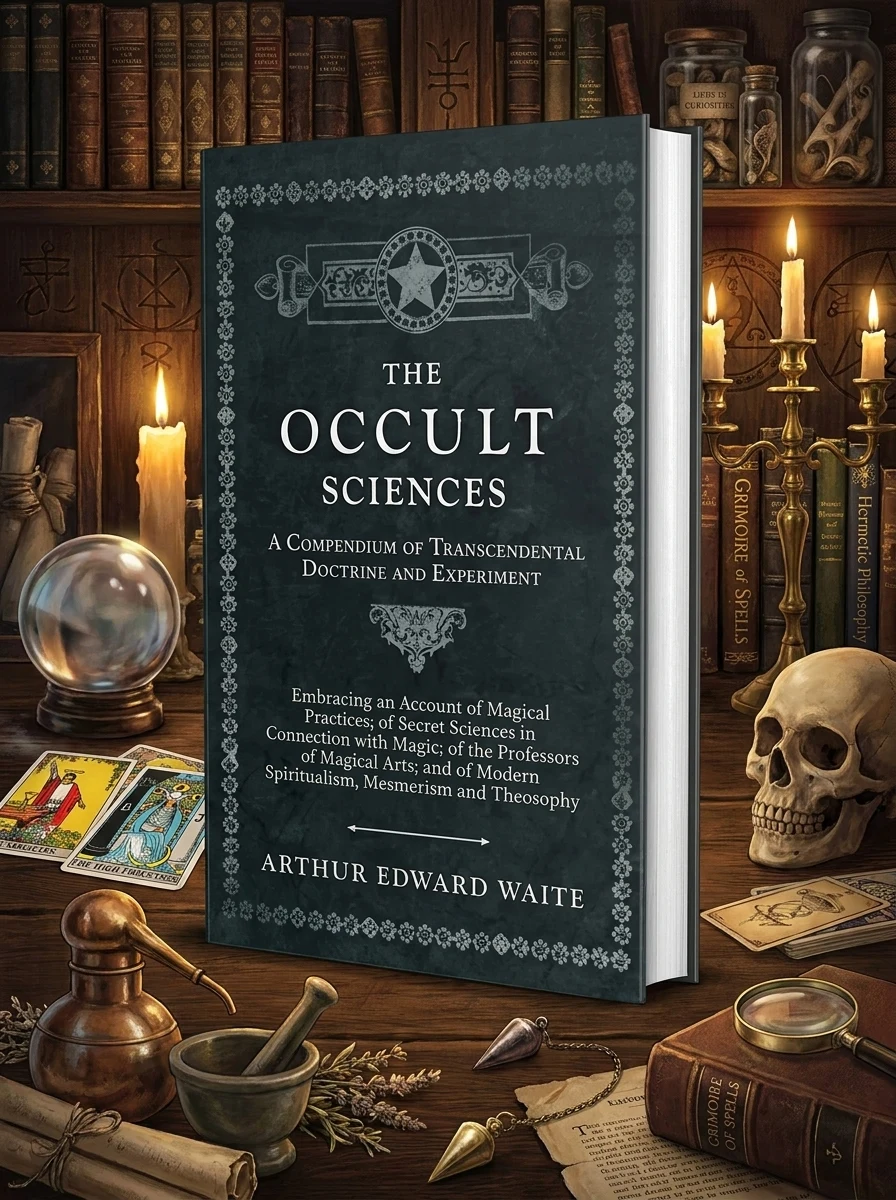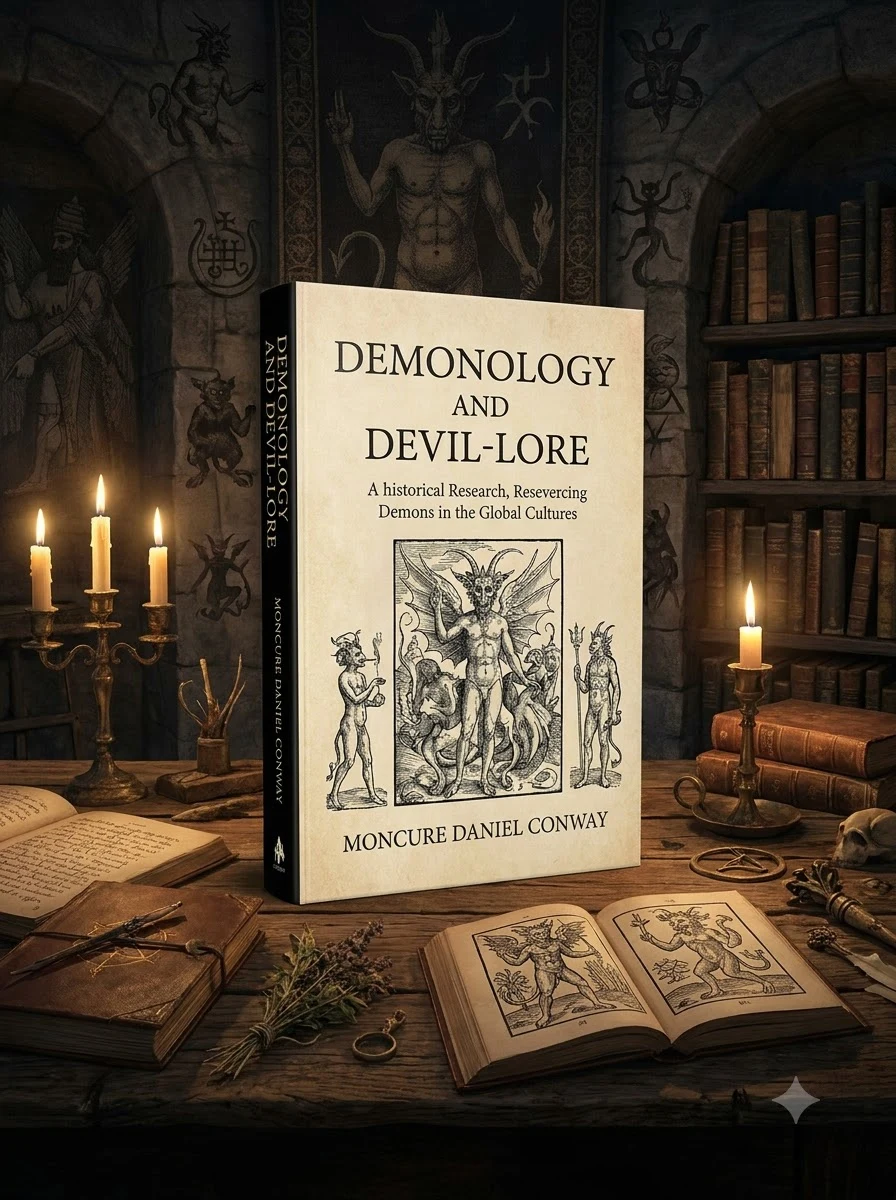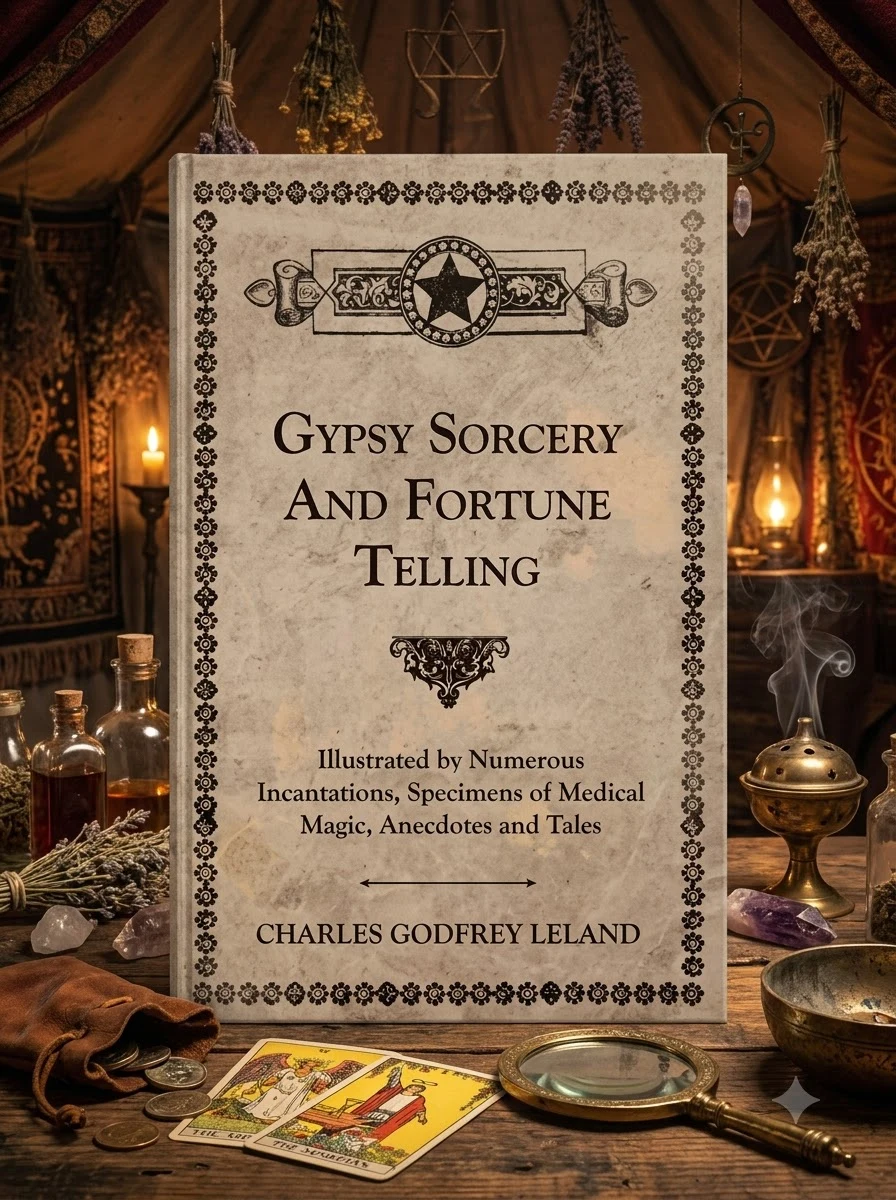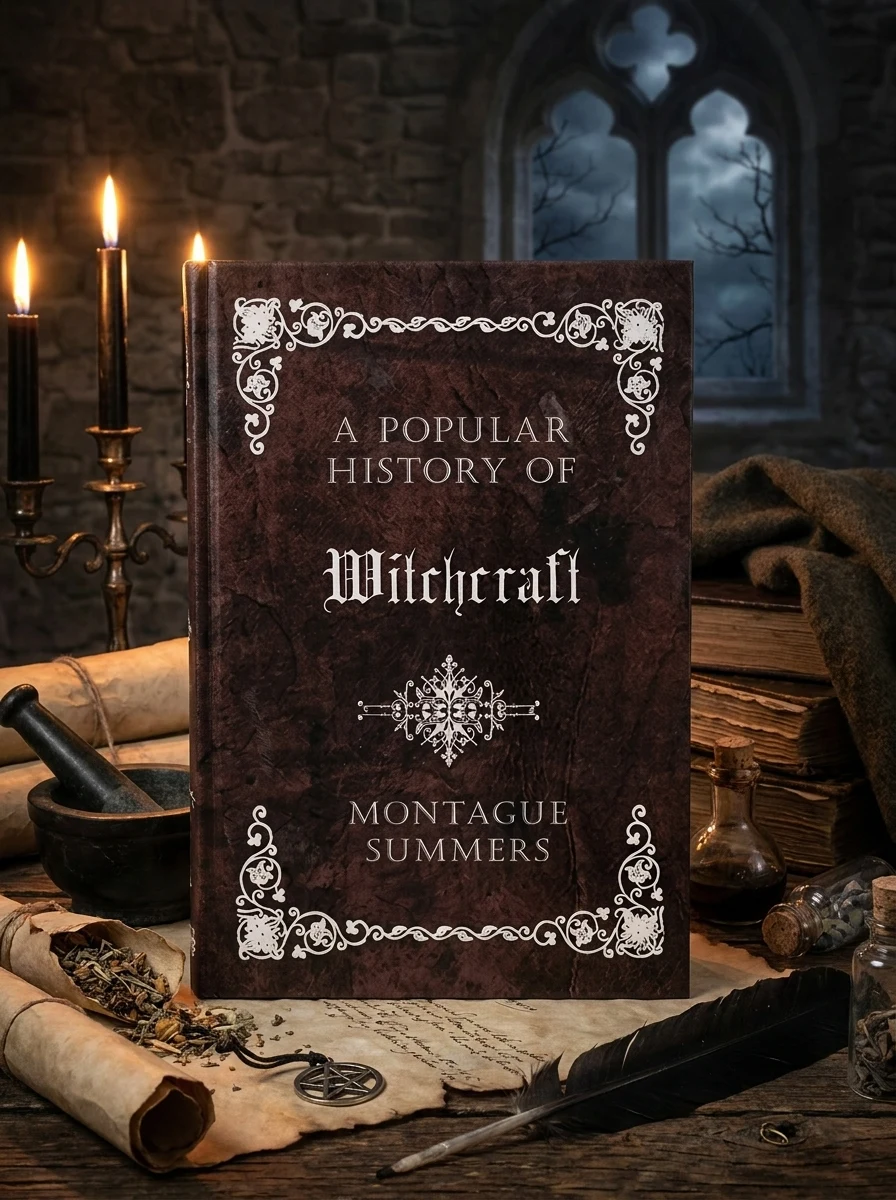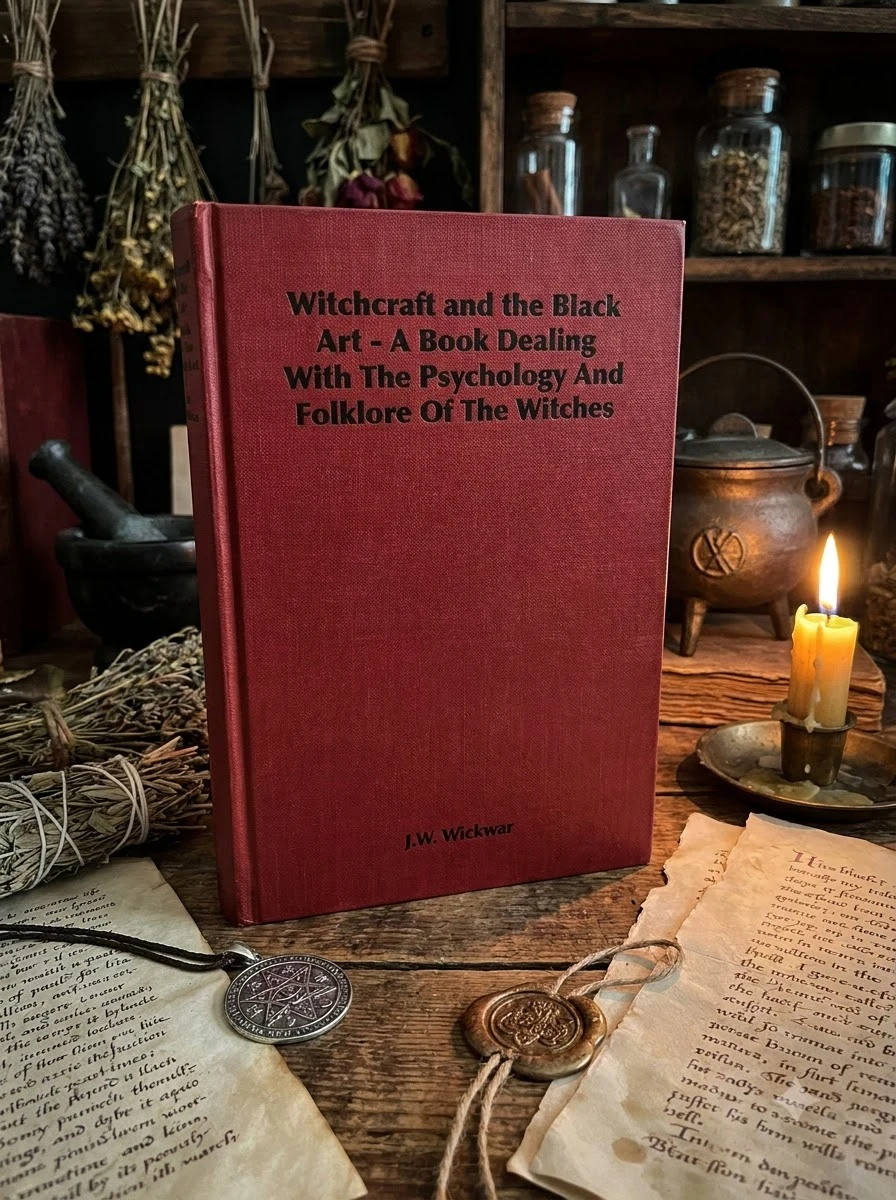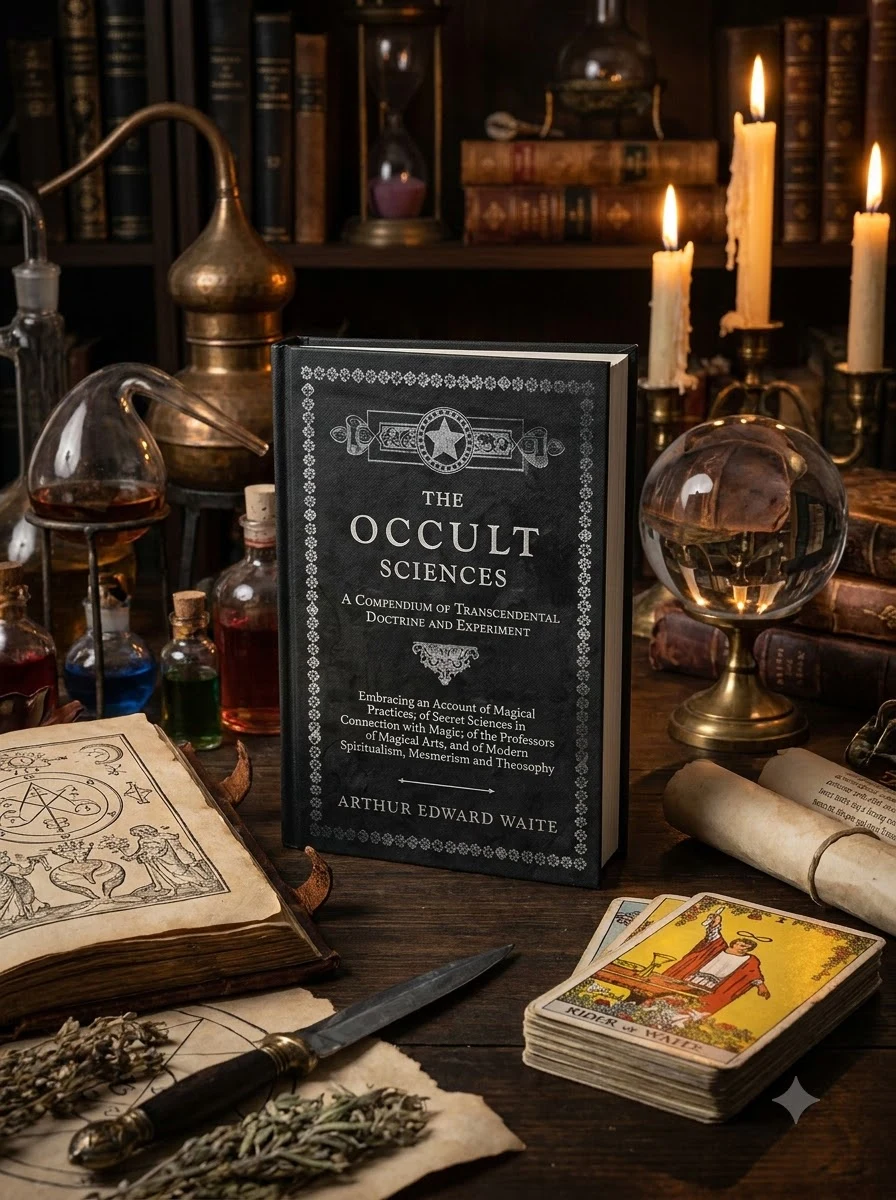
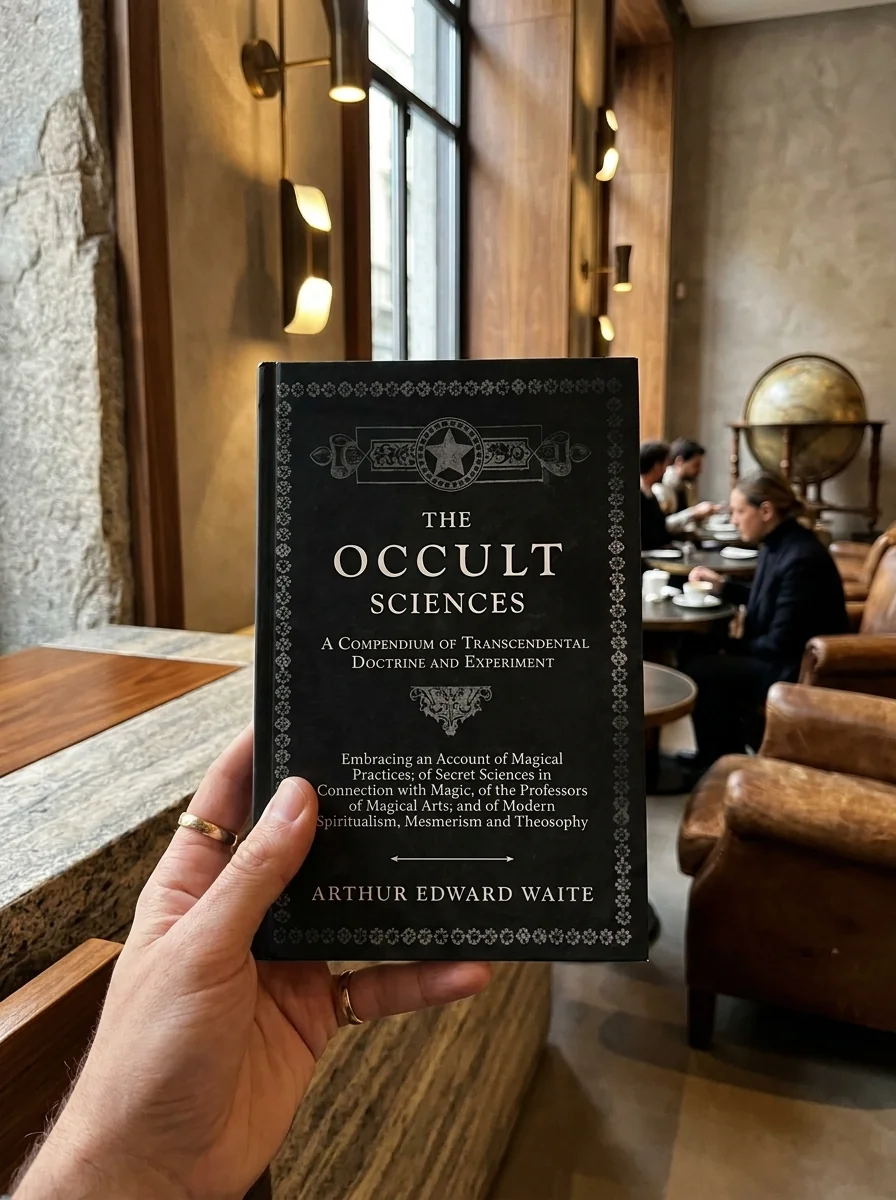
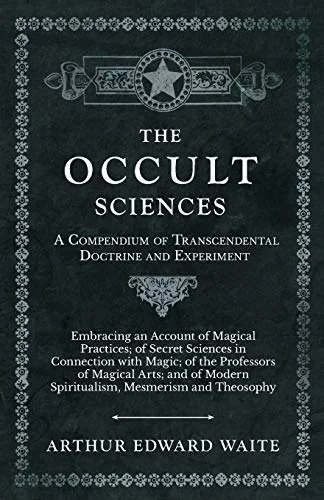
The Occult Sciences - A Compendium of Transcendental Doctrine and Experiment;Embracing an Account of Magical Practices; of Secret Sciences in Connection w
✍️ Waite, Arthur EdwardA 1923 compendium of magical practices, alchemy, and occult sciences by scholarly mystic A. E. Waite.
Written by prolific occult author A. E. Waite, this 304-page reference volume offers an informative guide to magical traditions and secret disciplines. Waite systematically organizes the text into four distinct parts, analyzing the definitions of magic, traditional evocation protocols, alchemical concepts, and modern spiritual phenomena. The work outlines white magic, black magic, crystallomancy, talisman construction, and necromancy alongside nineteenth-century developments like mesmerism and theosophy.
First published in 1923, this volume reflects the early twentieth-century interest in secret sciences and spiritualism. Written by Rider-Waite Tarot co-creator A. E. Waite, it captures the scholarly mystic tradition of that era.


📝 Description: The Occult Sciences - A Compendium of Transcendental Doctrine and Experiment;Embracing an Account of Magical Practices; of Secret Sciences in Connection w
📑 What's inside
- 1.Introduction
- 2. Part I Magical Practices
- 3. Part II Secret Sciences in Connection with Magic
- 4. Part III Professors of Magical Art
- 5. Part IV Modern Phenomena
💎 Expert review
📖 Why choose it
Why this book is worth reading
This volume is an indispensable resource for serious students of the occult who seek to understand the historical and theoretical foundations of their craft. Readers interested in the intricate history of magic, alchemy, and spirit communication will find Waite’s meticulous research invaluable. It serves as a comprehensive reference for those wishing to grasp the transcendental doctrines that shaped modern occult thought. Whether you are exploring angelic invocations or the secrets of necromancy, this book provides the essential context needed to navigate these complex subjects with scholarly rigor and depth.
⭐ Reader reviews
Reader rating
Waite’s 1923 compendium offers a dense, scholarly exploration of esoteric practices, making it a vital reference for dedicated occultists. However, its academic tone and extensive coverage of historical experiments may overwhelm casual readers or those seeking practical, step-by-step instruction. It is not suited for those looking for quick answers or simplified guides to magic. Instead, it rewards the patient scholar with a deep dive into the mechanics of secret sciences. While some may find the breadth of topics daunting, the meticulous documentation of transcendental doctrines makes it a significant contribution to the field of esoteric studies.
❓ Frequently asked questions
📖 Who should read this
This tome is indispensable for serious students of esoteric history, those fascinated by the theoretical underpinnings of various occult traditions, and anyone seeking a comprehensive, scholarly overview of spiritual and magical practices from a bygone era.
🎯 Key themes and symbolism
Categorization of Magic
Waite meticulously distinguishes between various forms of magical practice, detailing the nuanced approaches of 'white magic' for angelic or elemental evocations, and 'black magic' for the summoning of darker entities. This categorization provides a framework for understanding the ethical and practical differences within historical magical traditions, moving beyond simplistic definitions to reveal complex ritualistic intentions.
Diverse Esoteric Disciplines
Beyond direct magical evocations, the book extensively covers a wide array of arcane subjects. Readers will find detailed accounts of crystallomancy, the ancient art of scrying, alongside the philosophical and practical pursuits of alchemy, including the quest for the fabled Elixir of Life. It also touches upon the composition and significance of talismans, illustrating the breadth of occult experimentation.
Scholarly Occult Inquiry
Rather than a practical 'how-to' guide, Waite's work serves as a scholarly compendium, meticulously documenting and analyzing historical occult beliefs and experiments. It reflects his vast erudition, presenting these subjects through a critical yet appreciative lens, thereby positioning esoteric studies within a serious academic context and preserving the knowledge of past traditions for future generations.
📜 Historical context
📚 Glossary
- Necromancy
- Crystallomancy
- Alchemy
📔 Questions to reflect on
- How do Waite's distinctions between 'white' and 'black' magic resonate with your own understanding of ethical magical practice?
- Consider the historical accounts of alchemy and the Elixir of Life. What parallels or transformations do you see in contemporary spiritual or scientific pursuits?
- Waite's work is a compendium, not a manual. How does reading about historical practices, rather than directly engaging in them, deepen your appreciation for the occult?