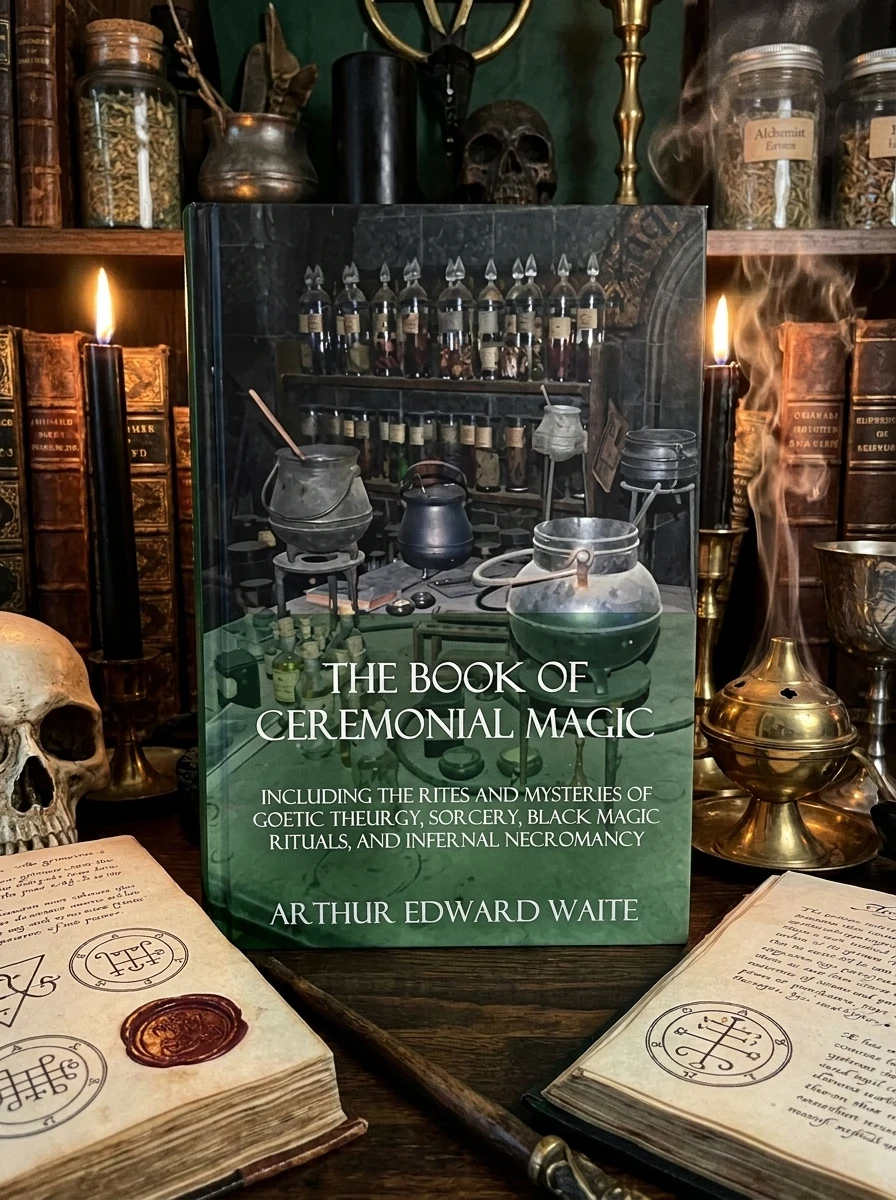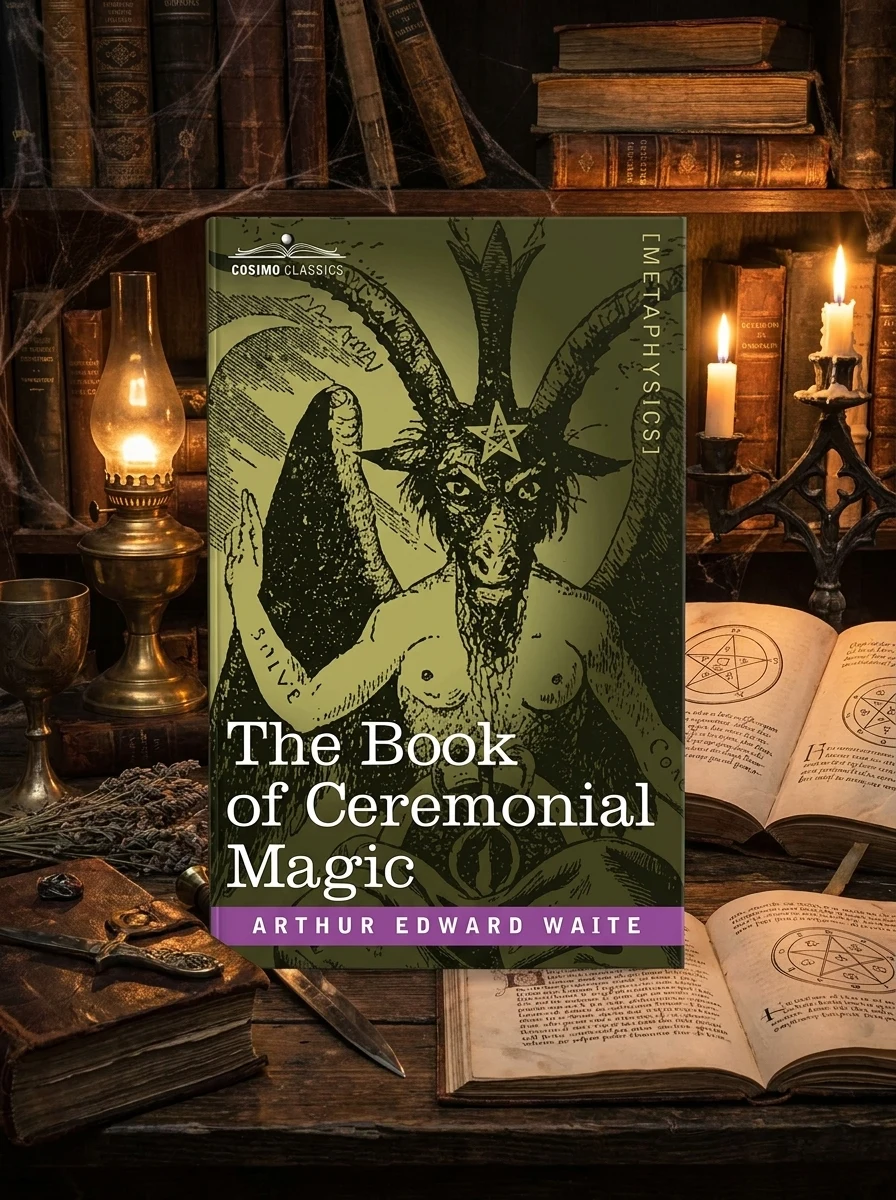
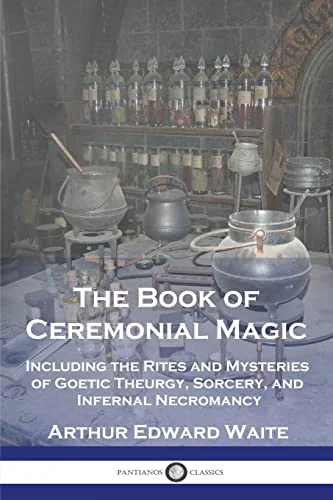
The Book of Ceremonial Magic: Including the Rites and Mysteries of Goetic Theurgy, Sorcery, and Infernal Necromancy
✍️ Waite, Arthur EdwardThis Pantianos Classics paperback brings together Arthur Edward Waite's study of historical ceremonial magic and alchemy. Drawing directly from obscure medieval tomes, the text presents thousands of theological spells intended to summon beneficent spirits, ward off devils, and form binding pacts with supernatural beings using ingredients like grave dust. Waite provides over 150 original illustrations, charts, and seals, along with spoken scripts required for summoning entities from other planes. Throughout the text, the author addresses flaws in previous grimoire translations and organizes operations by their intent.


📝 Description: The Book of Ceremonial Magic: Including the Rites and Mysteries of Goetic Theurgy, Sorcery, and Infernal Necromancy
💎 Expert review
📖 Why choose it
Why this book is worth reading
Readers deeply invested in the historical and theoretical underpinnings of Western esotericism will find this volume indispensable. Waite’s exhaustive compendium offers a meticulously researched overview that distills the essence of countless obscure grimoires, making it perfect for scholars and serious practitioners alike. Those seeking to understand the symbols, incantations, and alchemical principles behind goetic theurgy and necromancy will gain unparalleled insight. It is particularly valuable for those wishing to master protective rites and methods for conjuring benevolent entities while repelling malevolent forces. By presenting a clear, illustrated guide to these profound traditions, Waite empowers readers to navigate the complex currents of ritual magic with confidence and historical awareness.
⭐ Reader reviews
Reader rating
Waite’s work is an impressive scholarly achievement, yet it may not suit casual readers or those seeking immediate, simplified practical instructions. The text demands patience for its dense historical analysis and exhaustive compilation of medieval spells. While it serves as an essential guide for understanding the symbols and principles underpinning these traditions, it can feel academic rather than immediately actionable for beginners. Readers looking for quick results or modernized interpretations might find the late 19th-century perspective and detailed research overwhelming. It is best reserved for those who appreciate rigorous historical context and theoretical depth over practical immediacy in their magical studies.
❓ Frequently asked questions
📖 Who should read this
For the serious student of occult history, the aspiring ritualist, or anyone fascinated by the scholarly dissection of ancient magical practices, this book offers an indispensable foundational text. Prepare to embark on a journey through the intricate world of ceremonial magic.
🎯 Key themes and symbolism
Historical Grimoire Synthesis
Waite masterfully condenses and interprets a vast array of ancient magical texts, many previously inaccessible or poorly translated. His scholarly approach provides readers with a coherent understanding of diverse magical traditions, spanning centuries of occult knowledge from obscure sources, making complex material approachable for the serious student.
Rituals and Incantations
This work meticulously details thousands of ceremonies and spells rooted in medieval theology. From protective rites designed to banish evil spirits and ward off malevolent forces to complex invocations intended to summon benevolent entities, the book offers a deep dive into practical magical operations and their historical underpinnings.
Pacts with Spirits
Explore the intriguing mechanisms by which ceremonial magicians sought to forge alliances with supernatural beings. Waite clarifies that these powerful rituals compel assistance without demanding the practitioner's soul, often requiring specific material components like grave dust or unique botanicals to facilitate the connection and ensure compliance.
📜 Historical context
📚 Glossary
- Ceremonial Magic
- Goetic Theurgy
- Grimoire
📔 Questions to reflect on
- How might the historical context of late 19th-century occultism have influenced Waite's approach to synthesizing ancient magical texts?
- Considering Waite's disapproval of poor translations, what ethical responsibilities do modern practitioners have when interpreting and applying historical magical traditions?
- Reflect on the distinction between "warding off devils" and "conjuring beneficent spirits." What does this dichotomy reveal about the perceived nature of supernatural entities in ceremonial magic?