
The Art of Logical Thinking: Inductive, Deductive and Hypothetical Reasoning and the Use of Syllogisms and Fallacies
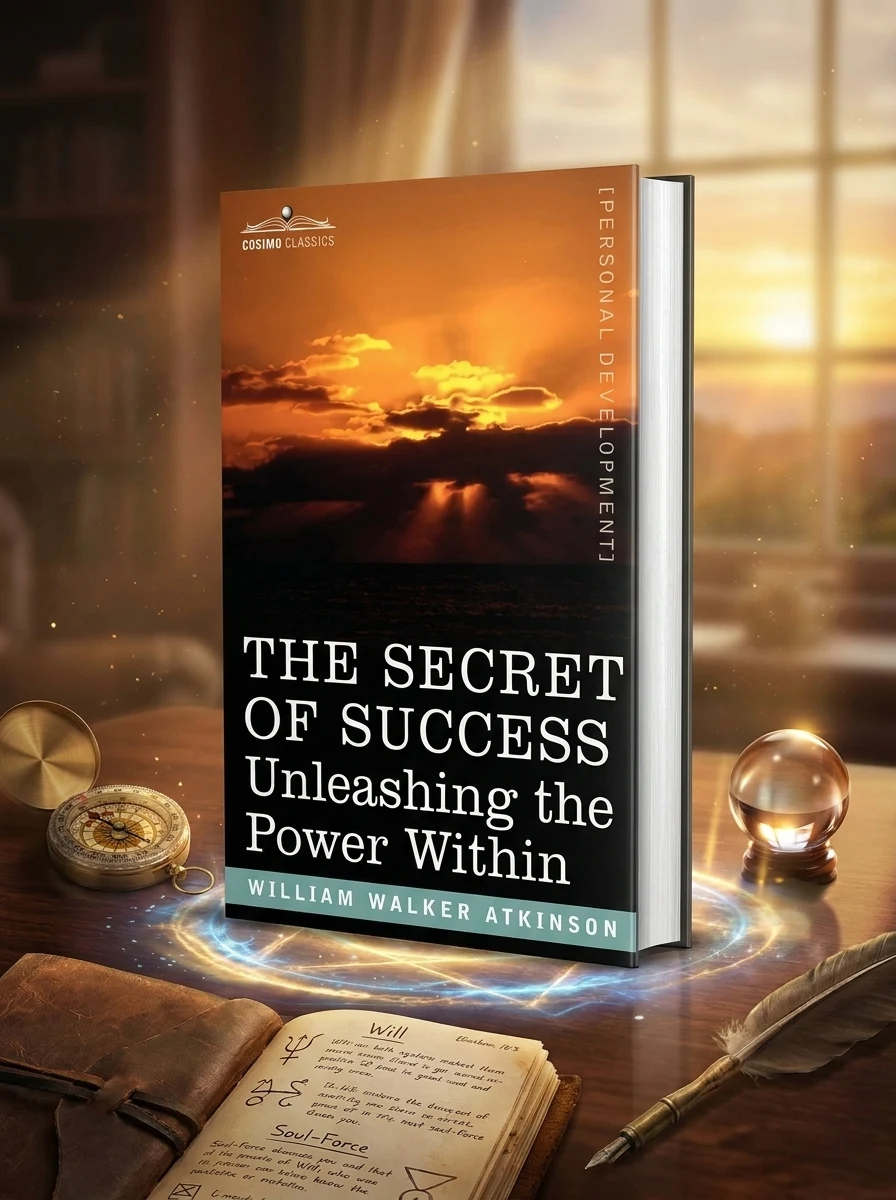
✍️ Atkinson, William WalkerWilliam Walker Atkinson, an astute legal mind and prominent figure in New Thought, guides readers through the intricate pathways of human cognition. This essential work demystifies how our minds construct ideas, form concepts, and process information. By meticulously detailing inductive, deductive, and hypothetical reasoning, Atkinson empowers seekers to refine their mental faculties. From distinguishing simple truths to formulating complex analyses, he provides a robust framework for critical thinking, crucial for discerning wisdom in a world of illusion and insight. Uncover the mechanisms behind sound judgment and intellectual clarity.


📝 Description: The Art of Logical Thinking: Inductive, Deductive and Hypothetical Reasoning and the Use of Syllogisms and Fallacies
💎 Expert review
📖 Why choose it
Why this book is worth reading
This book is an essential guide for seekers who wish to master the unseen architecture of thought and sharpen their esoteric understanding. Atkinson empowers readers to refine their mental faculties by detailing inductive, deductive, and hypothetical reasoning. It provides a robust framework for critical thinking, which is crucial for discerning wisdom in a world filled with illusion and insight. Those interested in the intricate pathways of human cognition will find value in learning how the mind constructs ideas and processes information. By understanding the mechanisms behind sound judgment, readers can achieve greater intellectual clarity and better navigate complex analyses.
⭐ Reader reviews
Reader rating
Atkinson offers a meticulous demystification of human cognition, appealing to those who view logic as a spiritual tool. The work is particularly valuable for New Thought adherents seeking to apply intellectual rigor to their practice. However, it does not suit readers looking for practical legal advice or modern scientific psychology. Those expecting contemporary cognitive science frameworks may find the esoteric lens limiting. It is best for individuals interested in the philosophical underpinnings of thought rather than technical logical training. The tone remains instructive but assumes a willingness to engage with abstract mental processes.
❓ Frequently asked questions
📖 Who should read this
If you seek to fortify your mental discipline and sharpen your perceptive faculties, this book is for you. Ideal for students of occult philosophy, New Thought practitioners, or anyone eager to understand the mechanics of sound judgment and logical deduction in both mundane and mystical contexts.
🎯 Key themes and symbolism
Foundation of Thought
Atkinson meticulously outlines the genesis of mental processes, starting with how the mind conceives initial ideas and develops them into structured concepts. He differentiates between mere 'terms'—labels for things—and the deeper conceptual understandings, laying the groundwork for how these foundational elements are then subjected to higher forms of reasoning and analysis within the intellect.
Modes of Reasoning
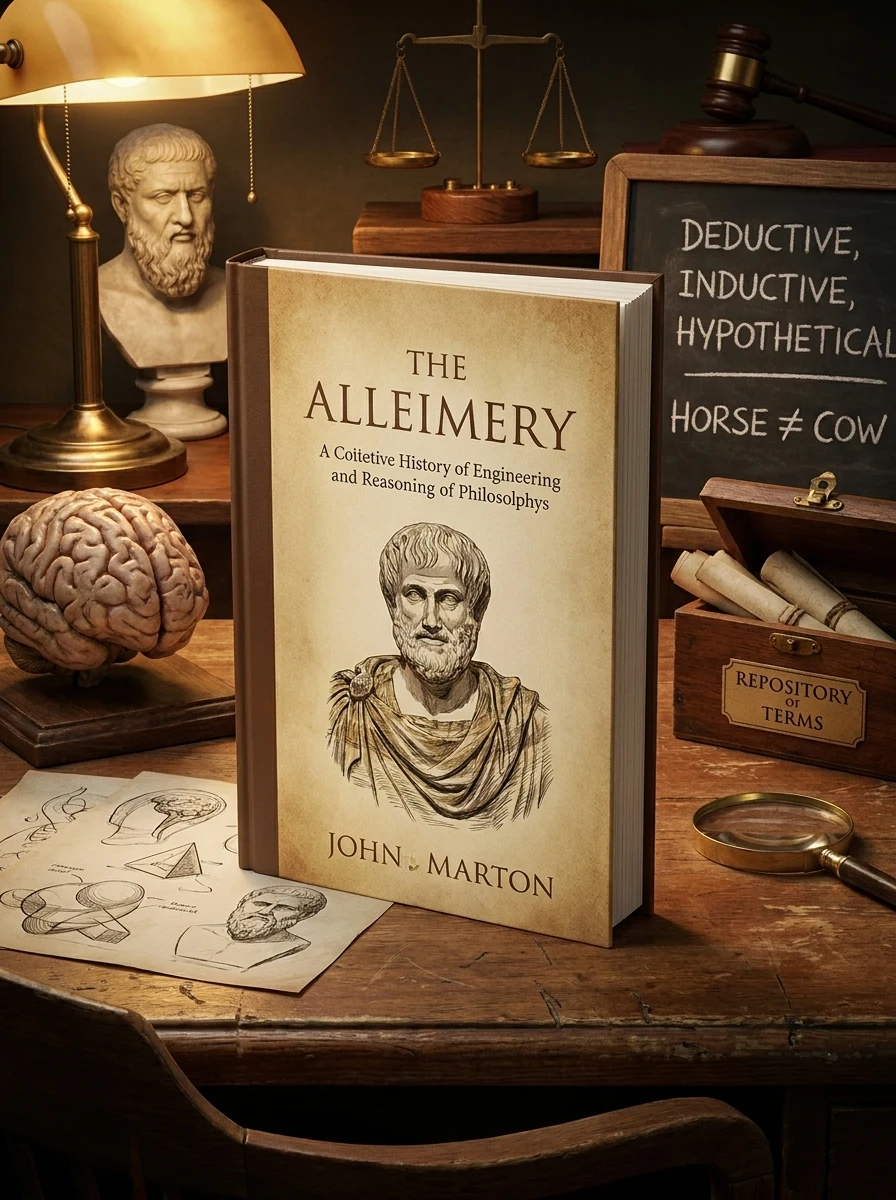
The book systematically explores the three primary modes of logical inquiry: inductive, deductive, and hypothetical reasoning. Atkinson elucidates how each method functions, from forming general conclusions based on specific observations (inductive) to drawing specific conclusions from general premises (deductive), and constructing plausible explanations for observed phenomena (hypothetical). These distinctions are vital for rigorous mental discipline.
Discerning Truth and Fallacy
A core objective of Atkinson's treatise is to equip the reader with tools to make accurate judgments and reject falsehoods. He illustrates how the mind, through careful reasoning, can evaluate propositions and distinguish between what is veridical and what is erroneous. This capacity for mental discrimination is presented as fundamental not only for everyday logic but also for deeper philosophical and esoteric inquiry.
📜 Historical context
📚 Glossary
- Inductive Reasoning
- Deductive Reasoning
- Hypothetical Reasoning
📔 Questions to reflect on
- Reflect on a recent decision you made. Can you trace the ideas and concepts that led to your conclusion, and identify which type of reasoning (inductive, deductive, or hypothetical) dominated your process?
- How might a more rigorous application of logical thought enhance your spiritual or esoteric practices? Consider areas where clarity might prevent misinterpretation or strengthen your personal insights.
- Choose a commonly held belief within your spiritual or personal philosophy. How would you subject this belief to Atkinson's methods of distinguishing truth from falsehood, without immediately accepting or rejecting it?