William Walker Atkinson occupies a peculiar and powerful position in American occultism. He was neither a ceremonial magician in the Golden Dawn tradition nor a pure spiritualist—instead, he synthesized New Thought philosophy with practical mental science, creating a bridge between the self-help movements of his era and the deeper currents of Western esotericism. If you've encountered The Kybalion or searched for "law of attraction" in an esoteric context, Atkinson's fingerprints are all over that territory.
The challenge with Atkinson is not finding his books—it's knowing where to start. He was prolific, often publishing under his own name and under pseudonyms like Magus Incognito and Swami Panchadasi. His works overlap thematically, sometimes repeating core ideas across different frameworks. This guide cuts through that noise and presents nine essential Atkinson texts in an order that mirrors how his thinking evolved and how a reader can best absorb his system.
What makes Atkinson worth reading now? He treats the mind as a practical instrument—not metaphorically, but mechanically. His writing assumes you want results: better focus, genuine influence over others, the ability to manifest tangible change in your life. He strips away Victorian sentimentality and delivers instruction. For anyone tired of vague spirituality, Atkinson's directness is refreshing.
Start Here: The Foundational Law of Attraction Works
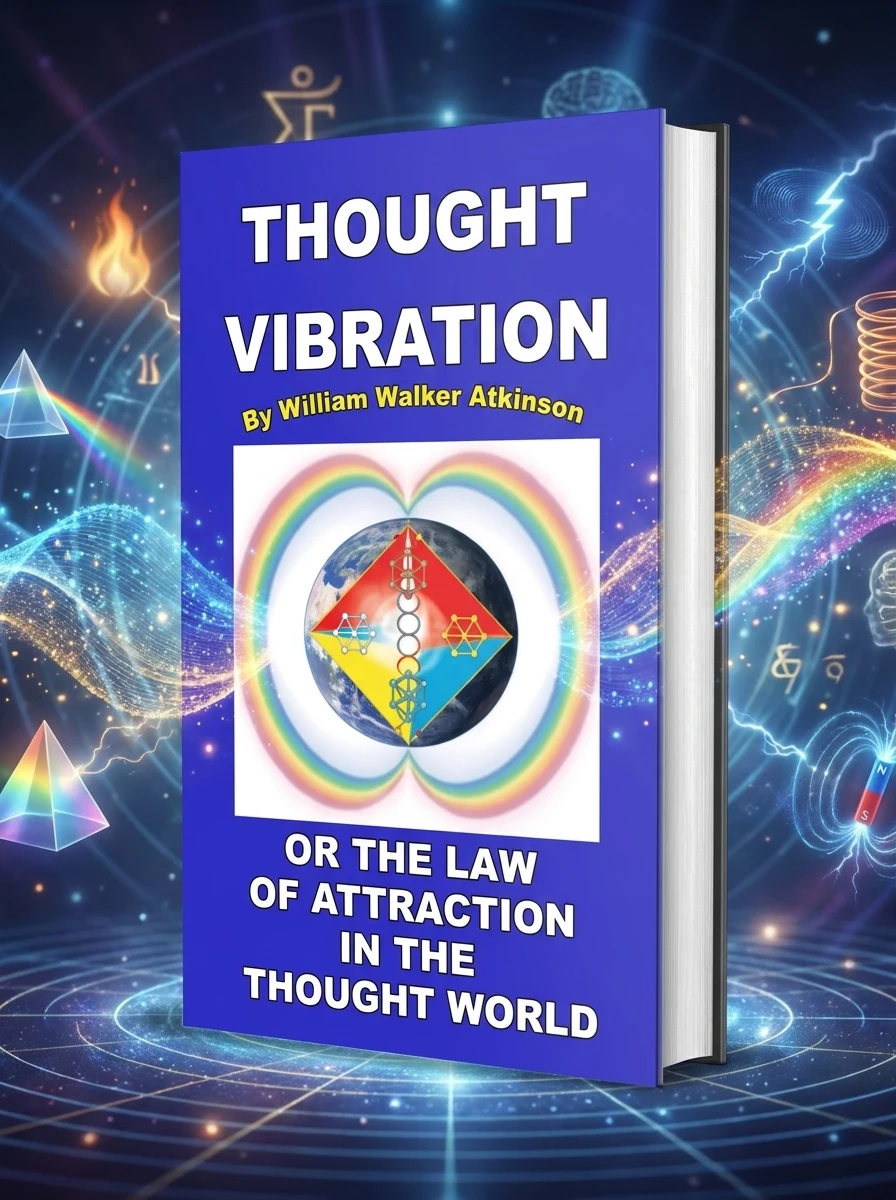
1. Thought Vibration, or The Law of Attraction in the Thought World
Thought Vibration, or The Law of Attraction in the Thought World is Atkinson's clearest entry point. Published in the early 1900s, it presents the core principle that your dominant thoughts literally vibrate at frequencies that attract corresponding circumstances. Unlike modern law-of-attraction pop psychology, Atkinson grounds this in what he calls "mental science"—a quasi-scientific framework borrowed from New Thought pioneers.
This book is short, direct, and practical. Atkinson doesn't ask you to believe; he asks you to experiment. He explains how thought operates as a force, why your inner dialogue shapes your outer reality, and most importantly, how to deliberately shift your mental patterns. If you've read nothing by Atkinson before, start here. It costs under $15 and will take you a weekend.
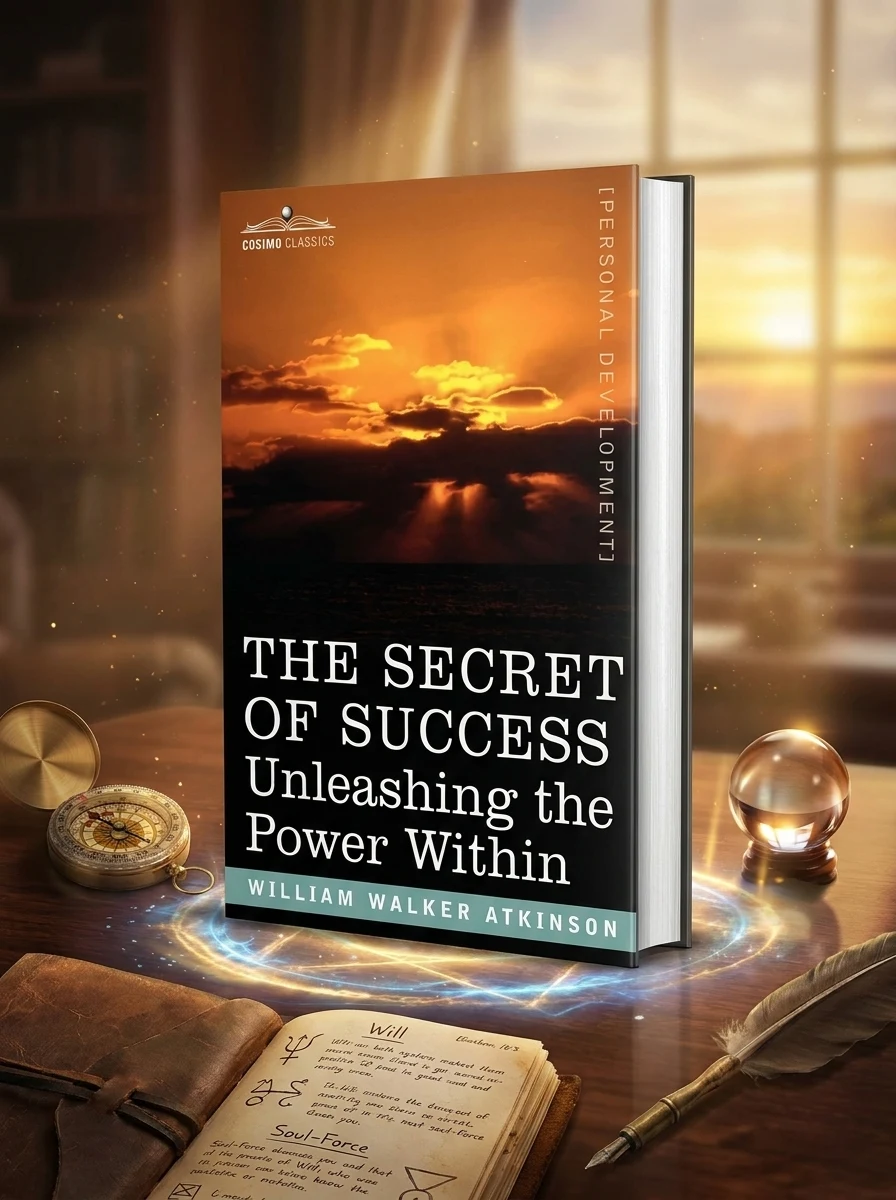
2. The Secret of Success: Unleashing the Power Within
The Secret of Success extends the principles from Thought Vibration into practical life application. Where the first book explains the mechanism, this one shows you how to apply it to money, relationships, health, and ambition. Atkinson is unapologetic about the material dimension of spiritual practice—success, in his view, is not a distraction from spirituality but an expression of it.
This is the book for readers who want to move beyond theory into concrete results. Atkinson walks you through mental exercises, visualization techniques, and what he calls "thought discipline." The tone is encouraging without being saccharine. Under $15, it pairs perfectly with Thought Vibration as a two-book foundation.
Deepen Your Practice: Mental Influence and Practical Technique
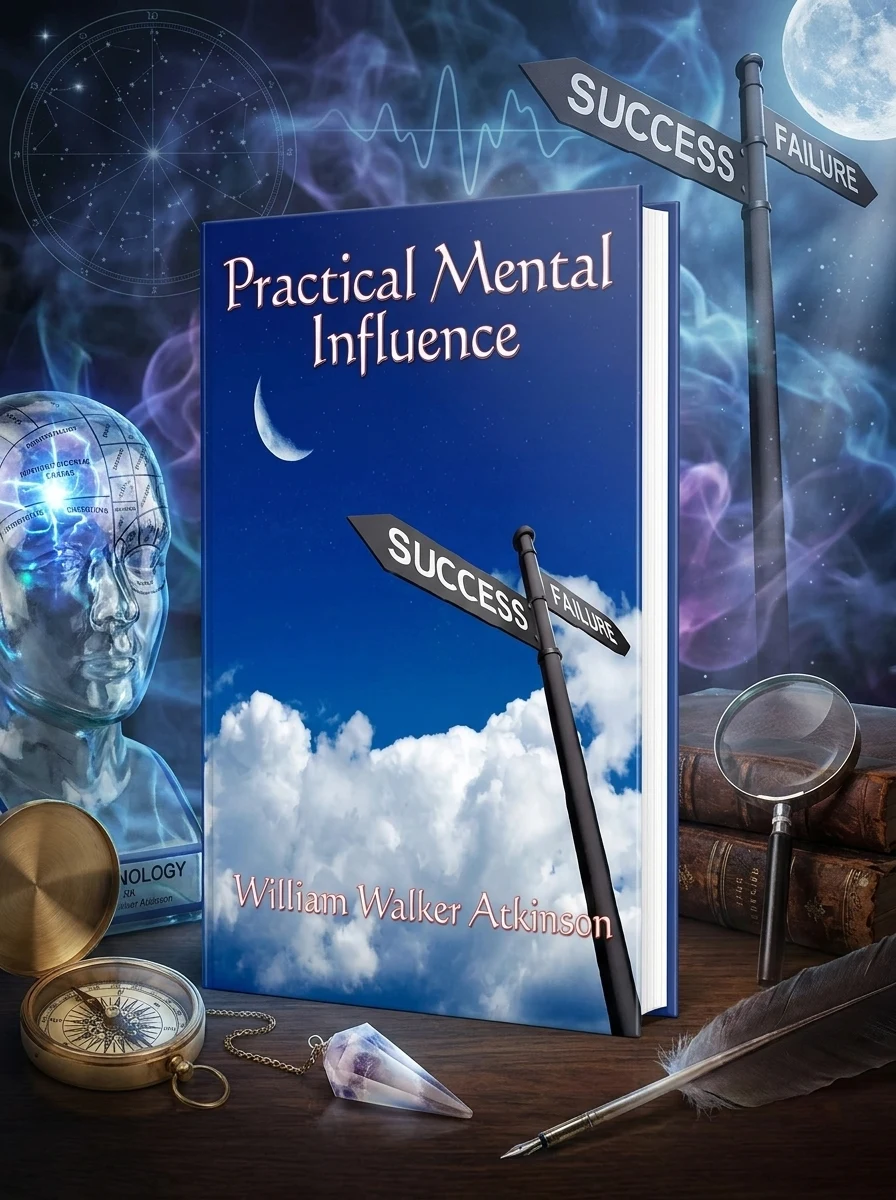
3. Practical Mental Influence: A Study of Thought, Influence, and Mental Discipline
Practical Mental Influence marks a shift in Atkinson's work. He moves from personal manifestation into interpersonal dynamics—how your mental state directly affects others around you, and how to consciously direct that influence. This is not manipulation in the crude sense; Atkinson is describing what modern psychology would call presence, charisma, and emotional contagion.
The book covers thought transmission, mental rapport, and what Atkinson calls "mental fascination." He explains why some people naturally command attention and how to cultivate that capacity in yourself. For anyone interested in leadership, sales, or simply being more effective in social situations, this book delivers. It's also where Atkinson's work begins to touch on what later occultists would call "practical magic." Under $15.
4. Thought-Force in Business and Everyday Life
Thought-Force in Business and Everyday Life is Atkinson's most comprehensive treatment of mental science applied to real-world contexts. He covers concentration, willpower development, mental efficiency, and the subtle art of persuasion without coercion. The book is longer and more detailed than his earlier works, reflecting a mature synthesis of his ideas.
What distinguishes this book is Atkinson's refusal to separate "spiritual" practice from mundane success. He treats business acumen, personal magnetism, and mental discipline as expressions of the same underlying principles. If you're serious about integrating Atkinson's system into daily life—not as an escape from the world but as a tool for operating more effectively within it—this is essential. Expect to spend $15–25 depending on edition.
Explore the Psychic Dimension: Mind Reading and Occult Development
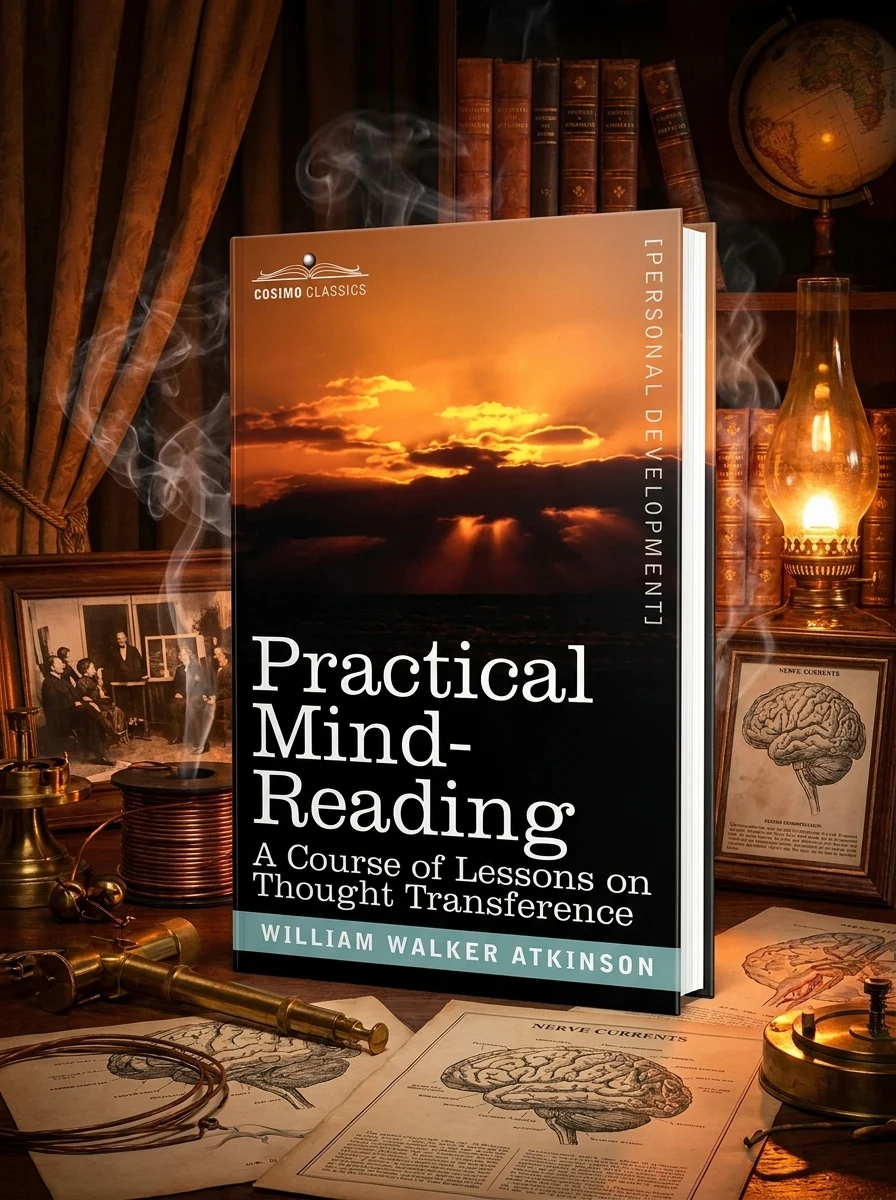
5. Practical Mind-Reading: A Course of Lessons on Thought Transference
Practical Mind-Reading ventures into territory that bridges New Thought and classical occultism. Atkinson presents thought transference—what we might now call telepathy—not as supernatural but as a natural capacity of the trained mind. He structures the book as a course, with progressive lessons in developing sensitivity to others' mental states.
This book reveals Atkinson's deeper interests. While still grounded in his mental-science framework, he's now discussing psychic phenomena, mental currents, and non-verbal communication. The practical exercises are specific and repeatable. For readers ready to move beyond manifestation into genuine psychic development, this is the gateway. Priced under $25.
6. Practical Psychomancy and Crystal Gazing
Practical Psychomancy and Crystal Gazing shows Atkinson's engagement with divination and clairvoyance. Rather than treating crystal gazing as fortune-telling, he frames it as a method for developing your own latent psychic sight. The book combines practical instruction with Atkinson's characteristic mental-science philosophy—the crystal is a tool, but the real work happens in your mind.
This is where Atkinson's work intersects most directly with classical occultism. He discusses the development of the "astral senses," the nature of psychic perception, and how to cultivate genuine clairvoyant ability. If you're drawn to divination but want a framework grounded in mental development rather than external authority, this book offers that. Under $15.
Advanced Study: Esoteric Philosophy and Hidden Teachings
7. Suggestion and Auto-Suggestion
Suggestion and Auto-Suggestion is Atkinson's most psychologically sophisticated work. He explores how suggestion operates in the mind, how to resist unwanted suggestions from others, and most importantly, how to use auto-suggestion—self-directed mental programming—to reshape your consciousness. This book anticipates modern cognitive behavioral therapy by decades.
The distinction Atkinson makes between conscious and subconscious mind, and how to communicate with the latter, is precise and practical. He explains why willpower alone often fails and why suggestion is more effective. For readers who've practiced his earlier techniques and want to understand the psychological mechanisms beneath them, this book is invaluable. Around $30.
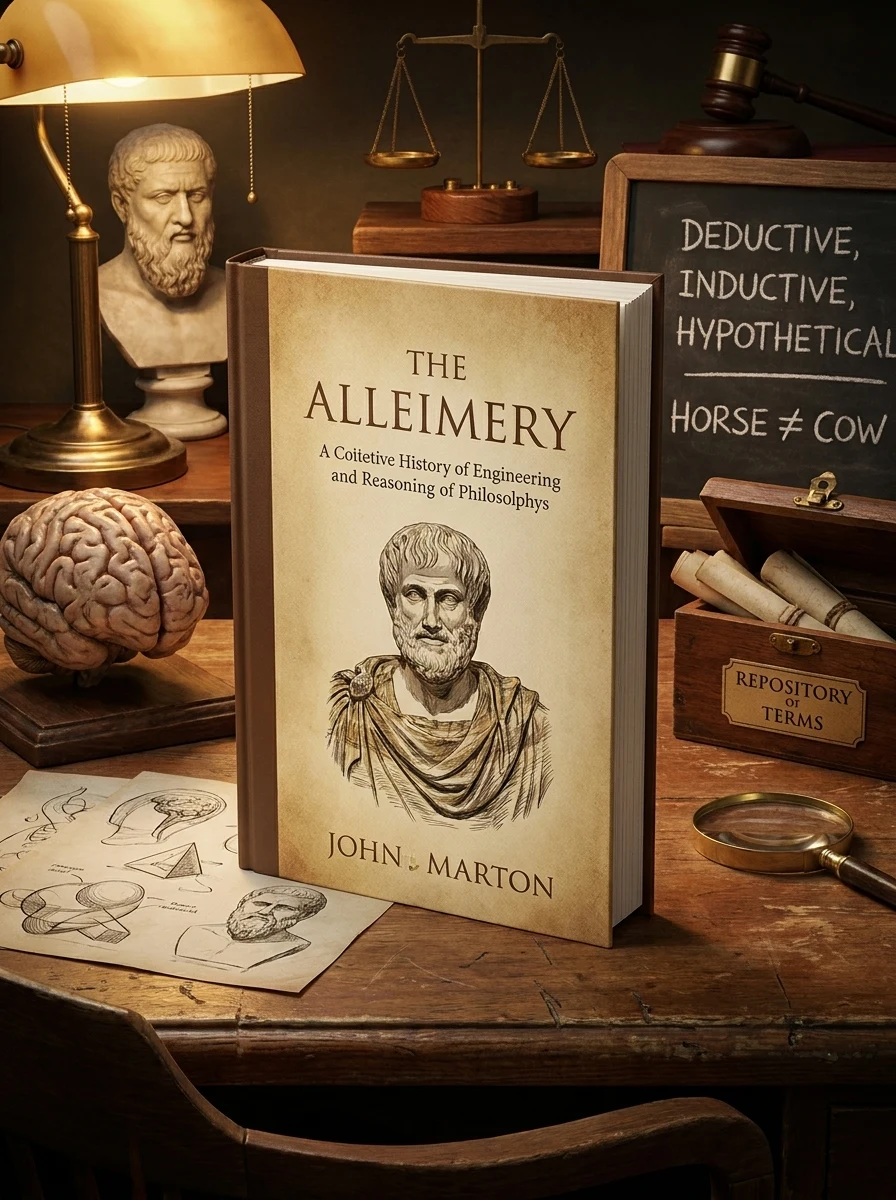
8. The Art of Logical Thinking: Inductive, Deductive and Hypothetical Reasoning
The Art of Logical Thinking may seem like an odd inclusion in an occult reading list, but it's essential to understanding Atkinson's worldview. He believed that clear thinking was the foundation of all occult practice. This book teaches rigorous mental discipline—how to reason correctly, avoid logical fallacies, and think your way through complex problems.
For Atkinson, occultism was not about abandoning reason but perfecting it. This book sharpens your mind in ways that make his other teachings more effective. It's also surprisingly readable for a book on logic. Under $15.
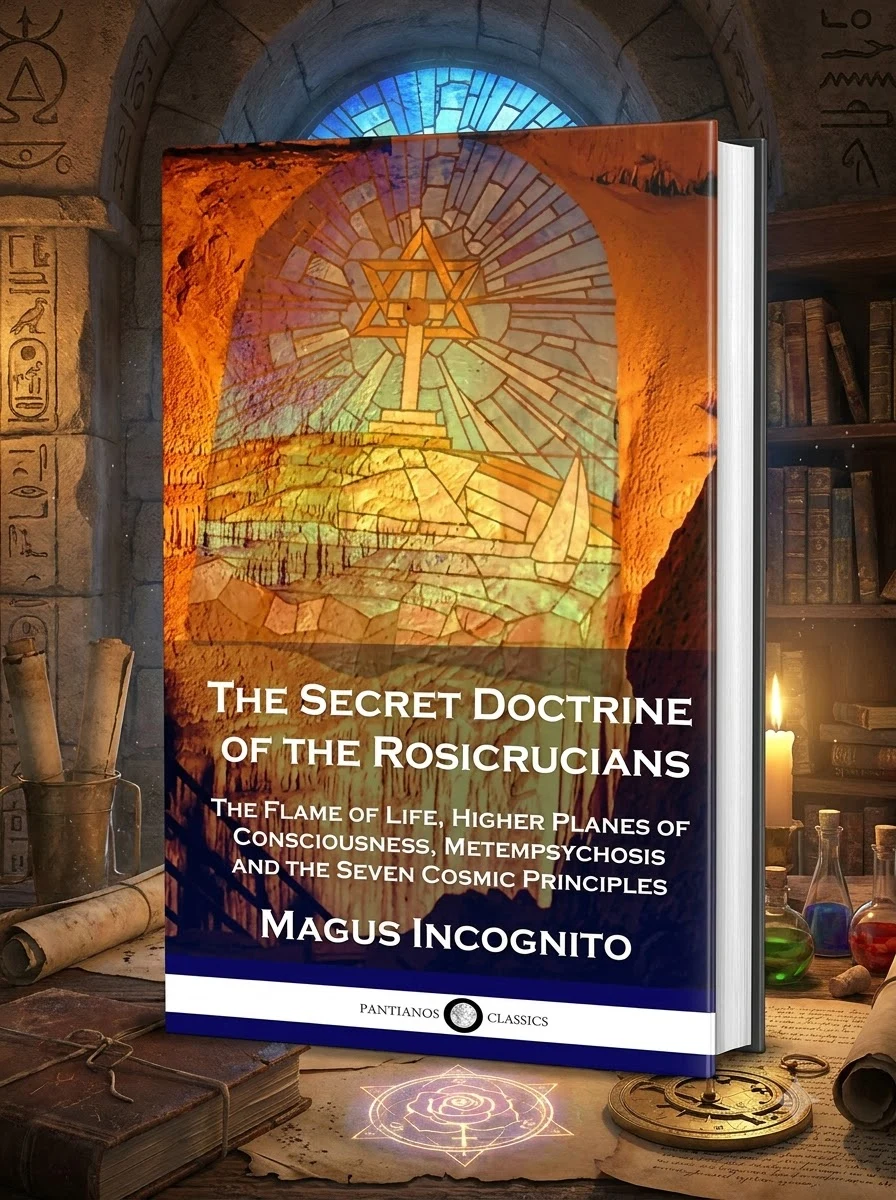
9. The Secret Doctrine of the Rosicrucians: The Flame of Life, Higher Planes of Consciousness, Metempsychosis and the Seven Cosmic Principles
The Secret Doctrine of the Rosicrucians, published under the pseudonym Magus Incognito, represents Atkinson's most explicitly esoteric work. Here he engages directly with Rosicrucian philosophy, discussing planes of consciousness, the nature of the soul, and cosmic principles. The book is denser and more philosophical than his earlier works, assuming the reader has already absorbed his mental-science foundation.
This is where Atkinson's system reaches toward genuine mysticism. He discusses reincarnation, the evolution of consciousness, and humanity's place in a cosmic hierarchy. If you've worked through his practical books and want to understand the larger spiritual framework he was operating within, this is the capstone. Under $15.
How to Choose Your Path
The nine-book progression above follows a logic: start with manifestation and personal power, move into influence and psychic development, then ascend into psychology and esoteric philosophy. But your own interests might suggest a different route.
If you're primarily interested in practical results—money, relationships, personal magnetism—read books 1–4 in order and stop. You'll have a complete, actionable system.
If you're drawn to psychic development, add books 5–6 after book 4. Atkinson's approach to clairvoyance and thought transference is grounded and systematic, avoiding both skepticism and credulity.
If you want the complete Atkinson system, including its philosophical and esoteric dimensions, work through all nine in order. The progression mirrors how Atkinson himself developed, and each book illuminates the ones that follow.
One final note: Atkinson's work is repetitive by design. He returns to core ideas—the power of thought, the importance of mental discipline, the unity of mind and matter—across multiple books. This isn't a flaw. Repetition is how deep learning happens. Each book approaches these principles from a different angle, deepening your understanding with each encounter.