If you are searching for where to start with Lucy Cavendish, the main difficulty is not a lack of choice. It is that her work occupies several neighboring corners of modern esoteric practice: witchcraft, oracle cards, sacred feminine spirituality, faery lore, nature-centered reflection, and Tarot. A reader who wants practical spells needs a different first book from someone who is primarily interested in goddess spirituality or card reading.
So rather than treating this as a publication-history checklist, this is a useful reading order: start with the books that give you the clearest practical footing, then move toward more specialized interests. The sequence also separates books that teach or structure a practice from decks and journals that work best once you know what kind of practice you want to develop.
Start with practical magic and divination
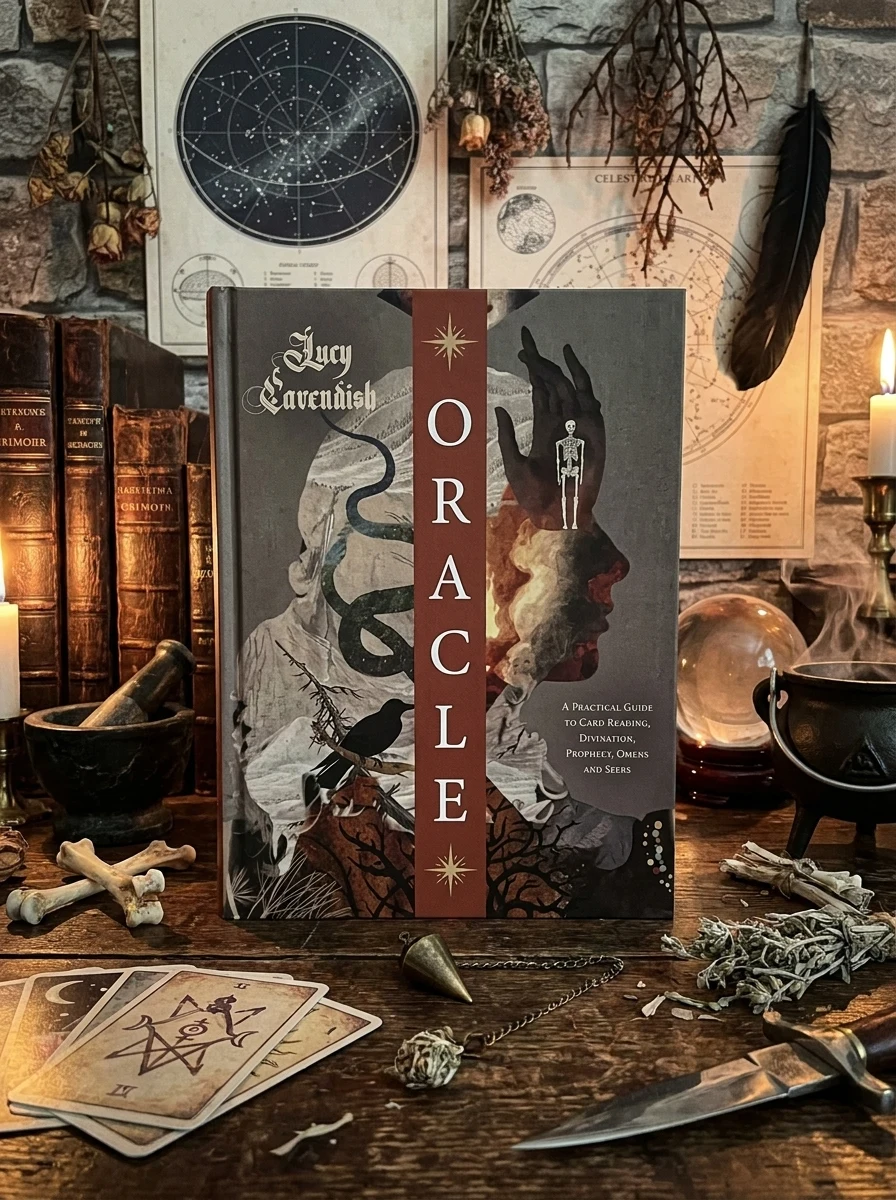
1. Oracle: A Practical Guide to Card Reading, Divination, Prophecy, Omens, and Seers — Lucy Cavendish
This is the strongest starting point if your interest in Cavendish begins with divination rather than a particular magical tradition. The title itself makes its purpose clear: it is a practical guide to card reading and a wider field of divination, including prophecy, omens, and seers. That breadth makes it useful before committing yourself to one particular deck or oracle style.
Start here if you want a book rather than a deck as your first Cavendish purchase. It gives you a framework for understanding the practice, while leaving room for your own intuitive approach.
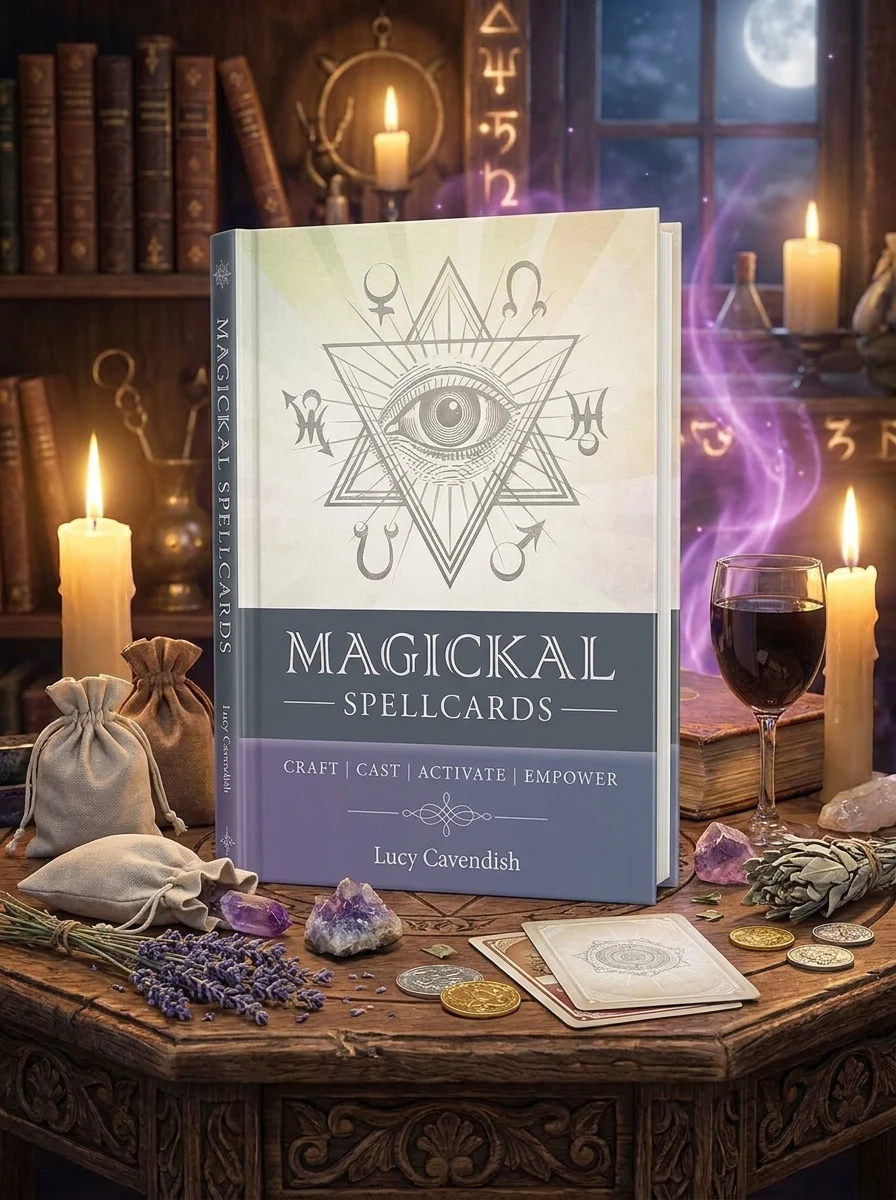
2. Magickal Spellcards: Craft - Cast - Activate - Empower (Cards & Guidebook) — Lucy Cavendish
Move to this one if your priority is doing rather than simply reading. It presents spells through a card-and-guidebook format and is aimed at beginners who want structured spells as well as practitioners looking for additional techniques for everyday magical work.
The format makes it a natural second step after learning about divination: instead of interpreting a card for guidance, you are using a structured card system as part of a magical practice. If your interests are practical witchcraft, intention-setting, and simple spellwork, this is the point in the order where the reading becomes more hands-on.
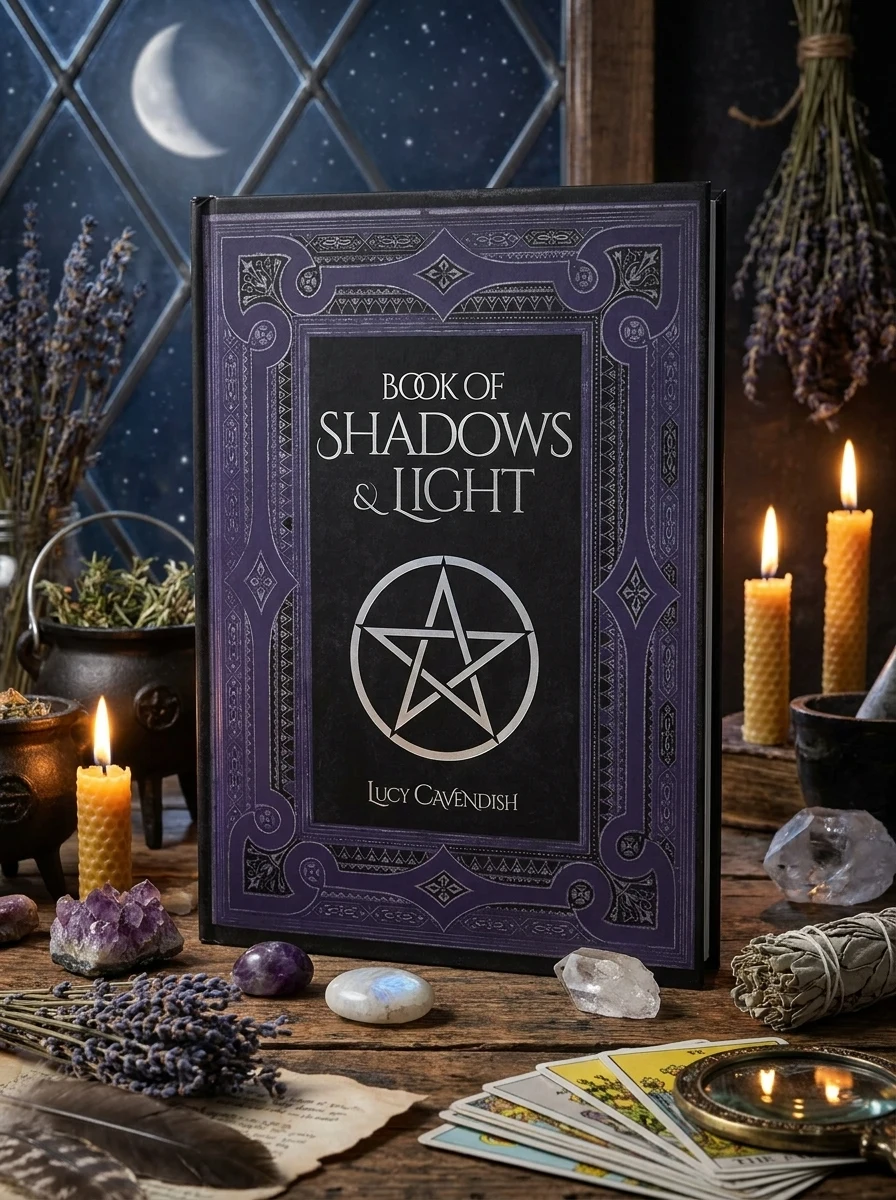
3. Book of Shadows & Light — Lucy Cavendish
Once you have begun experimenting with magical practices, a dedicated place to record them becomes useful. Book of Shadows & Light is designed for spiritual seekers, practicing witches, and lightworkers who want to document their magical path.
This is less about adding another body of theory and more about making your practice personal. I would place it after the practical books because its value grows when you have experiences, observations, intentions, and magical work of your own to record.
Then choose your spiritual focus
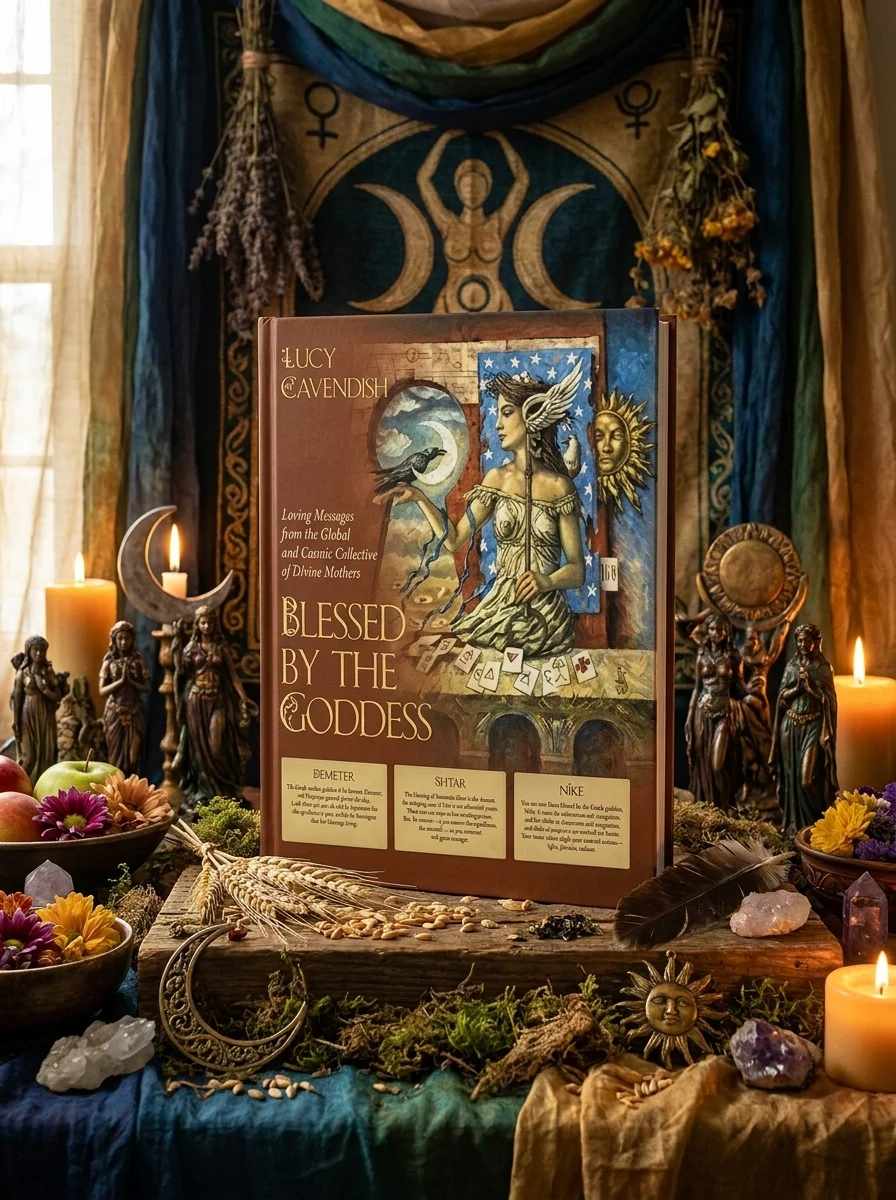
4. Blessed by the Goddess — Lucy Cavendish
If the sacred feminine is what attracted you to Cavendish in the first place, you can move this book much earlier. It is centered on connection with goddess power and offers compassionate, nurturing guidance for spiritual life.
Its tone makes it a good choice for someone looking for devotional or reflective spirituality rather than a technical manual. Read it here if you want to shift from learning magical techniques toward exploring the spiritual meaning and feminine symbolism behind your practice.
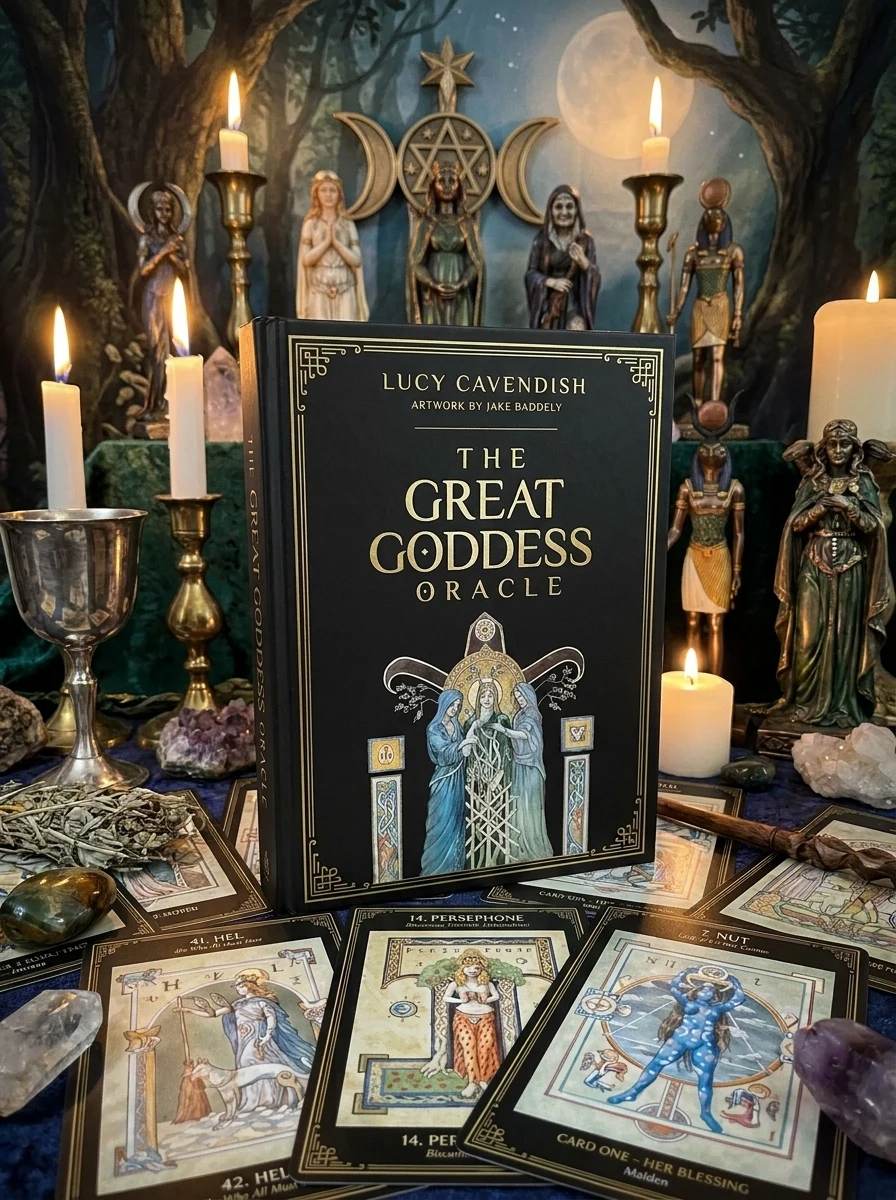
5. The Great Goddess Oracle — Lucy Cavendish and Jake Baddeley
This is the natural companion to a growing interest in goddess spirituality, but it is a different kind of experience from Blessed by the Goddess. It uses oracle work to explore the sacred feminine through archetypal energies and intuitive guidance.
I recommend placing it after the book because the two approaches complement each other: one gives you sustained spiritual reflection, while the other gives you a card-based way to engage with that subject. If you are already comfortable with oracle cards, there is no reason to wait; this can easily become your first Cavendish title.
6. Into the Lonely Woods Journal: A Journal of Blessings & Solitude — Lucy Cavendish and Dan May
This is the branch of Cavendish's work to choose when solitude, nature, and inward reflection matter more to you than formal spellcraft. It provides a dedicated space for exploring your inner world, connecting with nature's wisdom, and recording spiritual growth.
The journal format matters. Unlike a conventional reference book, it is meant to be used alongside your own reflection. It makes the most sense once you know that you want your Cavendish reading to include contemplative and nature-centered work rather than only card reading or spells.
Explore faery lore, magical history, and Tarot
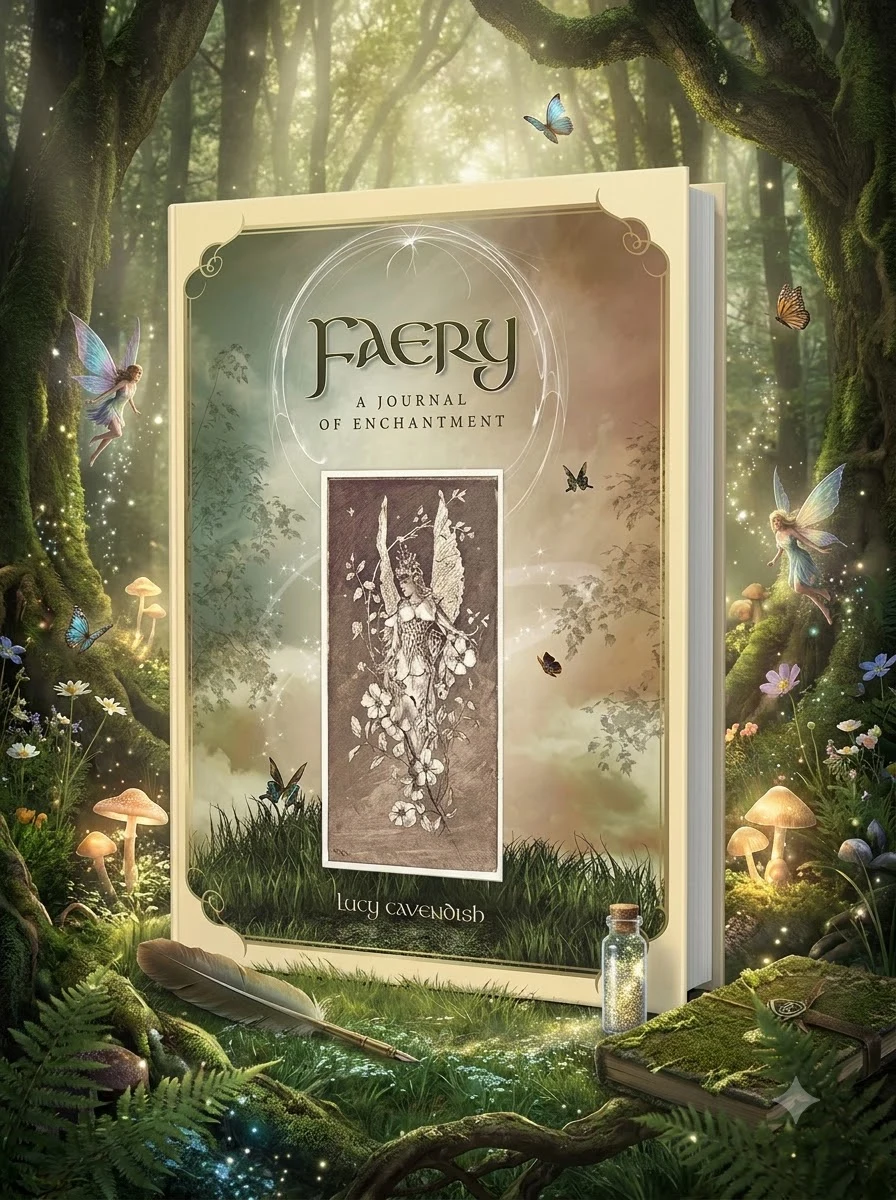
7. Faery Journal: A Journal of Enchantment — Lucy Cavendish
For readers whose interests turn toward faery spirituality and nature magic, Faery Journal is the obvious next branch. It is a guided journal for creative and spiritual exploration, with an emphasis on nature's magic and enchantment.
I would not make this the universal first Cavendish book because its appeal is quite specific. But if faery lore is already the reason you are looking at her work, ignore the general sequence and start here. The journal format also makes it a natural follow-on from the solitary reflection encouraged by Into the Lonely Woods Journal.
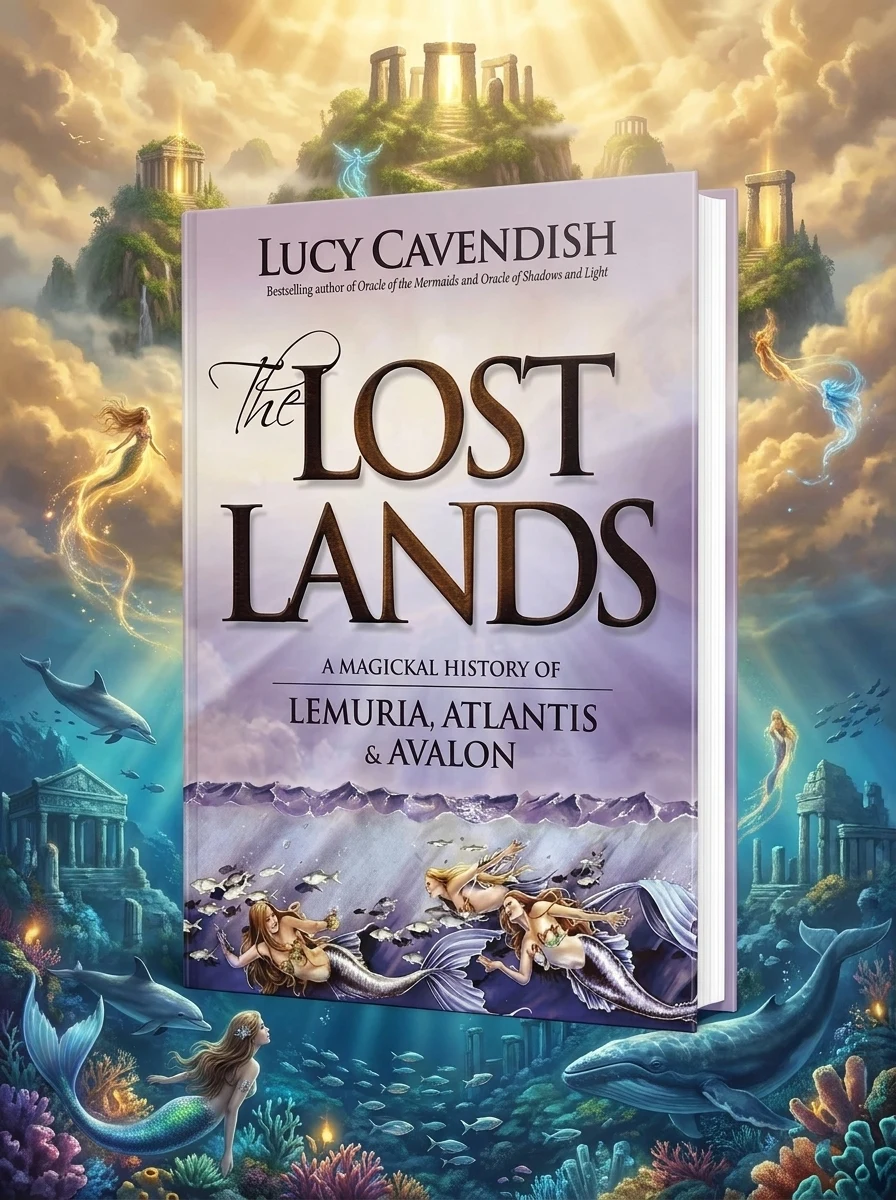
8. The Lost Lands: A Magickal History of Lemuria, Atlantis & Avalon — Lucy Cavendish
At this stage, move from personal practice into Cavendish's treatment of legendary and mystical history. The Lost Lands explores Lemuria, Atlantis, and Avalon from a magickal perspective, making it a better fit for readers interested in mythic spiritual history and esoteric ideas than for someone seeking a basic spell manual.
This is also a useful reminder that Cavendish's catalog is not one single curriculum. Her books can be read as different doors into a shared style of mystical exploration. You do not need to master the practical titles before reading this one, but readers who have already established their own interests may get more from its subject matter.
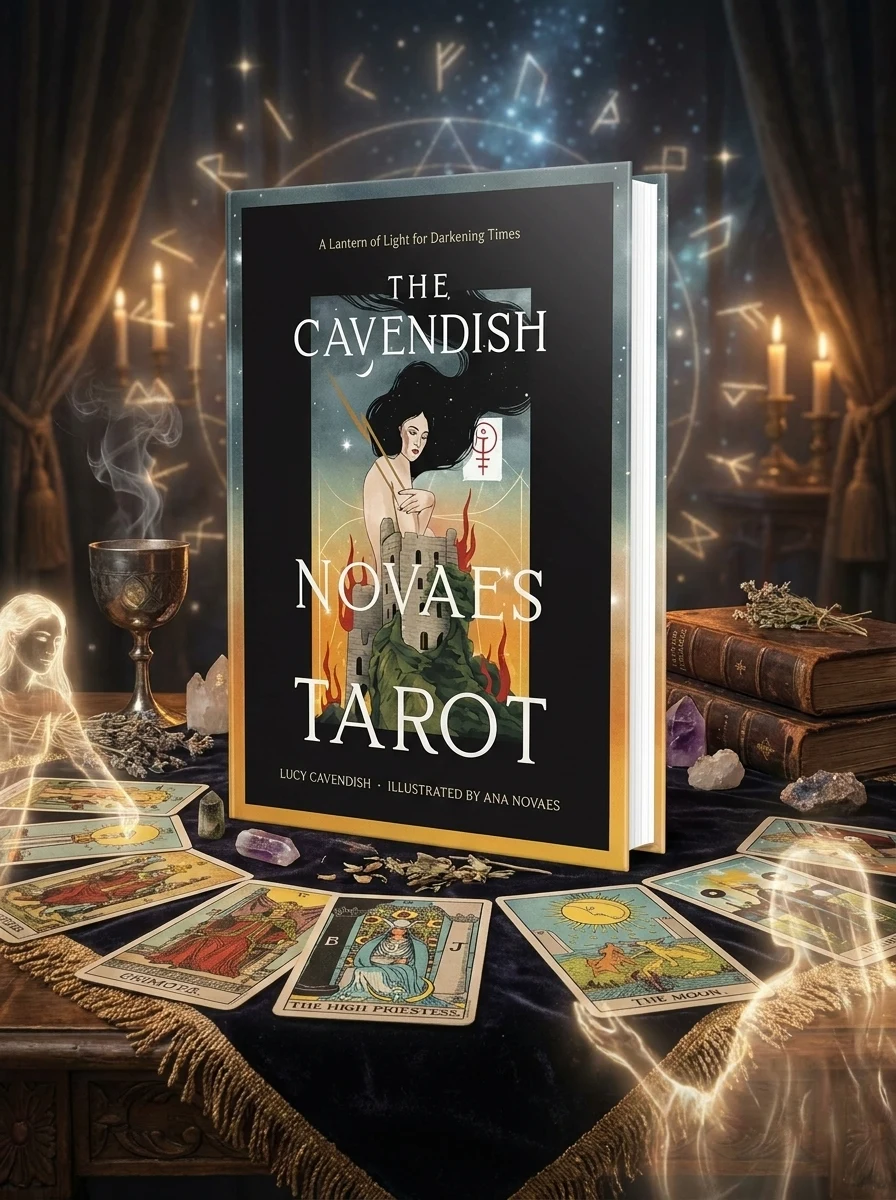
9. Cavendish-Novaes Tarot: A Lantern of Light for Darkening Times — Lucy Cavendish and Ana Novaes
Finish with this if Tarot is where your interests ultimately land. The deck is presented as a soulful conversation with ancient wisdom rather than simply a system for memorizing meanings, so it fits readers looking for an introspective and spiritually oriented Tarot experience.
I put it last not because it is less accessible, but because it is a specialized tool. If Tarot is your main reason for discovering Cavendish, start here instead and treat the earlier recommendations as optional branches. For everyone else, it makes a fitting final step because it brings together imagery, intuition, reflection, and divinatory practice in a single working tool.
How to choose your first Lucy Cavendish book
You do not actually need to read all nine in sequence. The best order depends on what you want Cavendish to help you do.
- For a broad introduction to divination: start with Oracle. It is the clearest general starting point in this catalog.
- For practical witchcraft: begin with Magickal Spellcards, then use Book of Shadows & Light to document your work.
- For goddess spirituality: choose Blessed by the Goddess first, followed by The Great Goddess Oracle if you want to bring cards into that practice.
- For solitude and nature: start with Into the Lonely Woods Journal.
- For faery spirituality: go directly to Faery Journal.
- For mystical history and legendary lands: choose The Lost Lands.
- For Tarot: begin with Cavendish-Novaes Tarot rather than forcing yourself through books on subjects you do not need.
One practical consideration is format. Several of Cavendish's most useful works here are journals, card decks, or card-and-guidebook sets rather than conventional books. That is not a drawback, but it does mean you should decide whether you want to study, practice, or work with a tool. The catalog also gives you ways to keep the initial commitment modest: several of the available titles are under $25, while the more substantial deck and oracle formats run higher.
The simplest recommendation remains this: start with Oracle for the broadest foundation, Magickal Spellcards for practical magic, or Blessed by the Goddess for sacred feminine spirituality. From there, follow the subject that genuinely holds your attention. Cavendish's work is better approached as a set of connected paths than as a single course that every reader must complete in exactly the same order.