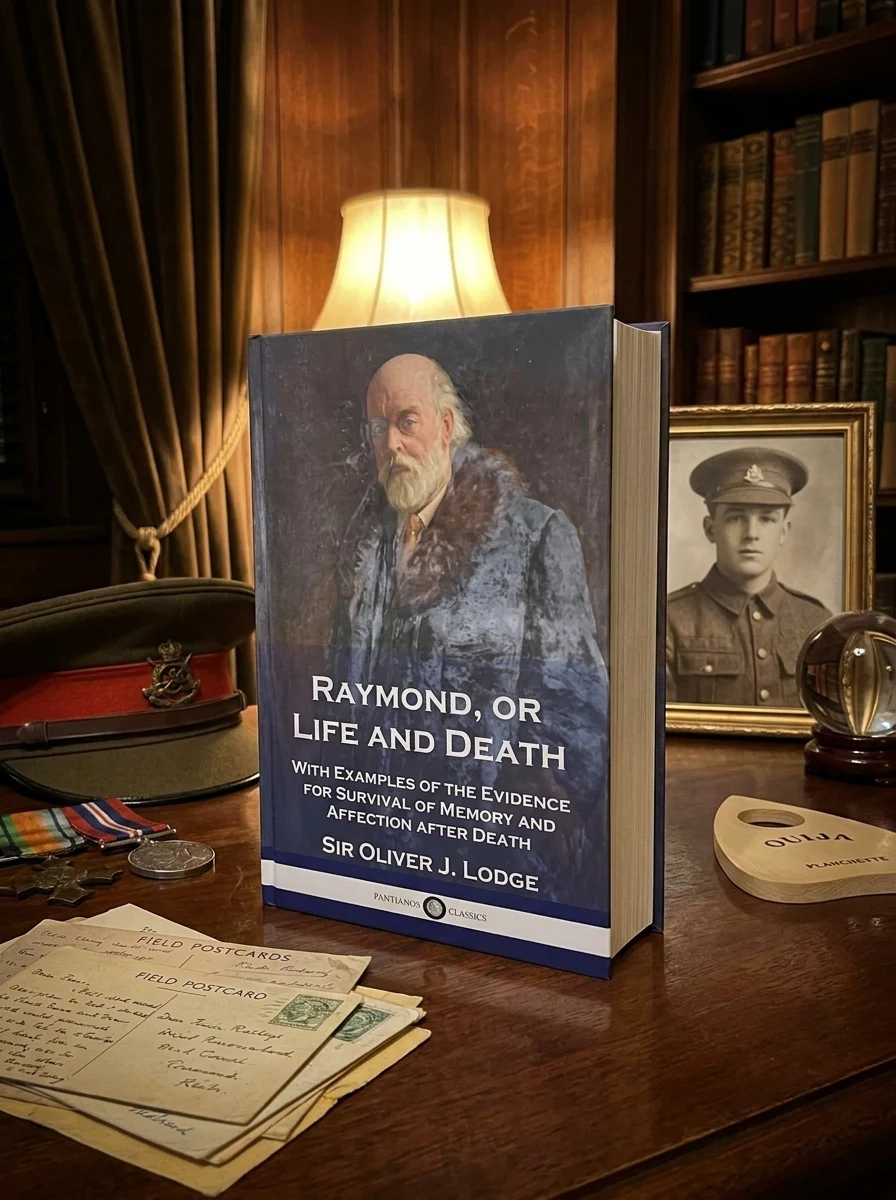
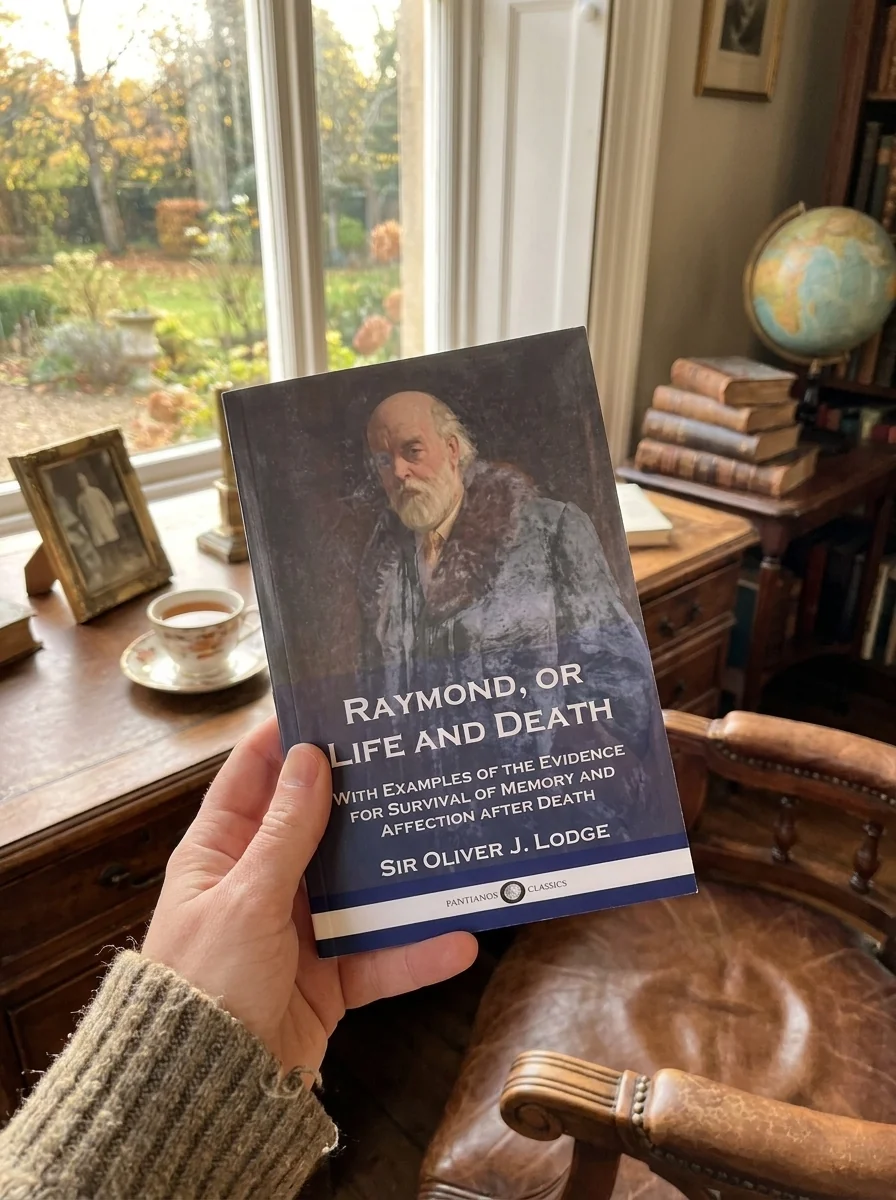
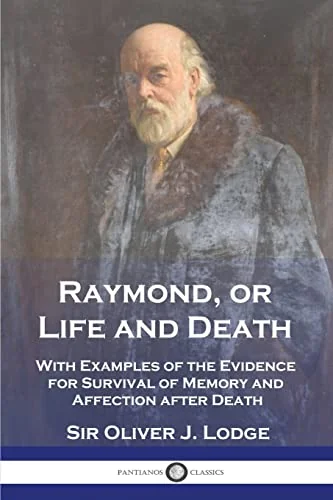
Raymond, or Life and Death: With Examples of the Evidence for Survival of Memory and Affection after Death
Sir Oliver Lodge, a distinguished English physicist, grapples with the profound loss of his son, Raymond, who perished on the Western Front during World War I. Already deeply immersed in spiritualist thought, Lodge and his wife embark on a poignant journey to communicate with Raymond from the afterlife. This compelling work is structured in three distinct sections: first, a moving biographical portrait of Raymond; second, detailed accounts of the spiritualist séances where alleged communications occurred; and finally, Lodge's essays reflecting on life, death, and the persistence of consciousness. It's a testament to enduring love and the search for solace.


📝 Description: Raymond, or Life and Death: With Examples of the Evidence for Survival of Memory and Affection after Death
💎 Expert review
📖 Why choose it
Why this book is worth reading
Readers grappling with profound loss or those curious about the historical intersection of science and spirituality will find deep resonance here. Sir Oliver Lodge offers a poignant blend of personal biography and spiritualist practice, providing a rare glimpse into how a distinguished physicist processed the tragic death of his son. The book serves as a testament to enduring parental love and the human desire for connection beyond death. It is ideal for those who appreciate candid accounts of grief, historical spiritualism, and the philosophical question of whether consciousness persists after physical demise. Lodge’s gentle yet earnest approach makes this a comforting, albeit speculative, companion for anyone seeking solace or understanding in the face of mortality.
⭐ Reader reviews
Reader rating
While emotionally powerful, this text demands acceptance of spiritualist premises that may alienate skeptical readers. It is not suited for those seeking hard scientific proof or detached academic analysis; rather, it is a deeply personal narrative rooted in faith and grief. Readers expecting rigorous empirical data will likely find the mediumship accounts lacking. However, for those open to metaphysical exploration, Lodge’s sincere voice and structured presentation of séances offer valuable insight into early twentieth-century spiritualism. The biographical section adds necessary emotional weight, but the philosophical essays may feel repetitive to some. It remains a significant historical document of its time.
❓ Frequently asked questions
📖 Who should read this
If you are drawn to the intersections of science, spirituality, and personal tragedy, or are curious about the origins of modern spiritualism, this book offers a profound and deeply personal exploration. It's an essential read for anyone contemplating the nature of consciousness and life after death.
🎯 Key themes and symbolism
Grief & Enduring Love
The book serves as a powerful testament to parental sorrow and the profound human need to connect with loved ones lost. Lodge's personal tragedy forms the emotional core, driving his relentless pursuit of evidence for an afterlife, showcasing how love can transcend the boundaries of physical existence and inspire extraordinary quests for understanding.
Spiritualism & Afterlife
This volume offers a firsthand look into early 20th-century spiritualist practices, specifically the use of mediums and séances to communicate with the deceased. Lodge, a scientist, meticulously documents the alleged contacts with his son, presenting them as compelling 'evidence' for survival of consciousness, challenging conventional scientific paradigms of the time.
WWI's Unseen Toll
Beyond the personal narrative, the book subtly highlights the devastating impact of World War I, not just on individual lives but on societal psyche and spiritual beliefs. Raymond's death is a poignant example of the generation lost, and the widespread grief fueled a surge in spiritualist interest as people sought comfort and meaning amidst unprecedented loss.
📜 Historical context
📚 Glossary
- Spiritualism
- Séance
- Mediumship
📔 Questions to reflect on
- How does Lodge's scientific background influence his approach to spiritualism, and how might your own background shape your beliefs about life after death?
- Consider the role of grief in driving human curiosity and exploration. In what ways does profound loss lead to new forms of understanding or belief?
- If you were to seek evidence for an afterlife, what kind of proof would you find most compelling, and why?