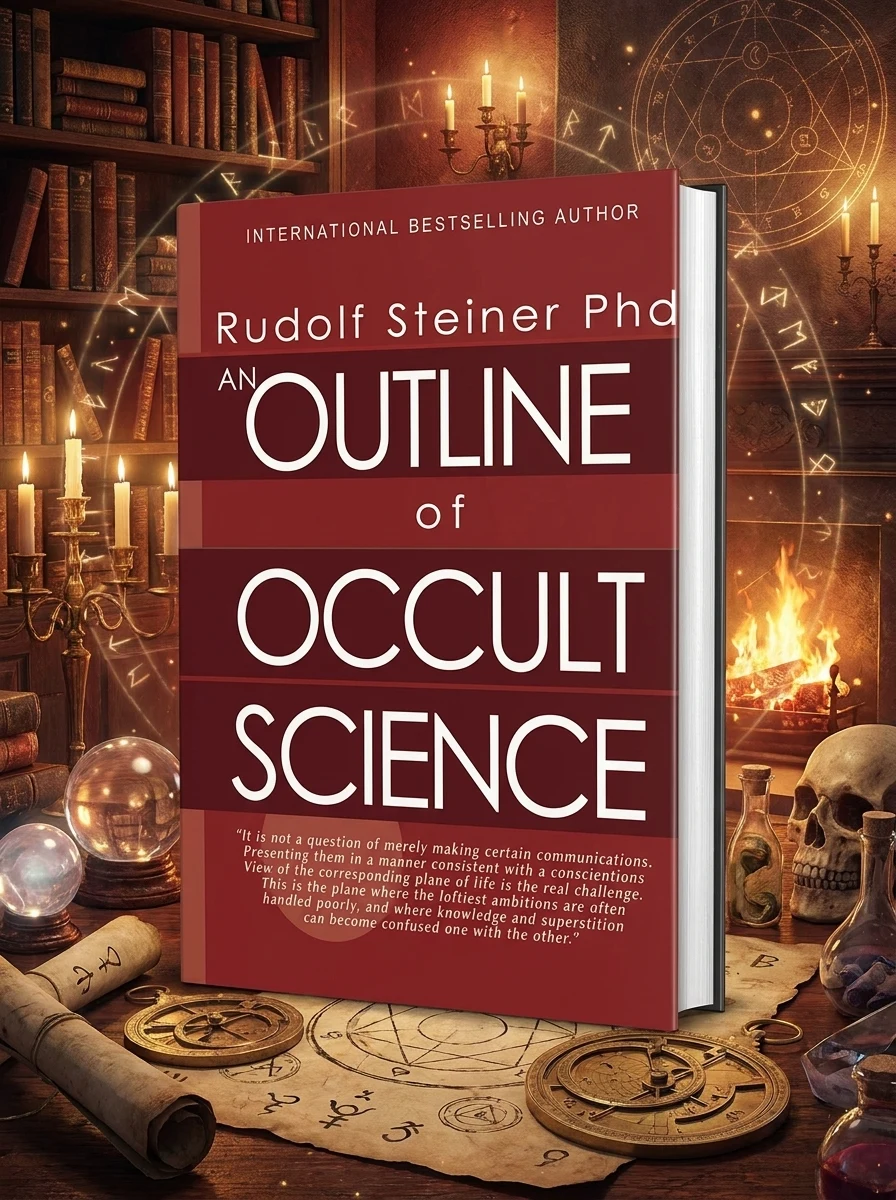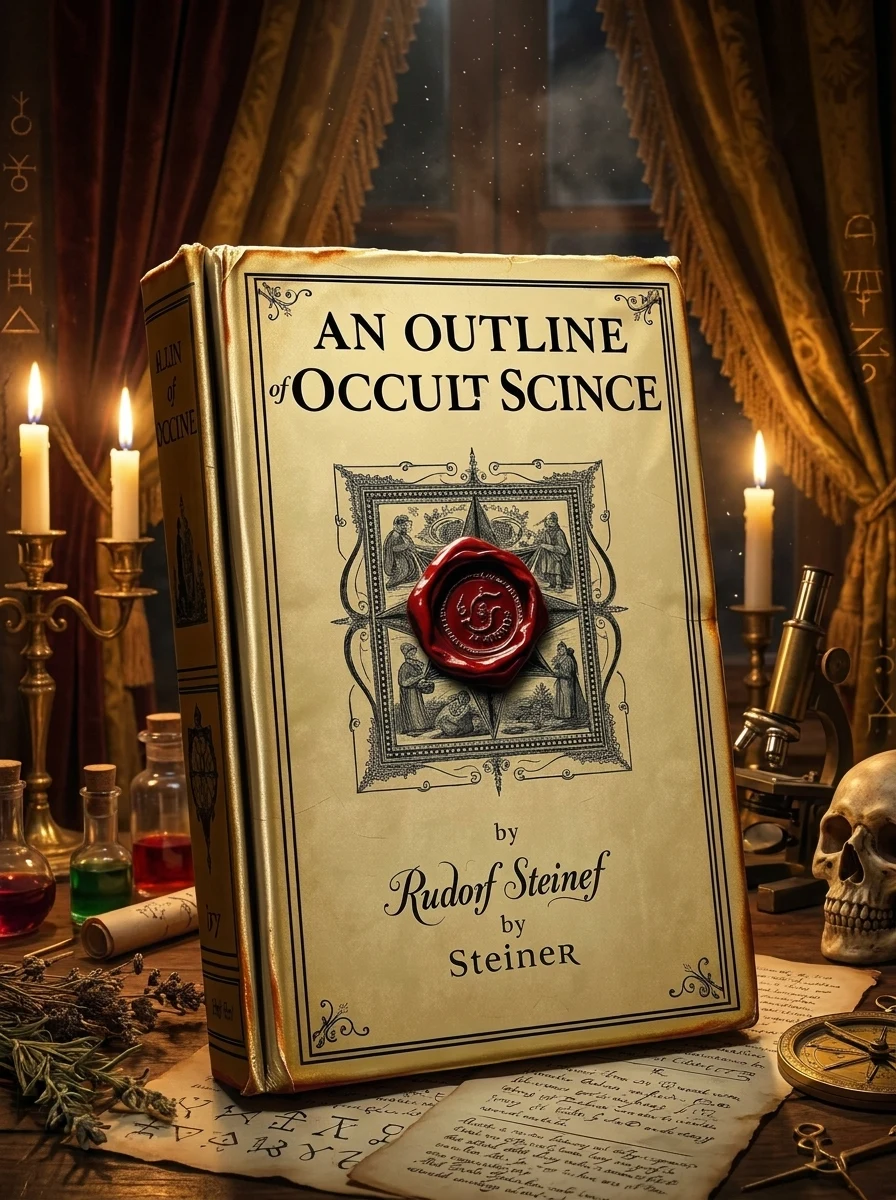
An Outline of Occult Science
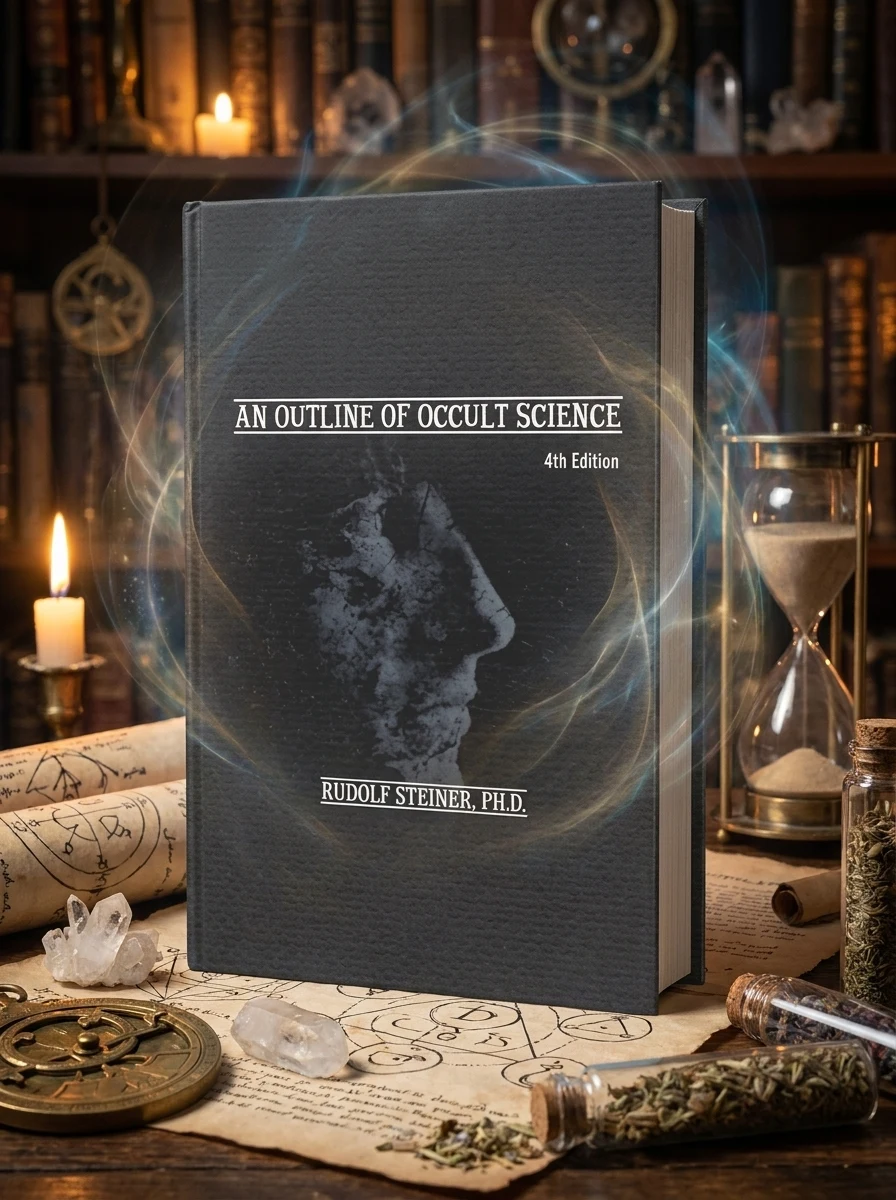
✍️ Steiner, RudolfRudolf Steiner's seminal 1910 work boldly attempts to systematically explore the hidden dimensions of reality. Far from dismissing the unseen as mere superstition, Steiner proposes a rigorous framework, arguing that even the most enigmatic "occult" phenomena can be understood through a scientific approach. He meticulously outlines the dual nature of existence, encompassing both the tangible natural world and an underlying spiritual realm. Central to his inquiry is humanity's unique position, demonstrating how our physical embodiment serves as a vital link between these seemingly disparate domains, offering profound insights into our true nature and potential.


📝 Description: An Outline of Occult Science
💎 Expert review
📖 Why choose it
Why this book is worth reading
Readers seeking a rigorous intellectual foundation for their spiritual interests will find immense value in this text. It appeals to those who feel constrained by purely materialist worldviews yet remain skeptical of unstructured mysticism. By proposing that hidden realities can be accessed through disciplined, scientific inquiry, Steiner offers a map for personal transformation. This book is ideal for seekers wishing to understand their dual nature as both physical and spiritual beings. It provides clear insights into the potential of human consciousness, guiding the reader to view their embodiment not as a limitation but as a crucial bridge between the tangible world and the unseen spiritual domains that define our true existence.
⭐ Reader reviews
Reader rating
Steiner’s work is a bold, systematic exploration of hidden realities, yet it demands patience from its audience. It does not suit readers seeking quick mystical fixes or those who prefer intuitive, unstructured spiritual practices over logical deduction. Those with rigid materialist biases may find the premise fundamentally inaccessible, as it requires accepting that science and spirit are not mutually exclusive but complementary. The text is dense, requiring careful attention to its argument that the unseen can be understood through a specific framework. It is best approached by those already sympathetic to anthroposophical thought or those willing to engage with complex philosophical arguments about the nature of reality and human consciousness.
❓ Frequently asked questions
📖 Who should read this
If you're a seeker who finds the divide between science and spirituality unnecessarily restrictive, or if you're intrigued by a systematic approach to esoteric knowledge, this foundational text offers a compelling and intellectually rigorous pathway to understanding the unseen forces that shape our world.
🎯 Key themes and symbolism
Scientific Occult Exploration
Steiner provocatively suggests that mystical experiences and unseen forces are not beyond rational inquiry. He endeavors to establish a methodical, almost scientific, approach to understanding the occult, seeking to define and categorize its diverse manifestations rather than relegating them to the realm of inexplicable mystery, inviting a new intellectual rigor into esoteric studies.
Intertwined Realms of Existence
The book meticulously dissects reality into two fundamental layers: the observable, material world and a profound, unseen spiritual dimension. Steiner posits that inexplicable phenomena stem from this spiritual plane, urging readers to perceive reality not as singular, but as a complex interplay between the tangible and the ethereal, shaping our comprehensive understanding of being.
Human Bridge to Spirit
Steiner places humanity at the crux of his cosmic understanding. He elaborates on how our physical form is not merely a biological vessel, but a crucial interface, uniquely capable of traversing and integrating the experiences of both the earthly and spiritual realms, thereby revealing our profound significance in the universal scheme and our potential for growth.
📜 Historical context
📚 Glossary
- Occult
- Anthroposophy
- Spiritual World
📔 Questions to reflect on
- How might a truly "scientific" approach to the spiritual alter contemporary perceptions of reality and human potential?
- If you accept Steiner's premise of a natural and a spiritual world, how does this change your understanding of everyday occurrences or personal experiences?
- In what ways do you personally experience a "bridge" between your physical existence and any perceived spiritual or unseen dimensions?