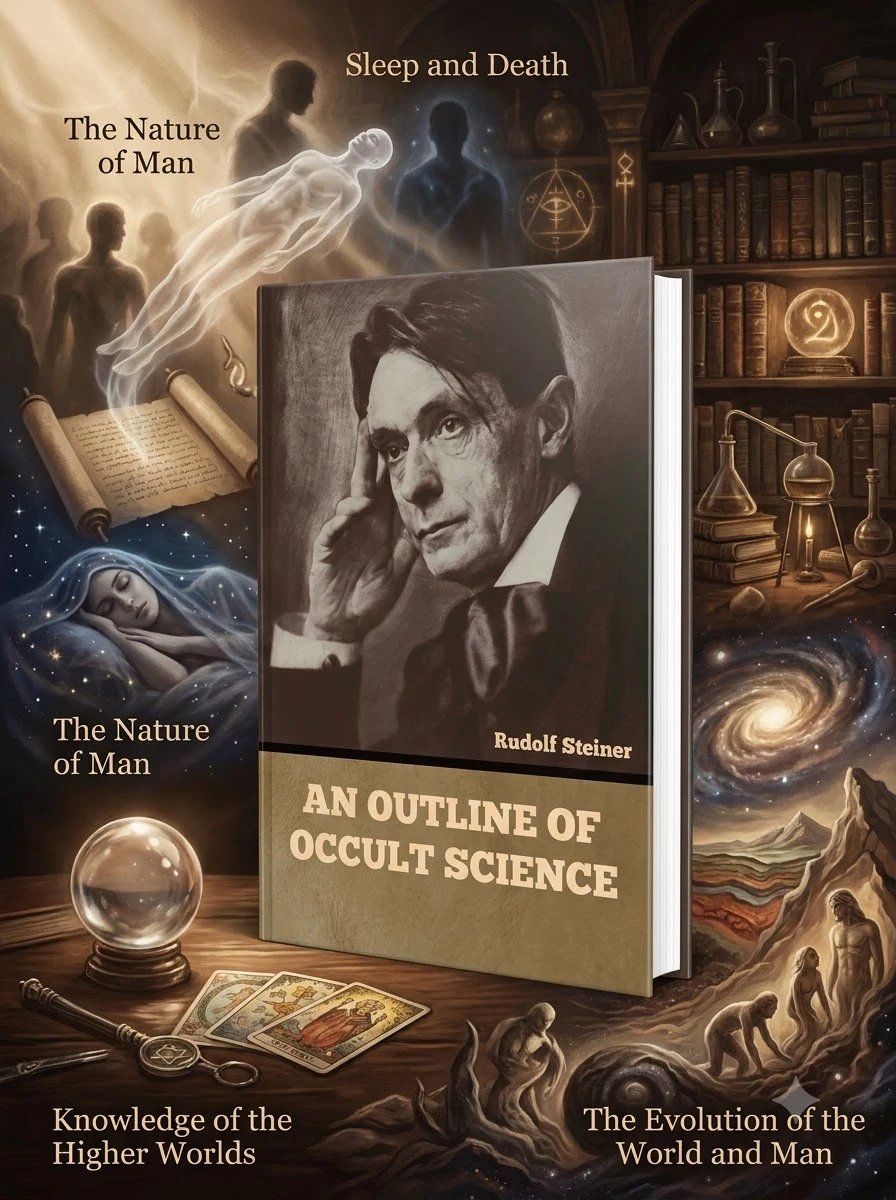
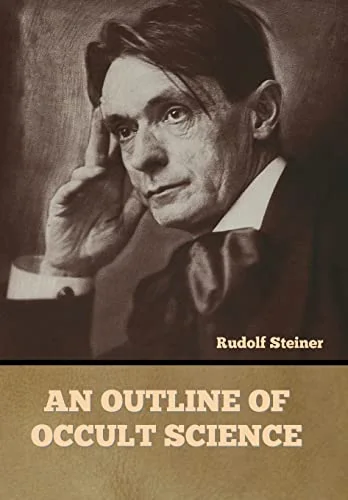
An Outline of Occult Science
✍️ Steiner, RudolfRudolf Steiner's foundational text offers a meticulously structured exploration of spiritual science, revealing the hidden laws governing both the cosmos and human consciousness. It delves into the multi-layered constitution of humankind, the cyclical rhythms of life, sleep, and death, and the grand evolutionary path of our world. Readers are guided through the disciplined process of developing higher faculties to perceive spiritual realities directly. This work serves as an essential primer for anyone seeking a systematic, intellectual framework for understanding esoteric wisdom and the profound interconnectedness of all things.


📝 Description: An Outline of Occult Science
💎 Expert review
📖 Why choose it
Why this book is worth reading
This book is essential for the serious seeker who craves intellectual rigor alongside spiritual depth. Readers who feel that standard occult texts lack structural clarity will find immense value in Steiner’s meticulous framework. It offers a systematic, intellectual approach to esoteric wisdom, making complex concepts of consciousness and cosmic evolution accessible to those willing to engage with disciplined study. If you are looking for a profound guide to the interconnectedness of all things and wish to understand the hidden laws governing existence, this work provides the necessary blueprint. It is ideal for those ready to develop higher faculties and perceive spiritual realities directly through a structured, logical path rather than vague mysticism.
⭐ Reader reviews
Reader rating
Steiner’s work is a monumental achievement in spiritual science, offering a coherent map of the cosmos and human development. However, it demands significant mental effort and may alienate readers seeking quick mystical insights or emotional comfort. It does not suit those preferring intuitive or poetic approaches to the occult, as the tone is strictly analytical and systematic. The text requires patience and a willingness to engage with dense philosophical arguments regarding consciousness and evolution. While its intellectual framework is robust, readers expecting narrative flair or practical magical techniques will likely find it dry and overly theoretical. It is best appreciated by those who view spirituality as a disciplined science.
❓ Frequently asked questions
📖 Who should read this
If you're a serious student of esotericism seeking a structured, intellectual approach to spiritual truths, this book is for you. It's ideal for those ready to delve into complex concepts about consciousness and cosmic evolution, offering a robust foundation for further occult study.
🎯 Key themes and symbolism
The Spiritual Nature of Humanity
Steiner dissects the multifaceted layers of human existence, moving beyond the physical to explore the etheric, astral, and ego bodies. He illustrates how these invisible components interact and evolve, forming the basis for our spiritual development and connection to the larger cosmos.
Cosmic and Human Evolution
This section delves into the vast sweep of cosmic history, tracing the development of the Earth and humanity through various states and epochs. Steiner presents a unique perspective on how spiritual forces guide this evolution, shaping consciousness and material forms across eons.
Paths to Higher Knowledge
Steiner outlines practical and theoretical approaches to developing supersensible perception. He emphasizes rigorous inner discipline and methodical exercises to awaken latent spiritual capacities, enabling individuals to directly experience the spiritual worlds he describes.
📜 Historical context
📚 Glossary
- Etheric Body
- Astral Body
- Anthroposophy
📔 Questions to reflect on
- Reflect on your own understanding of "mind, body, spirit." How might Steiner's multi-layered view of human nature challenge or expand your current perspective?
- If humanity's evolution is a spiritual journey, what personal responsibilities or opportunities does this perspective suggest for your own development?
- Consider the concept of "higher worlds." What kind of inner work or transformation do you believe would be necessary to perceive them, and what might be the ethical implications of such perception?