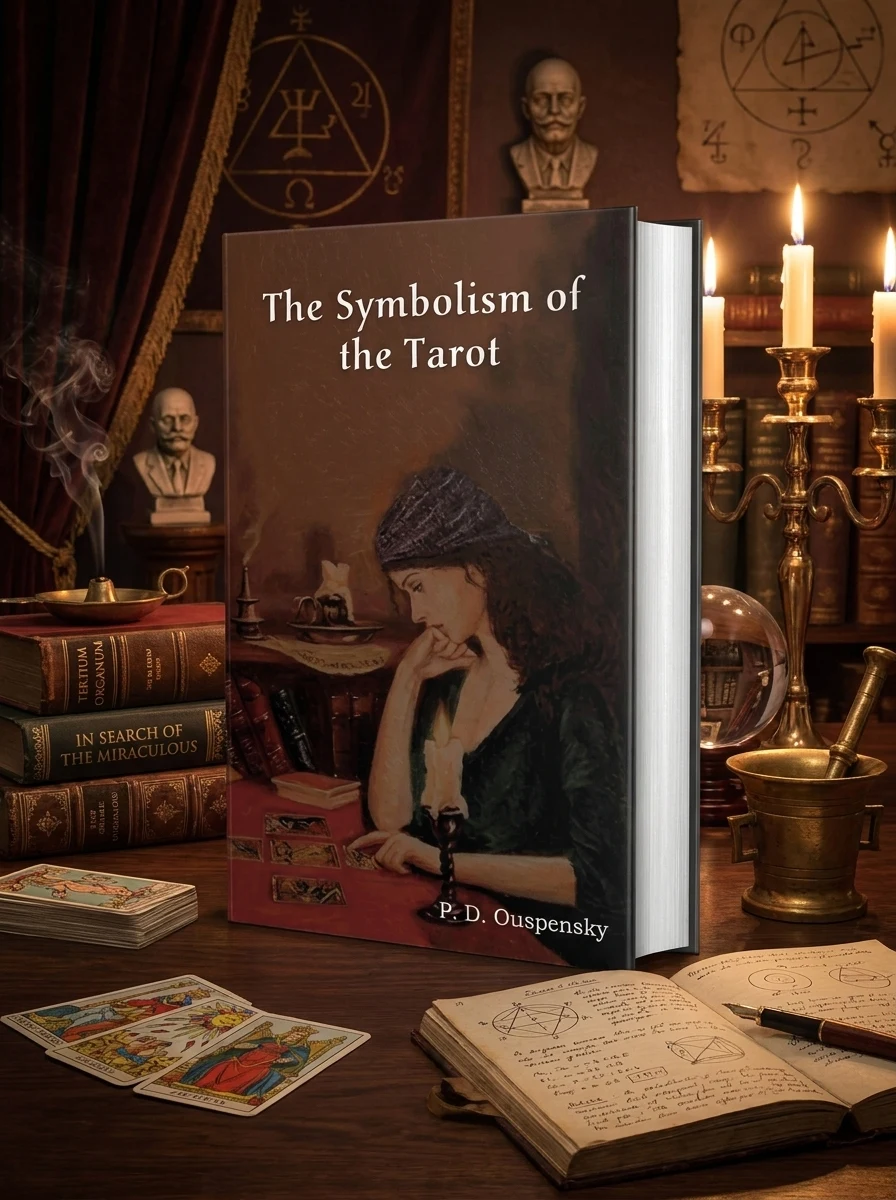
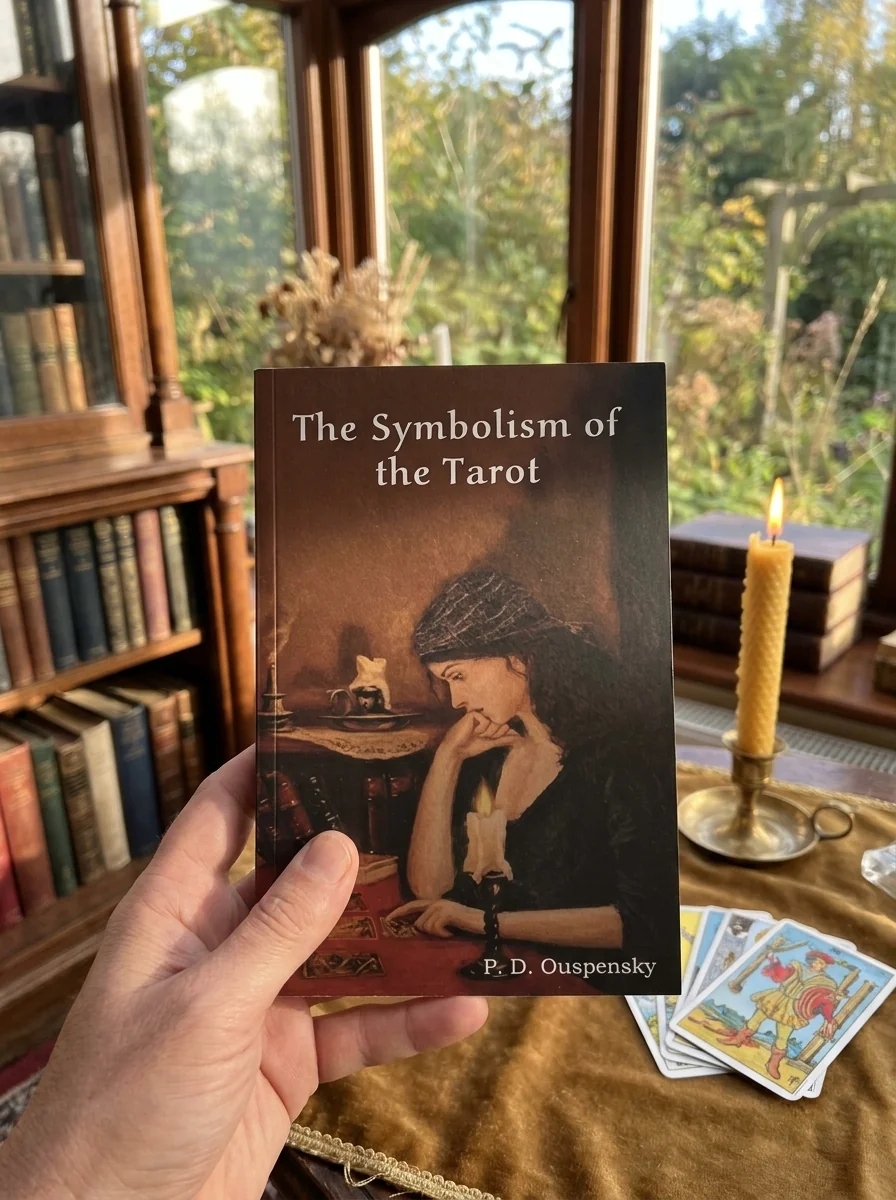
The Symbolism of the Tarot
✍️ Ouspensky, P DP.D. Ouspensky invites readers on an intellectual journey, revealing the Tarot not merely as a divinatory tool, but as a sophisticated symbolic language for universal truths. This concise work delves into the Major Arcana, exploring how each card embodies fundamental philosophical principles and esoteric wisdom. Ouspensky’s unique perspective transcends conventional interpretations, positioning the Tarot as a complete system of knowledge, a key to understanding the cosmos and the human psyche. It's an essential text for those seeking to unlock the deeper, mystical dimensions hidden within these ancient archetypes.


📝 Description: The Symbolism of the Tarot
💎 Expert review
📖 Why choose it
Why this book is worth reading
Readers who feel that standard tarot readings lack intellectual depth will find profound satisfaction here. Ouspensky offers a sophisticated key to unlocking the cosmos and the human psyche through ancient archetypes. If you seek to understand the Tarot as a complete system of knowledge rather than a simple fortune-telling tool, this book is essential. It appeals to those craving philosophical underpinnings and esoteric wisdom hidden within symbolic language. You will gain a clearer view of universal truths by exploring how each card embodies fundamental principles. This text transforms the deck from a game into a rigorous map of spiritual development and cosmic order.
⭐ Reader reviews
Reader rating
Ouspensky presents a compelling, albeit dense, argument for the Tarot as a philosophical system rather than a divinatory aid. The text is intellectually stimulating, offering a unique perspective that transcends conventional interpretations by positioning the cards as keys to universal truths. However, this approach may not suit readers seeking practical guidance on future prediction or simple entertainment. Those looking for easy-to-digest fortune-telling advice will likely find the focus on metaphysical principles and symbolic language too abstract. It is best suited for serious students of esoteric philosophy who appreciate rigorous analysis over mystical intuition alone.
❓ Frequently asked questions
📖 Who should read this
For the serious student of esoteric philosophy, mysticism, or anyone yearning to understand the profound symbolic architecture beneath the Tarot's surface. If you seek intellectual depth and spiritual insight beyond basic card meanings, this book offers an illuminating perspective.
🎯 Key themes and symbolism
Tarot as Philosophy
Ouspensky recontextualizes the Tarot beyond its popular image, presenting it as a coherent philosophical framework. He argues that the Major Arcana cards are not random images but represent universal laws and principles, offering a structured path to comprehending existence and our place within it, rather than just predicting future events.
Esoteric Symbolism Unveiled
This work meticulously dissects the rich symbolic tapestry of the Tarot. Ouspensky guides the reader to perceive the deeper, hidden meanings embedded in each image and number. It's an exploration into the language of the unconscious and the collective, revealing how symbols can communicate truths that transcend ordinary language and logic.
Mystical Self-Discovery
Through the lens of the Tarot, Ouspensky encourages a journey inward. The book suggests that by understanding the archetypal forces represented by the cards, individuals can gain profound insights into their own spiritual development and the evolution of consciousness. It serves as a mystical guide for introspection and personal enlightenment.
📜 Historical context
📚 Glossary
- Esotericism
- Symbolism
- Mysticism
📔 Questions to reflect on
- Consider a symbol you encounter daily. What deeper, unspoken meanings might it hold that you've previously overlooked?
- How might approaching life's challenges through the lens of archetypal symbols offer new perspectives or solutions?
- Reflect on how a seemingly simple image or concept could represent a complex philosophical idea. Where else do you see this in your life or studies?