US shipping Secure card payment Thousands of titles
👤 Sign in

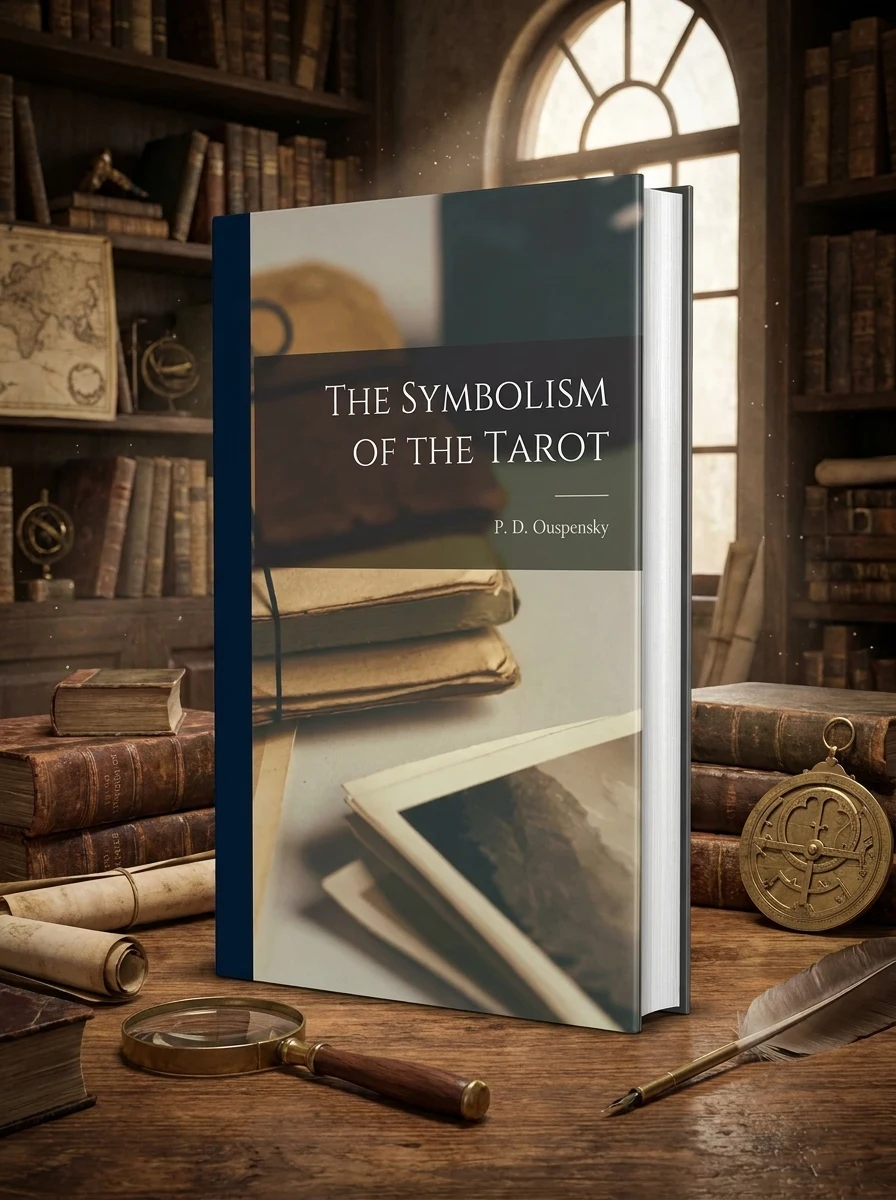
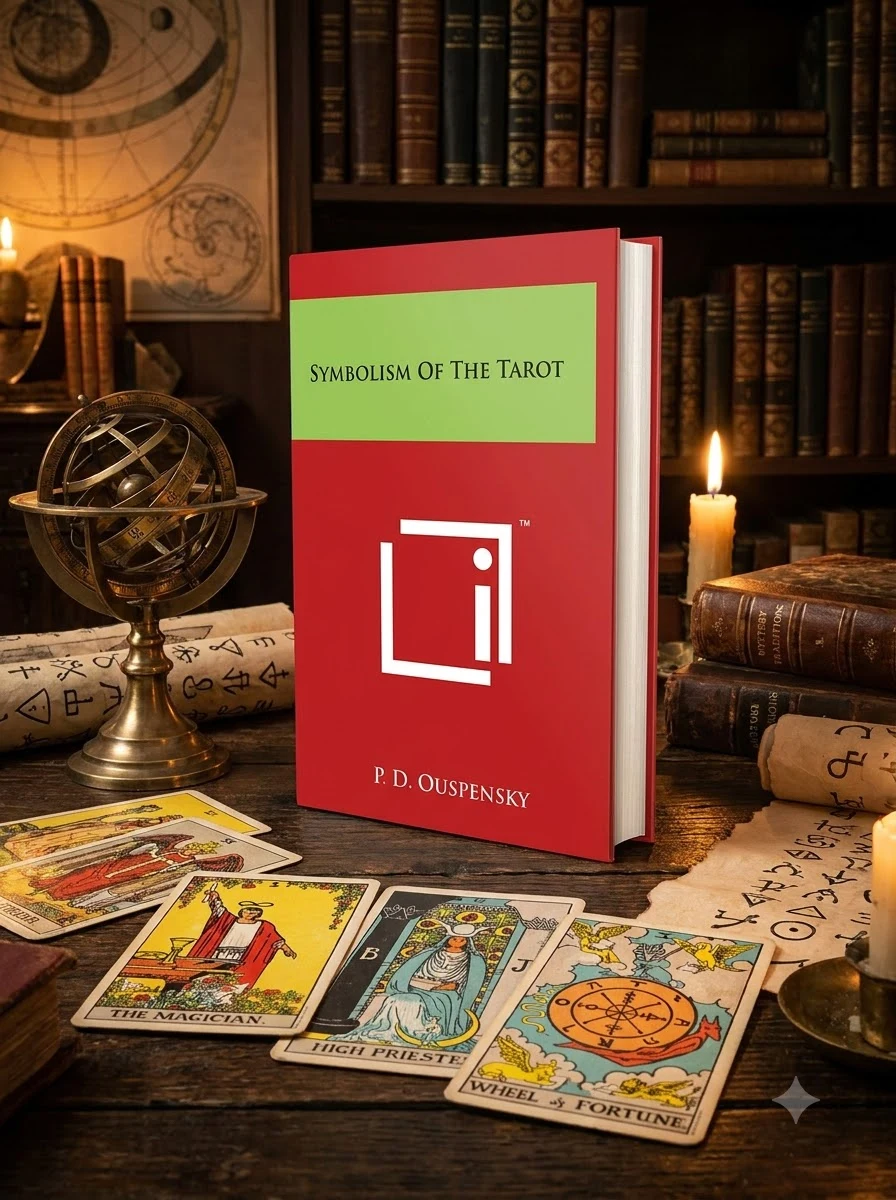
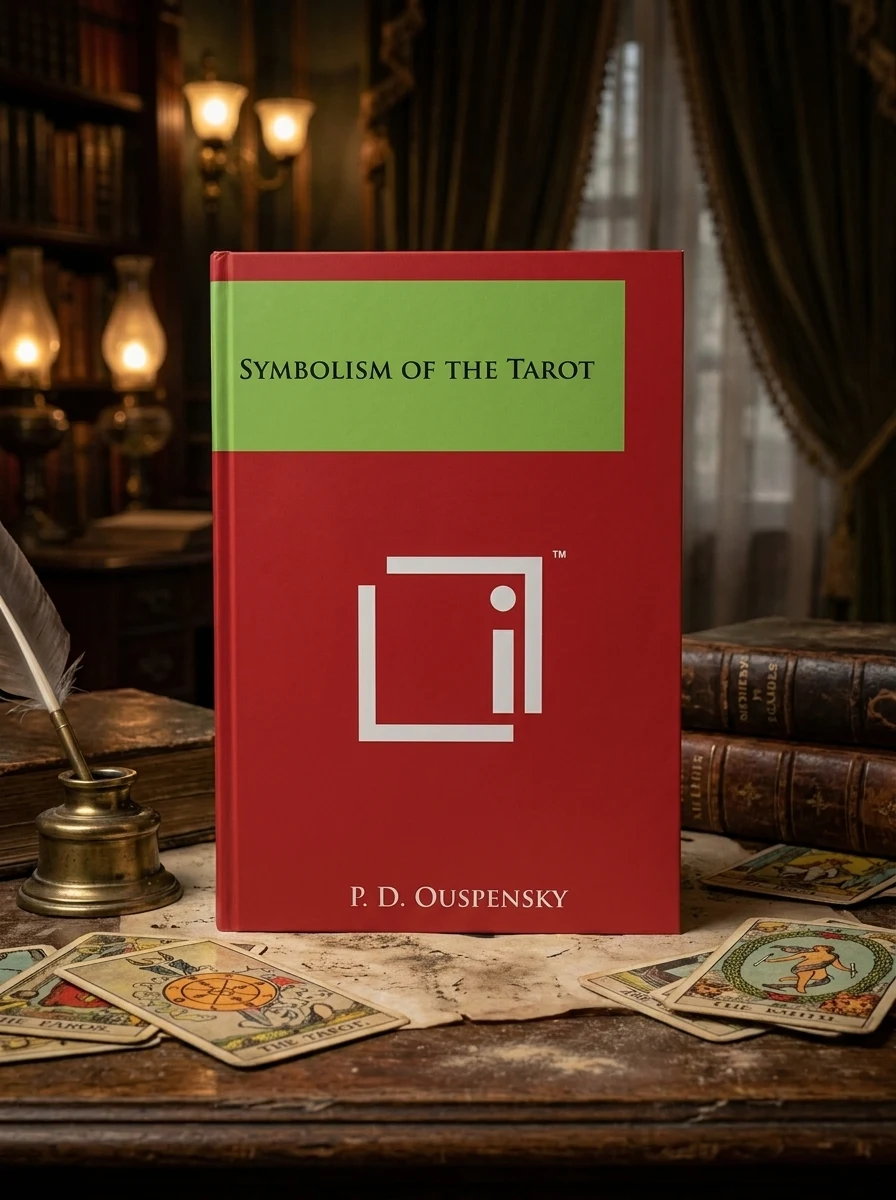
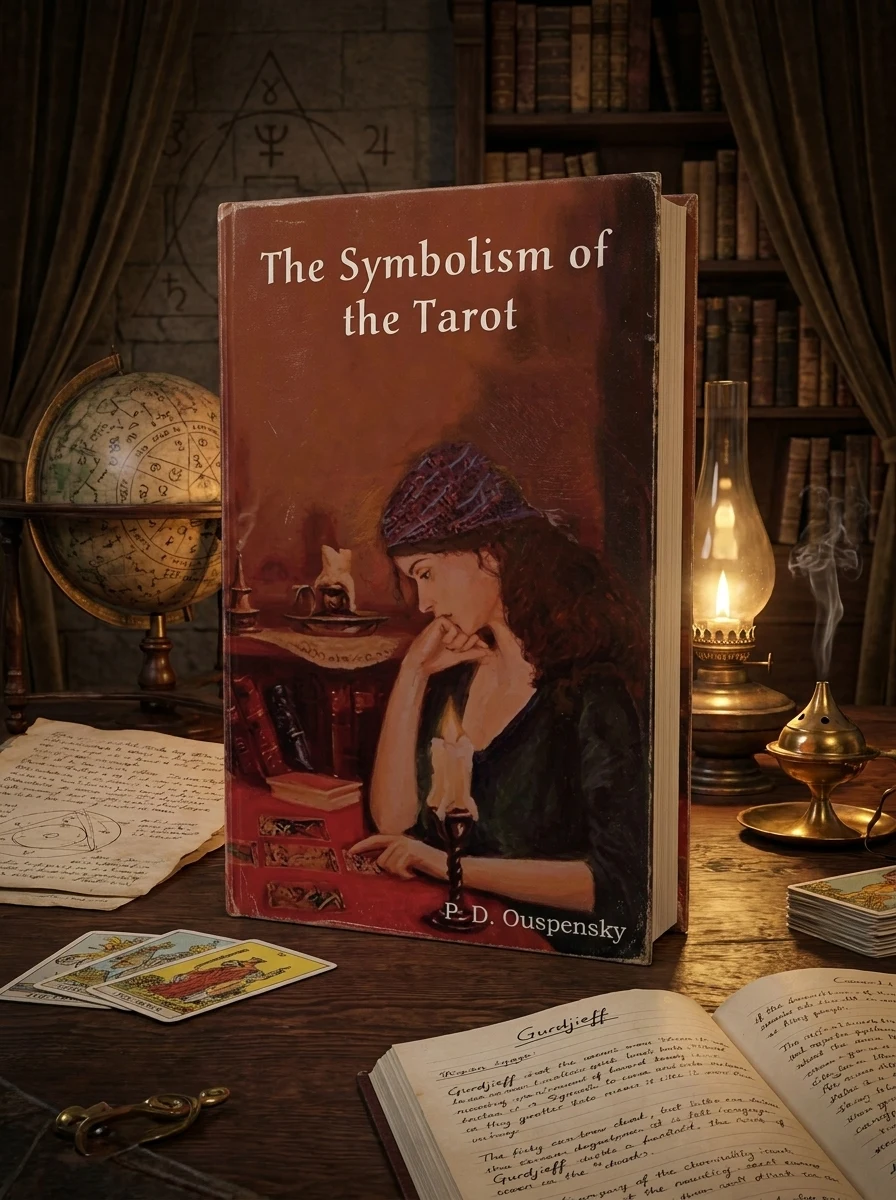
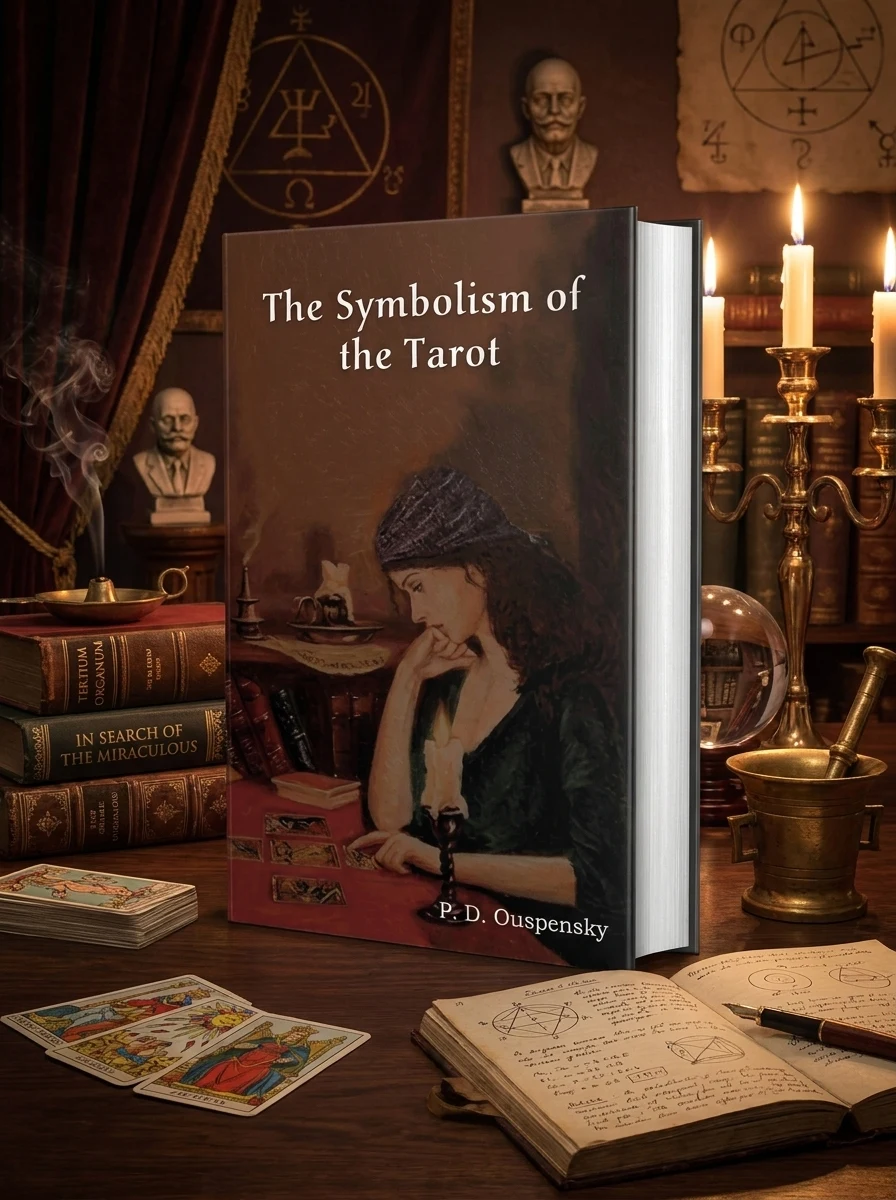
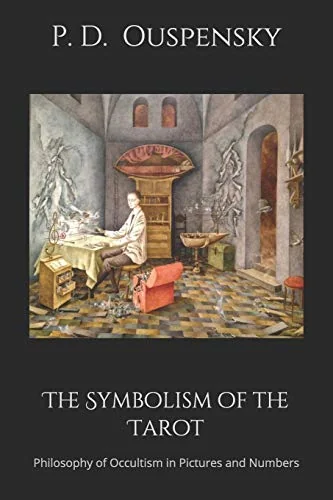
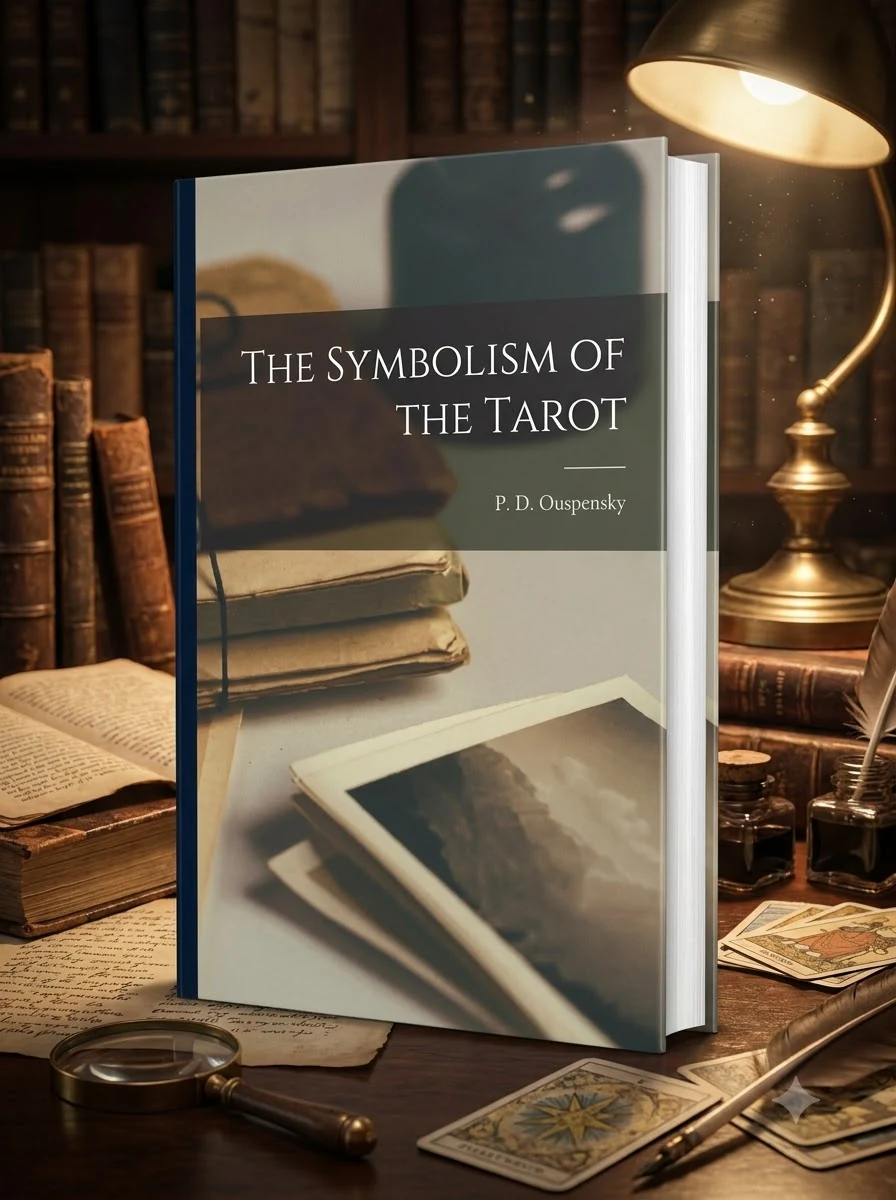
The Symbolism of the Tarot: Philosophy of Occultism in Pictures and Numbers

✍️ Ouspensky, P D
15 $
📚 ABOUT THE BOOK

Unveil the Tarot's true nature: a profound philosophical system, not mere fortune-telling cards.

Ouspensky's groundbreaking work transcends the popular perception of Tarot as a simple deck of cards for divination. Instead, he meticulously unveils it as a sophisticated system of philosophical and occult principles expressed through imagery and numerical patterns. This text offers a unique metaphysical interpretation, systematically dismantling simplistic historical narratives to reveal the Tarot's profound structure, which he illustrates through geometric relationships mapping cosmic truths. It's an essential read for anyone seeking the deeper, esoteric layers of this ancient wisdom tradition.


Key themes
{'title': 'Tarot as Philosophy', 'body': 'Ouspensky posits the Tarot not as a divinatory tool, but as a pictorial and numerical compendium of profound philosophical ideas. He argues it encapsulates a systematic worldview, challenging readers to look beyond superficial interpretations and engage with its deeper, esoteric truths.'} {'title': 'Esoteric Structure Unveiled', 'body': "Ouspensky meticulously dissects the Tarot's architecture into its three distinct divisions: the 21 numbered cards, the zero card, and the 56 minor arcana. He reveals their profound interconnectedness, proposing a geometric model—a triangle, central point, and encircling square—to illustrate cosmic relationships and the underlying metaphysical order inherent in the deck's arrangement."} {'title': 'Debunking Origins', 'body': 'This work directly confronts and refutes popular, often simplistic, notions regarding the Tarot\'s historical genesis. Ouspensky argues against the idea of its creation by "illiterate gypsies," asserting that the depth and complexity of its symbolism point to a much more sophisticated and ancient intellectual lineage.'}
🏛 Independently Published 📅 2019 📖 68 pages 📔 Paperback 📐 Paperback ISBN: 9781090321794
In stock — ready to ship
Fun fact
Ouspensky's "The Symbolism of the Tarot" is a foundational text for advanced esoteric students, offering a rigorous philosophical framework for the deck's profound structure. It excels in elevating Tarot beyond mere divination to a complex system of cosmic truths. Those seeking practical card-reading techniques will be disappointed. This work remains a cornerstone in the intellectual study of Tarot, deeply influencing metaphysical interpretations.

📝 Description: The Symbolism of the Tarot: Philosophy of Occultism in Pictures and Numbers

The Symbolism of the Tarot - P. D. Ouspensky -- [Real Color Illustrated Edition] - Artemis Press 2019. Although represented as a pack of cards, the Tarot really is something quite different. It can be "read" in a variety of ways. As one instance, I shall give a metaphysical interpretation of the general meaning or of the general content of the book of Tarot, that is to say, its metaphysical title, which will plainly show that this work could not have been invented by illiterate gypsies of the fourteenth century. The Tarot falls into three divisions: The first part has twenty-one numbered cards; the second part has one card 0; the third part has fifty-six cards, i. e., the four suits of fourteen cards. Moreover, the second part appears to be a link between the first and third parts, since all the fifty-six cards of the third part together are equal to the card 0. Now, if we imagine twenty-one cards disposed in the shape of a triangle, seven cards on each side, a point in the centre of the triangle represented by the zero card, and a square round the triangle (the square consisting of fifty-six cards, fourteen on each side), we shall have a representation of the relation between God, Man and the Universe, or the relation between the world of ideas, the consciousness of man and the physical world. The triangle is God (the Trinity) or the world of ideas, or the noumenal world. The point is man's soul. The square is the visible, physical or phenomenal world. Potentially, the point is equal to the square, which means that all the visible world is contained in man's consciousness, is created in man's soul. And the soul itself is a point having no dimension in the world of the spirit, symbolized by the triangle. It is clear that such an idea could not have originated with ignorant people and clear also that the Tarot is something more than a pack of playing or fortune-telling cards.- P. D. Ouspensky

⭐ Reader reviews

The starting rating comes from the team Esoterica Books — add yours →
⭐ Esoterica editorial review Editorial rating 4.3/5
★★★★
For those who view Tarot as more than divination, but a profound repository of philosophical and occult wisdom, this book is essential. Readers desiring a rigorous, metaphysical understanding of its intricate structure and symbolism will find Ouspensky's insights invaluable.

Reader rating

Reviews yet. Be the first!

❓ Frequently asked questions

While it discusses the Tarot, Ouspensky's focus is highly philosophical and metaphysical, not on practical card reading. Beginners might find it challenging without a foundational understanding of esoteric concepts.
This work predates the widespread popularity of the Rider-Waite-Smith deck. Ouspensky focuses on the universal symbolic structure and metaphysical meaning of the Tarot, rather than a specific deck's imagery.

📖 Who should read this

For those who view Tarot as more than divination, but a profound repository of philosophical and occult wisdom, this book is essential. Readers desiring a rigorous, metaphysical understanding of its intricate structure and symbolism will find Ouspensky's insights invaluable.

🎯 Key themes and symbolism

Tarot as Philosophy

Ouspensky posits the Tarot not as a divinatory tool, but as a pictorial and numerical compendium of profound philosophical ideas. He argues it encapsulates a systematic worldview, challenging readers to look beyond superficial interpretations and engage with its deeper, esoteric truths.

Esoteric Structure Unveiled

Ouspensky meticulously dissects the Tarot's architecture into its three distinct divisions: the 21 numbered cards, the zero card, and the 56 minor arcana. He reveals their profound interconnectedness, proposing a geometric model—a triangle, central point, and encircling square—to illustrate cosmic relationships and the underlying metaphysical order inherent in the deck's arrangement.

Debunking Origins

This work directly confronts and refutes popular, often simplistic, notions regarding the Tarot's historical genesis. Ouspensky argues against the idea of its creation by "illiterate gypsies," asserting that the depth and complexity of its symbolism point to a much more sophisticated and ancient intellectual lineage.

💬 Quotes from the book

«Although represented as a pack of cards, the Tarot really is something quite different.»

«I shall give a metaphysical interpretation of the general meaning or of the general content of the book of Tarot... which will plainly show that this work could not have been invented by illiterate gypsies of the fourteenth century.»

📜 Historical context

P.D. Ouspensky, a pivotal figure in early 20th-century esotericism, presents this work within a tradition that seeks to uncover universal truths hidden in symbolic systems. His approach aligns with thinkers who saw Tarot as a key to ancient mysteries, moving beyond 19th-century occult revival interpretations towards a more systematic, philosophical understanding.

📚 Glossary

Metaphysical
Occultism
Tarot

📔 Questions to reflect on

  1. How does Ouspensky's view of the Tarot as a philosophical system reshape your understanding of its potential applications beyond divination?
  2. Consider the geometric representation Ouspensky proposes (triangle, zero card, square). How might these shapes symbolize the relationship between different planes of existence or consciousness?
  3. Ouspensky refutes the "illiterate gypsies" origin story. What implications does challenging popular historical narratives have for understanding esoteric traditions in general?
✍️ More books by this author Ouspensky, P D

All books by this author →
The Symbolism of the Tarot
Ouspensky, P D
The Symbolism of the Tarot
16 $
The Symbolism of the Tarot
Ouspensky, P D
The Symbolism of the Tarot
30 $
Symbolism of the Tarot
Ouspensky, P D
Symbolism of the Tarot
22 $
Symbolism Of The Tarot
Ouspensky, P D
Symbolism Of The Tarot
35 $
The Symbolism of the Tarot
Ouspensky, P D
The Symbolism of the Tarot
10 $
The Symbolism of the Tarot
Ouspensky, P D
The Symbolism of the Tarot
8 $
Home Genres
Cart
Favorites
Menu
Esoterica Books Esoterica Books
Sign in or create an account Orders & favorites
Book genres Collections Bestsellers Deals and off What to read
Favorites Cart Track an order
Help
Chat with Esoterica Books Call us
Information
About us Shipping & payment Returns Terms Privacy Contact