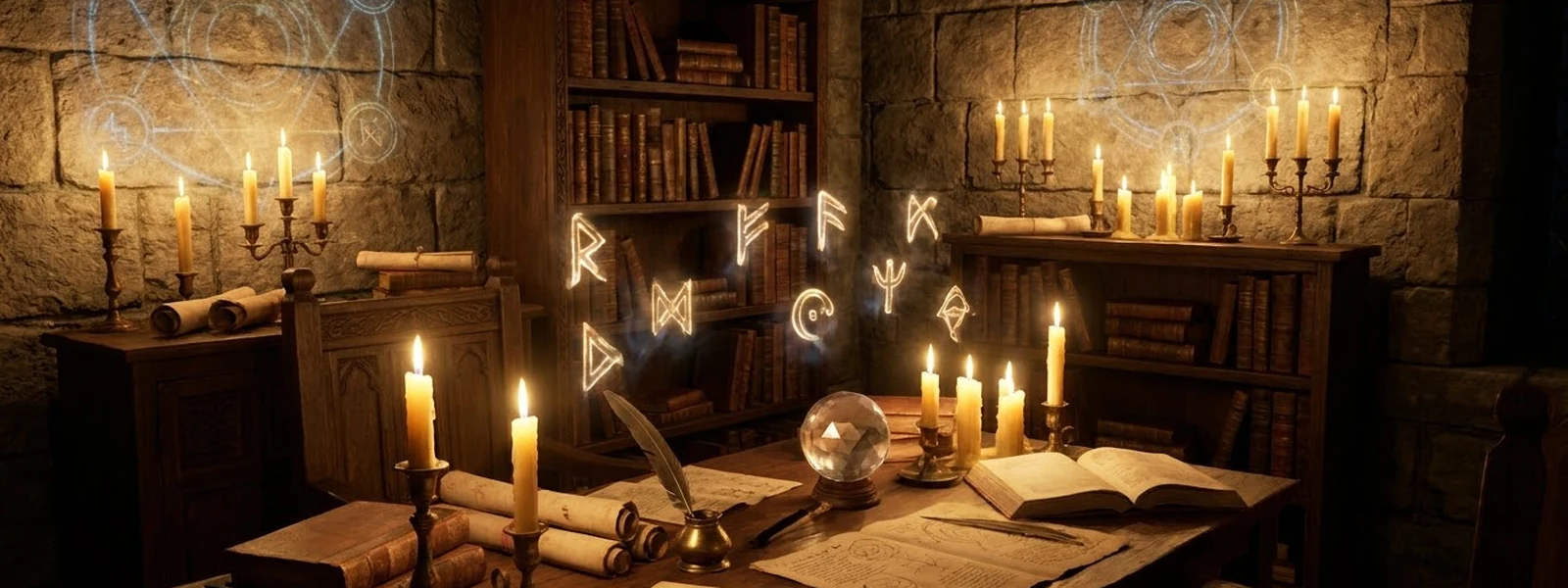
The occult tradition is built on texts. Not modern interpretations or simplified guides, but the actual writings of practitioners, philosophers, and historians who lived within these systems of thought. If you're serious about understanding esotericism—not as a hobby, but as a coherent body of knowledge—you need to read what they wrote, not what contemporary authors say they wrote.
Primary sources matter because they preserve the original intent, the specific language, and the cultural context of esoteric practice. A medieval grimoire carries assumptions about genesis and divine order that no modern paraphrase can fully capture. A 19th-century occultist's treatise reflects the intellectual currents of their moment—Theosophy, Hermeticism, ceremonial magic—in ways that shape how we understand the tradition today.
This selection represents the core of what serious students encounter: historical records of witchcraft and magic, foundational philosophical works, grimoires and ceremonial texts, and scholarly reconstructions of lost or suppressed traditions. Each has shaped how modern practitioners think and work.
Historical Records: Witchcraft and Magic in Context
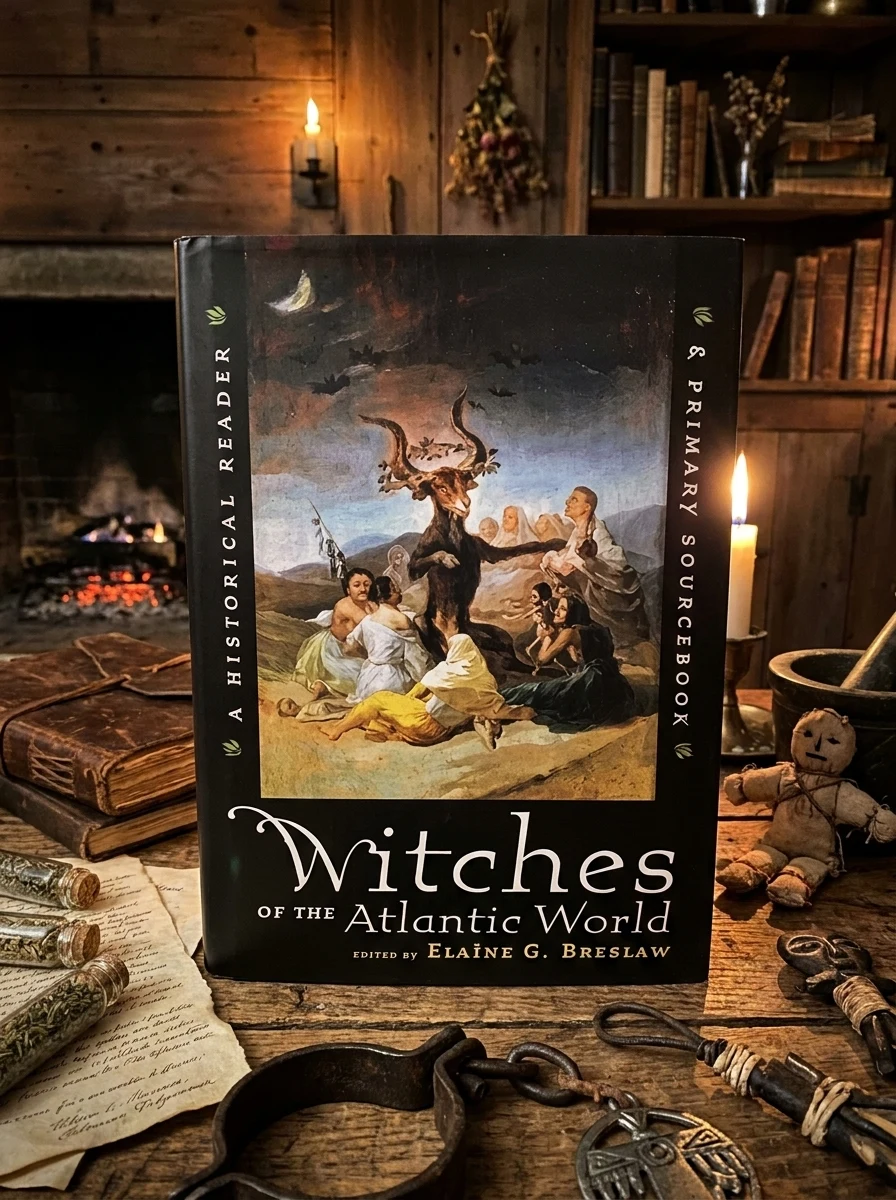
1. Witches of the Atlantic World: An Historical Reader and Primary Sourcebook — Elaine G. Breslaw
Witches of the Atlantic World is essential for anyone who wants to understand witchcraft not as fantasy but as lived history. Breslaw assembles trial records, confessions, court documents, and contemporary accounts from Europe and the Americas. You read the actual words of accused witches, their accusers, and the magistrates who judged them. The book reveals how magic was understood, feared, and prosecuted across cultures and centuries. This is not history written about witchcraft—it's witchcraft history in the voices of those who lived it.
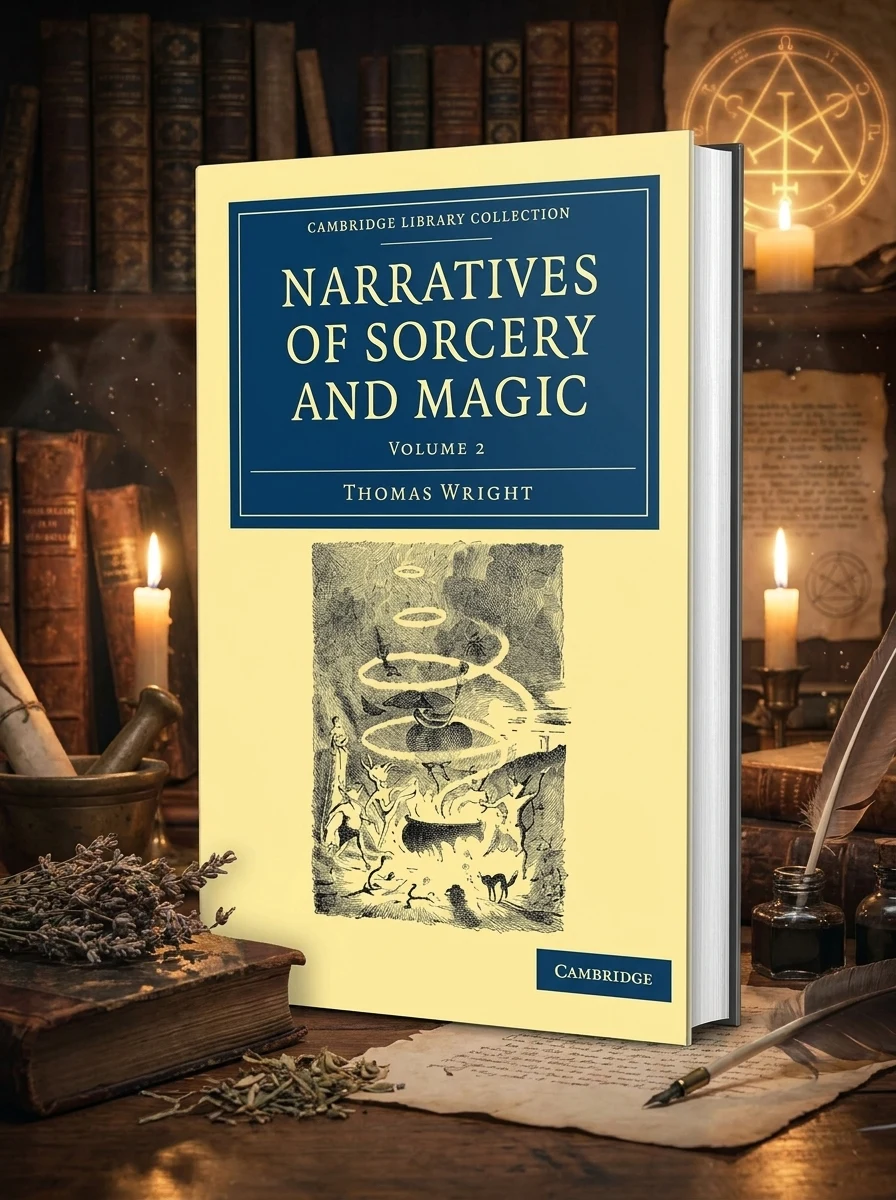
2. Narratives of Sorcery and Magic: From the Most Authentic Sources — Thomas Wright
Wright's Narratives gathers accounts of sorcery from medieval and early modern sources, presenting them with scholarly apparatus but minimal editorializing. You encounter stories of cunning folk, necromancers, and practitioners as they were recorded by contemporaries. Wright's approach respects the historical record while acknowledging the complexity of belief and practice. For scholars and serious practitioners alike, this book grounds occultism in actual human experience rather than theory.
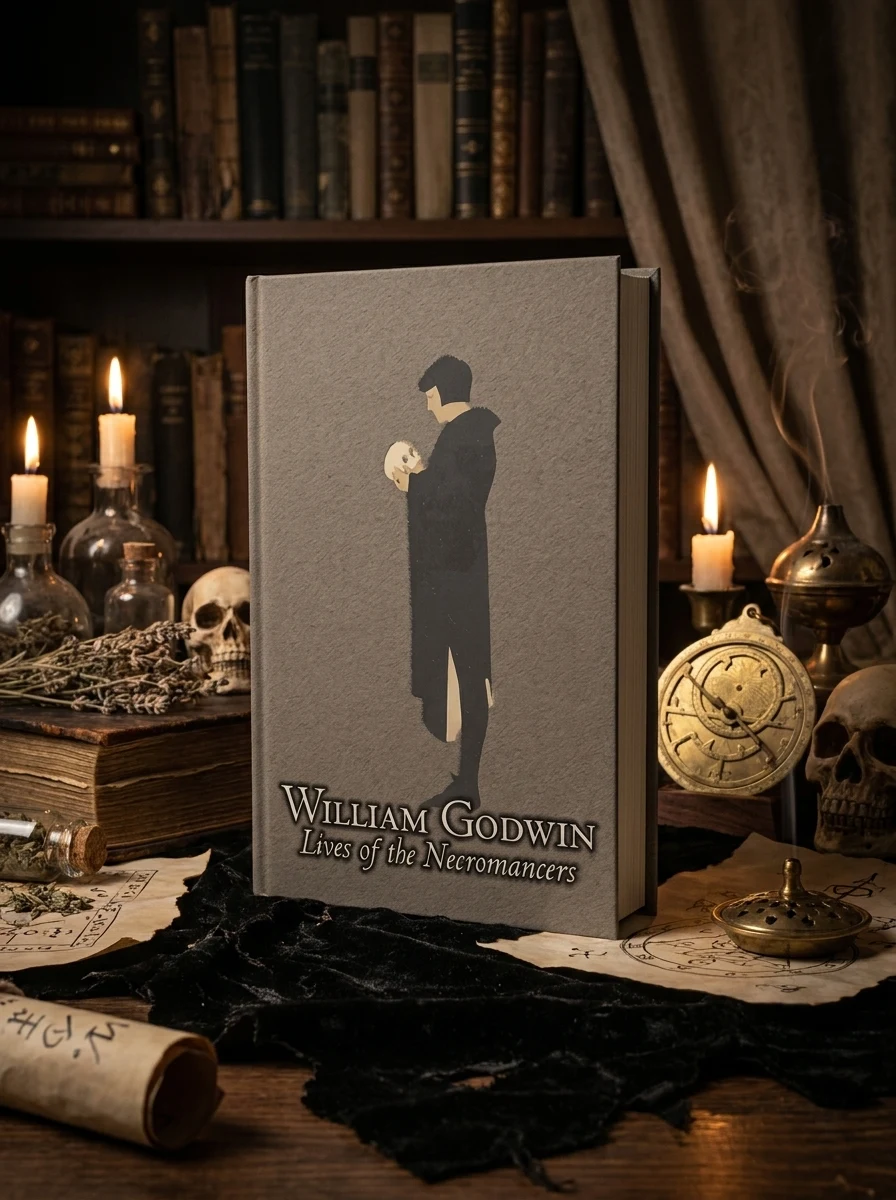
3. Lives of the Necromancers — William Godwin
Godwin's Lives of the Necromancers is a philosophical history of magic and magicians from antiquity through the 18th century. Godwin was not a believer in the supernatural, but he was a rigorous thinker interested in why humans believe in magic and how those beliefs shape culture. He examines figures like Paracelsus, Agrippa, and Dee with both skepticism and respect for their intellectual achievement. This book teaches you how to read occult history critically without dismissing it.
Foundational Philosophical and Ceremonial Texts
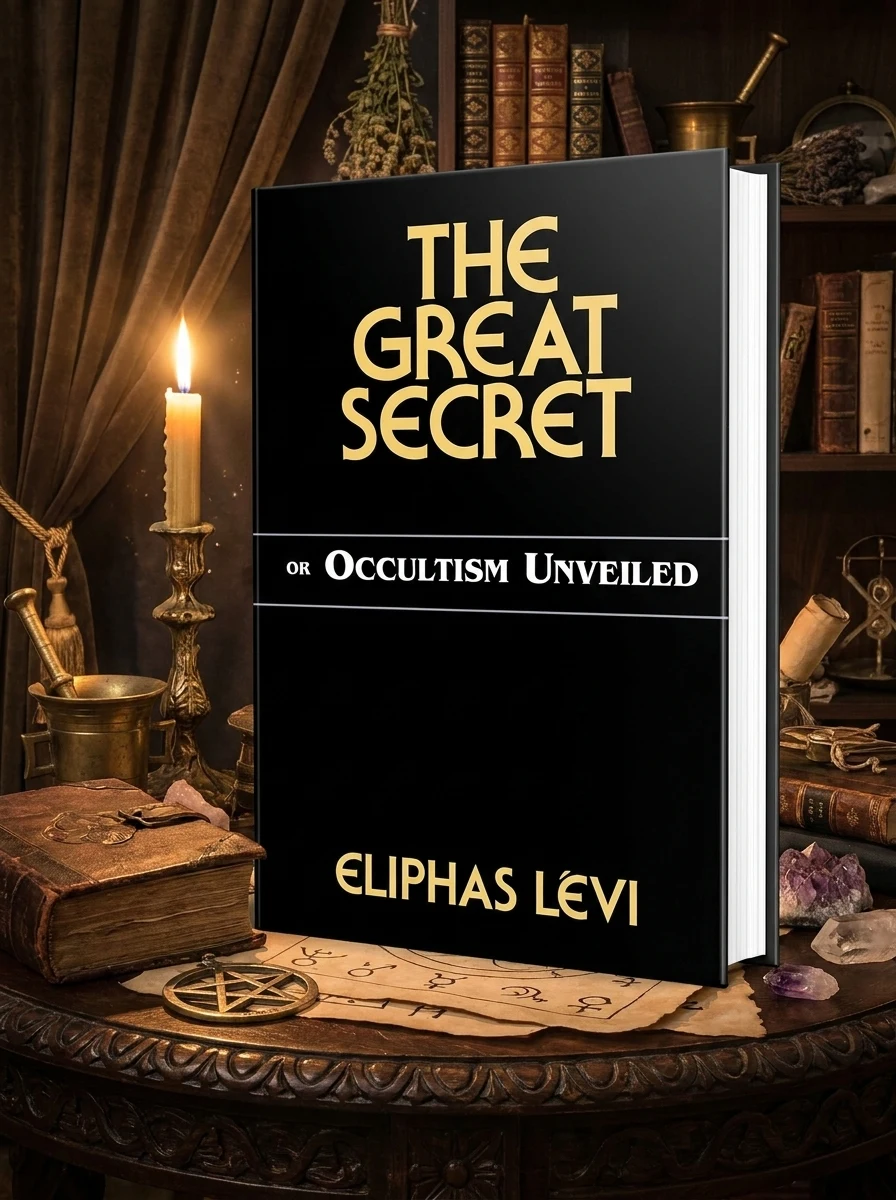
4. The Great Secret or Occultism Unveiled — Eliphas Levi
Levi's The Great Secret is one of the most influential occult treatises of the 19th century. Levi synthesized Kabbalah, Hermeticism, and ceremonial magic into a coherent system that shaped generations of Western practitioners. This book is dense—Levi assumes familiarity with Hermetic philosophy—but it rewards careful reading. If you want to understand how modern ceremonial magic thinks about correspondences, symbolism, and the structure of reality, Levi is unavoidable.
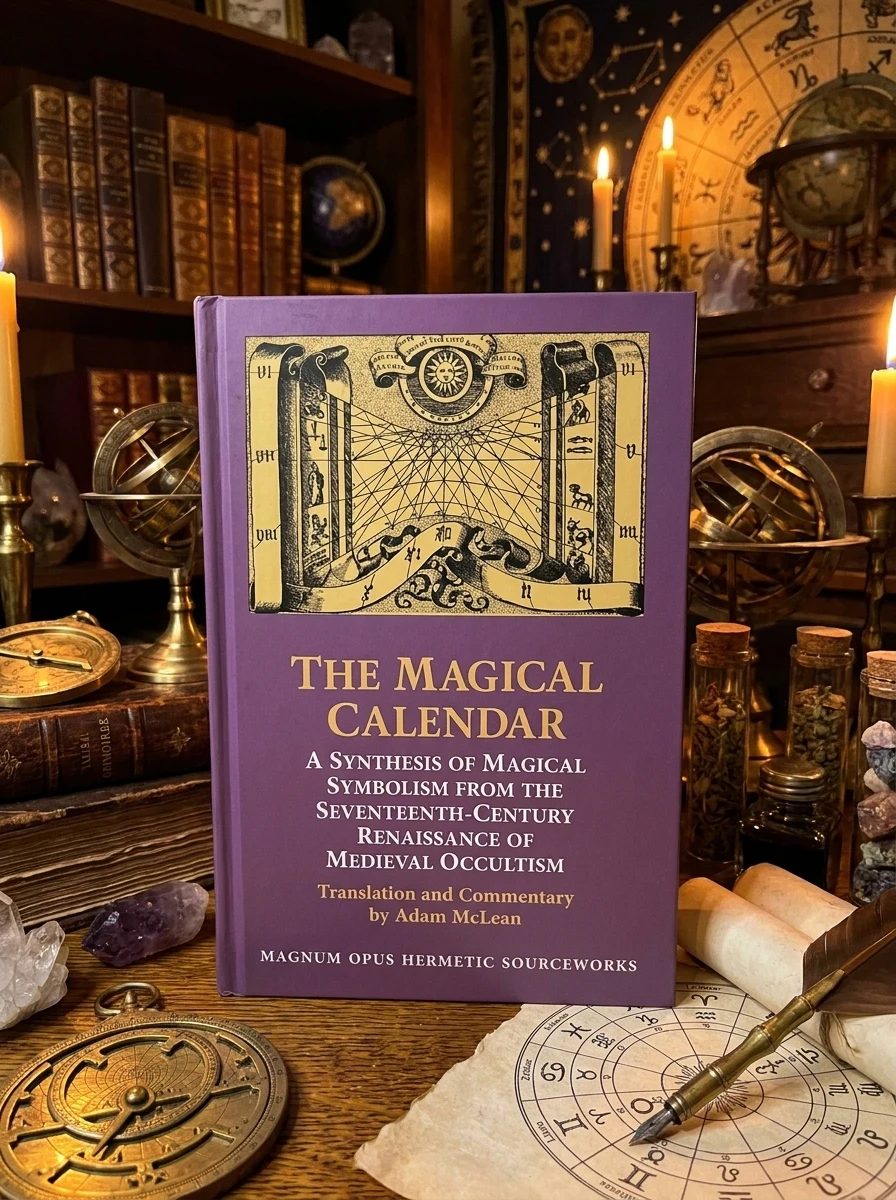
5. The Magical Calendar: A Synthesis of Magical Symbolism from the Seventeenth-Century Renaissance of Medieval Occultism — Adam McLean
McLean's Magical Calendar reconstructs a lost 17th-century text, presenting the original alongside McLean's scholarly commentary. The book maps magical correspondences—planetary hours, zodiacal associations, divine names—as they were understood in the Renaissance. It's a primary source wrapped in historical context. For ceremonial magicians and students of Western esotericism, this is foundational material.
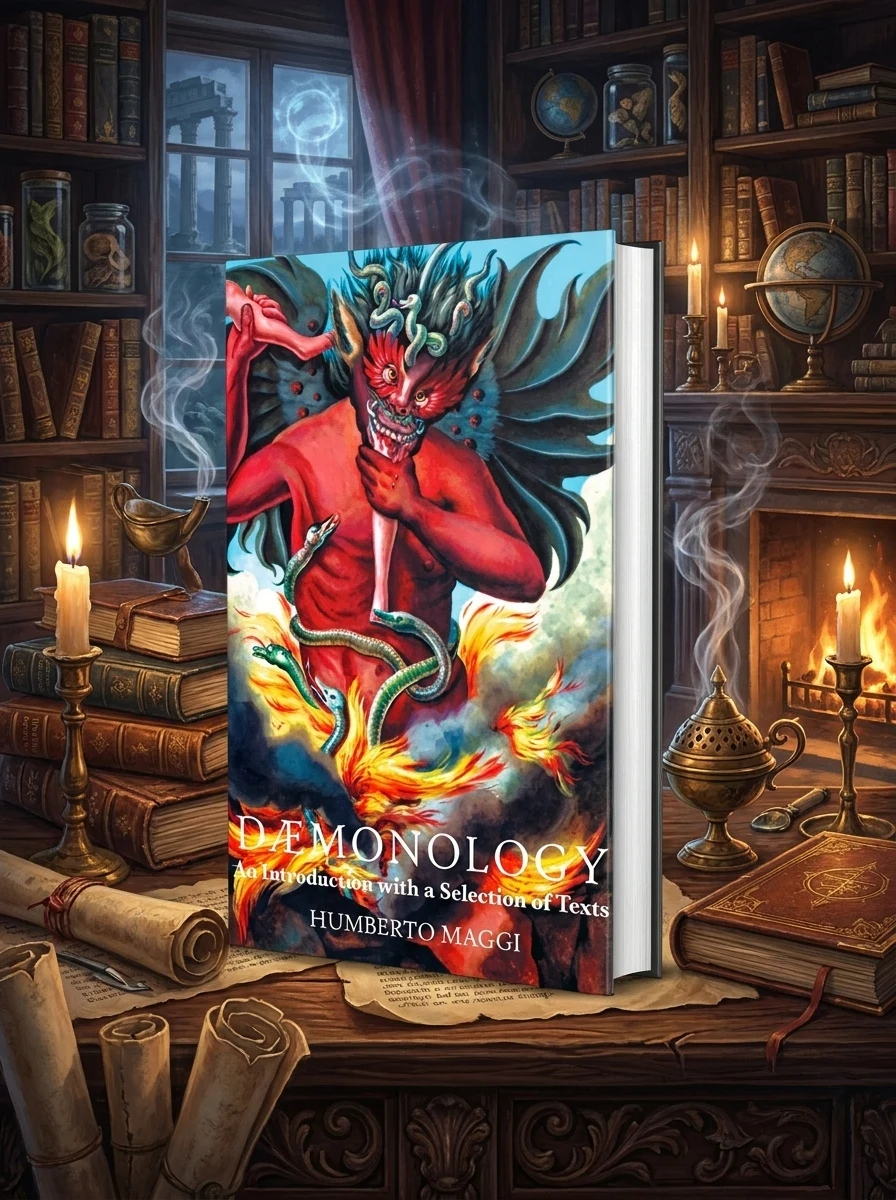
6. Dæmonology: An Introduction with a Selection of Texts — Humberto Maggi
Maggi's Dæmonology presents excerpts from medieval and Renaissance grimoires and demonological texts, with Maggi's introduction providing historical and philosophical context. You encounter the actual language of grimoires—the invocations, the hierarchies of spirits, the ritual procedures—as they were written. Maggi's scholarship is rigorous and accessible. This book is invaluable for understanding how practitioners actually worked with spirits and what assumptions shaped that work.
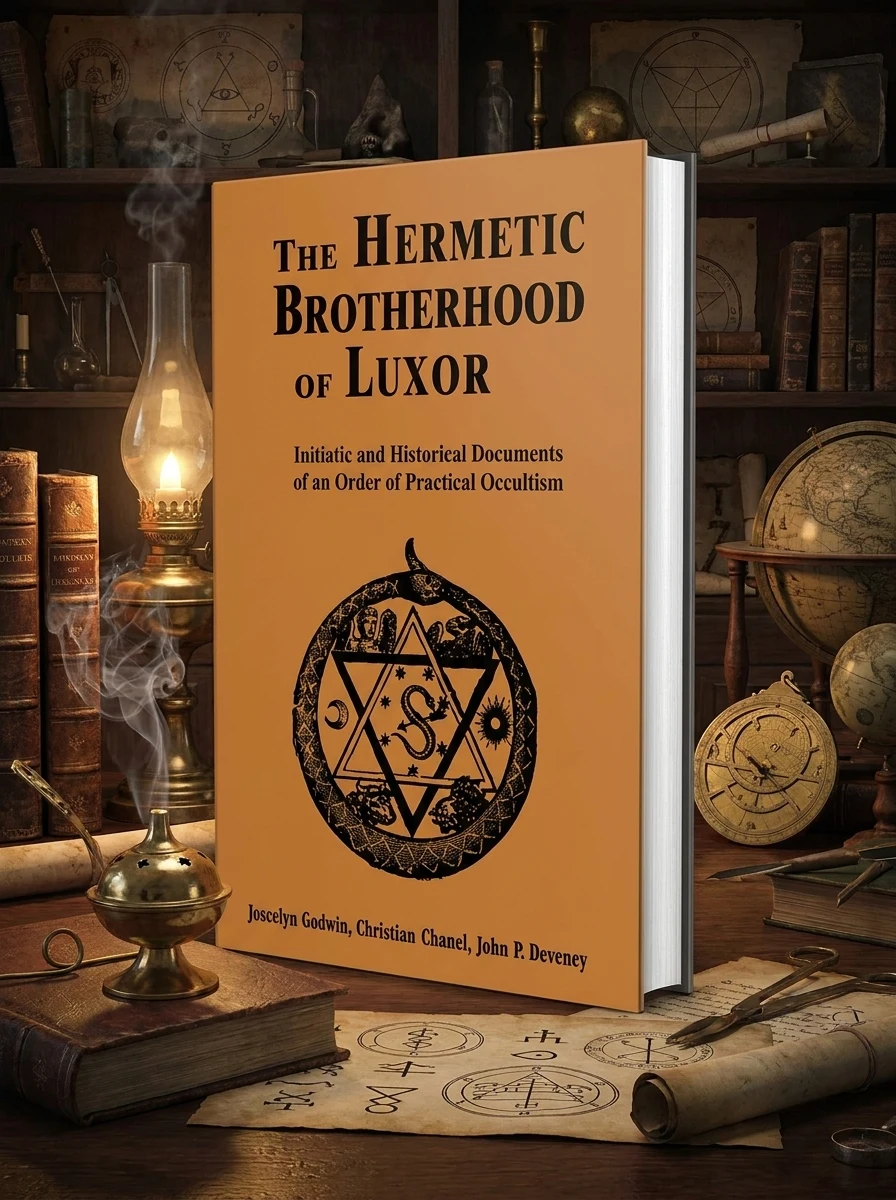
7. Hermetic Brotherhood of Luxor: Initiatic and Historical Documents of an Order of Practical Occultism — Joscelyn Godwin, Christian Chanel, and John P. Deveney
This volume collects documents from a 19th-century occult order, including rituals, teachings, and correspondence. It's a rare window into how practical magic was actually taught and transmitted. The authors provide historical context without overwhelming the primary material. If you want to understand the lineage of modern ceremonial magic and how initiatic systems functioned, this is essential.
Esoteric Philosophy and Symbolism
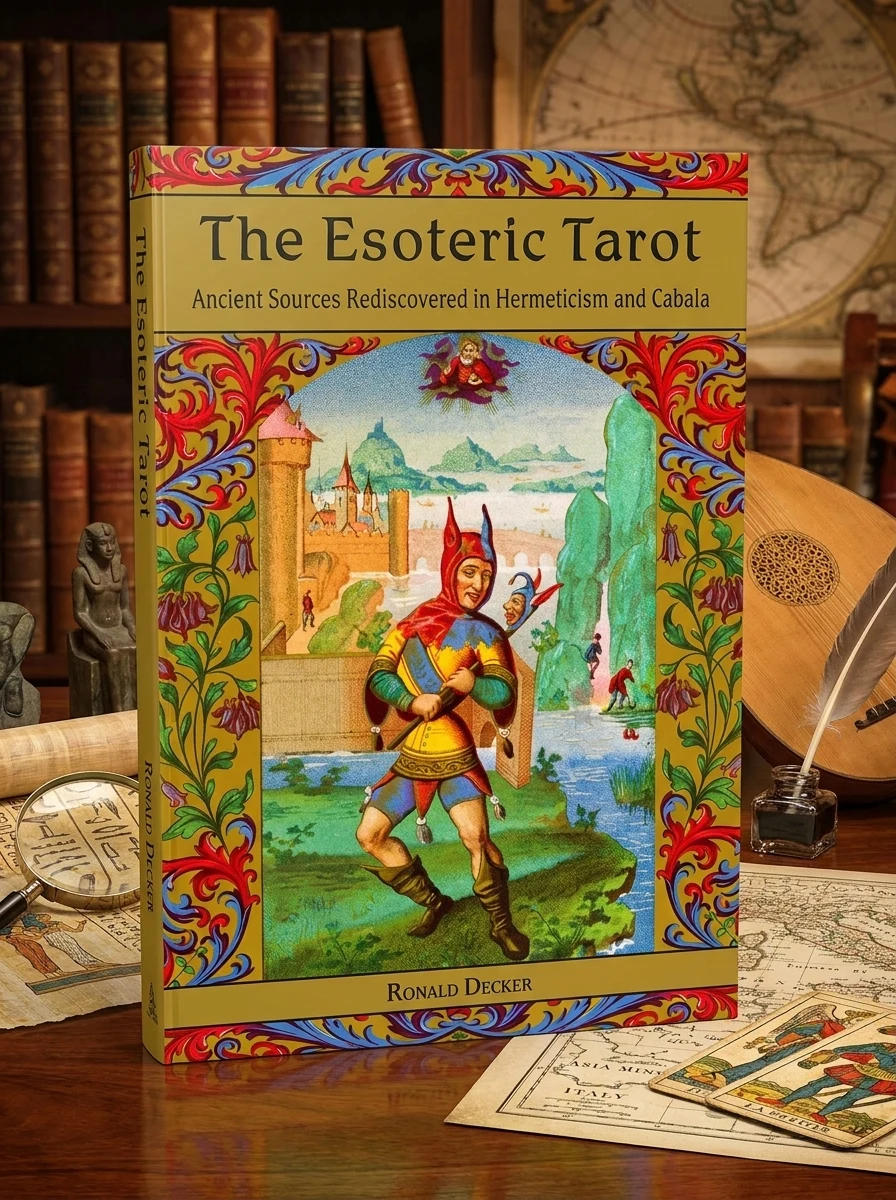
8. The Esoteric Tarot: Ancient Sources Rediscovered in Hermeticism and Cabalah — Ronald Decker
Decker's Esoteric Tarot traces the Tarot's roots in Hermetic and Kabbalistic philosophy, presenting the historical evidence for how the cards encode esoteric doctrine. Decker is a scholar, not a diviner, and his approach is rigorous. You learn how the Tarot was understood as a philosophical system before it became primarily a divination tool. For serious Tarot students, this book is indispensable.
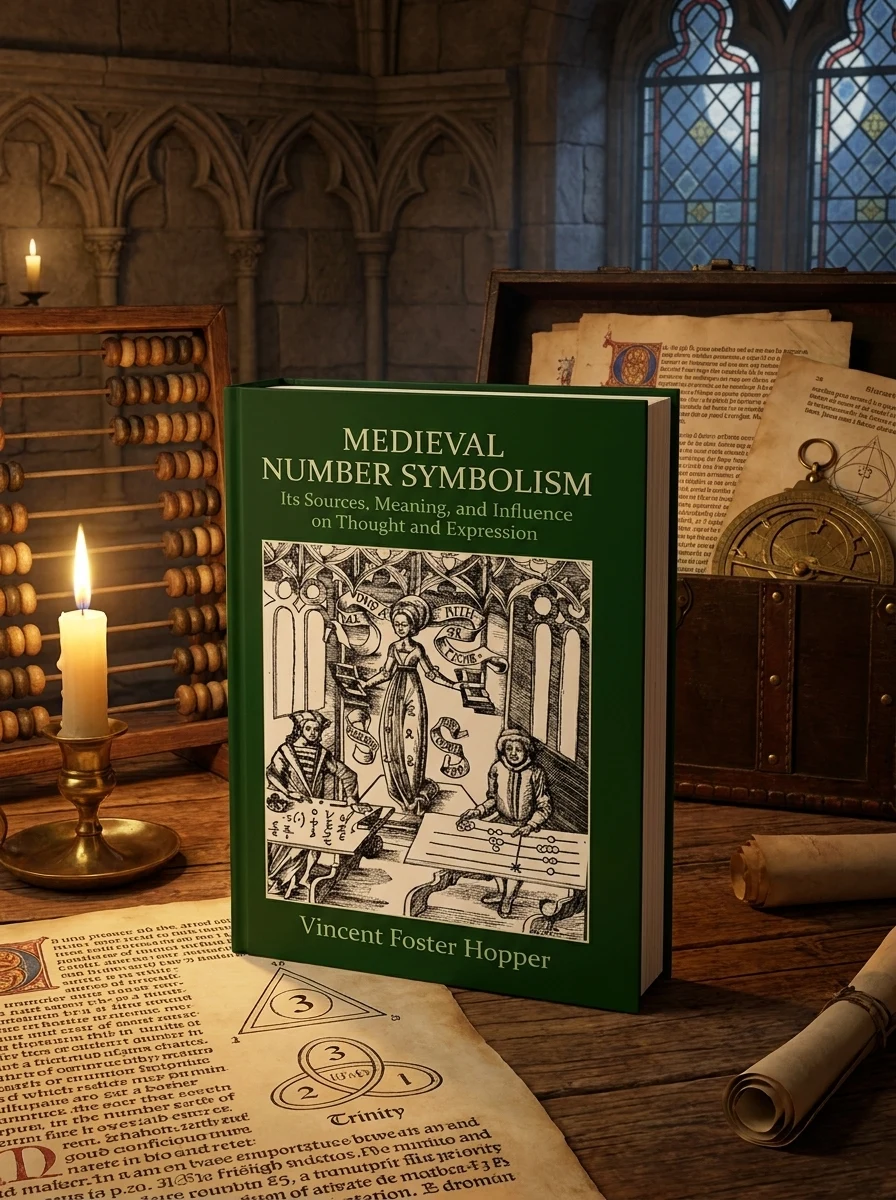
9. Medieval Number Symbolism: Its Sources, Meaning, and Influence on Thought and Expression — Vincent Foster Hopper
Hopper's Medieval Number Symbolism examines how numbers functioned as carriers of meaning in medieval and Renaissance thought. Numbers were not merely mathematical—they were theological, philosophical, and magical. Hopper shows how numerology shaped art, literature, and esoteric practice. This book teaches you to read medieval and Renaissance texts with an understanding of their symbolic language.
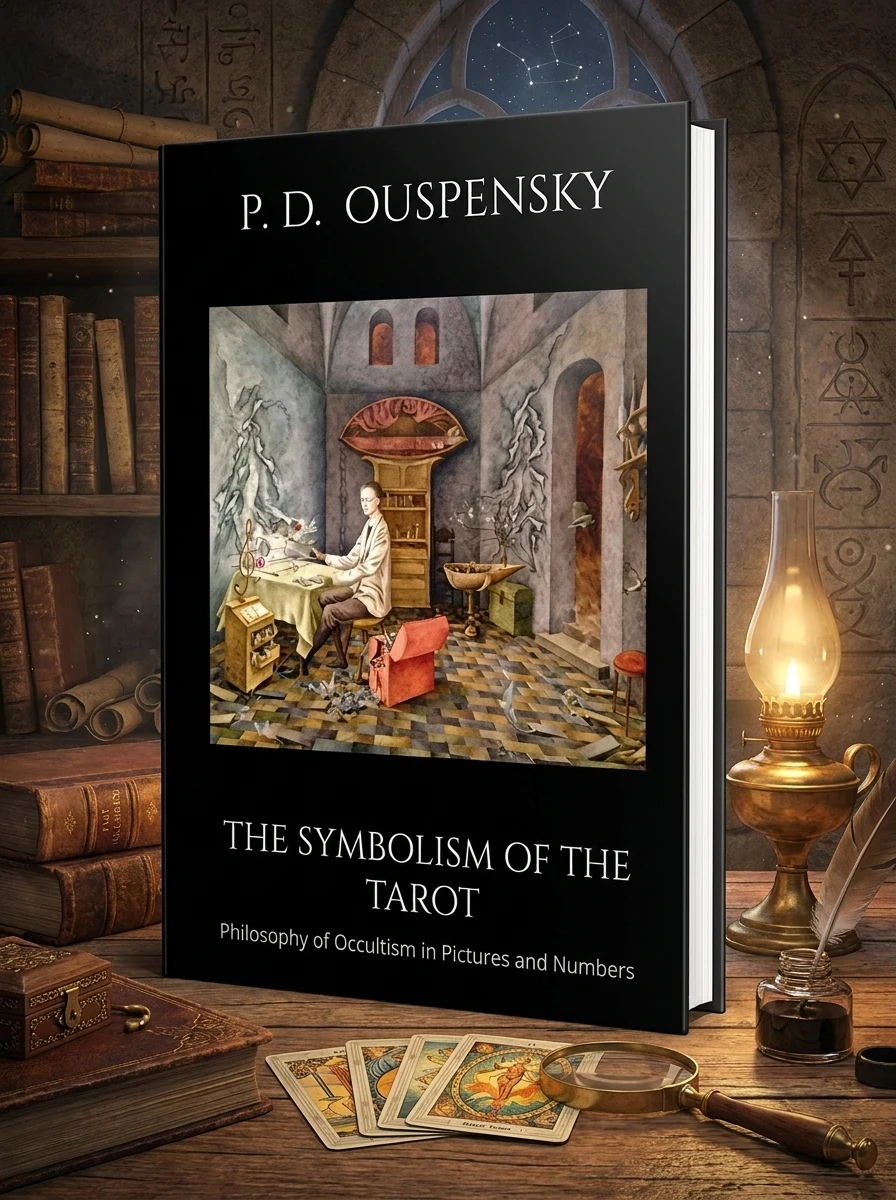
10. The Symbolism of the Tarot: Philosophy of Occultism in Pictures and Numbers — P. D. Ouspensky
Ouspensky's Symbolism of the Tarot presents the Tarot as a repository of occult philosophy. Ouspensky was influenced by Gurdjieff and approaches the Tarot as a system for understanding consciousness and reality. His interpretations are sometimes idiosyncratic, but they're grounded in serious esoteric thought. This book shows how 20th-century occultists engaged with traditional symbols.
Occultism in Historical and Cultural Context
11. Ghost Land: Researches Into the Mysteries of Occultism — William Britten
Britten's Ghost Land, published in 1876, is a comprehensive attempt to systematize occult knowledge. Britten was a Spiritualist, and his book reflects 19th-century occultism's engagement with mediumship, astral travel, and spirit communication. It's a primary source for understanding how Spiritualism and ceremonial magic intersected. The book is dense and sometimes contradictory, but it captures a moment when occultism was being actively theorized and practiced.
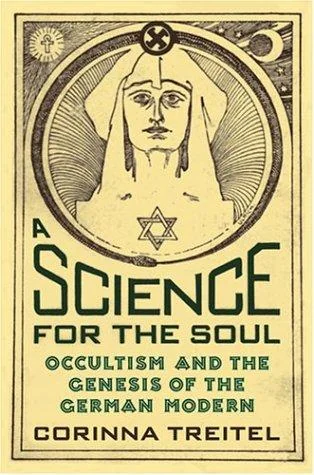
12. A Science for the Soul: Occultism and the Genesis of the German Modern — Corinna Treitel
Treitel's A Science for the Soul is a scholarly history of occultism in late 19th and early 20th-century Germany. Treitel examines how occult ideas shaped modern thought, from psychology to philosophy to politics. This book is a primary source for understanding occultism not as a marginal practice but as a significant intellectual and cultural force. It's essential reading for anyone who wants to understand how esotericism influenced modernity.
How to Approach These Texts
Primary sources in occultism are not always easy reading. They were written for practitioners with existing knowledge, in languages and frameworks that can feel foreign. Here's how to work with them:
Start with context. Read the scholarly introductions and historical framing. Treitel, Maggi, and Godwin all provide this. Understanding when and why a text was written shapes how you read it.
Read slowly. A grimoire or philosophical treatise rewards close attention. You're not consuming information; you're learning a language and a way of thinking.
Cross-reference. Occult texts constantly reference each other. Levi references Agrippa; Ouspensky references Levi. Reading multiple sources helps you understand the lineage and the conversations happening across centuries.
Distinguish between history and practice. Wright and Breslaw give you history—what people believed and did. Levi and the Hermetic Brotherhood documents give you practice—how to actually work. Both matter, but they're different kinds of knowledge.
Accept ambiguity. Occult texts often contain contradictions, obscurities, and deliberate concealment. This is not a flaw—it's part of the tradition. Initiation was gradual; texts revealed different meanings at different levels of understanding.
These twelve books represent the core of what serious students encounter. They're not the only primary sources—there are grimoires, alchemical texts, and mystical writings beyond this list—but they're the foundation. They show you how occultism actually thinks, how it developed, and why it matters as a historical and philosophical tradition.